
Traveling
Explanations and vocabulary practice

Sections: 16
Save words from this page and practise them with flashcards in DuoCards. How does it work?
Before we dive into knowing the basic phrases and vocabulary you'll use when travelling, let's explain how to form reflexive verbs.
Remove the ending -se and conjugate the verb as you are used to. You must put a pronoun before the verb, which changes in each person.
e.g.:
llamarse
yo me llamo
tú te llamas
él/ella/usted se llama
nosotros/as nos llamamos
vosotros/as os llamáis
ellos/ellas/ustedes se llaman











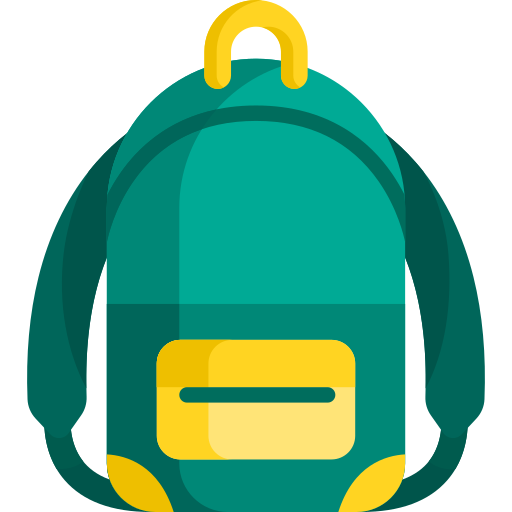
Learn some useful words to describe what you might have in your bag.
To say that you have something in your bag, use the verb llevar, e.g.: En mi bolso llevo mi cartera.
In case you are looking for something use the word buscar, e.g.: Busco mi móvil.
If you lose something, use the past tense of the verb perder - e.g.: He perdido las llaves.
Note, the word bag and handbag are similar.
el bolso (handbag) x la bolsa (bag)











In the city you can travel viajar by car en coche or by public transport en tranporte público.
There are also different types of buildings los edificios.











This will help you navigate through the streets of Madrid or a little village of Mexico.
e.g.:
Por favor, ¿dónde está el banco?
El banco está en la segunda calle a la derecha, entre la escuela y la farmacia.
or
Por favor, ¿cómo llego a la universidad?
Tiene que seguir todo recto y en la esquina girar a la izquierda.











In case you pay learn the difference between paying by card and paying with cash.
¿Cómo desea pagar? (How would you like to pay?)
pagar con tarjeta de crédito e.g.: Quiero pagar con tarjeta de crédito.
pagar en efectivo e.g.: No puede pagar en efectivo.






Spanish cuisine is very tasty, so you need to know how to order in the restaurant.
el entrante (starter)
el primer plato (first course)
el segundo plato (second course)
el postre (dessert)
Typical situation:
El camarero: ¿Qué desea? (What can I do for you?)
El cliente: Tengo una reserva para dos personas en nombre de Pedro Sánchez. (I have a reservation for 2 people on behalf of Pedro Sánchéz.)
El cameraro: Aquí se pueden sentar. (You can sit here.)
El cliente: ¡El menú/la carte por favor! (The menu, please.)
El camarero: ¿Qué desean tomar? / ¿Qué van a beber? (What would you like to drink?/ What are you going to drink?)
El cliente: De primero una ensalada y de segundo una paella, gracias. / Para beber dos cervezas, por favor. (For first a salad and for second a paella, thank you. / To drink two beers, please.)


















Fish is translated as el pescado but remember that this is used only if it is a fish on a plate (ready to eat). The fish in the water is el pez.












Useful phrases:
El vuelo está programado/retrasado. (The flight is scheduled/delayed.)
¿Dónde está la puerta de embarque para el vuelo 222? (Where is the departure gate for flight 222?)
¿Puede ayudarme a encontrar mi puerta? (Can you help me find my gate?)
¿A qué hora comienza el embarque? (What time does boarding begin?)
Necesito cambiar mi asiento. (I need to change my seat.)
¿Cuál es la contraseña del Wi-Fi aquí? (What’s the Wi-Fi password here?)
He perdido mi tarjeta de embarque. (I’ve lost my boarding pass.)











Typical situation:
El cliente: Buenos días, tengo una reserva a nombre de John Smith. (Good morning, I have a reservation in the name of John Smith.)
La recepcionista: Buenos días. ¿Desea una habitación individual o doble? (Good morning, would you like a single or a double room?)
El cliente: Una habitación doble con un balcón. ( A double room with a balcony.)
La reciopnista: Vale. Su número de habitación es 98, está en el cuarto piso. (OK. Your room number is 98, it's on the fourth floor.)










If you want express that something is missing in your hotel room, you can say:
¿Podría darme un secador de pelo, por favor?
If you want to express that someting is not working well, you can say:
¿Podría ayudarme con la caja fuerte? No funciona, gracias.






In Spain, there are free beaches playas gratuitas or private beaches plays privadas where you can rent an umbrella and sunbeds alquilar una sombrilla y tumbonas.












In the previous course you've learned how to make an adverb. There are more adverbs. Let's take a look at some of them that indicates time.







In Spain or South America they often travel by train el tren or bus el autobús.








Remember that if the colour ends in -o, the ending changes according to the gender.
La mesa es blanca. x El cielo es blanco.
Las habitaciones son claras. x Los pisos son claros.











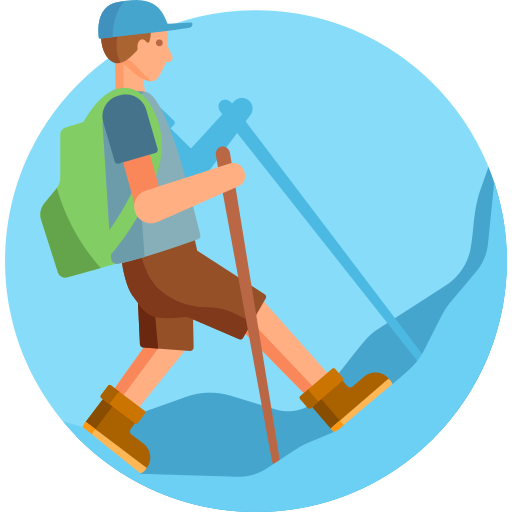
You can do different types of sports el deporte.
e.g.: esquiar, hacer ciclismo, hacer senderismo





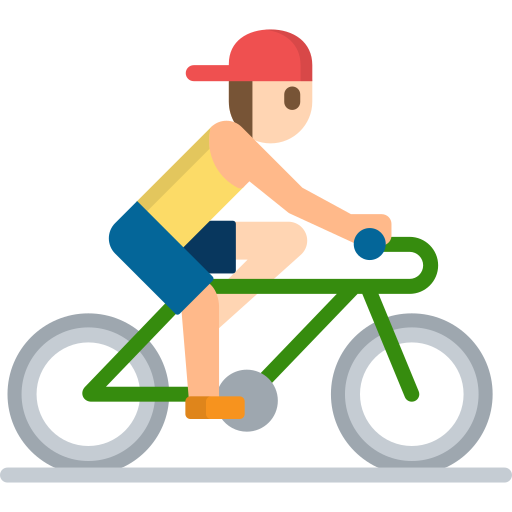





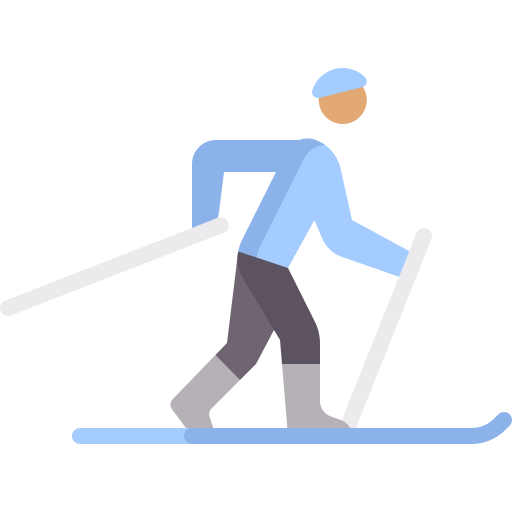
In an emergency you must call an ambulance llamar la ambulancia or go to see the doctor ir a ver el médico.
The doctor will probably ask you Qué le duele? / Qué le pasa?
You can reply Me duele la cabeza/la garganta/la mano/la pierna. (My head/throat/hand/leg hurts.)







Learning with DuoCards
What is DuoCards?
DuoCards is a language-learning app that helps you build vocabulary with flashcards. You can save words you want to learn and practise them over time.
How do I learn with this course?
Browse the explanations and vocabulary in each section. Select Card picker and choose the words you want to learn. Then create a free account to save your words and practise them.
How do I practise my words?
You'll see a flashcard with a word and a hidden translation. Guess what it means, then tap to check your answer. DuoCards repeats the words you find difficult.
Do I need an account, and is learning free?
You can browse this page without an account. A free account lets you save words and track your progress. The free plan has limits, and Premium offers additional features.