Advanced Italian CourseItalian words
by Mikajela
*Welcome to the Advanced Italian Language Course!*
Ciao a tutti! Are you prepared to elevate your Italian skills?
In this course, you will *master the subjunctive to express wishes and uncertainties, expand your vocabulary* on various topics and *learn to combine double pronouns.* We'll also *get a glimpse of the passato remoto* to deepen your understanding of Italian.
In this first section, let’s warm up with some advanced vocab before we plunge into the grammar! Ready?
Cominciamo!
Let's get started!
Cominciamo con qualcosa di semplice, giusto per riscaldarci un po’.

affrontare
to face / deal with
Affronta le tue paure!

complesso
complex
È una situazione complessa da risolvere.
Affronta il problema più complesso.
Tackle the most complex problem.

urbano
urban
Marco vive in un quartiere urbano e ama la città.

rurale
rural
Anna preferisce vivere in un ambiente rurale, tranquillo e verde.

Ti piace di più la vita rurale o quella urbana?
Do you prefer rural or urban life?
l’ideale
the ideal
L’ideale è vivere senza stress.

vitale
vital
Bere acqua è vitale per la salute.
l'ambizione
ambition
La mia ambizione è diventare una scienziata famosa.
improbabile
unlikely
È improbabile che loro arrivino in tempo per la riunione.

Dante Alighieri fu un famoso scrittore italiano.
Dante Alighieri was a famous Italian writer.
Dante Alighieri fu un famoso scrittore italiano che scrisse la Divina Commedia.
la pratica quotidiana
daily practice
La pratica quotidiana è fondamentale per migliorare la sicurezza nel parlare.
*Vocabolario avanzato per i viaggiatori*
In this lesson, you will learn advanced travel tips in Italian. You’ll practice questions and phrases for renting cars, checking into hotels, and planning activities. These phrases are already advanced, so when you travel to Italy, you’ll be able to handle even more challenging situations.
affollato
crowded
Il posto era affollato.
Ci sono spiagge meno affollate?
Are there less crowded beaches?
cambiare i soldi
to exchange money
Mi scusi, dove posso cambiare i soldi?
prenotare
to book
Ho prenotato un biglietto d'aereo.
È necessario prenotare in anticipo?
Is it necessary to book in advance?

fare surf
to surf
Mi scusi, dove posso fare surf qui vicino?

Qual è la spiaggia migliore per i principianti di surf?
What is the best beach for beginner surfing?
noleggiare un’auto
to rent a car
Dove posso noleggiare un’auto?

l'assicurazione
the insurance
L’assicurazione copre anche i danni minori?

Nel prezzo del noleggio dell'auto è inclusa l'assicurazione?
Is insurance included in the price of the car rental?
A che ora è il check-in?
At what time can we check-in?

il trasporto dall’aeroporto
the airport transfer
È obbligatorio prenotare il trasporto dall'aeroporto in anticipo.

incluso
included
È incluso il trasporto dall’aeroporto?

È inclusa la colazione nel prezzo della camera?
Is breakfast included in the room price?
*Il futuro anteriore*
Welcome to the exciting world of *the future perfect tense*! This tense allows you to talk about actions that *will have been completed* before a certain point in the future. Think of it as your way of predicting the past from a future perspective!
The futuro anteriore combines the *future tense* of "avere" or "essere" with the *past participle* of the main verb. For example, if you want to say *'I will have eaten.'*: "Io avrò mangiato." Or for *'I will have gone'*: "Io sarò andato/a."
Use the futuro anteriore when you want to:
*discuss future plans or predictions that will be completed by a certain time*
*express conditions in the future*

io avrò mangiato, tu avrai mangiato, lui/lei avrà mangiato
to eat (futuro anteriore, 1. 2. 3. person sg.)
noi avremo mangiato, voi avrete mangiato, loro avranno mangiato
to eat (futuro anteriore, 1. 2. 3. persona pl.)

Io avrò mangiato.
I will have eaten.
io sarò andato/a, tu sarai andato/a, lui/ lei sarà andato/a
to go (futuro anteriore, 1. 2. 3. person sg.)

noi saremo andati/e, voi sarete andati/e, loro saranno andati/e
to go (futuro anteriore, 1. 2. 3. person pl.)
Noi saremo andati.
We will have gone.
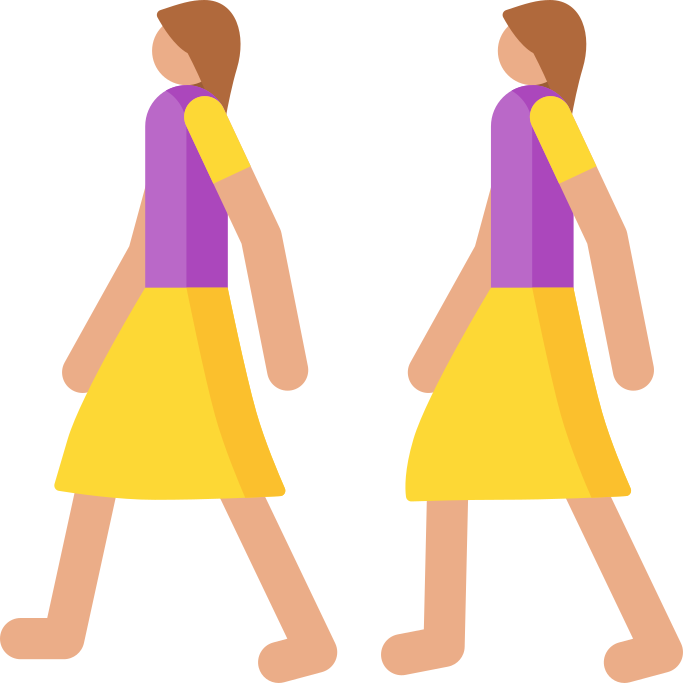
Le ragazze saranno andate.
Girls will have gone.
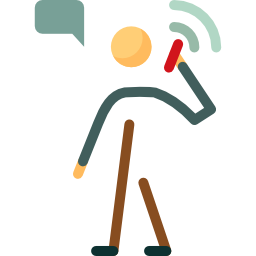
io avrò parlato
I will have spoken
Io avrò parlato con il direttore prima che tu arrivi in ufficio.
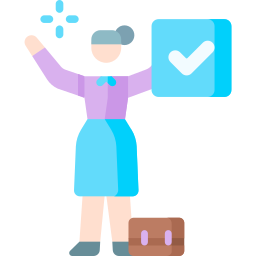
voi sarete arrivati
you will have arrived
Voi sarete arrivati in città prima di noi.

loro avranno venduto
they will have sold
Loro avranno venduto la casa entro la fine dell'anno.

noi avremo finito
we will have finished
Noi avremo finito il progetto prima della scadenza.
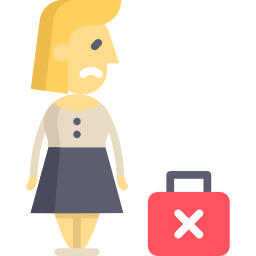
lei sarà rimasta
she will have stayed
lei sarà rimasta in ufficio fino a tardi.

Appena sarò arrivato a casa, ti chiamerò.
As soon as I will have arrived home, I will call you.

Quando avrete preparato la cena, chiamatemi.
When you will have prepared dinner, call me.
*Exploring nature: Vocabulary for outdoor adventures*
In this lesson, we will explore vocabulary useful for an adventure in nature, discovering breathtaking landscapes and essential equipment for the journey.

la cascata
the waterfall
Che meraviglia questa cascata!

la vetta
the summit
Giulia arriva alla vetta e gode della vista panoramica.

il sentiero
the path
Il sentiero attraversa il bosco e porta alla cascata.

scosceso
steep
Il sentiero è scosceso e Luca cammina con attenzione.
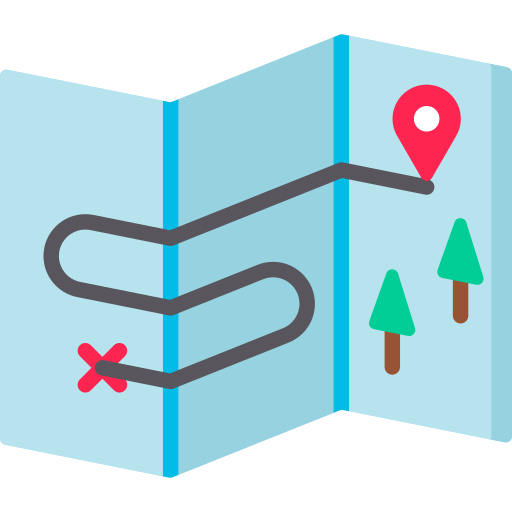
fare un’escursione
to hike
Ieri Luca ha fatto un’escursione in montagna.

Abbiamo fatto un’escursione sulla collina scoscesa.
We hiked up the steep hill.

il picnic
the picnic
Porta il cibo per il picnic!

Abbiamo fatto un picnic vicino alla cascata.
We had a picnic by the waterfall.

il prato
the meadow
Il prato è verde e perfetto per rilassarsi.
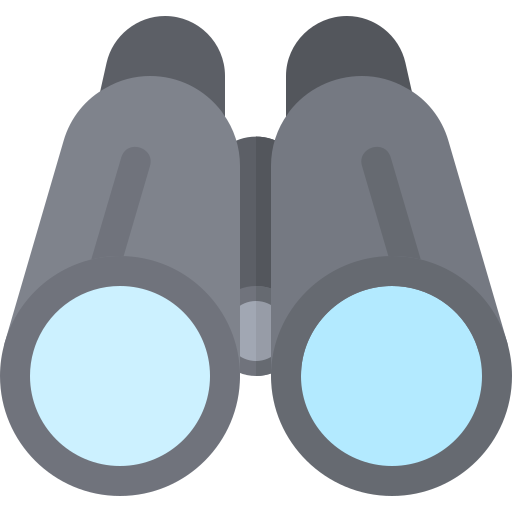
il binocolo
the binoculars
Noi abbiamo usato il binocolo per guardare gli uccelli.
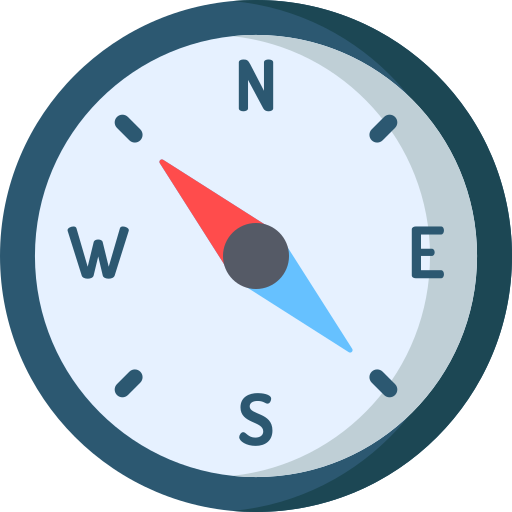
la bussola
the compass
Paolo ha usato la bussola per trovare la strada.

la tenda
the tent
Wow, la tenda è così grande e comoda!

Metti il binocolo nella tenda.
Put the binoculars in the tent.

il sacco a pelo
the sleeping bag
Metto il mio sacco a pelo nella tenda.

Dove si trova il rifugio più vicino?
Where is the nearest mountain hut?

la vista panoramica
the panoramic view
Dalla vetta, la vista panoramica è spettacolare.

selvaggio
wild
Dalla cima abbiamo visto una foresta selvaggia.

l'erba
the grass
L'erba nel parco è verde e soffice, perfetta per il picnic.
*Il congiuntivo presente I.*
*Subjunctive* is used to express *desires, doubts, emotions, and hypothetical situations*. It's the tense of 'if and maybe', perfect for expressing things that aren't certain yet. We use the "congiuntivo" when we want to:
*Express desires*: "Spero che tu venga alla festa!"
*Make assumptions or express doubts*: "Non sono sicuro che lui sappia la verità."
*Talk about emotions*: "Mi fa piacere che tu sia qui!"
Notice that the present subjunctive has the same conjugation for all singular persons. To make it clearer, we often include the pronoun with the conjugated verb form: "A scuola si dice che io parli bene francese."
In this lesson, we will practice the present subjunctive with first-group -ARE verbs.
"PARLARE"
"che io parli" (that I speak),"che tu parli" (that you speak),"che lui/lei parli" (that he/she speaks),"che noi parliamo" (that we speak),"che voi parliate" (that you all speak),"che loro parlino"(that they speak)

che Marco parli
that Marco speaks
Spero che Marco parli con me oggi.
Spero che tu parli lentamente.
I hope that you speak slowly.
che tu ascolti
that you listen
Voglio che tu ascolti attentamente la lezione.

che Lucia lavori
that Lucia works
È importante che Lucia lavori con il gruppo.
È importante che voi lavoriate insieme.
It’s important that you work together.
he noi camminiamo
that we walk
Spero che noi camminiamo fino al parco domani.

che voi guardiate
that you (pl.) watch
Voglio che voi guardiate questo film insieme.

Voglio che voi guardiate questo film insieme.
I want you all to watch this film together.

che loro cucinino
that they cook
È necessario che loro cucinino per la festa.

che io studi
that I study
Voglio che io studi un’ora ogni giorno.
che Anna giochi
that Anna plays
Spero che Anna giochi a calcio con i suoi amici.

che tu paghi
that you pay
È importante che tu paghi subito il conto.

È importante che tu paghi subito il conto.
It’s important that you pay the bill right away.

che Giulia viaggi
that Giulia travels
Voglio che Giulia viaggi molto quest’estate.
Voglio che tu compri il pane.
I want you to buy the bread.
*Il congiuntivo presente II.*
In this lesson, we will practice *the present subjunctive with second-group -ERE verbs.*
"VENDERE"
"che io venda" (that I sell)
"che tu venda" (that you sell)
"che lui/lei venda" (that he/she sells)
"che noi vendiamo" (that we sell)
"che voi vendiate" (that you all sell)
"che loro vendano" (that they sell)

che io creda
that I believe
Non penso che io creda a questa storia.

che tu legga
that you read
Voglio che tu legga questo libro.

Voglio che tu legga questo libro.
I want you to read this book.

che lui scriva
that he writes
È importante che Gianni scriva la lettera oggi.

che noi prendiamo
that we take
Spero che noi prendiamo il treno presto.
che voi vediate
that you (pl.) see
È meglio che voi vediate il dottore.
che loro rispondano
that they answer
Non credo che loro rispondano subito.

Voglio che tu chiuda la finestra.
I want you to close the window.

Spero che noi prendiamo un caffè insieme.
I hope we have a coffee together.

che lui venda
that he sells
Non credo che Luigi venda la sua macchina.
*Il congiuntivo presente III.*
And finally, we’ll look at *the third-group -IRE verbs.*
"DORMIRE"
"che io dorma" (that I sleep)
"che tu dorma" (that you sleep)
"che lui/lei dorma" (that he/she sleeps)
"che noi dormiamo" (that we sleep)
"che voi dormiate" (that you all sleep)
"che loro dormano" (that they sleep)

che io dorma
that I sleep
Voglio che io dorma abbastanza stanotte.
che tu apra
that you open
Spero che tu apra la finestra.

Spero che tu apra la finestra.
I hope you open the window.

che lei parta
that she leaves
È importante che Maria parta presto.

che noi finiamo
that we finish
Voglio che noi finiamo il lavoro oggi.

che voi capiate
that you (pl.) understand
È necessario che voi capiate la lezione.
che noi apriamo
that we open
È importante che noi apriamo la porta insieme.
È importante che tu dorma almeno otto ore ogni notte.
It’s important that you sleep at least eight hours every night.
È meglio che tu parta subito per arrivare in tempo.
It’s better that you leave immediately to arrive on time.
*La cinematografia*
Let’s take a break from the tricky subjunctive and have some fun with Italian! In this lesson, we’ll explore *cinema and movies, learning useful vocabulary and expressions.*
Are you able to understand a short article ("un articolo") about *cinema*?
"Un film è un potente mezzo di narrazione. Le persone possono relazionarsi con i personaggi e seguire le loro storie. Il valore del cinema è che ci permette di esplorare emozioni e esperienze diverse, rendendo il mondo più comprensibile."
Don’t forget: to get a translation, just hold your finger on any word you don’t understand.
Qual è il tuo film preferito e perché?
What is your favourite film and why?

la commedia
the comedy
Ti piacciono le commedie?
il film horror
the horror movie
Non mi piacciono i film horror perché sono troppo spaventosi.

il documentario
the documentary
Ho guardato un documentario sulla vita degli animali in Africa.

il film romantico
the romantic movie
Il film romantico racconta una storia d'amore tra due persone molto diverse.

il film d'animazione
the animated movie
Il film d'animazione era colorato e piacevole per i bambini.
Ti piacerebbe venire al cinema con me stasera?
Would you like to go to the cinema with me tonight?

la trama
the plot
La trama del film era semplice, ma molto toccante.
la proiezione
the screening
La proiezione del nuovo film inizia alle sette di sera.

lo schermo
the screen
Lo schermo del cinema era così grande che si vedeva tutto perfettamente.

la colonna sonora
the soundtrack
La colonna sonora del film è stata composta da un famoso musicista.

il posto
the seat
Non ci sono posti liberi.

Non vedo l’ora di vedere questo film!
I can’t wait to see this movie!
comprensibile
understandable
Questo film è molto comprensibile, anche per chi non conosce bene l’italiano.

il mezzo
the medium
Il cinema è il mezzo più potente per raccontare emozioni.
*Verbi irregolari nel congiuntivo presente I.*
Now that you are an expert with regular verbs in the present subjunctive, it’s time to make things a bit more challenging. In this lesson, *we will learn irregular verbs in the* "congiuntivo". These verbs don’t follow the regular patterns, but with some practice, you’ll be able to use them naturally in real-life situations, *expressing desires, doubts, and emotions* like a true Italian speaker.
Let's take a look at some of the most important irregular verbs:
"ESSERE - sia, sia, sia, siame, siate, siano"
"AVERE - abbia, abbia, abbia, abbiamo, abbiate, abbiano"
"ANDARE - vada, vada, vada, andiamo, andiate, vadano"
"FARE - faccia, faccia, faccia, facciamo, facciate, facciano"
"DARE - dia, dia, dia, diamo, diate, diano"
"USCIRE - esca, esca, esca, usciamo, usciate, escano"
"VENIRE - venga, venga, venga, veniamo, veniate, vengano"

che io sia, tu sia, lui/lei sia, noi siame, vio siate, loro siano
to be (congiuntivo presente)

Non so chi sia quella donna.
I don’t know who that woman is.

che io abbia, abbia, abbia, abbiamo, abbiate, abbiano
to have (congiuntivo presente)
Credo che lei abbia ragione.
I believe that she is right.
che io vada, vada, vada, andiamo, andiate, vadano
to go (congiuntivo presente)
Voglio che Marco vada al lavoro domani.
I want Marco to go to work tomorrow.
che io dia, dia, dia, diamo, diate, diano
to give (congiuntivo presente)
che io faccia, faccia, faccia, facciamo, facciate, facciano
to do (congiuntivo presente)

È necessario che noi facciamo attenzione.
It’s necessary that we pay attention.
che io esca, esca, esca, usciamo, usciate, escano
to go out (congiuntivo presente)

che io venga, venga, venga, veniamo, veniate, vengano
to come (congiuntivo presente)

Voglio che Luca venga alla festa.
I want Luca to come to the party.
*Vocabolario per mangiare fuori*
In this session, we will focus on essential vocabulary for dining out and table settings. After the lesson, you’ll feel confident in a restaurant, knowing exactly what to ask the waiter
and how to navigate the dining experience in Italian.
Ci può dare il menù, per favore?
Could you give us the menu, please?

la forchetta
the fork
Temo che lei debba prendere la forchetta per mangiare.

il coltello
the knife
Passami il coltello, per favore, così posso tagliare il pane.

il cucchiaio
the spoon
Usa il cucchiaio per mescolare la zuppa.

Potrebbe portarci un po’ di pane, per favore?
Could you bring us some bread, please?

il cucchiaino
the teaspoon
È importante che tu tenga il cucchiaino vicino alla tazza di tè.

una tazzina di caffè
a small cup of coffee
Vorrei una tazzina di caffè, per favore.

il tovagliolo
the napkin
Metti il tovagliolo sulle ginocchia prima di iniziare a mangiare.

pagare il conto
to pay the bill
Dopo il pranzo, siamo andati a pagare il conto alla cassa.
il coperto
the fixed cover charge
Il coperto è di 2 euro a persona.
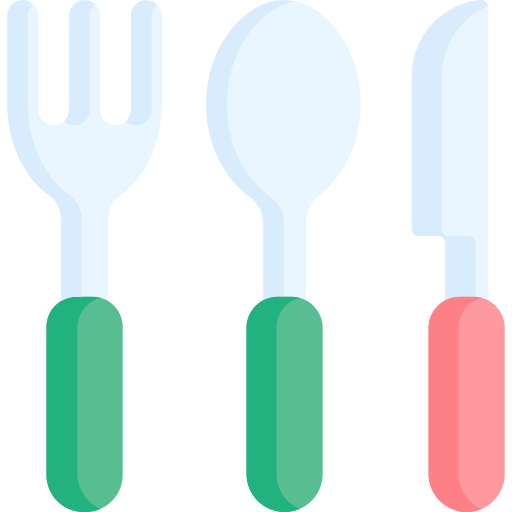
Le posate comprendono forchetta, coltello e cucchiaio.
The cutlery includes fork, knife, and spoon.
Cameriere, può portarmi il conto, per favore?
Waiter, can you bring me the bill, please?
Potrebbe spiegarmi gli ingredienti di questo piatto, per favore?
Could you explain the ingredients of this dish to me, please?
*Verbi irregolari nel congiuntivo II.*
You’ve already mastered the most common irregular verbs in the present subjunctive, so now it’s time to take it to the next level. In this lesson, we will explore *more irregular verbs that appear frequently in everyday Italian.*
Let's take a look at the conjugation of modal verbs and some additional irregular ones.
"DOVERE - debba, debba, debba, dobbiamo, dobbiate, debbano"
"POTERE - possa, possa, possa, possiamo, possiate, possano"
"VOLERE - voglia, voglia, voglia, vogliamo, vogliate, vogliano"
"SAPERE - sappia, sappia, sappia, sappiamo, sappiate, sappiano"
"STARE - stia, stia, stia, stiamo, stiate, stiano"
"TENERE - tenga, tenga, tenga, teniamo, teniate, tengano"
"DIRE - dica, dica, dica, diciamo, diciate, dicano"
che io debba, debba, debba, dobbiamo, dobbiate, debbano
to have to (congiuntivo presente)

È importante che io debba finire il lavoro oggi.
It’s important that I must finish the work today.

che io possa, possa, possa, possiamo, possiate, possano
can (congiuntivo presente)

Spero che tu possa venire alla festa.
I hope that you can come to the party.

che io voglia, voglia, voglia, vogliamo, vogliate, vogliano
to want (congiuntivo presente)

che io sappia, sappia, sappia, sappiamo, sappiate, sappiano
to know (congiuntivo presente)

È necessario che noi sappiamo la verità.
It’s necessary that we know the truth.

che io stia, stia, stia, stiamo, stiate, stiano
to be (in a place), to stay (congiuntivo presente)
Spero che Giulia stia bene oggi.
I hope that Giulia is well today.
che io tenga, tenga, tenga, teniamo, teniate, tengano
to hold (congiuntivo presente)

È importante che tu tenga il segreto.
It’s important that you keep the secret.
che io dica, dica, dica, diciamo, diciate, dicano
to say (congiuntivo presente)

Voglio che Marco dica la verità.
I want Marco to tell the truth.
*L’ambiente*
In this lesson, we’ll dive into essential vocabulary related to *the environment*, making it easier for you to discuss important topics like climate change and sustainability.
"Le energie possono essere suddivise in energie rinnovabili e non rinnovabili."
"Esempi di energie rinnovabili: energia eolica, geotermica, idroelettrica e solare."
And, remember:
"Abbiamo solo una Terra, non possiamo permetterci di distruggerla."

rinnovabile
renewable
L’energia solare è una fonte di energia rinnovabile.
la fonte
the source
Quali possono essere fonti di elettricità?
Le energie possono essere suddivise in energie rinnovabili e non rinnovabili.
Energy can be divided into renewable and non-renewable energy.
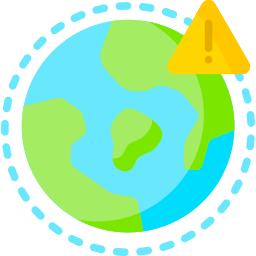
la capa de ozono
the ozone layer
La capa de ozono è sempre più piccola.
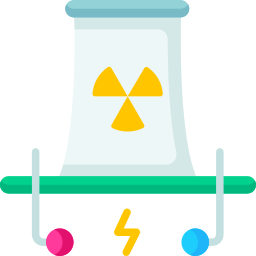
L’energia nucleare produce molta elettricità.
Nuclear energy produces a lot of electricity.

il pannello solare
the solar panel
I miei genitori hanno installato un pannello solare sul tetto.

l’ambiente
the environment
Entro il 2030, avremo migliorato la qualità dell’ambiente.

l'energia eolica
the wind energy
In Austria producono molta energia eolica.
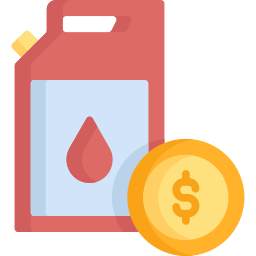
Quanto costa 1 litro di benzina?
How much does 1 liter of gas cost?

Il gas è una fonte di energia non rinnovabile.
Gas is a non-renewable energy source.
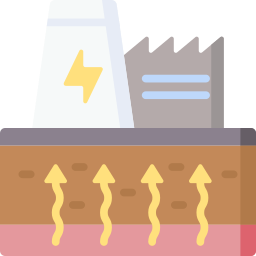
l'energia geotermica
the geothermal energy
Nel nostro paese non si usa l'energia geotermica.

la biomassa
the biomass
Voglio leggere qualcosa sulla biomassa.
efficiente
efficient
Tecnologie più efficienti ci aiuteranno a conservare le risorse naturali.
*Espressioni del congiuntivo - subjuntive expressions*
Here are some expressions that typically trigger the use of the congiuntivo. Take a look at them.
Si dice che…
It is said that...
Si dice l’Italia sia il più bel Paese al mondo.
Si dice che l’Italia sia il più bel paese del mondo.
It is said that Italy is the most beautiful country in the world.
Bisogna che…
It is essential that...
Bisogna che tu studi di più per superare l'esame.

Bisogna che tu studi di più.
You need to study more.

Vale la pena che…
It is worth that...
Vale la pena che tu vada a quel concerto.

È necessario che…
It is necessary that...
È necessario che Maria finisca il rapporto entro domani.

Spero che…
I hope that...
Spero che domani non piova.
Spero che domani non piova.
I hope it doesn’t rain tomorrow.

Temo che...
I’m afraid that...
Temiamo che il viaggio venga annullato a causa del maltempo.

vada come vada...
whatever happens, happens...
Vada come vada, affronterò la situazione.

chiunque
whoever
Chiunque venga, è il benvenuto.

affinché
so that / in order (that)
Studia affinché tu possa superare l'esame.
sebbene
even though
Sebbene sia difficile, dobbiamo provarci.

Sebbene sia difficile, dobbiamo provarci.
Although it is difficult, we must try.
prima che
before (that)
Devo finire il progetto prima che scada il termine.
Chiudi la porta prima che arrivi il gatto.
Close the door before the cat arrives.

nel caso che
in case that
Nel caso che tu abbia bisogno di aiuto, chiamami.
*Trapassato prossimo*
The "trapassato prossimo" is a *past perfect tense* used to describe an *action that occurred before another past event*. For instance, if you want to say 'I had eaten before going out', you'd use the trapassato prossimo.
To form the trapassato prossimo, you'll need the "imperfetto" of the auxiliary verbs "essere" or "avere", + *past participle* of the main verb.
"Marco era stanco perché aveva studiato fino a tardi la notte prima."
(Marco was tired because he had studied until late the night before.)
"Gli amici erano venuti, ma non li avevo visti perché quando sono arrivata erano già ripartiti." (The friends had come, but I had not seen them because when I arrived they had already left.)

aveva studiato
he had studied
Marco aveva studiato tutta la notte per l’esame!
Io ero arrivato in ritardo.
I had arrived late.

avevi mangiato
you had eaten
Avevi mangiato tutta la pizza!

amici erano venuti
friends had come
Gli amici erano venuti a sorpresa a casa mia!

donne erano uscite
women had gone out
Le donne erano uscite insieme per una passeggiata nel parco.
Tu avevi visto il film?
Had you seen the movie?
avevo scritto una lettera
I had written a letter
Io avevo scritto una lettera e l’avevo già spedita.

era andata
she had gone
Lei era andata al supermercato.

Dopo che avevamo letto il libro, ne abbiamo parlato.
After we had read the book, we talked about it.
Appena Lucia era partita, ha cominciato a piovere.
As soon as Lucia had left, it started raining.
l’arrivo
the arrival
Marco era già arrivato quando sono arrivato io.
essere arrivato
to had arrived
Luigi era già arrivato all’aeroporto.
Luigi era già arrivato all’aeroporto.
Luigi had already arrived at the airport.
*Italy - a cradle of European civilization*
Italy holds a vital place in European and world history. Have you ever come across terms like "Rinascimento" or "Impero romano"? To enhance your conversations and deepen understanding, let’s explore some of the *remarkable historical and cultural moments* that shaped Italy into what it is today.
For example, you can describe:
-"l’Umanesimo" as "un movimento culturale" ("Nel Quattrocento, l'Umanesimo ha influenzato molti artisti e pensatori.")
-"il Rinascimento" as "un periodo storico" ("Nel 1500, molti artisti hanno vissuto durante il Rinascimento.")
-and "fascismo" as "il movimento politico d'estrema destra". ("Durante il fascismo, molti diritti furono limitati.")
Let’s uncover the rich tapestry of Italy’s past together!
L’imperatore ha governato con saggezza.
The emperor ruled wisely.

le Crociate
the Crusades
Le Crociate hanno avuto un impatto significativo sulla storia europea.

La moda italiana è famosa in tutto il mondo.
Italian fashion is famous all over the world.
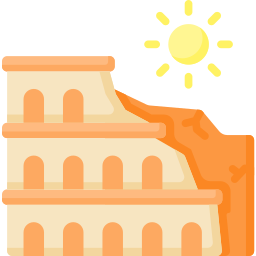
Il Colosseo è un esempio straordinario di architettura romana.
The Colosseum is an extraordinary example of Roman architecture.

Lo Stato Pontificio
the Papal States
Lo Stato Pontificio è stato un importante centro di potere religioso.
il sonetto
the sonnet
Domani, scriverò un sonetto per la mia musa.
la musa
the muse
Quando era giovane, la poesia era la sua musa.
Il Risorgimento
the Unification of Italy
Il Risorgimento ha portato all'unità d'Italia.

il navigatore
the navigator
Domani, il navigatore esplorerà una nuova rotta.
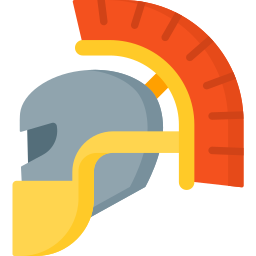
il gladiatore
the gladiator
Nel Colosseo, i gladiatori si sfidavano in duelli.

filosofare
to philosophize
Amo filosofare su questioni esistenziali.

l'Impero romano
the Roman Empire
Nel I secolo, l'Impero romano si espandeva in tutto il Mediterraneo.

una scultura in bronzo
a bronze sculpture
Ieri, ho visitato un museo con una scultura in bronzo meravigliosa.

la Chiesa
the Christian Church
La Chiesa gioca un ruolo importante nella vita di molte persone.
la religione
the
religion
*Introduction to Passato remoto*
In this lesson, we'll dive into the passato remoto, a verb tense that tells us about *actions completed in the distant past.* While you might not hear it often in everyday conversation, knowing this tense is essential for understanding stories and historical texts.
Let’s try to identify the forms of the "passato remoto" used in each sentence.
"C'era una volta un grande impero che dominava gran parte dell'Europa."
"Nel 1492, Cristoforo Colombo scoprì nuove terre e cambiò il corso della storia."
"La regina Isabella fu molto contenta del suo successo e lo premiò con titoli nobiliari."
"Da quel giorno, Colombo divenne un simbolo di avventura e scoperta."
"Scoprì" - "scoprire" - he discovered
"Cambiò" - "cambiare" – he changed
"Fu" - "essere" – she was
"Premiò" - "premiare" – she awarded
"Divenne" - "diventare" – he became

io ebbi
I had (passato remoto)
Io ebbi un sogno strano.

noi avemmo
we had (passato remoto)
Noi avemmo molte avventure durante il viaggio.

tu fosti
you were (passato remoto)
Tu fosti un grande leader nella tua comunità.

l’impero
empire
L'impero ottomano si estendeva su tre continenti.

io fui
I was (passato remoto)
Io fui molto felice quel giorno.

loro divennero
they became (passato remoto)
Loro divennero i protagonisti della storia.

tu premiasti
you rewarded (passato remoto)
Tu premiasti il tuo amico con un premio per il suo successo.

i titoli nobiliari
the noble titles
Il re diede titoli nobiliari ai suoi amici.

lui/lei cambiò
he/she changed (passato remoto)
Nel 1789, la Rivoluzione Francese cambiò radicalmente la società europea.

lui/lei scoprì
he/she discovered (passato remoto)
Cristoforo Colombo scoprì l'America nel 1492.
voi cambiaste
you changed (passato remoto)
Voi cambiaste il corso della storia con le vostre decisioni.
loro furono
they were (passato remoto)
Dopo la battaglia di Waterloo, loro furono accolti come eroi dai loro compatrioti.

Albert Einstein fu un uomo di grande saggezza.
Albert Einstein was a man of great wisdom.

Marta si sposò nel 1971.
Marta got married in 1971.
Cenerentola trovò la scarpetta e sposò il principe.
Cinderella found the slipper and married the prince.
*Dal dottore*
You've already learned the vocabulary of the human body, let’s now explore useful words and phrases you can use during a *visit to the doctor*, including different types of specialists like:
"il chirurgo" - "la chirurgia"
"il neurologo" - "la neurologia"
"il pediatra" - "la pediatria"
"il cardiologo" - "la cardiologia"
"il ginecologo" - "la ginecologia"
"lo psichiatra" - "la psichiatria"
Può prescrivermi un antidolorifico?
Can you prescribe me some painkillers?
Ho la febbre.
I have a fever.

Ho avuto una reazione allergica.
I had an allergic reaction.
Ho bisogno di un appuntamento.
I need an appointment.
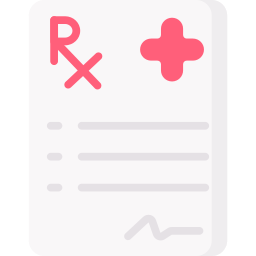
la ricetta
the prescription
Ho portato la ricetta in farmacia.
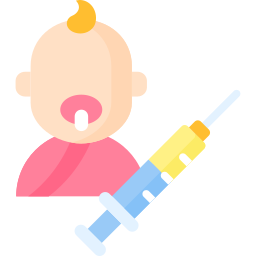
la vaccinazione
the vaccination
La vaccinazione contro l’influenza è importante.
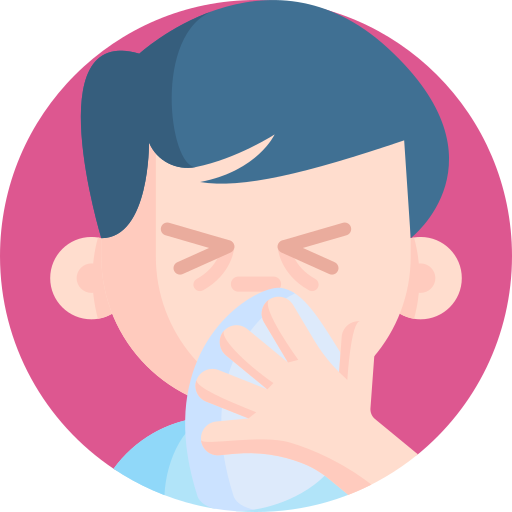
L’influenza dura di solito una settimana.
The flu usually lasts about a week.

avere nausea
to have nausea
Dopo aver mangiato troppo, ho avuto nausea.

la varicella
the chickenpox
Mia sorella ha preso la varicella da bambina.
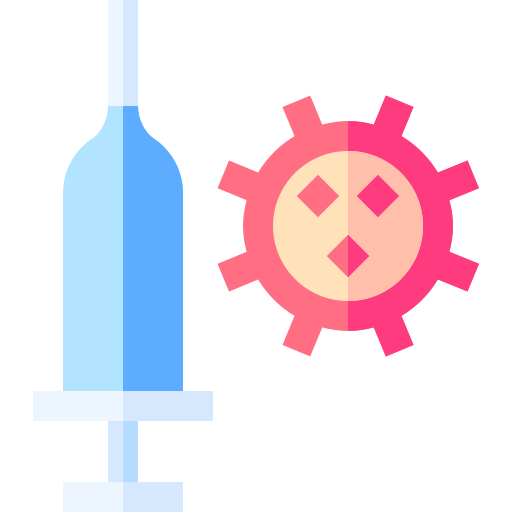
la malattia
the illness
La mia amica ha avuto una malattia grave, ma ora si è ripresa.
il sintomo
the symptom
I sintomi dell'influenza includono febbre, tosse e mal di testa.
l’antidolorifico
the painkiller
Io prendo l'antidolorifico perché ho mal di schiena.

l'insonnia
the insomnia
Da una settimana soffro di insonnia.

avere depressione
to have depression
Tu hai parlato della tua depressione con un professionista?
l'infarto
the heart attack
L’infarto è un’emergenza medica molto seria.
Quando ho il mal di gola, bevo molte tisane calde.
When I have a sore throat, I drink a lot of hot herbal teas.
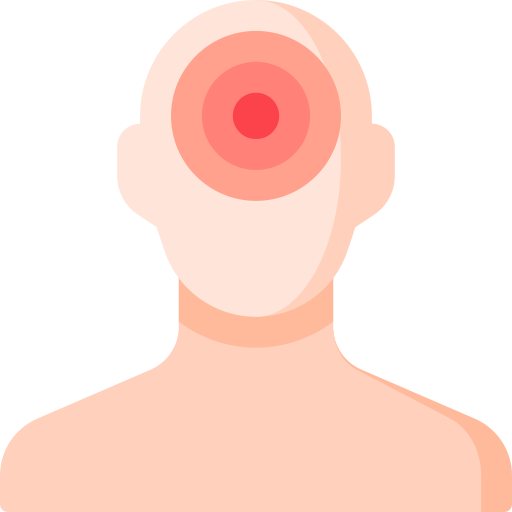
il mal di testa
the headache
Luigi ha preso un antidolorifico perché aveva un forte mal di testa.
il cancro
the cancer
La prevenzione aiuta a ridurre il rischio di cancro.
*Combining direct and indirect pronouns I.*
Direct object pronouns ("mi", "ti", "lo", "la", "ci", "vi", "li", "le") and indirect object pronouns ("mi", "ti", "gli", "le", "ci", "vi", "gli") are often used together in a sentence. We can also call it *double pronouns.* When used together, the *indirect object pronoun comes first*, followed immediately by the *direct object pronoun*.
Be careful, *some of the pronouns change their form!*
"Mi dai il libro? Sì, te lo do." (Do you give me the book? Yes, I give it to you.)
"Ci porti le chiavi? Sì, ve le porto." (Will you bring us the keys? Yes, I bring them to you.)
*In negative sentences, pronouns come before the verb.*
"Non mi dai il libro? No, non te lo do." (Won't you give me the book? No, I won't give it to you.)
With *the imperative, double pronouns go after the verb* and are attached to it.
"Diglielo!" (Tell him/her about it!)

Me lo dai?
Will you give it to me?

te lo porto
I’ll bring it to you
Domani te lo porto a scuola.
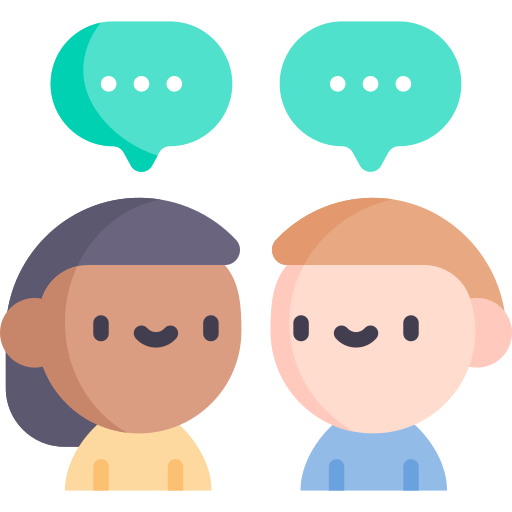
glielo dico
I’ll tell it to him
Non ti preoccupare, glielo dico io.

Ce lo spiega.
He/She explains it to us.

Ve lo mando.
I’ll send it to you (pl.).
Più tardi ve lo mando per email.
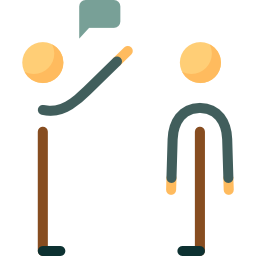
Ce l’hanno mostrato.
They showed it to us.
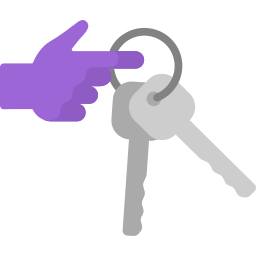
Ci porti le chiavi?
Can you bring us the keys?

Sì, ve le porto.
Yes, I’ll bring them to you.

Diglielo!
Tell him/her about it!
No, non te lo do.
No, I won't give it to you.

Portamelo!
Bring it to me!
Portamelo subito!

Non me lo dare!
Don’t give it to me!
Non me lo dare se non sei sicuro.
*Campione del traffico*
In this lesson, we will explore vocabulary related to roads, traffic, and road safety, turning you into a true *traffic champion*, ready to handle any situation on the road!
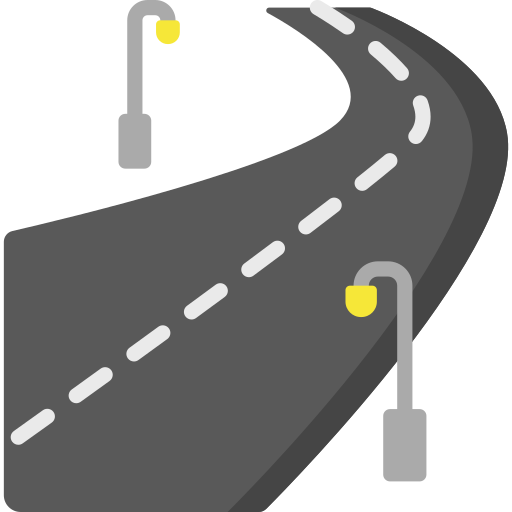
la strada
the street
Ieri, Luca ha guidato lungo la strada principale.
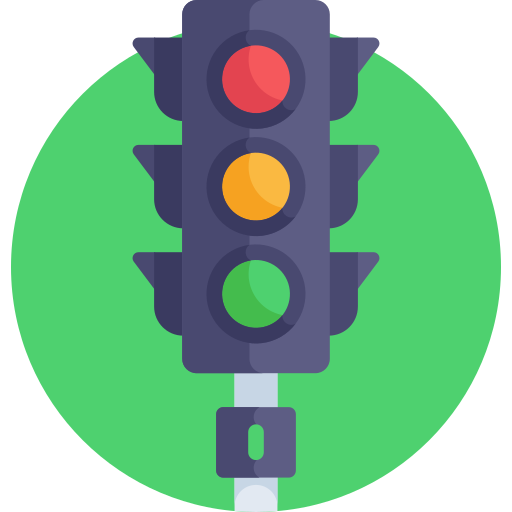
il semaforo
the traffic light
Ho dovuto fermarmi al semaforo rosso per cinque minuti.

il segnale stradale
the traffic sign
Il segnale stradale indica che dobbiamo svoltare a destra.
l'autostrada
the highway
L'autostrada collega le principali città del paese, facilitando i viaggi a lunga distanza.

i freni
the brakes
Ho dovuto premere i freni all'improvviso per evitare l'incidente.
trafficato
busy/with traffic
L’autostrada è sempre trafficata di mattina.
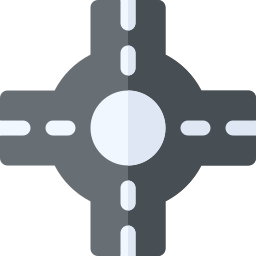
la rotonda
the roundabout
La rotonda è un incrocio circolare.
il limite di velocità
the speed limit
Su questa strada il limite di velocità è di 50 chilometri all'ora.
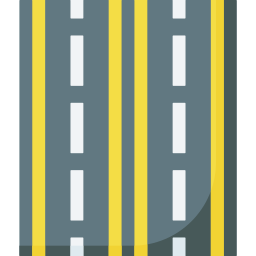
le corsie
the lanes
Devi cambiare corsia per uscire dall'autostrada.
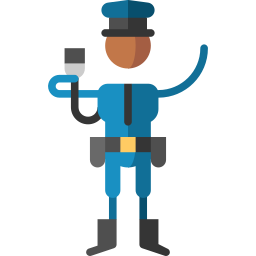
il vigile urbano
the traffic officer
Il vigile urbano ci ha fermati per un controllo dei documenti.
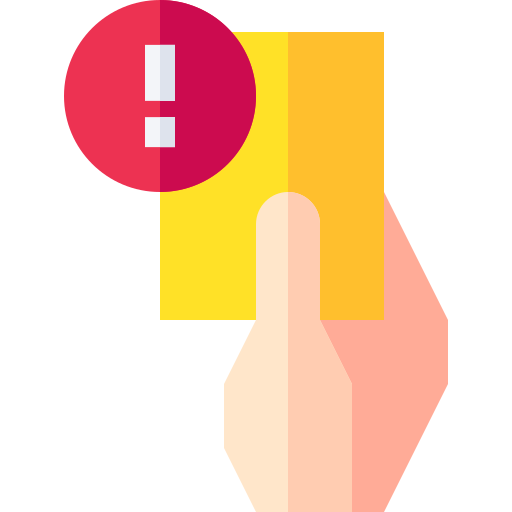
la multa
the fine
Ho ricevuto una multa per aver parcheggiato in divieto di sosta.
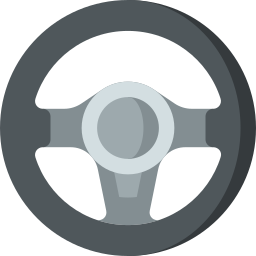
il volante
the steering wheel
Tieni sempre le mani sul volante mentre guidi.
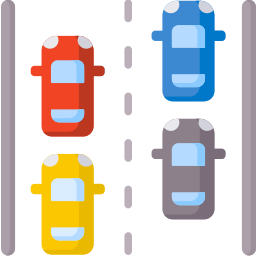
La strada principale era molto trafficata stamattina.
The main road was very busy this morning.

Fermati, il semaforo è rosso.
Stop, the traffic light is red.

Alla rotonda, prendi la seconda uscita verso il centro città.
At the roundabout, take the second exit toward the city center.
*Espressioni idiomatiche*
Welcome to our lesson on *Italian idiomatic expressions and colloquialisms!* These colorful phrases enrich your vocabulary and reflect cultural nuances, making your communication more natural and engaging. By learning these expressions, you will *enhance your conversational fluency and better understand spoken Italian* in everyday contexts.

Oggi ho un diavolo per capello.
Today I'm furious.
essere al verde
being broke
Non posso andare al cinema stasera, sono al verde.

Hai capito fischi per fiaschi!
You've got it all wrong!
Hai capito fischi per fiaschi: non volevo dire quello.

avere le mani in pasta
to be involved in something
Mario ha sempre le mani in pasta negli affari della città.
mettere il dito nella piaga
put your finger on the sore spot
Non mettere il dito nella piaga parlando del suo esame fallito.

Mio fratello ha le mani bucate.
My brother is a spendthrift.
Mio fratello ha le mani bucate, spende tutto subito.
prendere due piccioni con una fava
kill two birds with one stone
Oggi ho fatto la spesa e ho anche incontrato un amico che non vedevo da tempo. Ho preso due piccioni con una fava!
*Sciare in Italia: Vocabolario essenziale per le piste*
Italy is famous for its mountains, from the Alps to the Dolomites. If you’re coming here to ski, you’ll want to know the right words!

la pista da sci
the ski slope
La pista da sci rossa è molto affollata oggi.
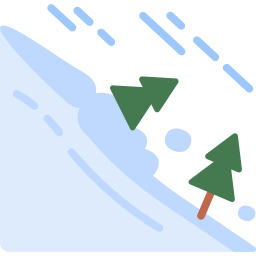
pista blu - rossa - nera
blue - red - black slope

la seggiovia
the chairlift
Prendiamo la seggiovia per salire in cima alla montagna.

Dove posso noleggiare uno snowboard?
Where can I rent a snowboard?
Quanto costa uno skipass per due giorni?
How much does a ski pass for two days cost?
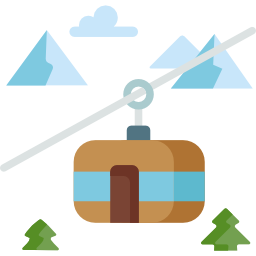
la funivia
the cable car
Abbiamo aspettato mezz’ora perché la funivia era ferma a causa del vento forte.
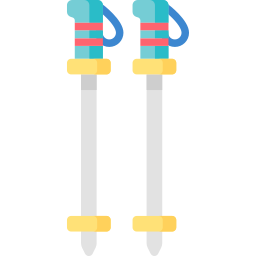
i bastoncini
ski poles
Non dimenticare i bastoncini prima di scendere in pista.

Mi serve un maestro di sci per una lezione.
I need a ski instructor for a lesson.

la valanga
the avalanche
Attenzione! C’è una valanga sulla montagna.

C’è pericolo di valanghe oggi?
Is there an avalanche risk today?
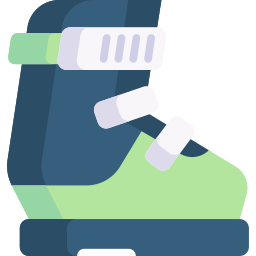
gli scarponi da sci
the ski boots
Vorrei noleggiare un paio di scarponi da sci, numero 43.
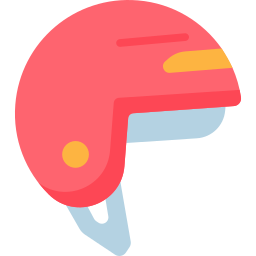
il casco
the helmet
È obbligatorio portare il casco per sciare in sicurezza.
la sciovia
the surface lift
I bambini usano la sciovia per salire sulla pista facile.
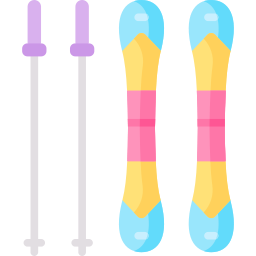
cerare gli sci
to wax the skis
Devo cera gli sci prima della gara.
Devo cerare gli sci ogni anno?
Do I need to wax the skis every year?