
Arabic Course for Beginners
Explanations and vocabulary practice

Sections: 20
- Welcome to the Arabic Course for Beginners!
- Introducing Yourself
- Detached Personal Pronouns
- Nominal Sentences
- Demonstratives: this/that
- Using Articles
- Talking about family
- Gender & Adjective Agreement
- Question Words
- Prepositions
- Attached Possessive Pronouns
- Present Tense
- Changing Sentences to Negative
- Let's learn numbers!
- Days and Time
- At the Restaurant
- Directions & Places
- Common Verbs for Daily Life
- Regular Plurals
- Politeness & Survival Phrases
Save words from this page and practise them with flashcards in DuoCards. How does it work?
!ًمَرْحَبًا In this course, you will learn the basics of Arabic and get comfortable with everyday phrases right away. These are the most common greetings and polite words you’ll hear from the very start. Let's get started!
Arabic uses many short nominal sentences. That means that it does not use the verb to be in the present tense. Instead, you simply put the pronoun next to the word.
هُوَ طَالِبٌ = He (is) a student.
Greetings like اَلسَّلَامُ عَلَيْكُمْ are very common, and a polite مِنْ فَضْلِكَ or لَوْ سَمَحْتَ means please.












When you meet someone in Arabic, you usually start with your name, where you are from, and a few simple details like your age, studies, or job. Let's learn how to introduce yourself and ask questions about the other person.











In Arabic, pronouns change depending on gender (male/female) and whether you are talking to one person or a group.
أنا = I
نحن = we
أنتَ = you (masculine)
أنتِ = you (feminine)
أنتم = you (plural)
هو = he
هي = she
هم = they (plural)
Let's practice!










Arabic often uses short sentences without the verb to be. These are called nominal sentences. That means that it does not use the verb to be in the present tense.
Instead, you put the pronoun next to the word. هُوَ طَالِبٌ = He (is) a student.
The verb to be is simply left out in the present tense. That’s why greetings like السَّلَامُ عَلَيْكُمْ (peace be upon you) are already full sentences even without a verb. Check out a few examples.







Arabic points to things with هَذَا - 'this' in masculine, and هَذِهِ - 'this' in feminine.
For far objects use ذَلِكَ - 'that', masculine, and تِلْكَ - 'that', feminine.
The important rule: the pointing word must match the gender of the noun.
هٰذَا كِتَابٌ = This is a book. (masculine word)
هٰذِهِ سَيَّارَةٌ = This is a car. (feminine word)











Arabic doesn’t have words for indefinite articles, which we know in English as a or an. If you say كِتَابٌ, it can mean a book. To say the definite article the, Arabic uses the prefix الـ. It attaches to the beginning of the noun:
الكِتَابُ = the book
You use الـ when talking about something specific or already known:
أَيْنَ الحَمَّامُ؟ = Where is the bathroom?









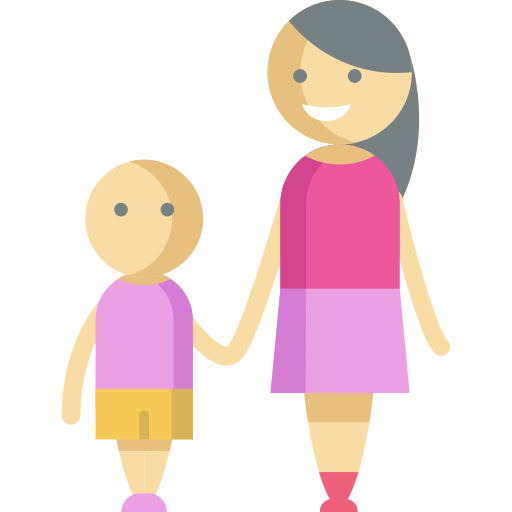
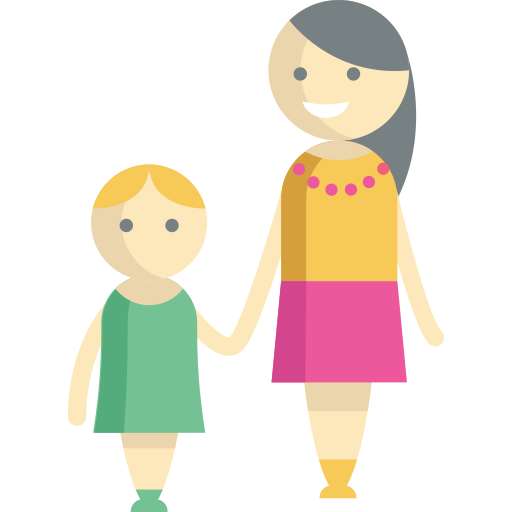
In Arabic, each family word has its own gender, so pay attention whether it’s masculine or feminine. You can combine them with personal pronouns to describe your family:
هُوَ أَخِي = He is my brother.
هِيَ أُخْتِي = She is my sister.
هَذِهِ أُمِّي = This is my mother.












In Arabic, most feminine nouns end with ة. For example: سَيَّارَة (a car) is feminine.
Adjectives in Arabic come after the noun and must match it in gender and definiteness (whether it has the or not).
بَيْتٌ كَبِيرٌ = a big house (masc., indefinite)
السَّيَّارَةُ الصَّغِيرَةُ = the small car (femin., definite)
Always check: if the noun is feminine/masculine, definite/indefinite, the adjective must follow the same pattern.











In Arabic, you can ask two kinds of questions.
1) Yes/No questions → start with هَلْ.
هَلْ هَذَا صَحِيحٌ؟ = Is this correct?
2) Open questions → use a question word.
مَا = what → مَا هَذَا؟ (What is this?)
مَنْ= who → مَنْ أَنْتَ؟ (Who are you?)
أَيْنَ = where → أَيْنَ الْمَكْتَبَةُ؟ (Where is the library?)
مَتَى = when → مَتَى الدَّرْسُ؟ (When is the lesson?)
كَيْفَ = how → كَيْفَ حَالُكِ؟ (How are you?)
كَمْ = how many/much → كَمِ الثَّمَنُ؟ (How much is the price?)













In Arabic, watch two points considering prepositions:
1. They always come before the noun.
2. They affect the noun that follows → in grammar, the noun after a preposition takes a special form (the genitive case). You don’t need all the details yet, but just notice the slight vowel change at the end.
With prepositions you can already build very useful sentences:
أَنَا مِن مِصر = I am from Egypt.
الكِتَابُ فِي الحَقِيبَةِ = The book is in the bag.
أَذْهَبُ إِلَى الجَامِعَةِ = I go to the university.
In Arabic, some prepositions do not appear as separate words. Instead, they are written as prefixes attached directly to the word that follows. To help you recognize them easily, we will mark these with the word prefix in brackets.











In Arabic, you don’t need a separate word like my or your. Instead, you attach a short ending (suffix) to the noun itself.
Here are the main ones:
ي = my
نا = our
كَ = your (masculine)
كِ =your (feminine)
كُم =your (plural)
ـهُ =his
ـهُ =her
ـهُم =their
Let's practice!











Present-tense verbs change with prefixes at the beginning of the word. The prefix shows who is doing the action:
أ = I → أَذْهَبُ = I go
ن = we → نَذْهَبُ = we go
ي = he→ يَذْهَبُ = he goes
ت = you (m.) / she → تَذْهَبُ = you go
Important note: she and you (masc.) use the same prefix ( ت). Context shows which one is meant. Notice how the verb stem (like ذْهَب = go) stays the same, but the prefix changes the subject. This is the basic pattern for many Arabic verbs.










In Arabic, there are two main ways to say not, depending on the type of sentence.
Nominal sentences (sentences without a verb 'to be' in the present) use لَيْسَ.
هُوَ لَيْسَ طَالِبًا = He is not a student.
Verbal sentences (with a present-tense verb) use لَا.
لَا أَفْهَمُ = I do not understand.
Remember: لَيْسَ goes with descriptions, while لَا goes with actions.











In this section, we are going to learn numbers from 0 to 10. When you want to say that you have something, use عندي = I have: عندي ثلاثة كتب.














Arabic names of the days come from historical traditions. Most weekdays are numbered:
- الاِثْنَيْنِ literally means the second (day),
- اَلثُّلَاثَاءُ = the third, etc.
Friday is special because it’s the day of communal prayer; Saturday and Sunday come from Semitic roots.
To ask the time, use كَمِ السَّاعَةُ؟ = What time is it?.
Notice: Arabic week often starts on Sunday in many countries, but in others Monday is counted as the start.


















Here are some key phrases to order politely.
Use أُرِيدُ... = I want ....
Ask price with كم السعر؟ or بِكَمْ؟. Say مِنْ فَضْلِكَ when asking for something, and ًشُكْرا for thank you.













Let's take a look on how to ask for different places and directions in Arabic.
For places, ask with أَيْنَ...؟.
Other words that will be useful for you: يَمِينٌ (right), يَسَارٌ (left), مُسْتَقِيمٌ (straight), قَرِيبٌ (near), بَعِيدٌ (far).











Many daily verbs in Arabic follow the same pattern in the present tense. As we said earlier in the course, they start with a prefix that shows who is doing the action. A little reminder:
أ = I
ن = we
ي = he
ت = you
Let's practice frequent verbs in simple present.











Nouns and adjectives change when we talk about more than one. There are two common regular patterns:
Masculine nouns → add ون / ين.
Example: مُهَنْدِس = engineer →''مُهَنْدِسُونَ''/ مُهَنْدِسِينَ = engineers
Feminine nouns → add ات.
Example: مُعَلِّمَة = teacher → مُعَلِّمَات = teachers
The adjective also changes to match the plural: مُهَنْدِسُونَ خَبِيرُونَ = experienced engineers.









Let's go through useful phrases that might come in handy in everyday situations.












Learning with DuoCards
What is DuoCards?
DuoCards is a language-learning app that helps you build vocabulary with flashcards. You can save words you want to learn and practise them over time.
How do I learn with this course?
Browse the explanations and vocabulary in each section. Select Card picker and choose the words you want to learn. Then create a free account to save your words and practise them.
How do I practise my words?
You'll see a flashcard with a word and a hidden translation. Guess what it means, then tap to check your answer. DuoCards repeats the words you find difficult.
Do I need an account, and is learning free?
You can browse this page without an account. A free account lets you save words and track your progress. The free plan has limits, and Premium offers additional features.