Arabic Course for BeginnersArabic words
by Mikajela
*Welcome to the Arabic Course for Beginners!*
"!ًمَرْحَبًا" In this course, you will learn the basics of Arabic and get comfortable with everyday phrases right away. These are the most common greetings and polite words you’ll hear from the very start. Let's get started!
Arabic uses many short *nominal sentences*. That means that it does not use the verb *to be* in the present tense. Instead, you simply put the pronoun next to the word.
"هُوَ طَالِبٌ" = He (is) a student.
Greetings like "اَلسَّلَامُ عَلَيْكُمْ" are very common, and a polite "مِنْ فَضْلِكَ" or "لَوْ سَمَحْتَ" means *please*.

مَرْحَبًا
Hello!
مَرْحَبًا!

أَهْلًا وَسَهْلًا
welcome / hi
أَهْلًا وَسَهْلًا بِكَ.

السَّلَامُ عَلَيْكُمْ
peace be upon you (hello)
السَّلَامُ عَلَيْكُمْ.

وَعَلَيْكُمُ السَّلَامُ
and peace be upon you (reply)
وَعَلَيْكُمُ السَّلَامُ.

مِنْ فَضْلِكَ
please (neutral) (m)
مِنْ فَضْلِكَ، لَحْظَةً.
مِنْ فَضْلِكِ
please (neutral) (f)
مِنْ فَضْلِكِ، لَحْظَةً.

لَوْ سَمَحْتَ
please / excuse me (m)
لَوْ سَمَحْتَ، أيْنَ الحَمَّامُ؟
لَوْ سَمَحْتِ
please / excuse me (f)
لَوْ سَمَحْتِ، أَيْنَ الحَمَّامُ؟

شُكْرًا
thank you
شُكْرًا جَزِيلًا.
عَفْوًا
you’re welcome / excuse me
عَفْوًا.

كَيْفَ حَالُكَ؟
How are you? (m)

كَيْفَ حَالُكِ؟
How are you? (f)

أَنَا بِخَيْرٍ، شُكْرًا.
I am fine, thank you.

اسْمِي عَلِيٌّ.
My name is Ali.

تَشَرَّفْتُ بِلِقَائِكَ.
Nice to meet you. (m)

تَشَرَّفْتُ بِلِقَائِكِ.
Nice to meet you. (f)
*Introducing Yourself*
When you meet someone in Arabic, you usually start with your name, where you are from, and a few simple details like your age, studies, or job. Let's learn how to introduce yourself and ask questions about the other person.

اسْمِي لَيْلَى.
My name is Leila.

مَا اسْمُكَ؟
What is your name? (m)
مَا اسْمُكَ؟ أَنَا أَحْمَد.

مَا اسْمُكِ؟
What is your name? (f)
مَا اسْمُكِ؟ أَنَا مَرْيَم.

أَنَا مِنْ...
I am from...
أَنَا مِنْ إِيطَالْيَا.

مِنْ أَيْنَ أَنْتَ؟
Where are you from? (m)
مِنْ أَيْنَ أَنْتَ؟ أَنَا مِنْ مِصْرَ.

مِنْ أَيْنَ أَنْتِ؟
Where are you from? (f)
مِنْ أَيْنَ أَنْتِ؟ أَنَا مِنْ فَرَنْسَا.

أَنَا طَالِب.
I am a student. (m)
أَنَا طَالِب فِي الجَامِعَةِ.

أَنَا طَالِبَة.
I am a student. (f)
أَنَا طَالِبَة فِي المَدْرَسَةِ.

أَسْكُنُ فِي ...
I live in...
أَسْكُنُ فِي القَاهِرَةِ.

أَسْكُنُ فِي القَاهِرَةِ.
I live in Cairo.
كَمْ عُمْرُكَ؟
How old are you? (m)

كَمْ عُمْرُكِ؟
How old are you? (f)
عُمْرِي ...
I’m... (literally: My age is...)
عُمْرِي عِشْرُونَ سَنَةً.

عُمْرِي عِشْرُونَ سَنَةً.
I am twenty years old.
*Detached Personal Pronouns*
In Arabic, pronouns change *depending on gender* (male/female) and whether you are talking to *one person or a group.*
"أنا" = I
"نحن" = we
"أنتَ" = you (masculine)
"أنتِ" = you (feminine)
"أنتم" = you (plural)
"هو" = he
"هي" = she
"هم" = they (plural)
Let's practice!

أَنَا
I
أَنَا طَالِبٌ.

نَحْنُ
we
نَحْنُ أَصْدِقَاءُ.

أَنْتَ
you (m.)
أَنْتَ صَدِيقِي.

أنتِ
you (f)
أَنْتِ صَدِيقَتِي.

أَنْتُمْ
you (pl.)
أَنْتُمْ طُلَّابٌ.

هُوَ
he
هُوَ طَبِيبٌ.

هِيَ
she
هِيَ مُعَلِّمَةٌ.

هُمْ
they (m.)
هُمْ فِي البَيْتِ.

مَنْ أَنْتَ؟
Who are you? (m.)

مَنْ أَنْتِ؟
Who are you? (f.)

نَحْنُ مِنْ مِصْرَ.
We are from Egypt.

هِيَ طَالِبَةٌ.
She is a student.
*Nominal Sentences*
Arabic often uses short sentences *without the verb to be.* These are called *nominal sentences.* That means that it does not use the verb *to be* in the present tense.
Instead, you put the pronoun next to the word. "هُوَ طَالِبٌ" = He (is) a student.
The verb *to be* is simply left out in the present tense. That’s why greetings like "السَّلَامُ عَلَيْكُمْ" (peace be upon you) are already full sentences even without a verb. Check out a few examples.

هُوَ عَلِيٌّ.
He is Ali.

هِيَ لَيْلَى.
She is Layla.

أَنْتَ صَدِيقِي.
You are my friend. (m)

أَنْتِ أُخْتِي.
You are my sister.

هُوَ طَالِبٌ.
He is a student. (m)

أَصْدِقَاءُ
friends

نَحْنُ أَصْدِقَاء.
We are friends.
*Demonstratives: this/that*
Arabic points to things with "هَذَا" - 'this' in masculine, and "هَذِهِ" - 'this' in feminine.
For far objects use "ذَلِكَ" - 'that', masculine, and "تِلْكَ" - 'that', feminine.
The important rule: *the pointing word must match the gender of the noun. *
"هٰذَا كِتَابٌ" = This is a book. (masculine word)
"هٰذِهِ سَيَّارَةٌ" = This is a car. (feminine word)"

هَذَا
this
هَذَا كِتَابٌ.
هَذِهِ
this (f)
هَذِهِ سَيَّارَةٌ.

ذَلِكَ
that (m)
ذَلِكَ بَيْتٌ.

تِلْكَ
that (f)
تِلْكَ شَجَرَةٌ

كِتَاب
book
هَذَا كِتَابٌ جَدِيدٌ.

قَلَم
pen
هَذَا قَلَمٌ.

بَيْت
house
ذَلِكَ بَيْتٌ كَبِيرٌ.

سَيَّارَة
car
هَذِهِ سَيَّارَةٌ صَغِيرَةٌ.

مَا هَذَا؟
What is this?

مَا ذَلِكَ؟
What is that?

هَذِهِ غُرْفَةٌ.
This is a room.
ذَلِكَ بَابٌ.
That is a door.
*Using Articles*
Arabic doesn’t have words for indefinite articles, which we know in English as *a* or *an.* If you say "كِتَابٌ", it can mean *a book.* To say the definite article *the*, Arabic uses the prefix "الـ". It attaches to the beginning of the noun:
"الكِتَابُ" = the book
You use "الـ" when talking about something specific or already known:
"أَيْنَ الحَمَّامُ؟" = Where is the bathroom?"

الْكِتَاب
the book
الْكِتَابُ عَلَى الطَّاوِلَةِ.

الْبَيْت
the house
الْبَيْتُ جَدِيدٌ.

الْمَطْعَم
the restaurant
الْمَطْعَمُ قَرِيبٌ.

الْجَامِعَة
the university
الْجَامِعَةُ كَبِيرَةٌ.
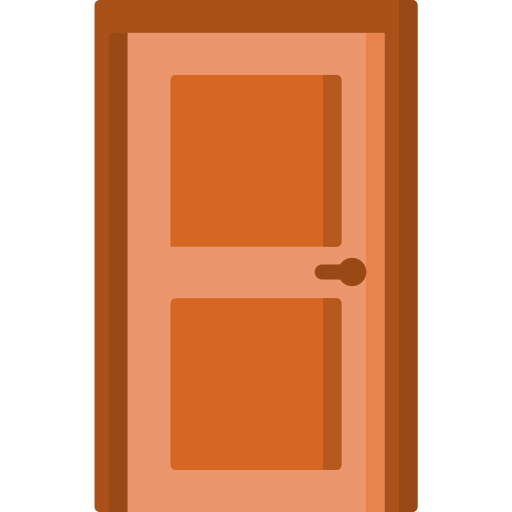
بَاب
a door / door
بَابٌ مَفْتُوحٌ.
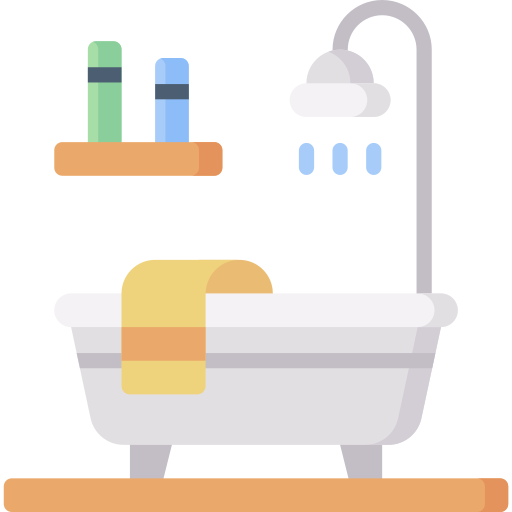
حَمَّام
bathroom
أين الحمام؟
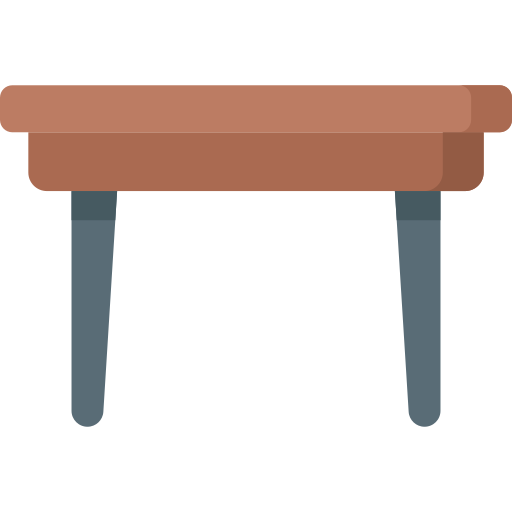
مَكْتَب
office / desk
هَذَا مَكْتَبٌ.

طَاوِلَة
table
الطَّاوِلَةُ نَظِيفَةٌ.

أَيْنَ الْمَطْعَمُ؟
Where is the restaurant?

الْكِتَابُ هُنَا.
The book is here.
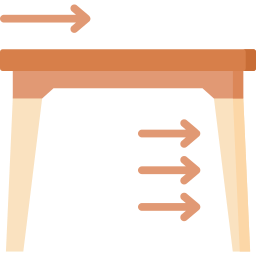
هَذِهِ الطَّاوِلَةُ كَبِيرَةٌ.
This table is big.

الْبَيْتُ بَعِيدٌ.
The house is far.
*Talking about family*
In Arabic, each family word has its own gender, so pay attention whether it’s masculine or feminine. You can combine them with personal pronouns to describe your family:
"هُوَ أَخِي" = He is my brother.
"هِيَ أُخْتِي" = She is my sister.
"هَذِهِ أُمِّي" = This is my mother.

أب
dad
أَبِي مُعَلِّمٌ.

أُمّ
mother
هَذِهِ أُمِّي.

أَخ
brother
هُوَ أَخِي

أُخْت
sister
هِيَ أُخْتِي.
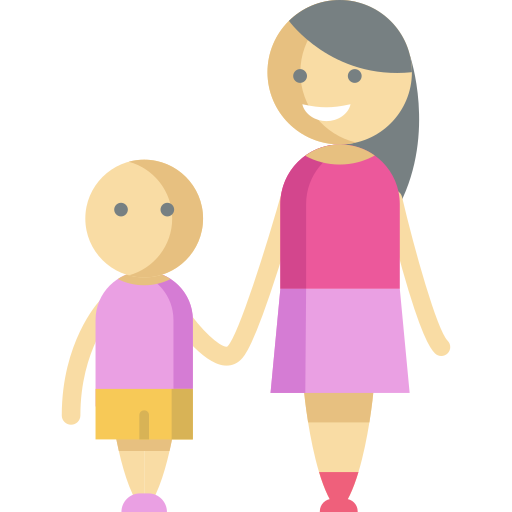
ابْنٌ
son
هُوَ ابْنِي.
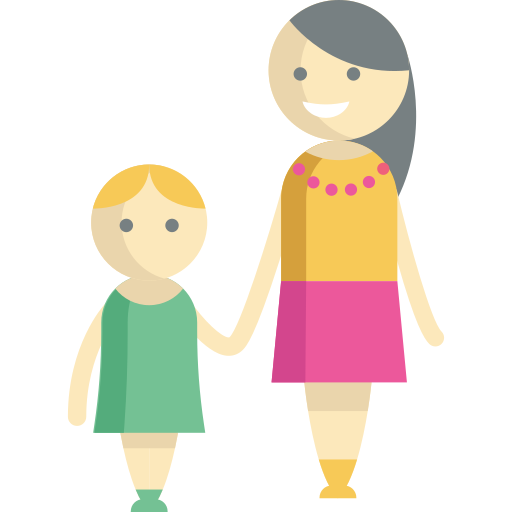
ابْنَة
daughter
هَذِهِ ابْنَتِي.

جَدّ
grandfather
جَدِّي كَبِيرٌ.

جَدَّة
grandmother
هَذِهِ جَدَّتِي.

زَوْج
husband
هُوَ زَوْجِي.

زَوْجَة
wife
هِيَ زَوجَتي.

طِفْل
child (m)
الطِّفْلُ صَغِيرٌ.

طِفْلَة
child (f)
الطِّفْلَةُ جَمِيلَةٌ.

هِيَ أُخْتِي.
She is my sister.

هُوَ أَخِي.
He is my brother.

هَذِهِ بِنْتِي.
This is my daughter.
*Gender & Adjective Agreement*
In Arabic, most feminine nouns end with "ة". For example: "سَيَّارَة" (a car) is feminine.
Adjectives in Arabic come after the noun and *must match it in gender and definiteness* (whether it has *the* or not).
"بَيْتٌ كَبِيرٌ" = a big house (masc., indefinite)
"السَّيَّارَةُ الصَّغِيرَةُ" = the small car (femin., definite)
Always check: if the noun is feminine/masculine, definite/indefinite, *the adjective must follow the same pattern.*

كَبِير
big (m)
بَيْتٌ كَبِيرٌ
صَغِير
small (m)
غُرْفَةٌ صَغِيرَةٌ

جَمِيل
beautiful (m)
المَدِينَةُ الجَمِيلَةُ

طَوِيل
tall/long (m)
رَجُلٌ طَوِيلٌ

جَدِيد
new (m)
كِتَابٌ جَدِيدٌ

قَدِيم
old (m)
مَكْتَبَةٌ قَدِيمَةٌ

قَصِير
short (m)
طَرِيقٌ قَصِيرٌ

سَهْل
easy (m)
دَرْسٌ سَهْلٌ

السَّيَّارَةُ الجَدِيدَةُ
the new car

المَدِينَةُ الجَمِيلَةُ
the beautiful city

دَرْسٌ سَهْلٌ
an easy lesson

طَرِيقٌ قَصِيرٌ
a short road
*Question Words*
In Arabic, you can ask two kinds of questions.
1) *Yes/No questions* → start with "هَلْ."
"هَلْ هَذَا صَحِيحٌ؟" = Is this correct?
2) *Open questions* → use a question word.
"مَا" = what → "مَا هَذَا؟" (What is this?)
"مَنْ"= who → "مَنْ أَنْتَ؟" (Who are you?)
"أَيْنَ" = where → "أَيْنَ الْمَكْتَبَةُ؟" (Where is the library?)
"مَتَى" = when → "مَتَى الدَّرْسُ؟" (When is the lesson?)
"كَيْفَ" = how → "كَيْفَ حَالُكِ؟" (How are you?)
"كَمْ" = how many/much → "كَمِ الثَّمَنُ؟" (How much is the price?)

هَل
(question particle for yes or no)
هَلْ أَنْتَ جَاهِزٌ؟

مَا
what
مَا اِسْمُكَ؟

مَن
who
مَنْ هَذَا؟

أَيْنَ
where
أَيْنَ البَيْتُ؟

مَتَى
when
مَتَى الدَّرْسُ؟
كَيْفَ
how
كَيْفَ الحَالُ؟

كَم
How much? How many?
كَمِ السِّعْرُ؟

لِمَاذَا
why
لِمَاذَا هُنَا؟

هَلْ هَذَا كِتَابُكَ؟
Is this your book?

أَيْنَ المَطْعَمُ القَرِيبُ؟
Where is the nearby restaurant?

كَمِ الثَّمَنُ؟
How much is the price?

كَيْفَ أَذْهَبُ هُنَاكَ؟
How do I go there?
هَلْ هَذَا صَحِيحٌ؟
Is this correct?
*Prepositions*
In Arabic, watch two points considering prepositions:
1. *They always come before the noun.*
2. *They affect the noun that follows* → in grammar, *the noun after a preposition takes a special form (the genitive case).* You don’t need all the details yet, but just notice the slight vowel change at the end.
With prepositions you can already build very useful sentences:
"أَنَا مِن مِصر" = I am from Egypt.
"الكِتَابُ فِي الحَقِيبَةِ" = The book is in the bag.
"أَذْهَبُ إِلَى الجَامِعَةِ" = I go to the university.
In Arabic, some prepositions do not appear as separate words. Instead, they are written as *prefixes attached directly to the word that follows.* To help you recognize them easily, we will mark these with the word *prefix* in brackets.

مِن
from
أَنَا مِنَ المَغْرِبِ.
إِلَى
to
أَذْهَبُ إِلَى المَدْرَسَةِ.

فِي
in
القَلَمُ فِي الحَقِيبَةِ.

عَن
about
هُوَ يَتَكَلَّمُ عَنِ الدَّرْسِ.

عَلَى
on
الكِتَابُ عَلَى الطَّاوِلَةِ.

بِ
with/by (prefix)
أَكْتُبُ بِالقَلَمِ.

مَعَ
with
أَنَا مَعَ صَدِيقِي.

لَ
for (prefix)
هَذَا لَكَ.

أَنَا فِي البَيْتِ.
I am at home.

أَذْهَبُ إِلَى العَمَلِ.
I go to work.

الطَّعَامُ عَلَى الطَّاوِلَةِ.
The food is on the table.

أَنَا مَعَ الأُسْرَةِ. لا
I am with the family.
أَنَا مِنْ مِصْرَ.
I am from Egypt.

أَذْهَبُ إِلَى الجَامِعَةِ
I go to the university.
*Attached Possessive Pronouns*
In Arabic, you don’t need a separate word like *my* or *your.* Instead, you attach a short ending (suffix) to the noun itself.
Here are the main ones:
"ي" = my
"نا" = our
"كَ" = your (masculine)
"كِ" =your (feminine)
"كُم" =your (plural)
"ـهُ" =his
"ـهُ" =her
"ـهُم" =their
Let's practice!

اسْمِي
my name

بَيْتُنَا
our house
بَيْتُنَا صَغِيرٌ.

اسْمُكَ
your name (m.)
مَا اسْمُكَ؟
اسْمُكِ
your name (f.)
مَا اسْمُكِ؟

سَيَّارَتُكُمْ
your car (pl.)
سَيَّارَتُكُمْ جَمِيلَةٌ.

كِتَابُهُ
his book
هَذَا كِتَابُهُ.

كِتَابُهَا
her book
كِتَابُهَا جَدِيدٌ.

بَيْتُهُمْ
their house
أَيْنَ بَيْتُهُمْ؟

بَيْتِي كَبِيرٌ.
My house is big.

كِتَابُكَ جَدِيدٌ.
Your book is new. (m.)

هَاتِفُهَا جَدِيدٌ.
Her phone is new.

بَيْتُهُمْ كَبِيرٌ.
Their house is big.
*Present Tense*
Present-tense verbs change with prefixes at the beginning of the word. The prefix shows * who is doing the action:*
"أ" = I → "أَذْهَبُ" = I go
"ن" = we → "نَذْهَبُ" = we go
"ي" = he→ "يَذْهَبُ" = he goes
"ت" = you (m.) / she → "تَذْهَبُ" = you go
Important note: *she* and *you* (masc.) use the *same prefix* ("ت"). Context shows which one is meant. Notice how the verb stem (like "ذْهَب" = go) stays the same, but the prefix changes the subject. This is the basic pattern for many Arabic verbs."
أَذْهَبُ
I go
نَذْهَبُ
we go
نَذْهَبُ غَدًا.

يَذْهَبُ
he goes
هُوَ يَذْهَبُ الآنَ.

تَذْهَبُ
you go
إِلَى أَيْنَ تَذْهَبُ؟

أَعْمَلُ
I work
أَعْمَلُ فِي شَرِكَةٍ.

أُرِيدُ
I want
أُرِيدُ قَهْوَةً.

يَسْكُنُ
he lives
يَسْكُنُ قَرِيبًا.

تَعْمَلُ
you work
أَيْنَ تَعْمَلُ؟
أَتَكَلَّمُ العَرَبِيَّةَ قَلِيلًا.
I speak Arabic a little.
هَلْ تَفْهَمُ الإِنْجِلِيزِيَّةَ؟
Do you understand English?

نَقْرَأُ فِي المَكْتَبَةِ.
We read in the library.

هُوَ يَكْتُبُ رِسَالَةً.
He writes a letter.
*Changing Sentences to Negative*
In Arabic, there are two main ways to say *not*, depending on the type of sentence.
Nominal sentences (sentences without a verb 'to be' in the present) use "لَيْسَ."
"هُوَ لَيْسَ طَالِبًا" = He is not a student.
Verbal sentences (with a present-tense verb) use "لَا".
"لَا أَفْهَمُ" = I do not understand.
Remember: "لَيْسَ" goes with descriptions, while "لَا" goes with actions.

لَيْسَ
not (for nominal sentences)
البَيْتُ لَيْسَ كَبِيراً.

لا أَفْهَمُ
I don’t understand.
آسِفٌ، لا أَفْهَمُ.

لا أُرِيدُ
I don’t want
لا أُرِيدُ سُكَّراً.

لا أَتَكَلَّمُ
I don’t speak
لا أَتَكَلَّمُ جَيِّداً.

لا يُوجَدُ
there is not / there aren’t
لا يُوجَدُ خُبْزٌ.

مَمْنُوع
forbidden
التَّصْوِيرُ مَمْنُوعٌ.

خَطَأ
wrong / mistake
هَذَا خَطَأٌ.

صَحِيح
correct / true
هَذَا صَحِيحٌ.

هُوَ لَيْسَ طَبِيبًا.
He is not a doctor.
لا أَشْرَبُ الحَلِيبَ.
I do not drink milk.
لَيْسَ هُنَاكَ مَاءٌ.
There is no water.

هَذَا غَيْرُ مُمْكِنٍ.
This is not possible.
*Let's learn numbers!*
In this section, we are going to learn numbers from 0 to 10. When you want to say that you have something, use "عندي" = I have: "عندي ثلاثة كتب".

صِفْر
zero
النَّتِيجَةُ صِفْرٌ.

وَاحِد
one
قَلَمٌ وَاحِدٌ.

اثْنَان
two
كِتَابَانِ اثْنَانِ.

ثَلَاثَة
three
ثَلَاثَةُ طُلَّابٍ.

أَرْبَعَة
four
أَرْبَعَةُ كَرَاسِيٍّ.

خَمْسَة
five
خَمْسَةُ أَيَّامٍ.

سِتَّة
six
سِتَّةُ كُتُبٍ.
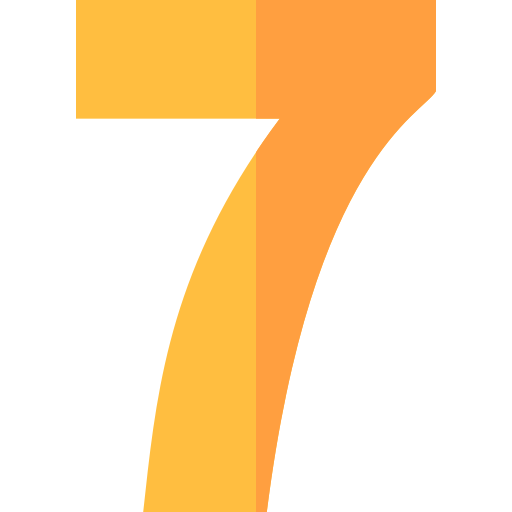
سَبْعَة
seven
سَبْعَةُ أَسْئِلَةٍ.

ثَمَانِيَة
eight
ثَمَانِيَةُ غُرَفٍ.

تِسْعَة
nine
تِسْعَةُ طُلَّابٍ.

عَشَرَة
ten
عَشَرَةُ كُتُبٍ.

عِنْدِي أَخٌ.
I have a brother.

عِنْدِي أَخَوَانِ.
I have two brothers.

عِنْدِي أُخْتَانِ.
I have two sisters.
*Days and Time*
Arabic names of the days come from historical traditions. Most weekdays are numbered:
- "الاِثْنَيْنِ" literally means *the second* (day),
- "اَلثُّلَاثَاءُ" = *the third*, etc.
Friday is special because it’s the day of communal prayer; Saturday and Sunday come from Semitic roots.
To ask the time, use "كَمِ السَّاعَةُ؟" = *What time is it?*.
Notice: Arabic week often starts on *Sunday* in many countries, but in others Monday is counted as the start.

اَلْيَوْم
today
اَلْيَوْمُ جَمِيلٌ.

غَدًا
tomorrow
أَرَاكَ غَدًا.

أَمْسِ
yesterday
أَمْسِ كَانَ مَشْغُولًا

كَمِ السَّاعَةُ؟
What time is it?
كَمِ السَّاعَةُ اَلآنَ؟

إِنَّهَا السَّاعَةُ الثَّانِيَةُ.
It is 2 o'clock.
اَلسَّاعَة
hour / o’clock
اَلسَّاعَةُ اَلثَّالِثَةُ.

صَبَاح
morning
صَبَاحُ اَلْخَيْرِ!

مَسَاء
evening
مَسَاءُ اَلْخَيْرِ!

اَلْأَحَد
Sunday
اَلْيَوْمُ الْأَحَدُ.

الاِثْنَيْن
Monday
اَلْيَوْمُ الاِثْنَيْنِ.

اَلثُّلَاثَاء
Tuesday
اَلْيَوْمُ الثُّلَاثَاءُ.

اَلْأَرْبِعَاء
Wednesday
اَلْيَوْمُ الْأَرْبِعَاءُ.

اَلْخَمِيس
Thursday
اَلْيَوْمُ الْخَمِيسُ.

اَلْجُمُعَة
Friday
اَلْجُمُعَةُ عُطْلَةٌ.

اَلسَّبْت
Saturday
اَلسَّبْتُ يَوْمُ رَاحَةٍ.

اَلْيَوْمُ اَلْأَحَدُ.
Today is Sunday.

نَلْتَقِي غَدًا.
We meet tomorrow.

أَعْمَلُ يَوْمَ اَلثُّلَاثَاءِ.
I work on Tuesday.
*At the Restaurant*
Here are some key phrases to order politely.
Use "أُرِيدُ..." = *I want ...*.
Ask price with "كم السعر؟" or "بِكَمْ؟". Say "مِنْ فَضْلِكَ" when asking for something, and "ًشُكْرا" for thank you.

مَطْعَم
restaurant
اَلْمَطْعَمُ قَرِيبٌ.

قَائِمَة
menu
قَائِمَةُ الطَّعَامِ مِن فَضْلِكَ.

مَاء
water
أُرِيدُ مَاءً.

قَهْوَة
coffee
قَهْوَةً مِنْ فَضْلِكَ.

شَاي
tea
شاي بدون سكر.

خُبْز
bread
خُبْزٌ طَازَجٌ.

حِسَاب
bill / check
اَلْحِسَابُ، مِنْ فَضْلِكَ.

لَذِيذ
delicious
اَلطَّعَامُ لَذِيذٌ.

قَهْوَةٌ وَاحِدَةٌ، مِنْ فَضْلِكَ.
One coffee, please.

هَلْ لَدَيْكُمْ سُكَّرٌ؟
Do you have sugar?

أُرِيدُ طَبَقاً نَبَاتِيّاً.
I want a vegetarian dish.

اَلْحِسَابُ، مِن فَضْلِكَ.
The bill, please.

شُكْراً عَلَى اَلْخِدْمَةِ.
Thank you for the service.
*Directions & Places*
Let's take a look on how to ask for different places and directions in Arabic.
For places, ask with "أَيْنَ...؟".
Other words that will be useful for you: "يَمِينٌ" (right), "يَسَارٌ" (left), "مُسْتَقِيمٌ" (straight), "قَرِيبٌ" (near), "بَعِيدٌ" (far)."

يَمِينيَمِين
right
انْعَطِفْ يَمِيناً.انْعَطِفْ يَمِيناً.

يَسَار
left
انْعَطِفْ يَسَاراً.

مُسْتَقِيم
straight
سِرْ بِالاِتِّجَاهِ اَلْمُسْتَقِيمِ.

قَرِيب
near
اَلْمَتْجَرُ قَرِيبٌ.

بَعِيد
far
اَلْبَيْتُ بَعِيدٌ.

شَارِع
street
هَذَا اَلشَّارِعُ وَاسِعٌ.

مَيْدَان
square
اَلْمَيْدَانُ كَبِيرٌ.

مُسْتَشْفى
hospital
أَيْنَ اَلْمُسْتَشْفَى؟

أَيْنَ مَحَطَّةُ اَلْقِطَارِ؟
Where is the train station?

اذْهَبْ يَمِينًا ثُمَّ يَسَارًا.
Go right then left.

اَلْمَتْحَفُ قَرِيبٌ مِنْ هُنَا.
The museum is near here.
أَنَا ضَائِعٌ. هَلْ يُمْكِنُكَ اَلْمُسَاعَدَةُ؟
I am lost. Can you help?
*Common Verbs for Daily Life*
Many daily verbs in Arabic follow the same pattern in the present tense. As we said earlier in the course, they start with a prefix that shows who is doing the action. A little reminder:
"أ" = I
"ن" = we
"ي" = he
"ت" = you
Let's practice frequent verbs in simple present.

أَعِيشُ
I live
أَعِيشُ فِي مَدِينَةٍ كَبِيرَةٍ.

أَسْكُنُ
I reside/live
أَسْكُنُ قُرْبَ اَلْجَامِعَةِ.

أَدْرُسُ
I study
أَدْرُسُ اَلْعَرَبِيَّةَ.

أَقْرَأُ
I read
أَقْرَأُ كِتَاباً.

أَكْتُبُ
I write
أَكْتُبُ بَرِيداً.

أُشَاهِدُ
I watch
أُشَاهِدُ فِيلْماً.
أَسْمَعُ
I hear/listen
أَسْمَعُ مُوسِيقَى.

أَشْتَرِي
I buy
أَشْتَرِي خُبْزًا.

أَذْهَبُ إِلَى اَلسُّوقِ.
I go to the market.

أَعُودُ إِلَى اَلْبَيْتِ مُتَأَخِّرًا.
I return home late.

نَطْبُخُ فِي اَلْمَسَاءِ.
We cook in the evening.

هُوَ يَعْمَلُ كُلَّ يَوْمٍ.
He works every day.
*Regular Plurals*
Nouns and adjectives change when we talk about more than one. There are two common regular patterns:
Masculine nouns → add "ون" /""ين".
Example: "مُهَنْدِس" = engineer →''مُهَنْدِسُونَ''/ ""مُهَنْدِسِينَ"" = engineers
Feminine nouns → add "ات".
Example: "مُعَلِّمَة" = teacher → "مُعَلِّمَات" = teachers
The adjective also changes to match the plural: "مُهَنْدِسُونَ خَبِيرُونَ" = experienced engineers.

مُعَلِّمَات
teachers (f)
مُعَلِّمَاتٌ جَيِّدَاتٌ.

مُهَنْدِسُون
engineers (m.)
مُهَنْدِسُونَ مَاهِرُونَ.

مُمَرِّضَات
nurses (f.)
مُمَرِّضَاتٌ لَطِيفَاتٌ.

مُسَافِرُونَ
travellers (m.)
مُسَافِرُونَ كَثِيرُونَ.

سَائِقَات
drivers (f.)
سَائِقَاتٌ سَرِيعَاتٌ.

لَدَيْنَا مُعَلِّمَانِ وَمُعَلِّمَتَانِ.
We have two male teachers and two female teachers.

المَهَنْدِسُونَ يَعْمَلُونَ كَثِيرًا.
The engineers work a lot.

المُمَرِّضَاتُ في المُسْتَشْفَى.
The nurses are in the hospital.

المُسَافِرُونَ فِي المَطَارِ.
The travellers are in the airport.
*Politeness & Survival Phrases*
Let's go through useful phrases that might come in handy in everyday situations.
آسِف
sorry
آسِفْ عَلَى ٱلتَّأْخِيرِ.

مِنْ فَضْلِكَ، كَرِّرْ.
please repeat
مِنْ فَضْلِكَ، كَرِّرِ ٱلْجُمْلَةَ.

بِبُطْءٍ، مِنْ فَضْلِكَ.
slowly, please
تَحَدَّثْ بِبُطْءٍ، مِنْ فَضْلِكَ.

أَيْنَ ٱلْحَمَّامُ؟
Where is the bathroom?
أَيْنَ ٱلْحَمَّامُ، مِنْ فَضْلِكَ؟

هَلْ تَتَكَلَّمُ ٱلإِنْجِلِيزِيَّةَ؟
Do you speak English?
هَلْ تَتَكَلَّمُ ٱلإِنْجِلِيزِيَّةَ؟

لَا أَفْهَمُ جَيِّدًا.
I don’t understand well.
آسِفْ، لَا أَفْهَمُ جَيِّدًا.

مُمْكِنْ؟
Possible? / May I?
مُمْكِنْ صُورَةً؟

لَا مُشْكِلَة.
no problem
لَا مُشْكِلَة.

هَلْ يُمْكِنُ ٱلْمُسَاعَدَةُ؟
Can you help?

أَحْتَاجُ طَبِيباً.
I need a doctor.

أَنَا ضَائِعٌ.
I am lost.

هَذَا مُهِمٌّ جِداً.
This is very important.