
Basic English CourseEnglish words
by DuoCards
*Welcome to the Course for Advanced Beginners!*
In this course, we’ll cover *practical grammar* and *real-life topics* you can use in everyday situations. You’ll *expand your vocabulary, deepen your understanding of grammar, and gain more confidence* in conversations.
First, let’s start with a quick recap of greetings and introductions. Ready? Let’s go!
Welcome to the course!
I speak a little English.
I speak a little English. What about you?
Can you repeat that?
Do you speak English?
Excuse me, do you speak English?
How are you?
I'm fine.
I'm fine. What about you?

to spend

to spend money
She decided to spend money on a new bicycle.
to spend time
I like to spend time reading books.
How do you usually spend your time?

Nice to meet you!

Have a nice day!
*Everyday Adjectives*
Let’s look at some commonly used adjectives. In English, *adjectives never change their form* - whether the noun is feminine, masculine, singular, or plural.
to be late
She is late again!
Susan is late for the meeting.
a meeting
I have a meeting at 10 am.
to be early
The bus is early today.
He is always early.

to be busy
I am busy with my homework.

I'm busy with homework.
to be free
I am free today.

Are you free after the meeting?
easy
Spanish is easy.

difficult
I think English is difficult.
English is a difficult language.
You think English is easy, and I think English is difficult.

The homework is easy.

hard
Spanish is hard sometimes.
Spanish is hard for me.
*Talking About What We Love to Do*
In this section, you’ll discover useful words for hobbies and free-time activities.
Notice that after the verbs "enjoy", "like", and "love", we often use the *-ing form* of a verb.

to watch movies
I enjoy watching movies in my free time.

I love watching movies!

What do you like to do?
What do you like to do on weekends?
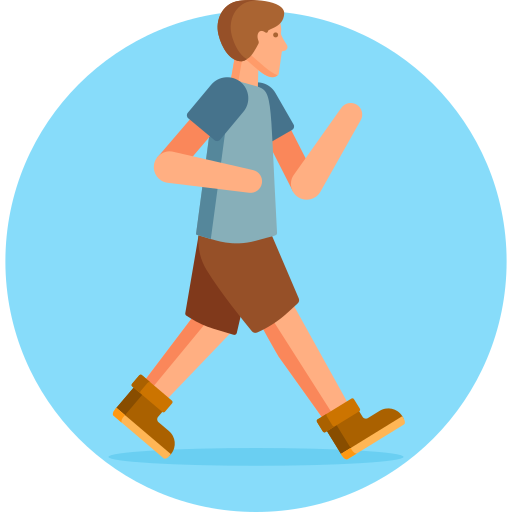
to go for a walk
I enjoy going for a walk with my friends.

to enjoy
They enjoy going to the beach.
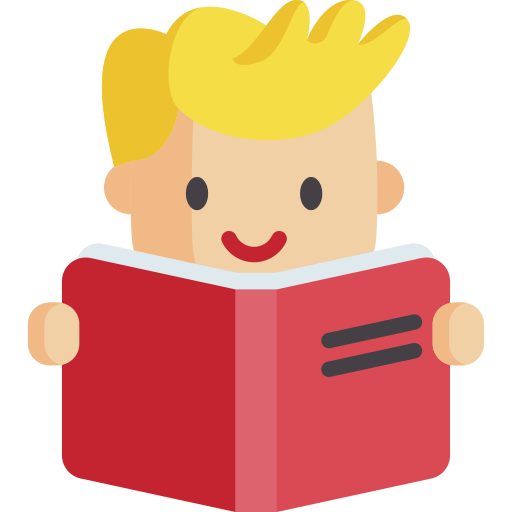
to read books
She likes reading books in the evening.

to dance
I love to dance at parties.
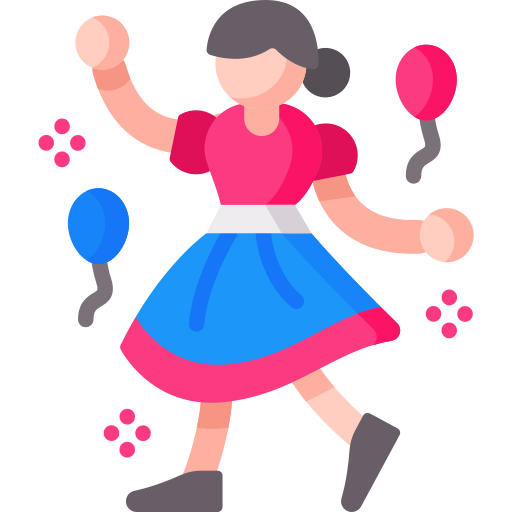
I love dancing!
to listen to music
I love to listen to music while I do my homework.
to play sports
I love to play sports with my friends on the weekends.
I enjoy playing sports.
to play a musical instrument
She enjoys playing a musical instrument in her free time.

to be creative
I enjoy being creative.

I like painting.
I like painting. What about you?
*Going Deeper Into the Present Simple*
In the previous course, we learned that we use the Present Simple to express habits, repeated actions, general truths, emotions, and wishes. Let’s take a closer look:
Habits: "He drinks tea at breakfast."
Repeated actions: "She goes to the gym on Mondays."
General truths: "The Earth revolves around the Sun."
Emotions: "I love chocolate."
Wishes: "I want a new phone."
* In the third person singular (he, she, it), the verb always ends in -s.*
I love chocolate.
My friend loves chocolate ice cream.
He goes to work every morning.
a piano
A piano has black and white keys.
She enjoys playing the piano.
to hate
She hates broccoli.
She hates to be late.
We live in London.

sun
The sun sets in the evening.

sky
The sky is blue.

to shine

The sun shines in the sky.
*Ordering a Snack*
When ordering, you can say "Can I have...?", which you already know from the previous course. You can also use "Can I get...?", "I would like...", or the short form "I'd like..." to sound more polite.
Let’s learn more words and phrases related to restaurants and cafés!

a sandwich
I would like a sandwich with cheese, please.
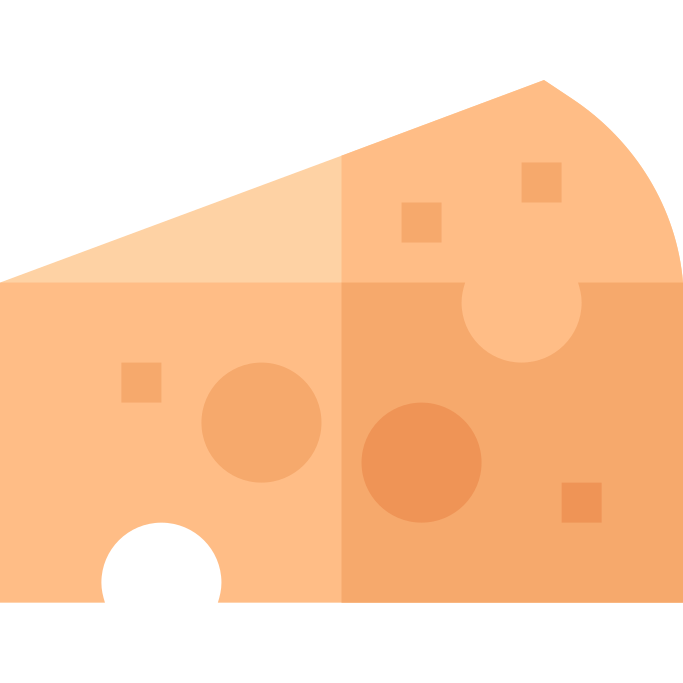
cheese
Can I have a cheese sandwich, please?
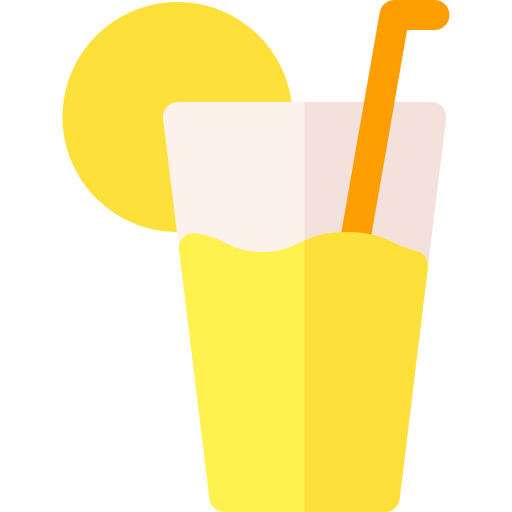
lemonade
I would like a glass of lemonade, please.

a bottle of water
Can I have a bottle of water, please?
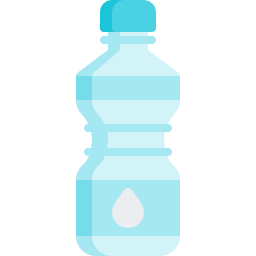
Can I have a bottle of water, please?

I'd like to have a coffee.

to order
I would like to order a pizza.

a beer
I would like to have a beer after work.
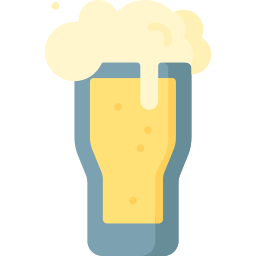
Can I get a beer, please?
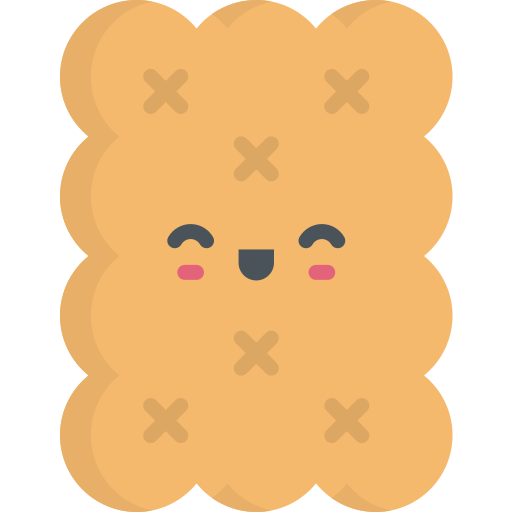
a cookie
Can I have a cookie, please?

a slice of pizza
I would like a slice of pizza with extra cheese, please.
Anything else?
Would you like anything else with your order?

That's all, thank you.
*The Verb CAN*
We use "can" to talk about *a possibility or ability*. Always use can with another verb.
You can use "can" to form short answers like in this example:
"Can you speak English? - Yes, I can."
"I can" = I can do something. / I know something is possible for me, for example: "I can dance very well."
Let's learn new verbs!
"to repeat"
"to sing"
"to swim"
I can do it!
Don't worry, I can do it!
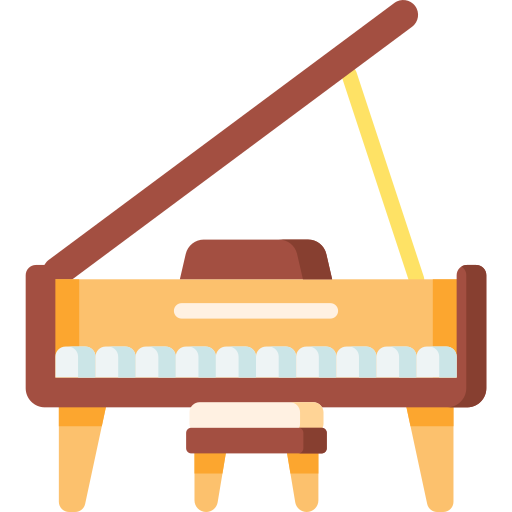
Can you play the piano?

Yes, you can!
Don't worry, you can do it!

to repeat
Can you repeat that, please?

to sing
I love to sing in the shower.
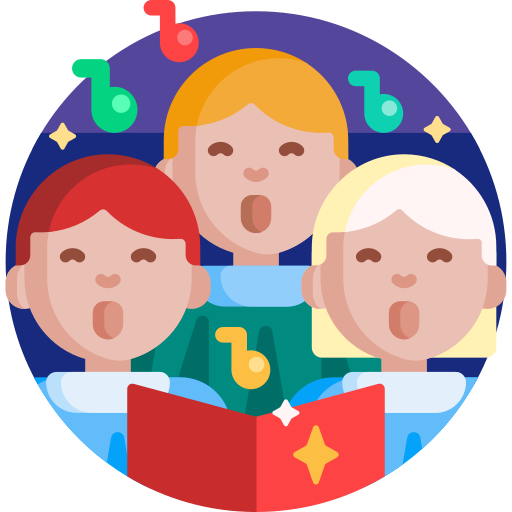
They can sing.
They can sing beautifully.
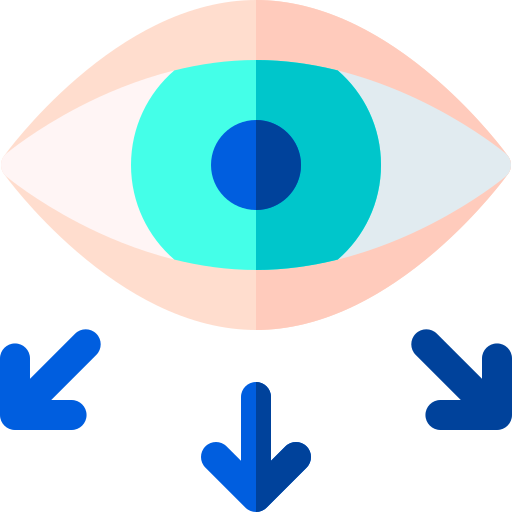
Can you see?
Can you see the stars in the sky?
to swim
She swims every morning to stay fit.

He can't swim.
His friends can swim, but he can't swim at all.
*Verb CAN in Negative*
To say that someone is not able to do something, we use "can" in the negative form.
We add "not" after "can" to make "cannot" or the short form "can't" (pronounced /kɑːnt/ or /kænt/).
"I can't swim." (I am not able to swim.)
Both "cannot" and "can't" mean the same, but "can't" is more common in everyday speech.
I can't swim.
My friend can swim very well, but I can't swim at all.
I can't speak Spanish.
I can't speak Spanish. Can you?
to cook
He can't cook.
to run
We can't run fast.
fast
She runs very fast during the race.
slow
Please drive slowly in the school zone.
I can't run fast.

I can run, but I am slow.
I can't do it.
*Using the Present Simple to Express the Future*
We already know that we use the present simple to express habits, repeated actions, general truths, etc. But we can also use the present simple to talk about the future:
1. When we talk about something that is *fixed in the future:*
“The train leaves at 19:45 this evening.”
2. When something happens in the future after time words like "when", "after" and after "if" and "unless":
“I’ll call you when I get home.”
School starts tomorrow.
tomorrow
We have a meeting tomorrow at 10 AM.
a class
I have a class in the morning.

to begin

to end
The teacher decided to end the class early today.

My class begins at 10.
When does your class end?
The class ends at 11.
after
We can watch a movie after we eat.
when
When do you want to go to the park?
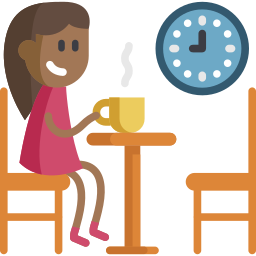
I’ll call you after I eat.
*Let's Go on a Trip!*
It's time for some travel vocabulary – a few practical sentences and phrases so you don’t get lost in faraway lands.

a passport
Do not forget your passport!

a flight
When is our flight?
Can I see your passport?
We can't be late for the flight.

a cruise
I want to take a cruise to the Caribbean this summer.
luggage
I need to check my luggage at the airport.

lost luggage
My luggage is lost. I can’t find it at the airport.

Can you help me with my luggage?

a visa
You need a visa to travel.

a road trip
She loves to go on road trips to discover new cities and towns.

to discover
I want to discover new places during my vacation.
vacation
During our vacation, we visited many interesting places.
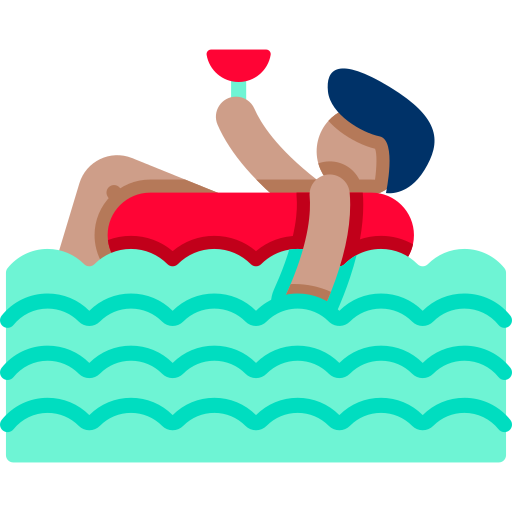
to relax
I like to relax by reading a book.
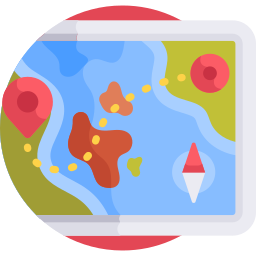
I want to discover new places.

sightseeing
After a long day of sightseeing, we relaxed at a café.
*Present Continuous Tense*
We use the present continuous to talk about actions that are happening right now.
To make a sentence, use the verb "to be" *(am / is / are)* + a *verb* with *-ing* at the end.
Examples:
"He is sleeping."
"You are eating."
This tense is perfect for saying what you or someone else is doing at the moment.

They are discovering new places.
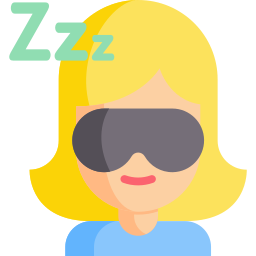
Psst, she is sleeping!
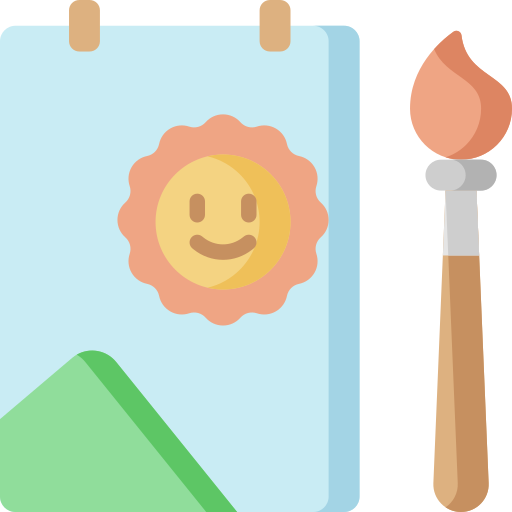
Children are painting.
He is not working today.

right now
I am studying for my test right now.

to study
I need to study for my math test this week.
What are you doing right now?
Hey, what are you doing right now?
I am studying for my test and my sister is sleeping.
to talk
I love to talk with my friends after school.
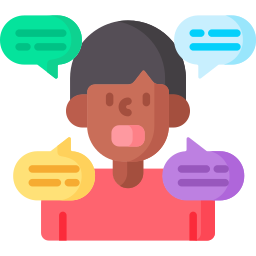
He is talking a lot.
*Describing Objects*
Instead of saying something simple like "I have a bag," you can try saying "I have a small blue bag." Adding details like size, color, or shape makes your description more vivid and interesting. Let’s learn how to describe objects using practical adjectives and easy sentence structures.

soft
The pillow is very soft.

clean
The kitchen is very clean.
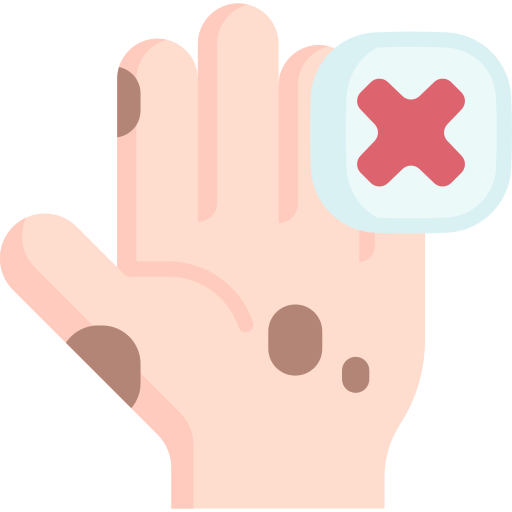
dirty
The floor is dirty.
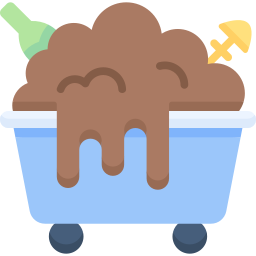
very dirty
My shoes are very dirty after the hike.
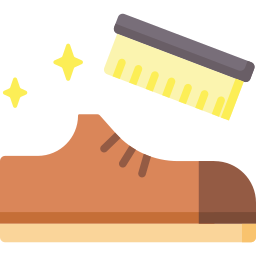
My shoes are very dirty.

new
He has a new idea for the project.
a new idea

sweet
I like sweet apples.
too sweet
The cake is too sweet!

salty
The popcorn is too salty for my taste.

bitter
The coffee is too bitter.
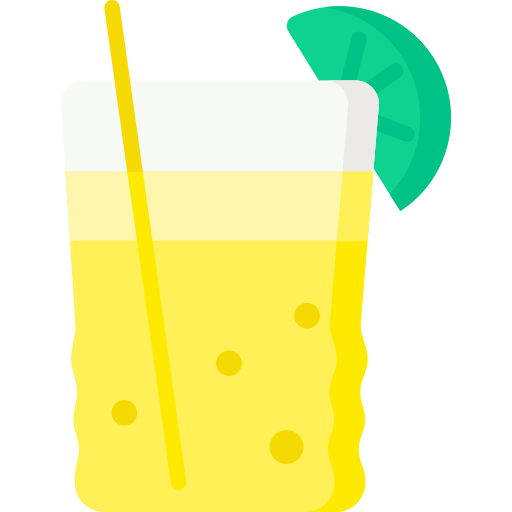
sour
I love sour lemonade.

She has a sweet smile!
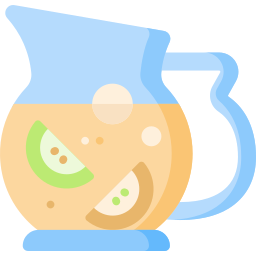
The coffee is bitter and the lemonade is sour.

Do you prefer salty or sweet popcorn?
*Object Pronouns – What Are They and How Do We Use Them?*
Object pronouns are used *to replace the person or thing that receives an action.* They usually come after a verb or a preposition. Here's a simple way to think about it:
Someone does something → to someone or something.
*That “someone or something” is what we replace with an object pronoun.*
Example:
"I spend a lot of time with my family. I love them so much."
In this sentence, them replaces my family — the people who are loved.
The object pronouns in English are:
"me, you, him, her, us, them"

I trust you.

to remember
Do you remember her from the party?
Do you remember her?

to invite
They invited everyone to the wedding.

We want to invite them to the dinner.
She lives with him.
to tell
I will tell you a secret.
Tell me.
Tell me more about your vacation.

a song
I love listening to a song when I am happy.
This song is about us.
*Time to Talk About Colors*
In English, we don’t change the ending of color words.
Also, colours usually come before the noun:
"a red apple"
"a green shirt"
"a blue car"

blue
The sky is very blue today.
white

I have white shoes.

green
The grass is green.

I like to drink green tea.
black
The sky was black with shining stars.
yellow
I don’t like yellow bananas. They’re too sweet!
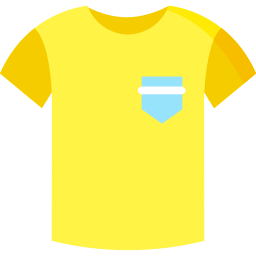
He has a new yellow t-shirt.

brown
The leaves turn brown in autumn.
pink
I have a pink cap.

Her favorite color is pink.
orange
The sky was orange at the sunset.
*Numbers*
We use cardinal numbers all the time — probably more than you realize. Here’s when they come in handy:
*Counting things* : "I have two brothers."
*Saying your age* : "I’m ten years old."
*Giving your phone number* : "My number is two-six-three, three-eight-four-seven."
*Talking about years* : "It happened in nineteen seventy-five (1975)."
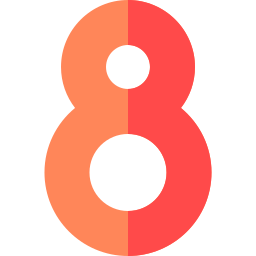
I am eight years old.
to count

one
I have one apple.

I have two favourite colors: green and blue.
three
We need three chairs for the guests.
How many siblings do you have?
I have four siblings.

five
I have five apples in my bag.
There are six students in my class.
We use this app seven days a week.

nine
She is nine years old today.
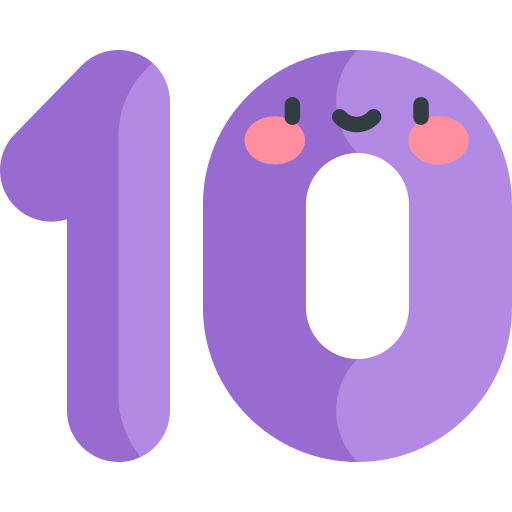
ten
He can count to ten in English.
*Past Tense*
We use the past tense to talk about things that *already happened.*
It could be yesterday, last week, or a few minutes ago.
*How does it work?*
For regular verbs, we add *-ed* to the base form of the verb.
"talk" → "talked"
"play" → "played"
"watch" → "watched"
"walk" → "walked"
Let's practice!
I ordered a coffee.
yesterday
She finished her homework yesterday afternoon.
a few days ago
She called me a few days ago.
last night

School started yesterday.
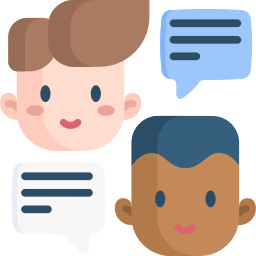
I talked to him a few days ago.
together
They like to play together in the park.
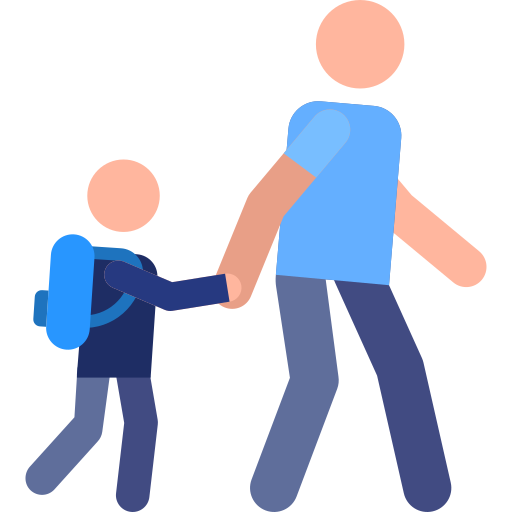
They walked together.
After school, they walked together to the park.

We watched a movie together.
to cook dinner
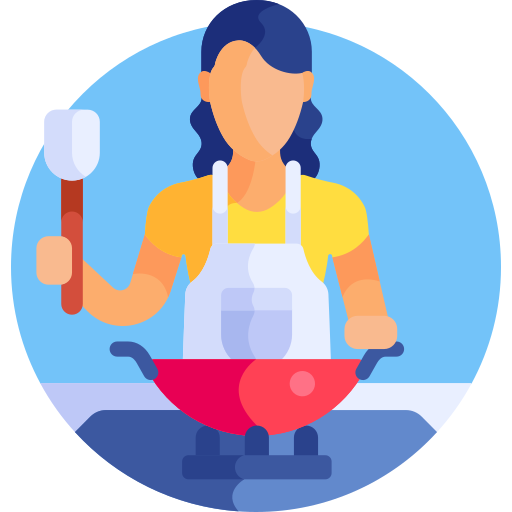
She cooked dinner.
She cooked dinner for her family last night.
I played the piano last night.