Basic Korean Grammar and Verbs 2Korean words
by DuoCards
*Basic Korean Grammar and Verbs 2*
After covering grammar and particles in part 1,
we can learn more together in this course!

노력하자
Let's do our best.
노력하자! 우리는

어휘 연습
vocabulary practice
어휘 연습을 하면서 새로운 단어를 배웠어요.

문법 배우기
Learning grammar
한국어 문법을 잘 이해하면 한국어를 더 잘 구사할 수 있습니다. (If you understand Korean grammar well, you can speak Korean better.)

준비가 다 됐어요?
Are you ready?

시작하자!
Let´s start!
*Negative sentences*
Our first subject of the day are negative sentences. In Korean, we have 2 ways of forming such sentences.
The first method is with the "안" particle, which is placed before a verb.
The second method is using the "-지 않다", which is connected to a verb stem.
We shall look at some examples first, and look at the methods again with more detail.
안 가요
I'm not going.

가지 않아요.
I'm not going.
나는 오늘 학교에 가지 않아요.

안 먹어요.
I don't eat.
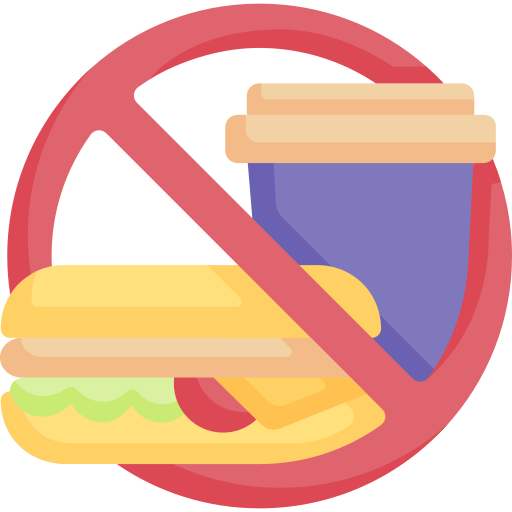
먹지 않아요.
I don't eat.

산책을 안 해요.
I don't take walks.

산책하지 않아요.
I don't take walks.
*안*
The "안" particle is placed right before a verb, making the sentence into a negative statement.
In this case, there are spaces around the particle, as the "안" is not quite attached to anything.
Most often, this form of negation is used with shorter verbs of one or two syllable stems.
Putting it before a longer verb can sound a bit awkward, for example saying "안 마무리해요." can sound a bit strange.
Let´s look at some example sentences.

비빔밥을 자주 안 먹어요.
I don't eat bibimbap very often.

아침에 커피를 안 마셔요.
I don't drink coffee in the morning.

역사 책이 안 좋아요.
I don't like history books.

어제 독일어를 안 배웠어요.
I didn't learn German yesterday.
어제 일본어를 공부했어요.

밤에 친구와 안 만나요.
I don't see friends at night.

매운 음식을 안 요리해요.
I don't cook spicy food.

어려운 문법을 아직 안 공부해요.
I dont study difficult grammar yet.

일요일에 일을 안 해요.
I don't work on Sunday.
*-지 않다*
The second method, using the "-지 않다", is another way to make a negative sentence.
"-지 않다" is added to the verb stem, which we can obtain by removing "-다" from the basic verb form. Afterwards the "않다" is conjugated into "-지 않아요" in present tense, "-지 않았어요" in past tense, and so on.
"-지 않다" is used with both short, and long verbs.
매일 커피를 마시지 않아요.
I don't drink coffee every day.

비싼 옷을 사지 않아요.
I don't buy expensive clothes.

작년에 절대 지각하지 않았어요.
I was never late last year.

어제 전화가 오지 않았어요,
I didn't get a call yesterday,

무서운 영화를 보지 않아요.
I don't watch scary movies.

친구와 같이 저녁을 주문하지 않아요?
Don't you order dinner together with your friends?

오래 동안 운동하지 않아요.
I don't exercise for a long time.

홍차를 우유와 마시지 않았어요.
I did not drink tea with milk.
*The Future Tense*
Our second subject here is the future tense conjugation in Korean. There are 2 ways to put verbs in the future tense - " [으]ㄹ 거예요", and "겠다".
" [으]ㄹ 거예요", the first method, is very similar to the English word *will*, as in *I will go somewhere*, where there is intention to do something, but it is uncertain if this will happen for sure.
The second way, "겠다", is more similar to *going to*, where the subject is fully intent on doing an activity, and is certain of the outcome.
Let us look at some example sentences, and then examine the future tense in more detail.
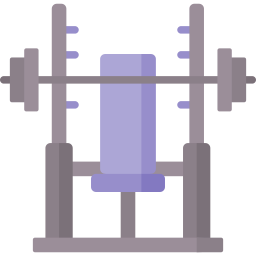
내일 드디어 운동할 거예요.
Tomorrow I will finally exercise.

네, 과제를 하겠어요.
Yes, I am going to do the task.

저녁에 친구를 만날 거예요.
I will meet my friend in the evening.

내월에 한국에 출장을 가겠어요.
I'm going on a business trip to Korea next month.

다음 주에 한국어를 좀 더 연습할 거예요.
I will practice Korean a little more next week.

회의에 다른 직원들이 있겠어요.
Maybe there will be other employees in the meeting.

새로운 바지를 살 거예요.
I will buy new pants.

수업 후에 질문이 많겠어요.
There are going to be a lot of questions after class.
*[으]ㄹ 거예요*
The "[으]ㄹ 거예요" future tense, as previously mentioned, is very closed to the English *will*, as far as meaning goes. When conjugating, first, we must look at the verb stem.
If the verb stem ends with a vowel, "ㄹ 거예요" is attached to create the future tense,
e.q. "할 거예요".
If the verb stem ends with a consonant, "을 거예요" is attached,
e.q. "닫을 거예요".
Let´s look at some examples with both types of verb stems.

부산에 여행을 갈 거예요.
I will go on a trip to Busan.

파티에 같이 과자를 먹을 거예요?
Will we eat sweets at the party?

겨울에 시간이 없을 거예요.
I won't have time in winter.

저한테 엄마가 케이크를 살 거예요.
My mom will buy me a cake.

이 사과 주스를 마실 거예요?
Will you drink this apple juice?

저녁에 공부하고 음악을 들을 거예요.
I will study and listen to music in the evening.

우리 집에서 같이 게임을 할 거예요?
Will we play games together at my house?

유학에 다른 언어를 배울 거예요.
I will study another language while studying abroad.

내일 학교에 안 갈 거예요.
I won´t go to school tomorrow.

시험을 펜으로 쓸 거예요.
I will write the exam with a pen.
*겠다, 겠어요*
The "겠다" future tense conjugation is simply attached to the verb stem, e.q. "하겠어요", or
"듣겠어요".
This future tense is also frequently used with formal Korean, e.q. "하겠습니다", "듣겠습니다".
The meaning of this future tense is very close to the English *I´m going to*, expressing exact intent and certainty.

내일까지 숙제를 쓰겠어요.
I´m going to write my homework by tomorrow.

주말에 날씨가 맑겠어요.
The weather is going to be sunny this weekend.

백화점에 매장이 많겠어요.
There are going to be many shops in the department store.
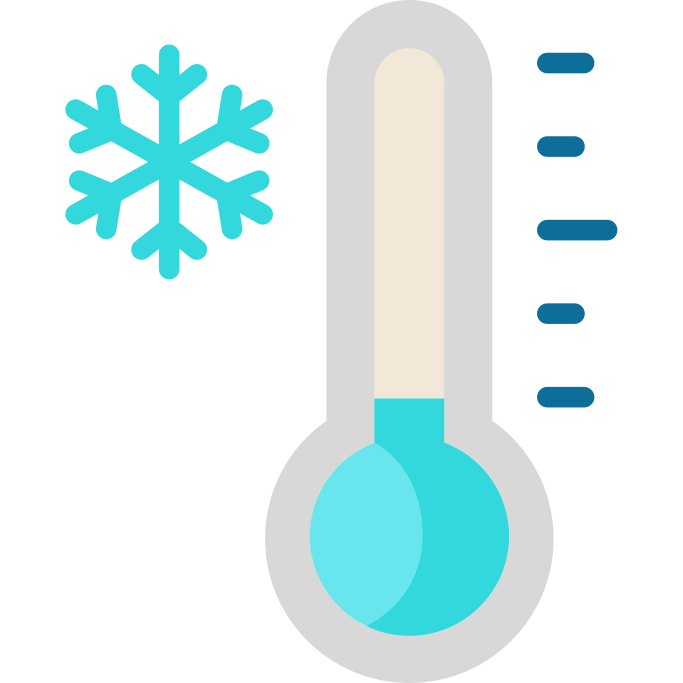
밤에 온도가 낮겠어요.
The temperature is going to be low at night.

할인이 있으면 더 싸겠어요.
It would be cheaper if there was a discount.

오래 안 먹어서 배고프겠어요.
I'm going to be hungry because I haven't eaten in a long time.

빨간색 옷이 예쁘겠어요.
The red dress is going to be pretty.

독일에서 만든 자동차가 더 빠르겠어요.
A car made in Germany is going to be faster.
*To do well, poorly, or to not be able to do*
Next up we are going to learn about describing our activities in ways, such as:
To do something well - "잘",
to do something poorly, or not very well - "잘 못",
and to not be able to do a particular activity - "못".
These types of verb descriptions are done using the words "잘", "잘 못", and "못".
Let´s look at some simple sentences first, maybe You have already heard these words!

잘 했어요.
Good job.

숙제를 잘 못 했어요.
I didn't do my homework well.
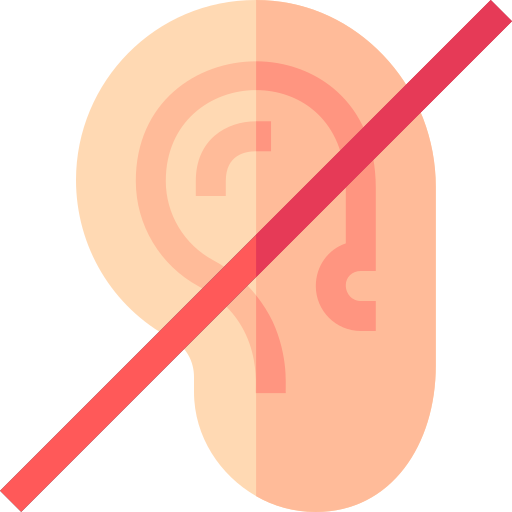
못 들어요.
I can't hear it.

영어를 잘 해요.
I speak English well.

형이 요리를 못 해요.
My brother can't cook.

수영을 잘 못 해요.
I'm not good at swimming.
*잘*
First, let us examine the *to do well* word, "잘".
Same as the other two, we need to place "잘" before the verb in the sentence, which we want to describe as being done well by the object of the sentence. Also, we do not attach the "잘" to anything, so we can observe spaces around it.
Also, some phrases also use "잘", so we do not translate these as to do something well, because they have a specific meaning.
Here we have some examples of usage!

우리 언니가 노래를 잘 해요.
My sister sings well.

할아버지가 글을 잘 써요.
Grandpa is a good writer.

잘 먹겠습니다.
Thank you for this food.

잘 가요.
Bye!

이 친구가 게임을 잘 해요?
Is this friend good at gaming?

방을 잘 청소했어요.
I cleaned the room well.

매운 음식을 잘 먹어요?
Do you like spicy food?

잘 자요.
Sleep well.
*잘 못*
The second expression, "잘 못", is translated as - to not do something well, to not be good at, or to be bad at something. Again, it is placed before the verb, with spaces.

오늘 잘 못 잤어요.
I didn't sleep well today.
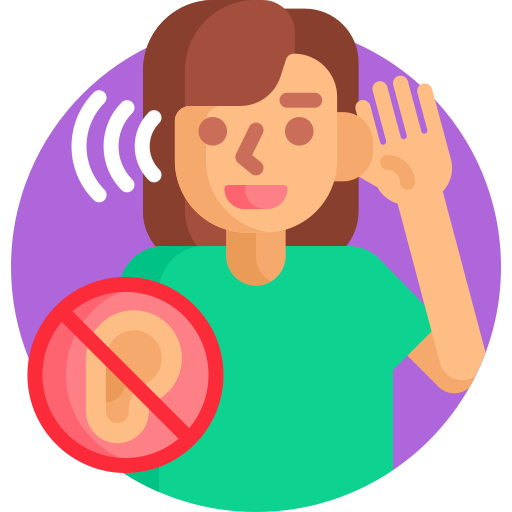
말을 잘 못 들었어요.
I couldn't hear well.

오빠가 프랑스어를 잘 못 해요.
My brother doesn't speak French well.

저는 그림을 잘 못 그려요.
I'm not good at drawing.
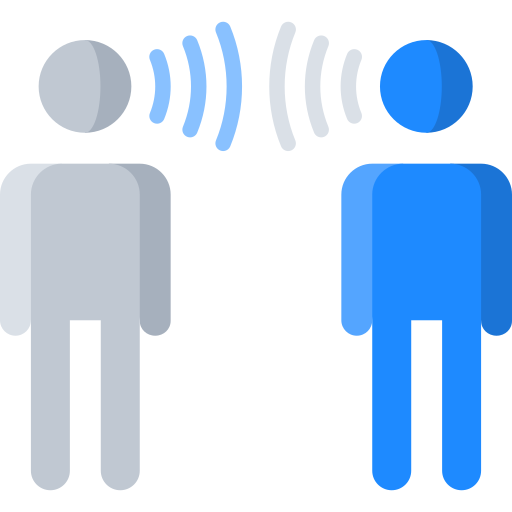
말한 것을 잘 못 이해했어요.
I didn't quite understand what you said.

밤에 집중을 잘 못 해요.
I have trouble concentrating at night.

아직도 기타를 잘 못 쳐요?
Still can't play the guitar well?

어두워서 책을 잘 못 읽었어요.
It was dark, so I couldn't read the book.
*못*
The "못" expression indicates, that someone[something] is incapable of doing an activity, because of some reason blocking the action.
For example, not being able to go to school "학교에 못 가요", would be said, if there was something preventing you from going there - e.q. rain, traffic jam, sickness, etc...
Other than that, it works the same way as the two previous expressions.
Let´s look at some examples!

오늘 학교에 못 가요.
I can't go to school today.

안경이 없어서 못 읽어요.
I can't read because I don't have glasses.

지하철에서 친구를 못 봤어요.
I didn't see my friend on the subway.

어제 가족과 못 만났어요.
I couldn't see my family yesterday.

손이 아파서 테니스를 못 쳐요.
I can't play tennis because my hand hurts.

오늘 바빠서 못 왔어요.
I couldn't come today because I was busy.

너무 일찍 못 일어나요.
I can't get up too early.

주말에 못 공부해요.
I can't study on the weekend.
*-고 싶다*
With this grammar, we can express wanting to do a certain activity.
-"고 싶다" is added to the stem of a verb of the activity which someone wants to do, and the we conjugate the "싶다" into the appropriate tense.
For example - "먹고 싶다" becomes "먹고 싶어요".
Let´s look at some sentences!

먹고 싶어요.
I want to eat.
가고 싶어요.
I want to go.

보고 싶어요.
I want to see.
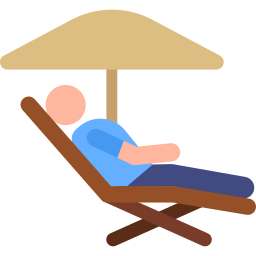
쉬고 싶어요.
I want to rest.

오고 싶어요.
I want to come.
*고 싶지 않다*
We can also put the "싶다" into the negative form, creating sentences with e.q. "안 먹고 싶어요", or "먹고 싶지 않아요".
Watch how we combine the negative form and the grammar!
가고 싶지 않아요.
I don't want to go.

쇼핑을 하고 싶지 않아요.
I don't want to go shopping.
만나고 싶지 않아요.
I don't want to meet you.

지금 말하고 싶지 않아요.
I don't want to say it now.
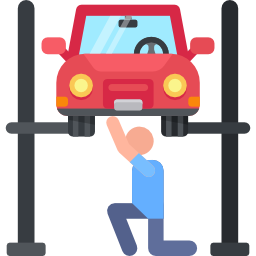
차를 팔고 싶지 않아요.
I don't want to sell my car.
*Grammar Practice*
Let´s try out the grammar on more difficult sentences - for example with past and future tense conjugation, with the occasional negative form.

제 친구가 영화를 보고 싶지 않을 거예요.
My friend will not want to see a movie.

왜 어제 같이 저녁을 먹고 싶지 않았어요?
Why didn't you want to have dinner with us yesterday?

지금 수학 연습을 안 하고 싶어요.
I don't want to practice math right now.

내일 동물원에 가고 싶어요?
Do you want to go to the zoo tomorrow?

제 형이 어제 게임을 하고 싶었어요.
My brother wanted to play a game yesterday.

다음 주에 여행을 가고 싶지 않아요.
I don't want to go travelling next week.

피곤해서 과제를 쓰고 싶지 않아요.
I'm tired and don't feel like writing my assignment.

바다에서 수영하고 싶지 않아요?
Don't you want to swim in the ocean?

엄마, 같이 쇼핑을 하고 싶어요?
Mom, do you want to go shopping together?

크리스마스 선물을 사고 싶어요.
I want to buy a Christmas present.

매장에서 곰 인형을 사고 싶었어요.
I wanted to buy a teddy bear at the store.

점심으로 참치 초밥을 먹고 싶어요.
I want to eat tuna sushi for lunch.
*원하다*
The "고 싶다" grammar is useful only with action verbs, however, when we wish to express wanting an object, not wanting to do an activity, then we can use the "원하다" verb - e.q. "강아지를 원해요". I want a puppy.

강아지를 원해요.
I want a puppy.

멋있는 남자친구를 원해요.
I want a cool boyfriend.

맛있는 음식을 원해요.
I want delicious food.

여름 휴가를 원해요.
I want a summer vacation.

좀 더 자유 시간을 원해요.
I want more free time.

재미있는 생일 파티를 원해요.
I want a fun birthday party.
*Good job!*
That´s all the grammar we have for this chapter, be sure to practice and repeat!
See you at the next course!

오늘도 잘 했어요.
You did well today.
문법 하고 문장이 어땠어요?
How was the grammar and sentences?

한국어를 잘 하고 싶어요.
I want to speak Korean well.
연습을 많이 하세요.
Practice a lot.

다음 코스에서 다시 보자.
See you in the next course.