Course for beginnersRussian words
by Mikajela
*Welcome!*
In this course, we’ll take your Russian skills to the next level, helping you understand and communicate with confidence in real-life situations. Let’s begin with a few key phrases to get you started.

Добро пожаловать!
Welcome!

Я учу русский язык.
I'm learning Russian language.
Я учу русский язык. А ты?

Очень приятно!
Nice to meet you!

пожалуйста
please
Можно мне, пожалуйста, воды?

Какой язык ты учишь?
What language are you learning?

Какой язык вы учите?
What language are you learning? (formal)

язык (m)
language
Я учу русский язык.

Я учу русский, а она учит английский.
I'm learning Russian, and she's learning English.
*Consonance of adjectives and nouns in the Russian language*
In Russian, adjectives must *match the gender of the noun they describe.* This means that an adjective will have a different ending depending on whether the noun is in the masculine, feminine or neuter gender.
Examples:
- "большой дом" = big house (masculine gender)
- "большая машина" = big car (feminine)
- "большое окно" = big window (neuter)
Common endings:
- Masculine gender: *-oy*, *-yi*
- Feminine: *-aya*
- * neuter*

большой
big (m)
Это большой дом.

большая
big (f)
У меня большая семья.

большое
big (n)
Это большое окно.

маленький
small (m)
Он живёт в маленьком городе.

маленькая
small (f)
У нас маленькая кухня.
маленькое
small (n)
Это маленькое здание.

дом (m)
house
Это мой дом.

окно (n)
window
Открой окно, пожалуйста.

Это большой дом.
This is a big house
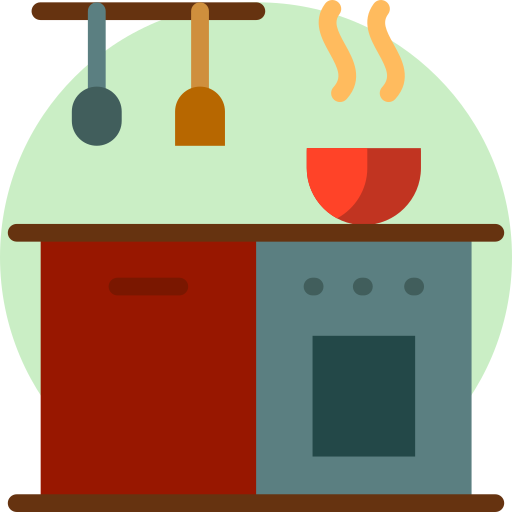
У нас маленькая кухня.
We have a small kitchen

Это большое окно.
This is a big window.

Моя машина красная.
My car is red.
*Around the house*
Let's familiarise ourselves with some common rooms and items in a typical home. These are everyday nouns such as "кухня", "дверь" and "стол".
Remember: every Russian noun has a gender, which affects how you describe or use it later on.
Try to memorise the gender as you study each noun. This will help when you study grammar in later lessons.
кухня (f)
kitchen
Мама готовит на кухне.

гостиная (f)
living room
Мы смотрим телевизор в гостиной.

спальня (f)
bedroom
В спальне тихо и уютно.

ванная (f)
bathroom
Я иду в ванную.

дверь (f)
door
Пожалуйста, закрой дверь.

стул (m)
chair
Этот стул удобный.

стол (m)
table
Обед на столе.

телевизор (m)
television
Где пульт от телевизора?

Пожалуйста, закрой дверь.
Please close the door.

Обед на столе.
Lunch is on the table.

Мы смотрим телевизор в гостиной.
We are watching TV in the living room.

Мама готовит на кухне.
Mom is cooking in the kitchen.
*Asking Questions: 'Who' and 'What'*
Let’s start learning Russian question words:
- "кто" = who
- "что" = what
Examples:
- "Кто там?" — Who is there?
- "Что это?" — What is this?
Word order in Russian is flexible, so intonation and question words are important to indicate a question.

кто
who
Кто это?

что
what
Что это?

Кто там?
Who is there?

Что это?
What is this?
Что это на столе?

Это что?
This is what?

Что говоришь?
What are you saying?
Кто это?
Who is it?
Я вижу человека, но не знаю, кто это.

Кто этот мужчина?
Who is this man?
*Saying Where You Live*
Use the verb "жить" (to live) with the preposition "в" (in) to talk about where someone lives.
Examples:
"Я живу в Москве." - I live in Moscow.
"Мы живём в деревне." - We live in a village.
The preposition *в* is followed by a noun in the prepositional case (you’ll learn this more later, but for now just remember the pattern).
жить
live
Он живёт в Америке.

Я живу
I live
Я живу в Германии.

в
in
Мы живём в большом доме.

деревня (f)
village
Моя бабушка живёт в деревне.

страна (f)
country
Россия - моя страна.

столица (f)
a capital city
Москва - столица России.

Я живу в Петербурге.
I live in St. Petersburg.

Моя бабушка живёт в деревне.
My grandmother lives in a village.

Мы живём в большом доме.
We live in a big house.
*Talking about Family*
In the previous course, we covered the main family members. (If you'd like to review the lower-level course, you can find it in the library.) Now, let's explore more about this topic and expand your vocabulary.
All these nouns have a natural gender. It helps to remember them as masculine or feminine from the start.

дедушка
grandpa
Мой дедушка очень мудрый.

бабушка
grandmother
Моя бабушка любит чай.

Папа читает газету.
Dad is reading a newspaper.

У меня есть брат.
I have a brother.

дядя
uncle
Я часто хожу к дяде в гости.

тётя
aunt
Я поеду к тёте на выходные.

двоюродный брат
cousin (m)
Моего двоюродного брата зовут Александр.

двоюродная сестра
cousin
Моя двоюродная сестра живет в Петербурге.

Моя сестра - инженер.
My sister is an engineer.

детство (n)
childhood
Он часто рассказывает истории из своего детства.

бабушка и дедушка
grandparents
Мы часто навещаем бабушку и дедушку на выходных.
*More Question Words: 'Where' and 'When'*
Now let’s learn:
"где" = where (used for places)
"когда" = when (used for time)
Examples:
"Где мой телефон?" - Where is my phone?
"Когда ты придёшь?" - When will you come?
Russian drops 'is' in the present tense, so "Где мой телефон?" literally means *'Where my phone?'*

где
where
Где ты живёшь?

когда
when
Когда ты придёшь?

Где мой телефон?
Where is my phone?

Когда ты придёшь?
When will you come?

Где вы?
Where are you? (formal)

начинаться
start
Дождь начинает идти.

Когда начинается школа?
When does school start?

Где мои ключи?
Where are my keys?
Где мои ключи? Я оставил их на столе.
*Basic Verbs in Present Tense*
Russian verbs change their endings depending on the subject (I, you, he/she, etc.). In this block, we focus on "я" (I) forms of some useful verbs:
"делать" - to do → "я делаю" - I do
"работать" - to work → "я работаю" - I work
"учиться" - to study → "я учусь" - I study
This change of verb endings is called *conjugation*. We will learn it step by step.

делать
do
Она делает пирог.

я делаю
I do
Я делаю домашнее задание.

работать
to work
Он работает в банке.

я работаю
I work
Я работаю в офисе.

учиться
to study
Она учится в университете.

я учусь
I study
Я учусь по вечерам.

Что ты делаешь?
What are you doing?

Я работаю в офисе.
I work in an office.

Она учится в университете.
She studies at university.

Я делаю домашнее задание.
I’m doing homework.

домашнее задание (n)
homework
Ты сделал домашнее задание по математике?
офис (m)
an office
Я работаю в офисе.

банк (m)
bank
Мне нужно снять деньги из банка.
*Determination of time*
To find out the time in Russian, use:
"Сколько времени?" - What time is it?
"час / часа / часов" - different forms of the word 'hour' depending on the number.
Examples:
"один час" - hour
"два / три / четыре часа" - 2-4 hours
"пять часов" - 5 hours or more
Use "в" before time to say *at*
"В два часа." - *Two hours.*

время (n)
time
Сколько сейчас времени?

час (m)
hour / o'clock
Сейчас один час.

два часа
two o’clock
Встреча в два часа.

три часа
three o’clock
Я свободен в три часа.

четыре часа
four o’clock
Урок в четыре часа.

пять часов
five o’clock
Пять часов вечера.
Сколько сейчас времени?
What time is it now?
Сколько сейчас времени? Я опаздываю на встречу!

Сейчас один час.
It is one o’clock now.

Встреча в два часа.
The meeting is at two o’clock.

Урок в четыре часа.
The lesson is at four.
урок (m)
lesson
На уроке мы изучали новую тему.

встреча (f)
a meeting
У нас завтра встреча с клиентом.

опаздывать
to be late
Он всегда опаздывает на работу.
работа
work
У меня хорошая работа.

Я опаздываю на работу.
I'm late for work.
*Talking about food*
This unit covers basic vocabulary about food.
Most of them are *nouns*. Try to match each word with its gender:
"хлеб" (bread) is masculine
"молоко" (milk) is neuter
"вода" (water) is feminine
These words will be useful when you are shopping or ordering food in a restaurant.

хлеб (m)
bread
Я купил свежий хлеб.

молоко (n)
milk
У нас есть молоко?

сыр (m)
cheese
Сыр на столе.

яйцо (n)
egg
Я ем яйцо на завтрак.

вода (f)
water
Можно воды, пожалуйста?

чай (m)
tea
Бабушка пьёт чай.

кофе (n)
coffee
Кофе горячий.

Я люблю свежий хлеб.
I love fresh bread.

Можно воды, пожалуйста?
Can I have some water, please?

Я ем яйцо на завтрак.
I eat an egg for breakfast

Любишь сыр?
Do you like cheese?
Любишь сыр? Я обожаю сыр.
*Colours and descriptions*
Adjectives like colours must agree in gender and number with the noun they describe.
Examples:
"красный мяч" - (red ball - masculine)
"зелёная книга" - (green book - feminine)
"белое молоко" (white milk - neuter)
In this unit we will focus mainly on masculine forms and short descriptive sentences.

красный
red (m)
Красные яблоки вкусные.

синий
blue (m)
У него синий рюкзак.

зелёный
green (m)
Моя зелёная книга.

жёлтый
yellow (m)
Жёлтый автобус приехал.

чёрный
black (m)
Я купил чёрную рубашку.

белый
white (m)
У нас белый кот.

чёрная рубашка (f)
black shirt

Это красный стул.
It's a red chair.

Жёлтый автобус приехал.
The yellow bus arrived.
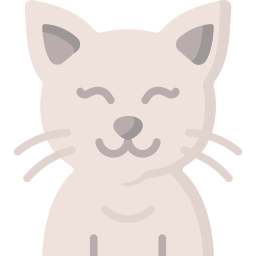
У нас белый кот.
We have a white cat.

Я купил чёрную рубашку.
I bought a black shirt.

Зелёная книга - твоя?
Is the green book yours?
*Talking About Hobbies*
This section introduces verbs related to hobbies and free time, like *to read, to dance, to sing.*
You will see the verb form for *я* (I):
"Я читаю." - I read.
"Я танцую." - I dance.
Later, you’ll learn to conjugate these for other persons too.

читать
to read
Я люблю читать книги.

писать
to write
Он пишет статью.

петь
to sing
Она любит петь песни.

танцевать
to dance
Я хочу танцевать.

играть
to play
Мы играем в футбол.

гулять
to walk
Мы гуляем в парке.

писать сообщение
write a message
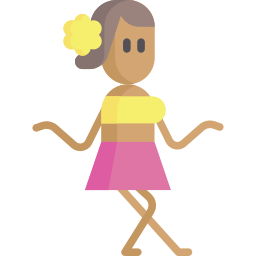
Я танцую.
I'm dancing.

Я читаю книгу.
I'm reading a book.
Я читаю интересную книгу.

Я пою каждый день.
I sing every day.

Я пишу сообщение другу.
I'm texting a friend.
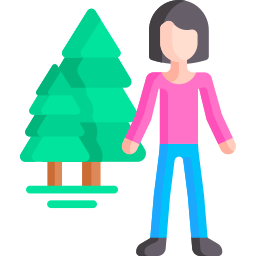
Я часто гуляю в парке.
I often walk in the park.

Я люблю читать книги.
I love to read books.

Она любит петь песни.
She likes singing songs.
*Expressing likes and dislikes*
Use "нравится" to say you like something:
"Мне нравится фильм" - I like the film.
"Тебе нравится музыка?" - Do you like the music?
Add "не" to express negation:
"Мне не нравится." - I don't like it.
You will also see how this changes depending on the person: "мне" (me), "тебе" (you), "ему" (him), etc.

мне нравится
I like
Мне нравится читать книги.

мне не нравится
I don’t like
Мне не нравится погода.

тебе нравится
you like
Тебе нравится музыка?

ему нравится
he likes
Ему нравится играть в шахматы.

ей нравится
she likes
Ей нравится читать.

Мне нравится этот фильм.
I like this movie.

Мне не нравится погода.
I don’t like the weather.

Тебе нравится музыка?
Do you like the music?

Ему нравится играть в шахматы.
He likes playing chess.

Ей не нравится танцевать.
She doesn't like to dance.
*At the Market*
Shopping in Russian? Learn these useful words:
"Сколько стоит?" - 'How much is it?' This is to express a singular.
"Сколько стоят...?" - 'How much are they...?' This is to express the plural.
"Я хочу купить…" - I want to buy…
Russian often skips 'is/are' in simple questions. So "Сколько стоит яблоко?" literally means 'How much costs apple?'

Сколько стоит?
How much is it?
Сколько стоит яблоко?

Сколько стоят бананы?
How much do bananas cost?

деньги
money
У меня нет денег.

покупать
to buy
Я покупаю овощи.

хочу купить
I want to buy
Я хочу купить бананы.

яблоко (n)
apple
Я ем красное яблоко.

овощи
vegetables
Мы покупаем овощи на рынке.

фрукты
fruits
Фрукты на столе.

Сколько стоит яблоко?
How much is the apple?

Я хочу купить бананы.
I want to buy bananas.

Мы покупаем овощи на рынке.
We are buying vegetables at the market.

рынок (m)
market
Я пошёл на рынок за овощами.
*Talking About the Weather*
Learn how to describe the weather. Russian uses short phrases like:
"Идёт дождь." - 'It’s raining.' It literally means: 'The rain is going.'
"Сегодня холодно." - 'It’s cold today.'
The verbs "идёт" (goes/is falling) and impersonal expressions (like "жарко" - hot) are common in weather talk.

погода (f)
weather
Сегодня хорошая погода.

Какая погода?
What's the weather like?
Какая сегодня погода?

солнце (n)
sun
Светит солнце.

дождь (m)
rain
Идёт дождь.

снег (m)
snow
Идёт снег.

ветер (m)
wind
На улице сильный ветер.
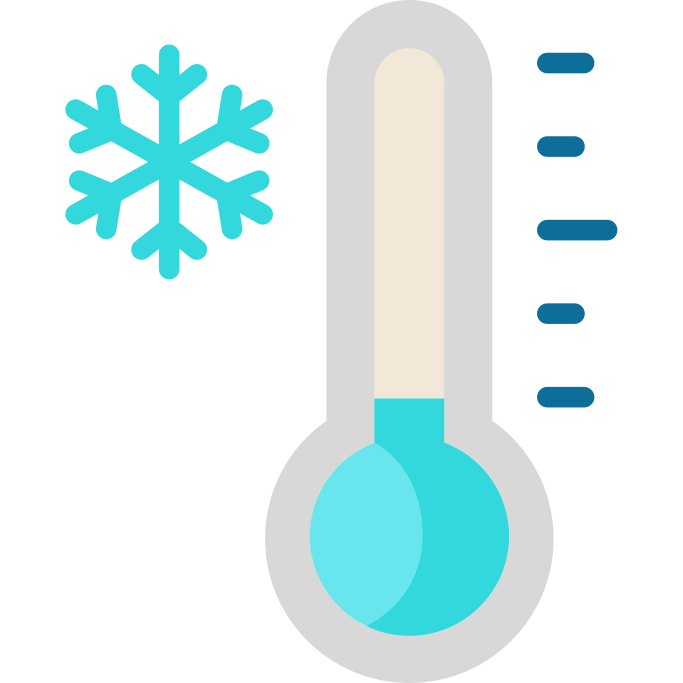
холодно
cold
Сегодня холодно.

жарко
hot
Летом жарко.

Сегодня хорошая погода.
The weather is nice today.
Сегодня хорошая погода, давай пойдем гулять в парк.

Идёт дождь.
It is raining.
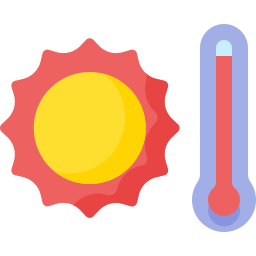
Летом жарко.
It’s hot in summer.

Идёт снег.
It's snowing.

Светит солнце.
The sun is shining.
*Expressing Needs and Requests*
To say what you need in Russian, use “мне нужно” (I need). Literally, it means *to me, it is necessary.* The word changes based on the gender of what you need:
"нужно" (neuter): "Мне нужно такси."
"нужна" (feminine): "Мне нужна помощь."

мне нужно
I need
Мне нужно купить хлеб.

помощь (f)
help

Mне нужна помощь.
I need help.
Извините, мне нужна помощь.

Mне бы хотелось...
I would like...
Мне бы хотелось кофе.

Мне нужно такси.
I need a taxi.

Извините, мне нужна помощь.
Excuse me, I need help.

Мне нужно время.
I need time.
Мне нужно больше времени.

Мне нужно отдохнуть.
I need to rest.

Мне нужно идти.
I have to go.
Мне нужно идти на урок.
*Expressing Needs and Requests part 2*
You can also make polite requests using "можно" (may I):
"Можно воды, пожалуйста?" - Can I have some water, please?
Use the noun in the accusative case or add a verb in infinitive form:
"Можно задать вопрос?" - May I ask a question?
To sound more formal or polite, say "Mне бы хотелось…" — I would like... "Мне бы хотелось кофе."
And don’t forget пожалуйста - it means “please” and makes everything more polite.

можно
may I / can I
Можно задать вопрос?

задать вопрос
ask a question
Я хочу задать вопрос учителю.

Можно задать вопрос?
Can I ask you a question?

Мне бы хотелось кофе.
I would like some coffee.

Можно войти?
Can I enter?

Можно войти, пожалуйста?
May I come in, please?
открыть окно
to open the window

Можно открыть окно?
Can I open the window?
Можно открыть окно, пожалуйста?
*Description of people*
Let's learn words to describe people: their appearance, character and age. Always remember the gender, as it varies in Russian.
высокий
tall (m)
Он очень высокий человек.

высокая
tall (f)
Моя сестра очень высокая.

низкий
short (height) (m)
Мой брат ниже меня.

низкая
short (height) (f)
Эта стена очень низкая.

молодой
young (m)
Моя сестра молодая.

Моя сестра молодая.
My sister is young.
старый
old (m)
Это старый учитель.

старая
old (f)

добрый
kind (m)

добрaя
kind (f)
Моя мама очень добрaя.

умный
smart (m)
Он умный студент.
умная
clever (f)
Моя подруга очень умная.
Он очень высокий человек.
He is a very tall person.

Это старый учитель.
This is an old teacher.

Моя мама очень добрaя.
My mom is very kind.

Он добрый человек.
He's a kind man.
*Saying Goodbye*
Here are different ways to end conversations politely.

Пока!
Bye! (informal)
Пока! Увидимся завтра!

Увидимся!
See ya!
Увидимся позже!

Увидимся завтра!
See you tomorrow!

До встречи!
See you later!
До встречи на работе!

До свидания и хорошего дня!
Goodbye and have a nice day!