From a Turkish Primary Schoolbook (second grade)

Interactive flashcards for learning vocabulary

Turkisheasyby tozparmagi
Flashcards: 2564.7 / 5

Save words from this page and practise them with flashcards in DuoCards. How does it work?

bölüm
episode / chapter
1 bölüm (ilk bölüm - first chapter)
okuma
reading
anlama
understanding
okuma ve anlama (reading and understanding)
teneffüs
respiration / break (school) ara (work break / scheduled), mola (work break/unscheduled)
Okulda teneffüs zamanı geldi.
okul
school
gün
day
ilk
first
okulun ilk günü ( the first day of school) okulun ilk günüydü ( it was the first school day)
sevmek
to love
Petek okulu sevmişti.(Petek loved school.)
çok
very /a lot
Petek okulu çok sevmişti. (Petek loved school a lot. )
petek
honeycomb (here: a female name)
öğretmen
teacher
sormak
to ask
Öğretmen sordu. (The teacher asked. )
adı
First Name
Öğretmen adını sordu. (The teacher asked for the names.)
herkes
everyone
herkese (dative 'to' everyone) Öğretmen herkese adını sordu. (The teacher asked everyone for his name. )
sırayla
in order / in turn
Öğretmen, sırayla herkese adını sordu. (The teacher took turns asking everyone for their name.)
bir süre
for a while
sohbet etmek
to chat
Bir süre sohbet ettiler. (They chatted for a while.)
çocuk
child
sınıf
class/classroom
sınıftaki çocuklar (the children in the classroom)
defter
notebook
açmak
to open
Sınıftaki çocuklar defterlerini açtılar. (The kids in the classroom opened their notebooks.)
çalmak
to play /ring / knock
zil
bell
zıl çaldı (the bell rang)
tam bu sırada
exactly at this point /just then
Tam bu sırada zıl çaldı.(Just then the bell rang.)
çıkmak
to exit / go out / leave
çıkabilirsiniz (You can leave.) Öğretmen: "Çıkabilirsiniz çocuklar!" dedi. ("You can leave, children!" said the teacher.)
diyerek
(by)saying
ayrılmak
to leave
...diyerek sınıftan ayrıldı. (He left the classroom, saying...) Öğretmen: "Çıkabilirsiniz çocuklar!" diyerek sınıftan ayrıldı. (The teacher left the classroom, saying: "You can leave, children!")
çanta
bag
çantası (her bag)
toplamak
to collect/ gather /assemble
Petek çantasını topladı. (Petek packed her bag.)
hemen
immediately
Petek hemen çantasını topladı. (Petek immediately packed her bag.)
ev
house / home
gitmek
to go
eve gitmek (to go home) evine gitti (she went to her home)
çıkıp
to go out and .../ to leave and... (- ip ending connects two verbs which having the same actor)
Okuldan çıkıp evine gitti. (She left school and went to her home. )
anne
mother
annesi (her mother)
şaşırmak
to be surprised/ shocked
Annesi çok şaşırdı. (Her mother was very surprised.)
gelmek
to come
geldi (she came)
neden
why
Petek neden geldin? ( Why did you come, Petek?)

şey
thing
bir şey
Something
olmak
to be(come)/happen
Bir şey oldu. (Something happened )
mi /mı /mu
question particle for yes /no questions
Bir şey mi oldu? (Did something happen?)

dedi
he/ she said
Annesi çok şaşırdı: "Petek neden geldin? Bir şey mi oldu?" dedi. (Her mother was very surprised. "Petek, why did you come? Did something happen?" she said.)
bu kez
this time
Bu kez Petek şaşırdı. (This time Petek was surprised.)
Neden gelmeyeyim?
Why shouldn't I come?
da/de
and /also
Zıl çaldı. Ben de eve geldim. (The bell rang and I came home.)
gülmek
to laugh
Annesi güldü (Her mother laughed.)
-maya/-meye başlamak
to start doing
Annesi gülmeye başladı. (Her mother started laughing.)
teneffüs zili
recess bell
O teneffüs zilidir. (That is the recess bell. - dir shows a fact)
ders
lesson
sonra
Then /after
dersten sonra (after the lesson)
her
each
her dersten sonra (after each lesson)
ara
pause / work break/ a scheduled break
vermek
to give
verilmek
to be given
her dersten sonra bir ara verilir (after each lesson a break is given /There is a break after each lesson.)
dinlenmek
to have a rest
için
for /in order to
dinlenmek için (in order to have a rest) Her dersten sonra dinlenmek için bir ara verilir. (After each lesson there is a break in order to have a rest.)
diğer
the other
diğer ders (the other lesson)
geçmek
to pass an exam/ to pass by sth
geçilmek
to be passed /to be moved on to
Sonra diğer derse geçilir. (Then it will be moved onto the next lesson.)
üzülmek
to be sad/to get upset/ to feel bad about
Petek çok üzüldü. (Petek felt very bad. )
utanmak
to be ashamed /embarrassed
Petek utandı. (Petek was ashamed.) Petek çok üzüldü ve utandı.(Petek felt very bad and was embarrassed.)
hazırlanmak
to prepare/to get ready
Annesi hemen hazırlandı. (Her mother got ready at once.)
birlikte
together
Birlikte okula gittiler. (Together they went to school.)
kapı
door
sınıfın kapısı ( the door of the classroom) sınıfın kapısını çalıp açtılar. (They knocked on the classroom door and opened it.) Öğretmen kapıya geldi. (The teacher came to the door.)
durum
situation
anlatmak
to tell / explain/ describe
Annesi durumu anlattı. (Her mother explained the situation.)
baş
head / top
Petek'in başı (Petek's head)
okşamak
to stroke
Öğretmen Petek'in başını okşadı. (The teacher stroked Petek's head. )
özür diledi
apologized
Petek, özür diledi.
önemli değil
no problem /It's not important
Öğretmen:"Önemli değil." dedi. (The teacher said: " No problem.")
hata
mistake
bende
with me
Hata bende oldu. (It was my fault. /lit. The fault was with me.)
açıklama
explanation
yapmadan
without doing
açıklama yapmadan (without explaining) Hata bende oldu. Açıklama yapmadan çıkabilirsiniz dedim. (It was my fault. I said, you can leave, without explaining.)
sen de
you too /and you
yanlış
wrong
Sen de yanlış anlamışsın. (And you got it wrong.)
senden
from you
Öğretmen: "Ben de senden özür dilerim." dedi. (The teacher said: "Me too, I apologize.")
yavru
baby / little one
yavrum (my little one) Öğretmen:"Önemli değil, yavrum.Hata bende oldu. Açıklama yapmadan çıkabilirsiniz dedim. Sen de yanlış anlamışsın. Ben de senden özür dilerim." dedi. (The teacher said: " No problem. It was my faul. I said you can leave...")
dünya
Earth / world
dünyalar Petek'in oldu (Petek wasvery happy.)
haber
news
duyunca
when I (you/he /she...) heard
haberi duyunca ( when I heard the news)
mutlu
happy
haberi duyunca çok mutlu oldum / haberi duyunca dünyalar benim oldu (when I heard the news I was very happy)
sıra
desk/ place / row
Hemen sırasına oturdu. (She immediately sat down at her place.)
oturmak
to sit (down)
oturdu (she sat down)
hikâye
story
nedir
what is
Hikâye nedir? (What is the story?)
okumak
to read
okuduğumuz (that we read) Okuduğumuz hikâye / Okuduğumuz öykü (the story we read)
metin
text
okuduğumuz metin bir öyküdür/ okuduğumuz metin bir hikâyedir. ( the text we read is a story)
adlı
named / by the name/ called
teneffüs adlı (called break) okuduğumuz metin teneffüs adlı bir hikâyedir ( the text we read is a story called 'break')
belirtmek
to indicate
highlight, point out
belirtilmek
to be specified / defined
belirtilerek
by specifying
olay
event
hikâye bir olay belirtir (the story specifies an event) hikâye bir olay belirtilerek anlatılır. (The story is told specifying an event. )
yer
place
hikâye bir yer belirtilerek anlatılır. (The story is told specifying a place. )
zaman
time
Hikâye bir olay, yer ve zaman belirtilerek anlatılır. (The story is told specifying an event, a place and a time. )
şahıs/kişi
person
hikâyedeki şahıslar / hikâyedeki kişiler(the people in the story)
unsur
element
hikâyenin unsurları (the elements of the story)
(x)- a/-e (y) denir
x is called y
şahıslara hikâyenin unsurları denir (the people are called 'elements of the story) Hikâyedeki şahıslar, yer, zaman ve olaya hikâyenin unsurları denir. (The people in the story, the place, the time and the event are called elements of the story.)
aşağıdaki gibi
as follows/as below
göstermek
to show
gösterebiliriz (we can show) 'Teneffüs' adlı hikâyedeki olayı, yeri, zamanı ve kişileri aşağıdaki gibi gösterebiliriz. (We can show the event, place, time and people in the story as follows)
geçtiği zaman
when it passed
hikâyenin geçtiği zaman: (when the story takes place:) okulun ilk günü (the first schoolday)
geçtiği yer
the place where it passed
hikâyenin geçtiği yer: (where the story takes place:) Okul, ev (school, home)
hikâyedeki kişiler
people in the story
Petek, öğretmen, Petek'in annesi (Petek, the teacher, Petek's mother)
geçen olay
event taking place
hikâyede geçen olay: (event taking place in the story:)Teneffüsün ne olduğunu bilmeyen Petek'in okulun ilk günü teneffüs zili çalınca hemen eve gitmesidir (Petek, not knowing what recess is, goes home immediately at bell ringing on first schoolday)
hikâye okuma
story reading
çiçek
flower
solmak
to fade /wither
solmasın
may it not fade ! / let it not fade
çiçekler solmasın (May the flowers not fade ! / Let the flowers not fade!)
güzel
beautiful
ilkbahar
spring
bir ilkbahar günü (a spring day) Güzel bir ilkbahar günüydü. (It was a beautiful spring day.)
neşe
joy (here: female name)
dede
grandfather
dedesi (her grandfather)
söylemek
to say
söyledi (he/she said) Neşe dedesine söyledi. (Neşe said to her grandfather.)
istemek
to request / want
istediği (that he/she wanted) Neşe istediğini söyledi (Neşe said that she wanted ) Neşe dedesine istediğini söyledi (Neşe told her grandfather that she wanted)
park
Park
parka gitmek (to go to the park) Neşe dedesine parka gitmek istediğini söyledi. (Neşe told her grandfather that she wanted to go to the park.)
hava
air /weather
böyle güzel bir havada (in such a nice weather)
istemiyordu
he /she didn't want
Böyle güzel bir havada evde oturmak istemiyordu. (In such a beautiful weather she didn't want to stay home. )
istek
request /wish
isteği (her wish)
kabul etmek
to accept/agree
Dedesi bu isteğini kabul etti. (Her grandfather agreed to this request. - in Turkish: "to this her request")
peki
Alright /ok
gidelim
let's go
"Peki, Neşe, gidelim!" dedi. ("Ok, Peki. Let's go!" he said )
oynamak
to play
çocuklar oynuyor (the children are playing) Parkta çocuklar oynuyor. (The children are playing in the park.)
top
ball
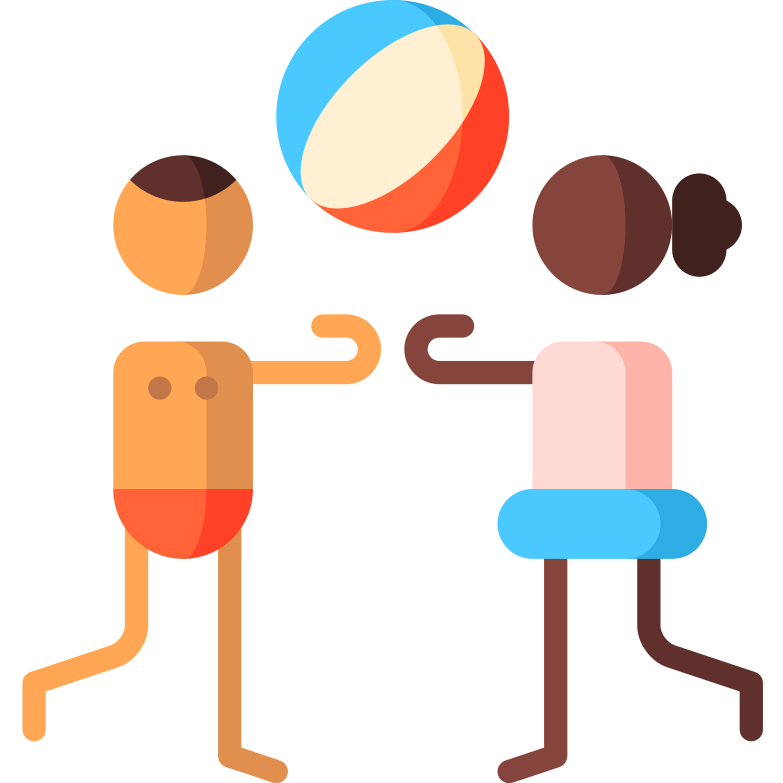
top oynamak (to play ball) Parkta çocuklar top oynuyor. (The children are playing ball in the park )
bisiklet
bicycle
binmek
to get on / ride (+dativ -a/-e(
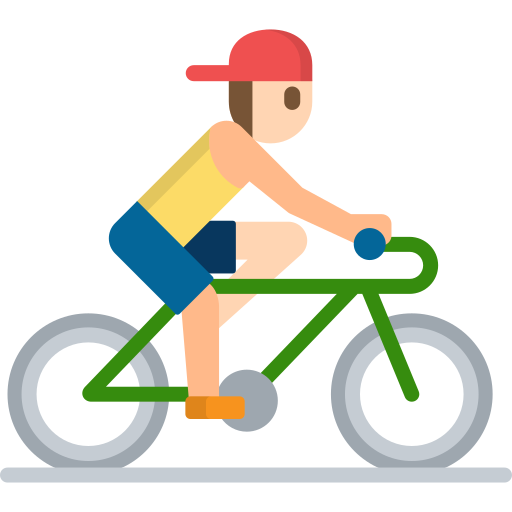
bisiklete binmek (to ride a bike) Parkta çocuklar top oynuyor, bisiklete biniyordu. (In the park, children were playing ball and riding bicycles.)
izlemek
to watch
Neşe ve dedesi bir süre izlediler. (Neşe and her grandfather watched for a while.)
uzaktan
from afar
Neşe ve dedesi bir süre uzaktan izlediler. (Neşe and her grandfather watched from afar for a while.)
onlar/onları
they/them
Neşe ve dedesi bir süre onları uzaktan izlediler. (Neşe and her grandfather watched them from afar for a while.)
haydi
lets / go on! /come on! / go ahead! ( = hadi)
Dedesi Neşe'ye "Haydi yavrum!" dedi. (Her grandfather said to Neşe:" Go ahead, little one!")
katılmak
to join
Dedesi Neşe'ye "Haydi yavrum. Sen de onlara katıl!" dedi. (Her grandfather said to Neşe:" Go ahead, little one, you, too, join them!")
yanına
next to (direction> dative)(yan =side)
Neşe çocukların yanına gitti. (Neşe went next to the children.)
sizler
you (all)
Onlara:"Ben de sizlere katılabilir miyim?" dedi. (She told them:"Can I join you, too?)
anlam
meaning
peki anlamında
in the sense of okay
Bu işi sen halledeceksin, peki anlamında?
sallamak
to shake
başlarını salladılar (they shook their heads) Çocuklar "Peki" anlamında başlarını sallardılar (The children nodded.)
ile
with/and
Neşe ile diğer çocuklar (Neşe and the other kids) Dedesi Neşe ile diğer çocukları izlemeye başladı.(Neşe and her grandfather started watching the other kids.)
bir süre sonra
after a while
parktaki
(which were)in the park
partaki çiçekler (the flowers in the park)
koparmak
to snatch/pluck
çiçekleri koparmak (to pluck flowers) çocukların çiçekleri kopardıkları (that the kids plucked the flowers)
görmek
to see
gördü (he saw) Bir süre sonra çocukların parktaki çiçekleri kopardıklarını gördü.(After a while he saw the children plucking the flowers in the park.)
onlarla birlikte
together with them
Neşe de onlarla birlikte çiçekleri koparıyordu. (Neşe too, was plucking flowers with them.)
bir olaya üzülmek
to be upset about something
Dede, bu olaya çok üzüldü. (The grandfather was very upset about this incident.)
dal
branch
dalında (on the branch) Hemen çocukların yanına gitti: "Çocuklar , çiçekler dalında güzeldir." (He immediately went to the children: "Children, flowers are beautiful on their branches.")
koparırsanız
if you tear /pluck
siz onları koparırsanız (if you pluck them)
güzellik
beauty
bu parkın güzelliği (the beauty of this park)
kaybolmak
To get lost
Siz onları koparırsanız bu parkın güzelliği kaybolur. (If you pluck them the beauty of this park gets lost.)
güzelim
beautiful
O güzelim çiçekler (those beautiful flowers)
el
hand
ellerinde (in jour (sg) hands) ellerinizde (in your (pl) hands) O güzelim çiçekler ellerinizde solar. (Those beautiful flowers fade in your hands.)
çöp
garbage
çöpe atmak
to throw away
zorunda kalmak
to have to do
Onları çöpe atmak zorunda kalırsınız. (You will have to throw them away.)
oysaki
but
Benimle gelmek istemedi, oysaki ben onunla gitmek istiyordum.
bakın
Look !
oysaki bakın (but look !)
ne güzel
how nice / how beautiful
görünmek
to seem / to look / to appear
Oysaki bakın ne güzel görünüyorlar. (But look how beautiful they look.)
burada
here
Oysaki bakın burada ne güzel görünüyorlar. (But look how beautiful they look here.)
kokumak
to smell
Dallarında ne güzel kokuyorlar. (How nice they smell on their branches.)
hak vermek
to give credit to s.o./ to say/think s.o. is right
Çocuklar, Neşe'nin dedesine hak verdiler. (The children thought Neşe's grandfather was right.)
hep birlikte
all together
Sonra hep birlikte top oynuyordu. ( Then they were all playing ball together.)
(-maya/-meye) devam etmek
to go on /to continue
Sonra hep birlikte top oynamaya devam ettiler. (Then they all continued playing ball together.)
giriş
introduction
gelişme
development / progress
sonuç
result / conclusion
giriş, gelişme ve sonuç bölümleri (introduction, development and conclusion parts)
üç
three
üç bölüm (three parts/ three chapters)
olmak üzere
including /namely / that is
giriş, gelişme ve sonuç olmak üzere üç bölüm (three parts, namely introduction, development and conclusion)
bulunur
is found / there are / se trouve(nt)
Bir hikayede giriş, gelişme ve sonuç olmak üzere üç bölüm bulunur. (A story has three parts, namely the introduction, the development, and the conclusion.)
giriş bölümünde
in the introduction
Giriş bölümünde hikâyedeki yer ve zaman ile kişiler belirtilir. (In the introduction, the place, time and people in the story are specified.)
gelişme bölümünde
in the development part
Gelişme bölümünde olay anlatılır. (In the development part the event is described.)
Sonuç bölümünde
In the conclusion section
Sonuç bölümünde hikâyedeki olayın sonucu belirtilir. (In the conclusion part, the outcome of the event in the story is stated.)
okuyunuz!
read! (pl.)
Aşağıdaki hikayeyi okuyunuz. (Read the story below.)
kutu
box
kutucuk
little box
yeşil
green
yeşil kutucukta (in the little green box)
renk
colour
renkli
coloured
yeşil renkli kutucukta (in the little green coloured box)
verilmiştir
is given
Hikâyenin giriş bölümü yeşil renkli kutucukta verilmiştir. (The introduction of the story is given in the little green coloured box.)
sarı
yellow
turuncu
orange (colour)
söyleyiniz
tell me / you (pl) tell
Sarı ve turuncu kutucuklarda hikâyenin hangi bölümlerinin verildiğini de siz söyleyiniz. (Tell which parts of the story are given in the little yellow and orange boxes.)
mola
break (work break /unscheduled)
Dinlenme molası (A break to rest)
afacan
mischievous/naughty
kardeş
brother
üç afacan kardeş (three mischievous brothers)
sıcak
hot
öğle
noon
öğleden sonra
afternoon
sıcak bir öğleden sonrası (a hot afternoon)
tat
the taste
sıcak bir öğleden sonrasının tadı (the taste of a hot afternoon)
tadı çıkarmak
to savour
sıcak bir öğleden sonrasının tadını çıkarmak (to savour the taste of a hot afternoon)
bahçe
garden
bahçede (in the garden) evlerinin bahçesinde (in the garden of their house)
arka
back
arka bahçe (backyard) Üç afacan kardeş evlerinin arka bahçesinde oynuyorlardı.(Three mischievous brothers were playing in their backyard.)
hırsız
thief

Three mischievous brothers were playing cop and robbers in their backyard to enjoy a warm afternoon.

polisçilik
pretending to be a policeman (kid's game)
hırsız-poliçilik (cops and robbers - a kid's game) Üç afacan kardeş sıcak bir öğleden sonrasının tadının çıkarmak için evlerinin arka bahçesinde hırsız-polisçilik oynuyorlardı.
istemediği halde
even though he/she didn't want
oyun
game
İstemediği halde annelerini de bu oyuna katmışlerdi.(Even though she didn't want to, they also included their mother in this game.)
zorla
by force
İstemediği halde annelerini de zorla bu oyuna katmışlerdi.(Even though she didn't want to, they also included their mother by force into this game.)
oysa
whereas / however/ but
zavallı
poor
zavallı kadın
yorulmak
to fatigue / to get tired
oysa zavallı kadın yorulmuştu (however the poor woman was tired.)
bütün
all
bütün gün (all day)
ev temizliği
home cleaning
Oysa zavallı kadın bütün gün ev temizliği ile yorulmuştu.(But the poor woman was tired from cleaning the house all day.)
uğraşmış
occupied
ev temizliği ile uğraşmış (occupied with house cleaning) Oysa zavallı kadın bütün gün ev temizliği ile uğraşmış yorulmuştu. (But the poor woman had been busy cleaning the house all day and was tired.)
çıktığında
when she went out
Biraz dinlenmek için bahçeye çıktığında (When she went out into the garden to rest a bit)
yakalanmak
to be caught
Çocuklara yakalanmıştı (She was caught by the children.) Biraz dinlenmek için bahçeye çıktığında çocuklara yakalanmıştı.(When she went out into the garden to rest a bit, she was caught by the children.)
konusunda
about /concerning / on the subject of
annelerinin oyuna katılması konusunda (about their mother to participate in the game )
ısrar etmek
to insist
Çocuklar annelerinin oyuna katılması konusunda çok ısrar etmişlerdi.(The children were very insistent that their mother participated in the game.)
can
soul
canından
dearly
canından çok sevdiği yavruları (her dearly beloved little darlings)
bu durumda bile
even in this case
kırmak
to break / to hurt /ruffle feelings
kırma beni (pretty please [don't disappoint me])
imkânsız
impossible
imkânsızdı (it was impossible) Canından çok sevdiği yavrularını bu durumda bile kırması imkânsızdı. (It was impossible for her even in this situation to hurt the feelings of her little ones, whom she loved so much.)
oynamayı kabul etmek
to agree to play
Kadın da onlarla oynamayı kabul etti.(And the woman agreed to play with them.)
tabanca
gun
oyuncak
toy
oyuncak tabancası
toy gun
bir oyuncak tabancasıyla (with a toy gun)
sırasında
during
oyun sırasında (during the game)
çocuklardan biri
one of the children
Oyun sırasında çocuklardan biri oyuncak tabancasıyla annesine dedi (During the game one of the children with a toy gun said to his mother)
vurmak
+ Acc. to shoot /+ Dat. to hit
Seni vurdum. (I shot you.) Sana vurdum. (I hit you ) Oyun sırasında çocuklardan biri oyuncak tabancasıyla annesine:"Baam! Anne seni vurdum" dedi. (During the game one of the children with a toy gun said to his mother: "Bang I shot you!")
bunun üzerine
Upon this
yere serilmek
to fall down / to lick the dust /to fall flat on the face
Bunun üzerine kadın yere serildi. (Upon this the woman fell flat onto her face.)
uzun süre
long time
yerinden kalkmak
to get up /stand up
Bunun üzerine kadın yere serildi ve uzun süre yerinden kalkmadı. (Upon this the woman fell flat onto her face and didn't get up for a long time.)
komşu
neighbour
bir komşu kadın (a neighbour's lady)
pencere
window
penceresinden (from her window) onları penceresinden izleyen bir komşu kadın (a neighbour's woman watching them from her window)
koşmak
to run
koşup (to run and...) koşup geldi (she came running) Onları penceresinden izleyen bir komşu kadın hemen koşup yanlarına geldi. (a neighbour's woman watching them from her window rushed over to them.)
yatmak
to lie down /go to sleep
yerde yatan kadın (the woman lying on the ground)
eğilmek
to bend over
Komşu kadın, yere yatan kadının üzerine eğildi. (The neighbour's lady bent down over the woman lying on the ground.)
bitkin
exhausted
üç afacanın bitkin annesi (the exhausted mother of the three rascals)
tek
single
tek göz açtı (she opened one single eye) üÜç afacanın bitkin annesi tek göz açtı ve dedi (The exhausted mother of the three rascals opened one single eye and said)
sakin
calm /quiet
Şşş... sakin (shh ...quiet)
ele vermek
to betray s.o. / to hand over s.o./to denunciate s.o.
Beni ele verme ! (Don't betray me!)
elime geçen
passing to my hand > that I have
elime geçen tek şans (the only chance I have) "Şşş ...sakin beni ele verme. Biraz dinlenebilmek için elime geçen tek şans bu." dedi.("Shh...don't betray me. It's the only chance I have to get some rest." said.)
masal
fairytale
gül
rose
yüzünde güller açan kız ('the girl in whose face roses open up' > the very happy girl)

the more I laugh the more you laugh the more he/she laughs the more we laugh...
güldükçe
the more one laughs
güldükçe yüzünde güller açan kız ( the girl which got happier the more she smiled)
varmış
there is/was (said to have been) reported tense especially used in fairytales or talking about things one has heard from third persons from
Bir kadınla iki kızı varmış. (There was a woman and her two daughters. - la, which is short for 'ile' here means 'and')
kibirli
arrogant
Büyük kız kibirliymiş. (The big girl was arrogant.)
kötü
bad
Büyük kız kibirli, kötüymüş. (The big girl was arrogant, bad.)
iyi yürekli
kind-hearted
Küçük kız iyi yürekliymış. (The little girl was kind-hearted.)
yardımsever
helpful
Büyük kız kibirli, kötü, küçük kız iyi yürekli, yardımsevermiş. (The big/old girl was arrogant, but the small/young girl was kind-hearted, helpful.)
testi
jug /pitcher
su
water
Bir gün küçük kız testi ile su getirmeye gitmiş. (One day the little girl went with a jug to fetch water.)
çeşme
fountain /well
Bir gün küçük kız testi ile çesmeden su getirmeye gitmiş. (One day the little girl went with a jug to fetch water from the well.)
doldurmak
to fill
Testisini doldurup evine gitmiş. (She filled her jug and went home.)
giderken
while going/ when she went home (-ken introduces a second action that occurs by chance at the same time as the action 1 with -ken)
Testisini doldurup evine giderken (When she had filled her jug and was going home...)
dilenci
beggar
bir dilenci kadın ondan su istemiş (A beggar woman asked her for water.) Testisini doldurup evine giderken bir dilenci kadın ondan su istemiş. (When she had filled her jug and was going home a beggar woman asked her for water. )
yoksul
poor
giyimli
dressed
yoksul giyimli bir dilenci kadın (a poorly dressed beggar woman)
ihtiyar
old
ihtiyar, yoksul giyimli bir dilenci kadın (an old, poorly dressed beggar woman)
yolda
on the way
Testisini doldurup evine giderken yolda ihtiyar, yoksul giyimli bir dilenci kadın ondan su istemiş.(When she had filled her jug and was going home, an old, poorly dressed beggar woman asked her for water on the way.)
uzatmak
to extend / (to give/to hand over)
Küçük kız testisini uzatmış (The little girl held out her jug.) Küçük kız testisini uzatıp demiş (The little girl held out her jug and said.)
buyur
Go ahead/ be my guest
teyze
aunt (maternel) (also used for elder people to show respect)
teyzeciğim (auntie)
iç
drink !
Küçük kız testisini uzatıp "Buyur teyzeciğim iç", demiş (The little girl held out her jug and said: "Be my guest,auntie, drink!".)
rahat
comfortable... (compound)
Rahat içmesi için (that she could drink comfortably/ for comfortable drinking )
kaldırmak
to lift up / to hold up
Rahat içmesi de için testisini kaldırmış.(She also lifted her jug so that she could drink comfortably.)
yardımcı
helper
yardımcı olmak
to help
ona yardımcı olmuş (She helped her.) Rahat içmesi de için testisini kaldırarak ona yardımcı olmuş. (She also helped her by lifting up her jug so that she could drink comfortably.)

Learning with DuoCards

What is DuoCards?

DuoCards is a language-learning app that helps you build vocabulary with flashcards. You can save words you want to learn and practise them over time.

How do I learn with this set?

Browse the flashcards to see the words and their translations. Select Card picker and choose the words you want to learn. Then create a free account to save your words and practise them.

How do I practise my words?

You'll see a flashcard with a word and a hidden translation. Guess what it means, then tap to check your answer. DuoCards repeats the words you find difficult.


Do I need an account, and is learning free?

You can browse this page without an account. A free account lets you save words and track your progress. The free plan has limits, and Premium offers additional features.