clothes

Interactive flashcards for learning vocabulary

Englishmoderateby muratu1996murodjon
Flashcards: 61

Save words from this page and practise them with flashcards in DuoCards. How does it work?

Suit.
1. “He wore a suit to the meeting.” 2. “I bought a new suit yesterday.” 3. “The groom looked handsome in his suit.”
Blazer
1. “She wore a blazer over her dress.” 2. “I like wearing a blazer to work.” 3. “He bought a navy blazer.”
Tuxedo
1. “He wore a tuxedo at the wedding.” 2. “The actor looked elegant in a tuxedo.” 3. “I rented a tuxedo for the party.”
Vest / Waistcoat
1. “He wore a vest under his suit.” 2. “I bought a waistcoat for formal events.” 3. “The vest matched his trousers.”
Dress shirt
1. “He wore a white dress shirt.” 2. “I ironed my dress shirt this morning.” 3. “She bought a new dress shirt.”
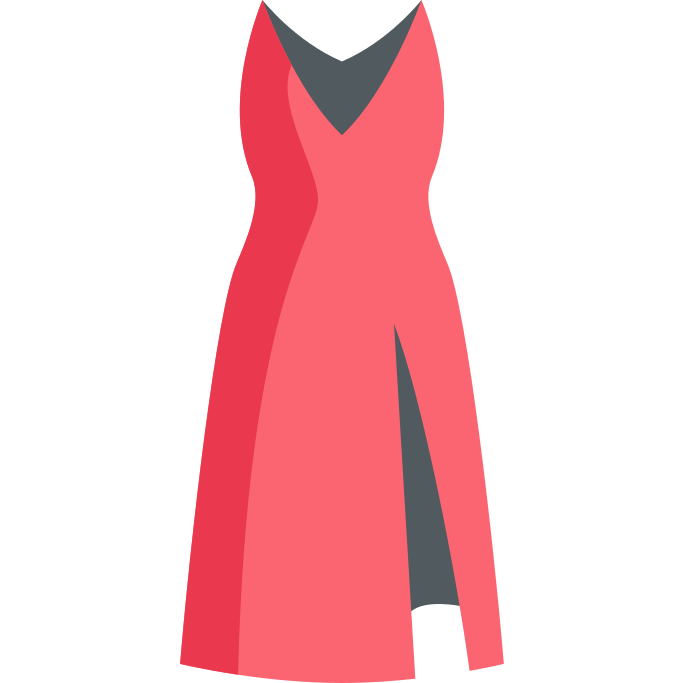
Evening gown
1. “She wore an evening gown to the gala.” 2. “The evening gown was very elegant.” 3. “I love her red evening gown.”
Tracksuit
1. “He wore a tracksuit to the gym.” 2. “I bought a new tracksuit yesterday.” 3. “She likes wearing tracksuits at home.”
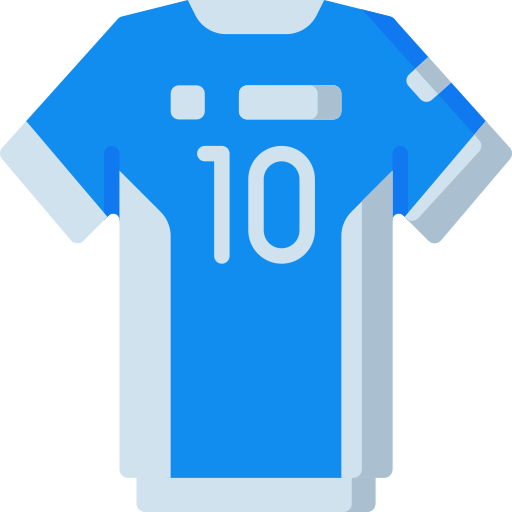
Jersey
1. “He wore a football jersey.” 2. “I bought a jersey of my favorite team.” 3. “The player signed my jersey.”
Leggings
1. “She wore leggings to yoga class.” 2. “I bought black leggings.” 3. “Leggings are comfortable for running.”
Sports bra
1. “She wore a sports bra at the gym.” 2. “I bought a new sports bra.” 3. “Sports bras are good for exercise.”
Sneakers
1. “He wore sneakers to school.” 2. “I bought white sneakers.” 3. “Sneakers are comfortable for walking.”
Onesie
1. “The baby wore a onesie.” 2. “I bought a cute onesie for my child.” 3. “Onesies are easy to wear.”
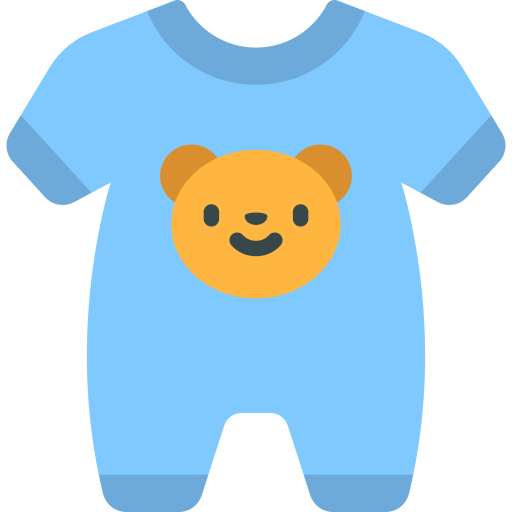
Romper
1. “She dressed her baby in a romper.” 2. “I bought a summer romper.” 3. “Romper suits are popular for kids.”
School uniform
1. “Students wear a school uniform.” 2. “I bought a new school uniform.” 3. “School uniforms are required here.”
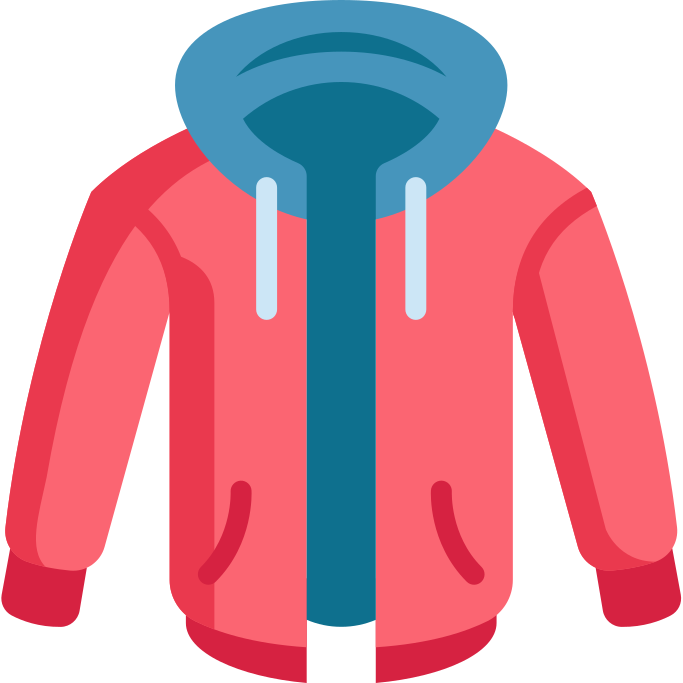
Hoodie
1. “He wore a hoodie to class.” 2. “I bought a black hoodie.” 3. “Hoodies are warm and comfortable.”
Cardigan
1. “She wore a cardigan over her blouse.” 2. “I bought a wool cardigan.” 3. “Cardigans are good for autumn.”
Windbreaker
1. “He wore a windbreaker while hiking.” 2. “I bought a light windbreaker.” 3. “Windbreakers are useful in spring.”
Swimsuit / Bikini
1. “She wore a swimsuit at the beach.” 2. “I bought a bikini for summer.” 3. “Swimsuits are needed for swimming.”
Uniform
1. “He wore a military uniform.” 2. “I bought a work uniform.” 3. “School uniforms are common here.”
Apron
1. “She wore an apron while cooking.” 2. “I bought a kitchen apron.” 3. “Aprons protect clothes from stains.”
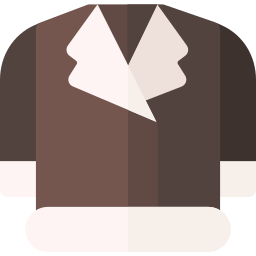
Coat
1. “He wore a long coat.” 2. “I bought a winter coat.” 3. “She put on her coat before leaving.”
Pants/Trousers
1. “He wore trousers to work.” 2. “I bought new pants yesterday.” 3. “She likes wearing trousers.”
Shorts.
1. “He wore shorts in summer.” 2. “I bought running shorts.” 3. “She likes wearing shorts at home.”
Sneakers.
1. “He wore sneakers to school.” 2. “I bought white sneakers.” 3. “Sneakers are comfortable for walking.”
Boots
1. “He wore boots in winter.” 2. “I bought leather boots.” 3. “She likes wearing boots.”
Slippers
1. “He wore slippers at home.” 2. “I bought warm slippers.” 3. “She likes wearing slippers indoors.”
High heels
1. “She wore high heels to the party.” 2. “I bought black high heels.” 3. “High heels make her taller.”
Cap
1. “He wore a cap to school.” 2. “I bought a baseball cap.” 3. “She likes wearing caps.”
Belt
1. “He wore a belt with his trousers.” 2. “I bought a new belt.” 3. “The belt matched his shoes.”
Tie.
1. “He wore a tie to the meeting.” 2. “I bought a red tie.” 3. “She gave him a tie as a gift.”
Bag
1. “She carried a bag to work.” 2. “I bought a leather bag.” 3. “The bag was full of books.”
Pajamas
1. “He wore pajamas at night.” 2. “I bought new pajamas.” 3. “She likes wearing pajamas at home.”
Bathrobe
1. “He wore a bathrobe after shower.” 2. “I bought a soft bathrobe.” 3. “She likes wearing a bathrobe.”
Underwear
1. “He bought new underwear.” 2. “I wear clean underwear daily.” 3. “She folded her underwear neatly.”
Stockings
1. “She wore stockings with her dress.” 2. “I bought black stockings.” 3. “Stockings are common in winter.”
Naked
1. “The child was naked in the water.” 2. “He stood naked in the room.” 3. “She felt embarrassed being naked.”
Bare
1. “His arms were bare.” 2. “She walked with bare shoulders.” 3. “The wall looked bare without pictures.”
Undressed
1. “He was undressed before changing clothes.” 2. “She felt cold while undressed.” 3. “The actor appeared undressed in the scene.”
Without clothes
1. “He was without clothes after swimming.” 2. “The baby lay without clothes.” 3. “She stood without clothes in the room.”
Half-dressed
1. “He came to the door half-dressed.” 2. “She was half-dressed when the guests arrived.” 3. “I saw him half-dressed in the morning.”
Topless
1. “He was topless at the beach.” 2. “She walked topless in the sun.” 3. “The man exercised topless.”
Barefoot
1. “He walked barefoot on the grass.” 2. “She ran barefoot on the sand.” 3. “Children often play barefoot.”
Baby bib
1. “The baby wore a bib while eating.” 2. “I bought a colorful baby bib.” 3. “She put a bib on her child.”
Diaper
1. “The baby needs a clean diaper.” 2. “I changed the diaper this morning.” 3. “She bought a pack of diapers.”
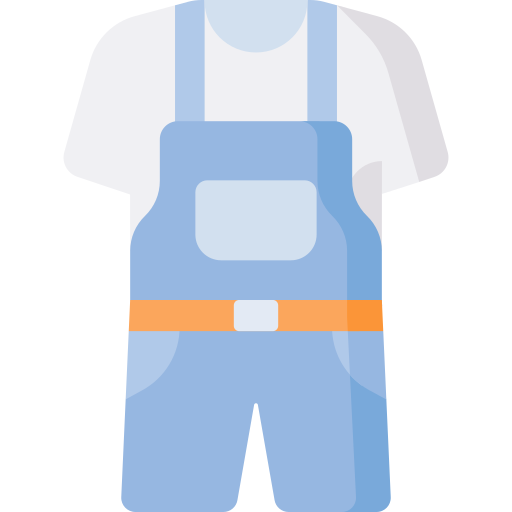
Overalls
1. “He wore overalls while working.” 2. “The farmer put on his overalls.” 3. “Children often wear denim overalls.”
Yoga pants
1. “She wore yoga pants to class.” 2. “I bought new yoga pants.” 3. “Yoga pants are comfortable.”
Cycling shorts
1. “He wore cycling shorts for the race.” 2. “I bought black cycling shorts.” 3. “Cycling shorts are tight-fitting.”
Gown
1. “She wore a gown at the ceremony.” 2. “I bought a wedding gown.” 3. “The gown looked elegant.”
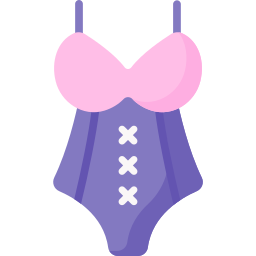
Corset
1. “She wore a corset under her dress.” 2. “Corsets were popular in history.” 3. “The corset shaped her waist.”
Tights
1. “She wore tights in winter.” 2. “I bought black tights.” 3. “Tights are common with skirts.”
Mini skirt
1. “She wore a mini skirt to the party.” 2. “I bought a red mini skirt.” 3. “Mini skirts are fashionable.”
Pullover
1. “He wore a pullover at home.” 2. “I bought a wool pullover.” 3. “Pullovers are easy to wear.”
Suspenders
1. “He wore suspenders with his trousers.” 2. “Suspenders were popular in the past.” 3. “The suspenders matched his shirt.”
Workwear
1. “He wore workwear at the factory.” 2. “I bought protective workwear.” 3. “Workwear is required for safety.”
Lab coat
1. “The scientist wore a lab coat.” 2. “I bought a white lab coat.” 3. “Doctors often wear lab coats.”
Chef’s uniform
1. “The chef wore a uniform in the kitchen.” 2. “I bought a chef’s uniform.” 3. “Chef’s uniforms are usually white.”
Protective gear
1. “He wore protective gear at work.” 2. “I bought protective gear for construction.” 3. “Protective gear keeps workers safe.”
Nightgown
1. “She wore a nightgown to bed.” 2. “I bought a silk nightgown.” 3. “Nightgowns are comfortable for sleeping.”
Swim trunks
1. “He wore swim trunks at the pool.” 2. “I bought blue swim trunks.” 3. “Swim trunks are common for men.”
Sarong
1. “He wore a sarong at the beach.” 2. “I bought a colorful sarong.” 3. “Sarongs are popular in Asia.”
tan blazer

Learning with DuoCards

What is DuoCards?

DuoCards is a language-learning app that helps you build vocabulary with flashcards. You can save words you want to learn and practise them over time.

How do I learn with this set?

Browse the flashcards to see the words and their translations. Select Card picker and choose the words you want to learn. Then create a free account to save your words and practise them.

How do I practise my words?

You'll see a flashcard with a word and a hidden translation. Guess what it means, then tap to check your answer. DuoCards repeats the words you find difficult.

Do I need an account, and is learning free?

You can browse this page without an account. A free account lets you save words and track your progress. The free plan has limits, and Premium offers additional features.