
Course for absolute beginners (A1)English words
by DuoCards
*Welcome to the course for complete beginners!*
This course will guide you through the basics of English. It will help you understand fundamental grammar while introducing useful phrases and key vocabulary for everyday situations.
We'll start with essential expressions, such as greetings and thanking others. Let's go!

Hello!
Hello and welcome to the course.

My name is...
My name is Paul.

Thank you!
Thank you for your help!

please
Could you please help me with my homework?

How are you?
How are you today?

I am fine.
How are you? - I am fine!
Excuse me?
Excuse me, are you John?

I don't understand.
sorry
I'm sorry.

a name
What is your name?

What's your name?

good
The weather is good.

bad
The weather is bad.

Goodbye!
Goodbye! I hope to see you soon.
*Where are you from?*
It is important to know how to say where you are from. You can answer in two ways:
"I am from..."
"I come from..."
"Where are you from?"
"I am from Spain." or "I come from Spain."
Where are you from?
Where are you from? - I am from Germany.

I am from ...
Where are you from? - I am from France.

I come from...
I come from Canada.

Coffee, please.
Can I get a coffee, please?

Yes, please!
Would you like some water?
- Yes, please!

the friends
I like my friends.

Yes or no?
Do you want to go to the park? Yes or no?

to like
I like ice cream.

also
Juan is also from Chile.

small
Ukraine is not small.

big
Canada is big.

a country
I like my country.

I am from a small country.
Peter is from a big country.
*The verb TO BE*
Take a look at the forms of the verb "TO BE" in the first three persons:
Here is how it goes:
"I am"
"you are"
"he/she/it is"
Notice that "I" is *always capitalized.*

You are beautiful.
Everyone thinks you are beautiful.

He is a man.
He is a tall man.
She is a woman.
She is a beautiful woman.

to live in
We live in a big house.

You live in a house.
I live in a house with my family.

Are you Paul?
Excuse me, are you Paul?

I am not Paul. I am John.

my friend
You are my best friend.

He is my friend.
He is my best friend.
I am fine, thank you.
I'm good, thanks.
*One coffee, please!*
Did you come across a cozy café on your travels? Let's learn how to order coffee or ask for the bill.

coffee with milk
Can I have a coffee with milk, please?
a café
A woman in the café asked for a coffee.

Can I see the menu, please?

How much is it?
How much is the coffee, please?

One cappuccino, please.
Can I have one cappuccino, please?

tea
I would like a cup of tea, please.

a cup of tea with sugar
Can I have a tea with sugar, please?

a coffee to go
I'll have a coffee to go, please.

Can I have a coffee to go?

a cake
Can I have a slice of cake?

Can I also get a slice of cake, please?

It was delicious!
The cake was delicious!

Can I have the bill, please?

a bank card
Can I pay by card, please?

cash
They only accept cash.

Can I pay by card?

Sorry, we only accept cash.
*Indefinite and definite articles*
"a dog" - We use the indefinite article when we're not talking about a specific thing. We also use the indefinite article when we are talking about something for the first time.
For example: "There is a dog."
Indefinite articles are only used for singular words, *plurals do not have an indefinite article.*
"the car" - We use the definite article when we refer to something or someone we have already mentioned before or when it is clear from the context what or who are we talking about.
For example:
"The car is big."
"The dog that attacked me ran away."

a dog
I want to have a dog.

a man
There is a man.

a woman
A woman in the café ordered a cappuccino.

and
A mother and a child.
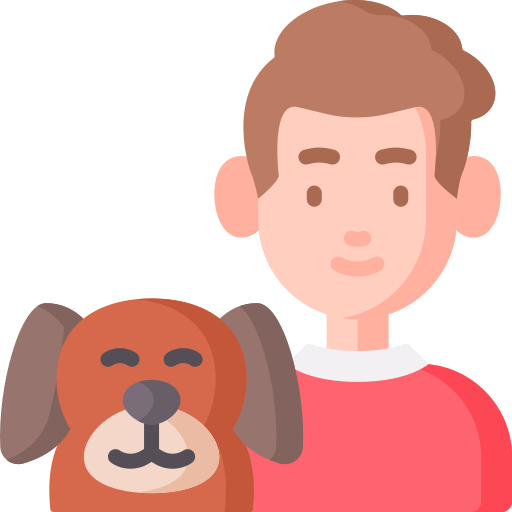
a man and a dog
I can see a man and a dog.

a child
The woman has a child.

to play
The children play football outside.

The child plays.
The child plays with the car.
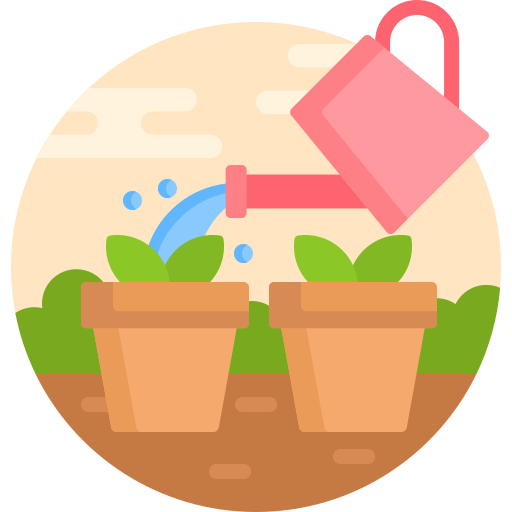
a garden
We have a big garden.
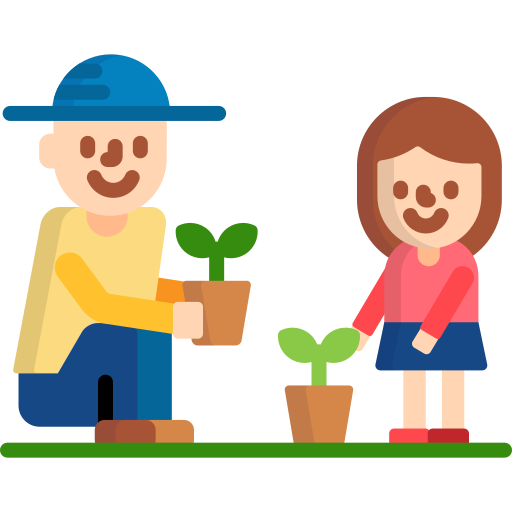
They play in the garden.
Every afternoon, the children play in the garden.
*When do we use AN instead of A?*
If a word begins with a consonant, we use the form "a". If a word begins with a vowel sound, we use the form "an".
"a pen"
"an apple"

an apple
There is an apple.

to eat
The man is eating an apple.

He eats an apple.
He eats an apple every day.

an hour
I had to wait for more than an hour.

It's a boy
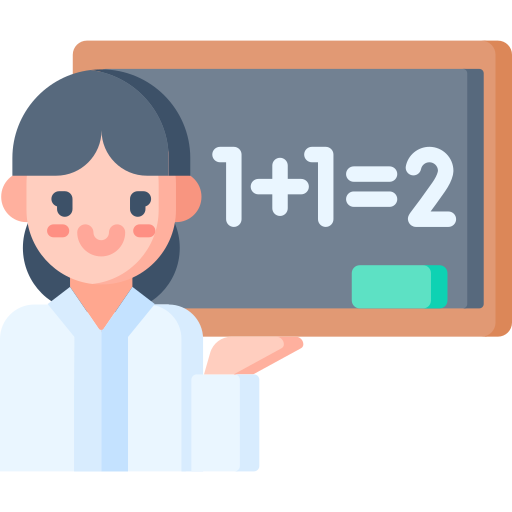
a teacher
I like my teacher.

She is a teacher.
*Present simple*
Usage: When we want to express habits, repeated actions, general truths, emotions, and wishes.
In English, all persons have the same form, except for the 3rd person singular.
In most cases, the suffix *-s* is added in the 3rd person singular:
"I live in Prague."
"My sister lives in London."

I drink
I drink coffee every day.

He eats healthy.
He eats healthy to stay fit and strong.

You eat pizza.
I eat cake.
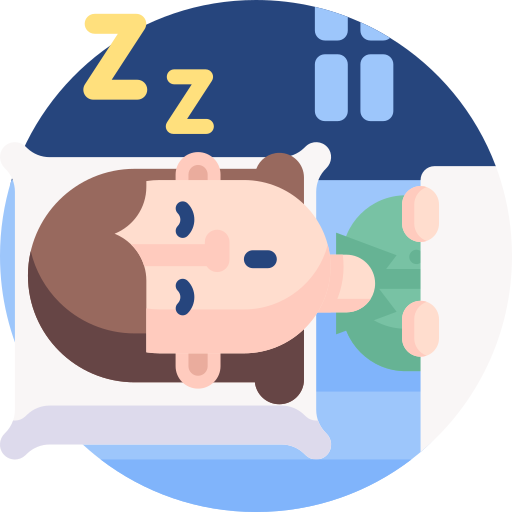
she sleeps
She sleeps 8 hours a day.

we go
We go to the cinema once a month.
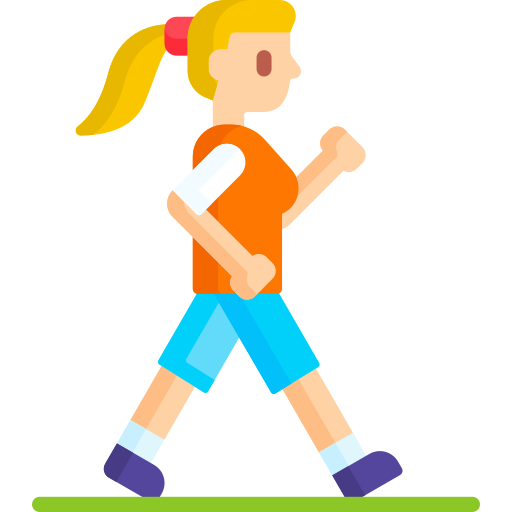
She goes alone.
She goes alone to the store.

I read
I read a book every night before bed.

He reads a book.

They read a lot.
They read a lot of books.
*Endings change sometimes*
If the verb ends with *-y* which follows a consonant, for the 3rd person singular we remove *-y* and add *-ies*:
"I study English."
"He studies English."
We add the suffix *-es* in the 3rd person singular if the verb ends in *-sh*, *-ch*, *-x*, *-o*, *-ss*, *-zz*:
"I wash my hands."
"He washes his hands."

She studies a lot.
She studies a lot to get good grades.

He studies English.
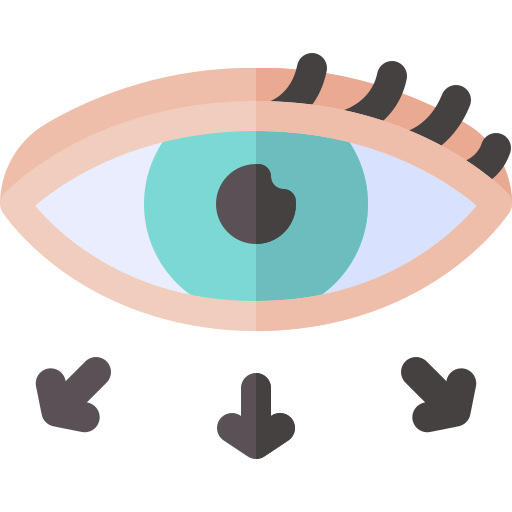
to watch
We watch the movie in the class.

a movie
The action scenes were not bad in the movie.

He watches movies.

She watches the dog.
She watches the dog every Friday.

to wash
I always wash my hands.
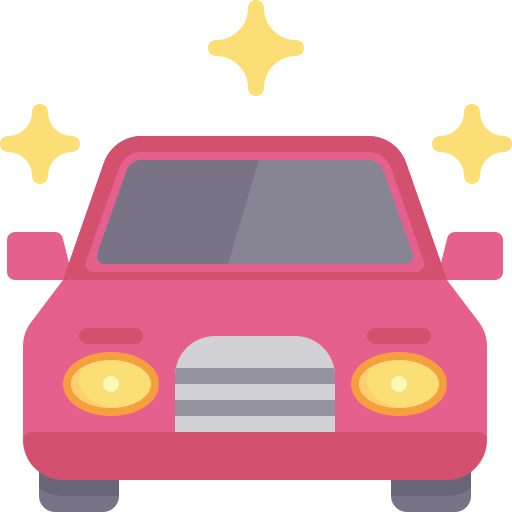
She washes the car.
She washes the car every Saturday.

He washes his hands.

The boy washes the apple.
*Asking for directions*
If you get lost while traveling or are unsure about something, don’t hesitate to ask the locals. It’s a great way to practice the language. Here are a few phrases to help you handle it with ease.

Where is the bus station?
Do you know where the nearest bus station is?

bus station
The bus station is located near the park.

an airport
How much is a ticket to the airport?

Which bus goes to the airport?
Excuse me, which bus goes to the airport?

a train
The train arrives at 3 PM.

How do I get to the train station?
I’m lost. How do I get to the train station?
I got lost.
I got lost. Can you help me?

Can you help me?

a shuttle bus
Is there a shuttle bus to the airport?

Where is the public bathroom?

right
Please turn right at the next corner.

left
Turn left at the corner.

straight
Go straight, then turn left.
Go straight and then turn left.

a street
She walked down the street.

the end of the street
We need to walk to the end of the street to find the bus stop.

Turn right at the end of the street.

Where can I find a taxi?
Excuse me, where can I find a taxi?

to show
I will show you my favorite café.

Can you show me on the map?
Can you show me on the map where the nearest restaurant is?

How long does it take to get there?
Can you tell me how long it takes to get to the airport?
*Time expressions in present simple tense*
Use these expressions to specify when or how often you do something.
"often"
"usually"
"sometimes"
"always"
"never"
"every day/week/year/"

usually
He usually arrives home at about one o'clock.
every day
I study every day.

I go to school every day.
I go to school every day by bus.

on Saturday
What do you usually do on Saturday?

always
The sun always rises in the east.

a year
He is four years old.

to travel abroad
We travel abroad every year.

often
We often go to the cinema.

a month
July is my favourite month.

He never says hi.
I always say hi to him, but he never says hi back.
to smoke
My grandparents smoke every day.

She never smokes.
My sister is very health-conscious. She never smokes.
I practice English every day.
I practice English every day by reading books, watching movies, and speaking with native speakers.
*The verb TO HAVE*
Since this verb is irregular, there are two ways of writing it in the present: "have" or "has", and deciding to use one or the other depends on the subject of the sentence.
"I have" "you have" "he/she/it has" "we have" "you have" "they have"
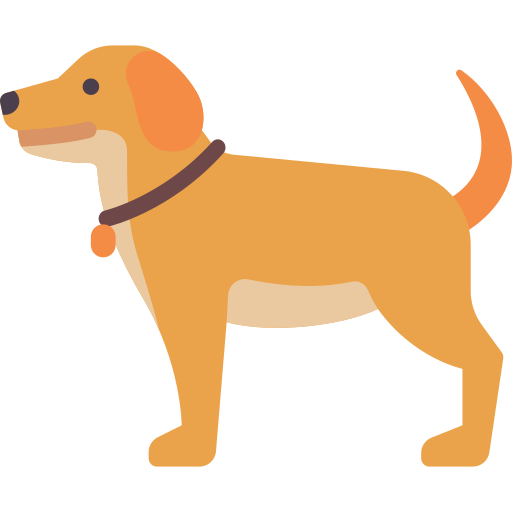
We have two dogs.
We have two dogs, a golden retriever and a poodle.

I have a child.
You have a child.
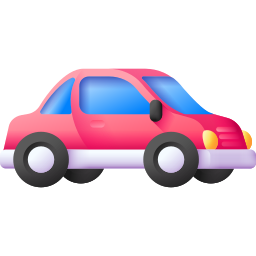
You have a car.
You have a big car.

He has it.
She has a book.

The teacher has a book.
I have a book.

an aunt
My aunt has a small garden.
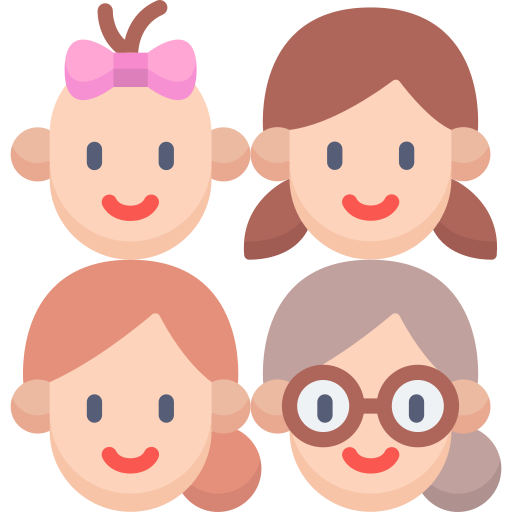
My aunt has three children.
My aunt has three children and they all have different personalities.

an uncle
My uncle has a small house.

My uncle has a small restaurant.

beautiful eyes
You have beautiful blue eyes.
She has beautiful eyes.
He has beautiful eyes.
*Three main auxiliary verbs*
"Do", "be" and "have" are three main *auxiliary verbs* in English. You already know the verb "to have" and the singular of "to be".
For the *plural subject pronouns* you only need to remember one form of the verb "to be" which is "are". That's easy, right?
"I am"
"you are"
"he is" /"she is"/"it is"
"we are"
"you are"
"they are"

You are my best friend.
I don't know what I would do without you. You are my best friend.

I am happy.
I am happy for you.

a colour
What is your favorite colour?

Red is a beautiful colour.

a student
He is a very good student.

very good
He is a very good boy.

My sister is a very good student.

He is a good boy.

They are my friends.
They are my friends from school.

We are here.
We are here to see my uncle.

We are from Austria.
We are from Austria. Where are you from?
*The verb TO DO*
The verb "to do" can function as an auxiliary verb as well as a main verb! Here is how we conjugate the verb "to do":
"I do"
"you do"
"he/she/it does"
"we do"
"you do"
"they do"

I do it.
It's good to exercise—I do it every day to stay healthy.

You do it.
You do it very well.

she does
She does her homework every day.

a homework
I do my homework everyday.

We do the homework.
We do the homework after school.

a lot
I cook a lot.

yoga
She does yoga to relax.

They do a lot of yoga.
*Meeting new people*
In this section, we’ll explore how to introduce ourselves and ask questions to learn more about others.
What is your name?
Hi! What is your name?

My name is Peter.

Nice to meet you!

My name is Mary. And yours?
How old are you?

I am 29 years old.
I am 29 years old. And you?

Where do you come from?
I come from Egypt. Where do you come from?

Where do you live?
When I met my new friend, I asked, "Where do you live?"
What are your hobbies?

I like reading.
like reading in the evenings.

I love sports.
I love sports, especially basketball.

I like traveling.
I like traveling to new places every summer.

What is your job?
I’m a dentist. What do you do for a living?

What do you do for living?
I'm curious, what do you do for a living?

I am an engineer.
I am a mechanical engineer.
I work as a teacher.
I work as a teacher in a primary school.
*Questions*
We can use "do" to make *question forms*. When the subject is *he, she* or *it*, we add *DOES* at the beginning to make the affirmative sentence a question. Notice that *the letter S at the end of the verb in the affirmative sentence (because it is in third person) disappears in the question.*
Here are some examples:
"Do you work here?"
"Do you like chocolate?"
"Does she speak Spanish?"
"Does it work?"
These questions can be answered with *yes or no*.
In questions that use *do/does* it is possible to give short answers to direct questions as follows:
"Do you speak English?" - "Yes, I do."

Does it work?
Does it work for you?

to rain
It rains often here.

Does it rain?
Does it rain often here?

an ice cream
Chocolate ice cream is the best!

Do you like ice cream?

Do you speak English?
Do you speak English? - Yes, I do.

Does she have a cat?
Does she have a cat? - Yes, she does.

siblings
I have two siblings.

Do you have siblings?
Do you have siblings? - No, I don't.

Do you play soccer?
Do you play soccer? - Yes, I do.
*Questions with TO BE*
Most questions are formed by *changing the word order* in the sentence.
Basic sentence: subject + am/is/are "She is from Spain."
Question: am/is/are + subject "Is she from Spain?"
Are you all right?
Are you all right? - Yes, I am.

Is it your dog?

Am I right?
I think the meeting is at 3 PM. Am I right?

Is he from England?
Is he from England or France?
Is she a teacher?

Are they siblings?
Are they siblings or not?

at home
We stay at home.

Are they at home?

true
a true story

Is it true?
Is it true? - Yes, it is.
*WH questions*
These questions cannot be answered yes or no. The rules of question formation are the same like those above, except that an extra question word appears at the beginning ("what", "why", "where", "when", "whom", "whose", "how")
"Where is he?" - "He is here."
"What do they like?" - "They like pizza"

Where are you?
Where are you right now?

Who is it?
When the phone rang, I asked, "Who is it?

It's my mother.
Who is it? - It's my mother.

to work
Where does your sister work?

Why are you here?
Why are you here now?
What time is it?
What time is it, please? Are we late?
When does the movie start?
When does the movie start? - It starts in two hours.

How far is the cinema?
How far is the cinema from here?
*HOW questions*
"How" can be used with other words to make different types of questions, for example:
"how far", "how long", "how many".
Besides those, how can be used *with adjectives* to make questions for example:
"How difficult is it?"
"How old is he?"
How much?
How much does the car cost?

the ticket
The ticket is too expensive.
How much is the ticket?
How much is it?
old
The old man is very kind.

young
He is very young.

How old is your sister?
How old is she? - She is very young.

How far is the park?
How far is the park from here?

How many apples do you want?

How long is the movie?

How often?
How often do you cook?

How often do you travel?
How often do you travel during the summer?
*Negatives*
We make negatives by putting "not" after the verb. If there are two verbs in the sentence, we always put "not" after the first one. Just like in these example sentences:
"We do not work here."
"She does not speak English."
"They are not here."
"I am not your friend."
*Hint: don't is the short form of do not*, just like *aren't* is a short form of *are not* and *isn't* of *is not*.
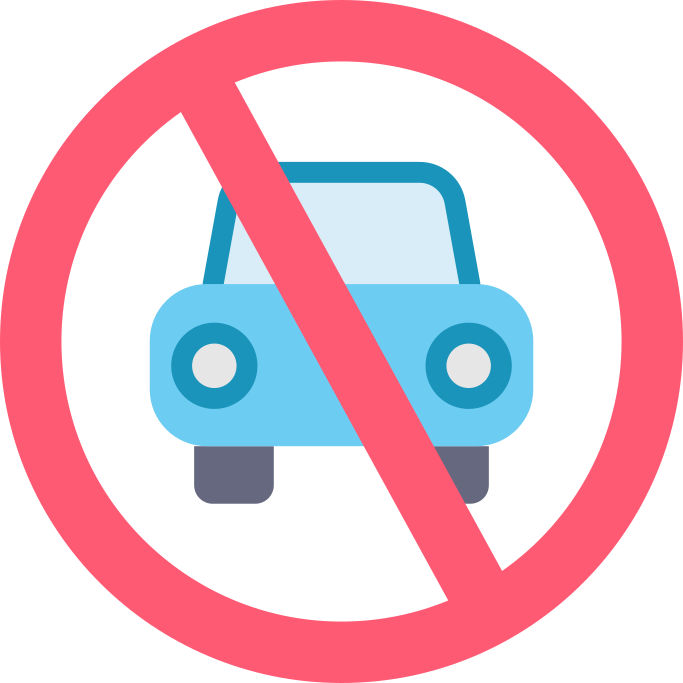
I do not drive.
I do not drive the bus.
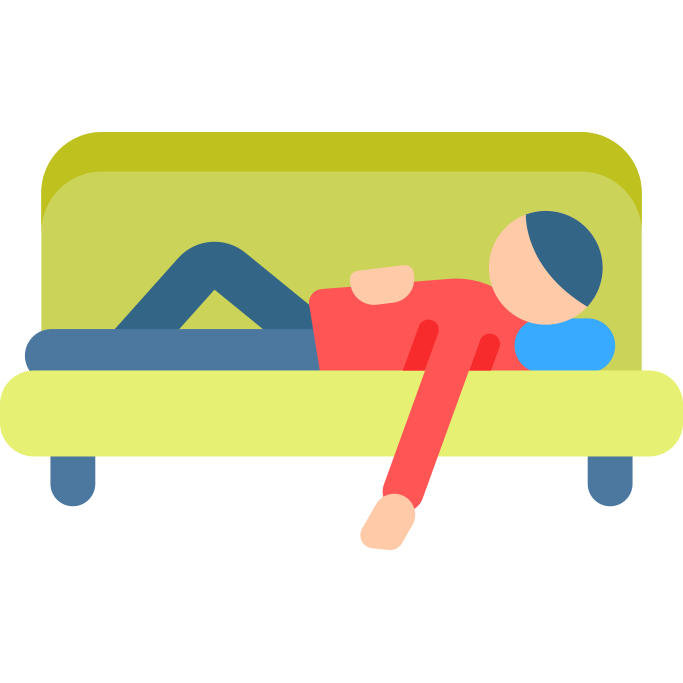
He doesn't work.

angry
He is angry.

We aren't angry.

not bad
The movie is not bad.

The food is not bad.
The food is not bad at the restaurant.

I don't like pizza.

We don't like ice cream.

at school
She isn't at school.

She isn't at school.
Where is she? She isn't at school.

They aren't at home.

I don't play the piano.

to speak
Do you speak English?
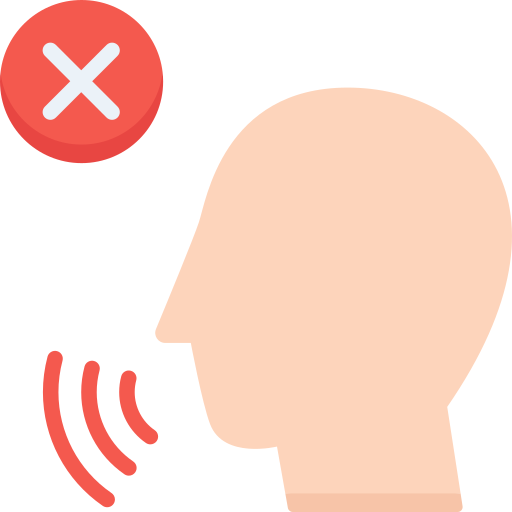
We do not speak English.
We don't speak English.
*Describe a person*
Let’s learn how to describe a person using the verbs "to have" and "to be" that you already know, along with some practical adjectives.

He has long hair.
He has long beautiful hair.

She is very tall.
His sister is very tall.

He's younger than she is.
Her brother is younger than she is.

She is older than he is.

She has short hair.
Many people think she looks great with her short hair.

Is your brother short or tall?

He has brown eyes.

She has blue eyes.
She is tall and has blue eyes.

They are young.
They are young and full of energy.
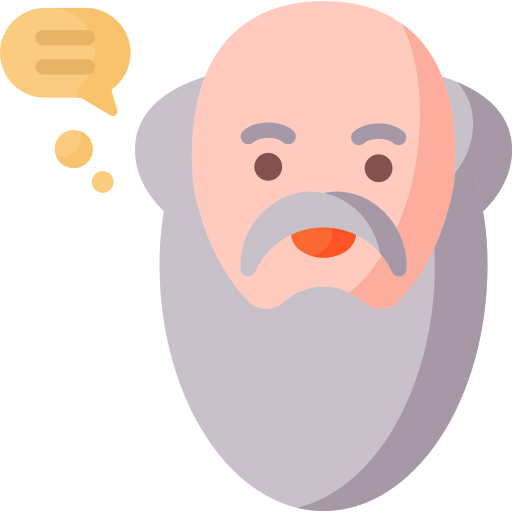
He is old.
My grandfather is old.

I have curly hair.
I have short curly hair.
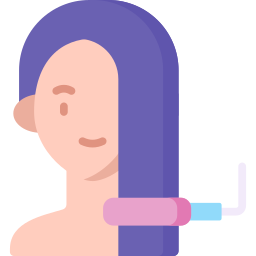
She has straight hair.
She has straight hair, and she loves to wear it down.
*Plurals*
The plural is mostly formed simply by adding the ending *-S* to the noun.
For example:
"a girl" - "girls"
"a song" - "songs"
If the word ends in ‑s, ‑sh, ‑ch, ‑x, or ‑z, we add *-ES*
"a bus" - "buses"
If the word ends in a *Y* following a consonant, we change the *Y* to an *I* and add *-ES*
"a strawberry" - "strawberries"
There are also some irregular plurals, for example:
"a child" - "children"
"a woman" - "women"
"a man" - "men"
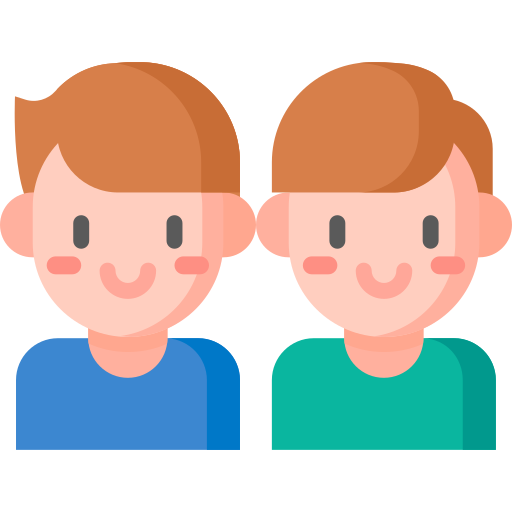
brothers
I have two brothers.

children
There are a lot of children in the park.
Do you have children?

still
She still works there.

because
She is happy because she got a new puppy.

a strawberry
How much are the strawberries?

I like strawberries.
I like strawberries because they are sweet.

men
These two men have curly hair.

horses
Our neighbours have three horses.

these men
Do you know these men?
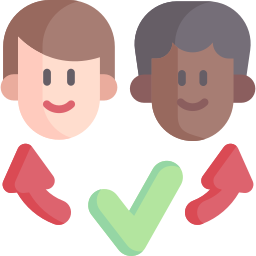
These two men are best friends.

These women are beautiful.
"There is" / "There are"
These phrases express that something is somewhere:
A positive sentence:
"There is a dog."
"There are two boys."
Question: "Is there a house?" Answer: "Yes, there is./No there is not."
Question: "Are there trees in the garden?" Answer: "Yes, there are./ No, there are not."
Negative:
"There is not a problem."
"There are no trees in the garden."

a bird
There is a black bird.

a roof
This house has no roof.
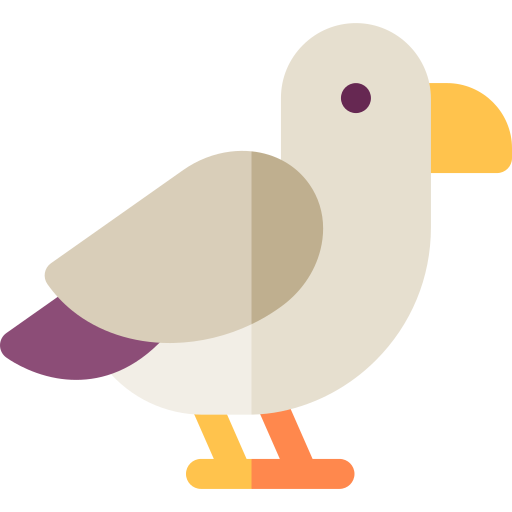
There's a bird on the roof.

a supermarket
I need to go to the supermarket to buy some eggs.

Is there a supermarket around here?

an egg
I like eggs.

a fridge
The food is in the fridge.

There are six eggs in the fridge.

There's a dog on the street.

a monkey
There are many monkeys in the jungle.

Are there monkeys in the jungle?

a room
My room is big.

free
Refreshments will be available for free.

available
The book is available at the library.
"SOME" / "ANY"
We use "some" in positive sentences for countable plural nouns (when we don't know the exact amount) and for uncountable nouns.
"I have some flowers"
"There is some milk in the fridge"
We use "any" in negative sentences and questions.
"I do not have any flowers."
"Is there any milk?"

I have some news.

Any ideas?
I'm not sure what to do next. Any ideas?

I have some ideas.

He does not have any friends.
He hasn't got any friends.

to stay
Do you stay at home?

Some students stay at home.

to want
I want an apple.

I want some apple juice.

There are some apples in the kitchen.

Is there any milk left?
Is there any milk left in the fridge?

free time
What do you do in your free time?

I do not have any free time.
*Demonstrative pronouns*
"THIS/THESE" - Used when the object being pointed to is close.
"this book" - singular
"these books" - plural
"THAT/THOSE" - Used when the object we are pointing at is farther away.
"that book" - singular
"those books" - plural

this bag
What's in this bag?

That man is my friend.

a puppy
I want a puppy.

to look
Look at me.

Look at these puppies!
Look at these kittens! They're playing with a ball of yarn.

people
Those people are funny.

over there
I left my keys over there on the table.

Is the supermarket over there?
those people
Those people over there are our friends.

those books
Are those books new?

to put
Put it on the table.

these strawberries
Put these strawberries in the bag.
*Weather talk*
Weather is a topic that's often discussed, as it changes almost every day. Let's look at some useful phrases so you can talk about what's happening outside!😉

What’s the weather like today?
I forgot my umbrella! What’s the weather like today?

It's raining.
It's raining, so we should take an umbrella.

an umbrella
I need an umbrella because it's raining.

The weather is nice.
Today, the weather is nice, so let's go to the park.

It's sunny.
I love it when it's sunny outside.

It’s hot outside.
Don’t forget to bring water; it’s hot outside.
The weather is bad today.

It’s cold.
It’s cold outside, so don’t forget your jacket.

It’s snowing.
Look outside! It’s snowing!

It’s cloudy.
When it’s cloudy, I like to stay inside and read a book.

It's windy.
It's windy today, so I will wear a jacket.

It looks like it's going to rain.
*Possessive pronouns*
*Dependent* - they stand before the word they are connected to and they never occur independently.
"my", "your", "his", "her", "its", "our", "your", "their"
"This is my car."
*Independent* - can stand alone in a sentence or behind a noun
"mine", "yours", "his", "hers", "its", "ours", "yours", "theirs"
"This car is mine."
her voice
Her voice sounds amazing.

our son
Our son likes to play football.

their daughter
Their daughter plays the guitar.

Our son and their daughter are friends.

What's your address?

his fault
This is his fault.

It's not my fault.

That house is ours.
That house is ours. We bought it last year.

This drink is mine.

Is this car yours?

The child is theirs.
*Expressing possession:*
We add *'s* when the things are owned by people, but it can also be used with animals, organizations, and even some time expressions.
"This is my sister's dog."
"What are the government’s plans?"
"Today’s news."
In plural we add only apostrophe (*'*) without *s*:
"Our sisters' dresses are long."

today's news
We watched today's news.

my sister's dog
My sister's dog is very friendly.

I play with my sister's dog.
with
They play with my son.
your father's car
Your father's car is fast.
his friend's book
He reads his friend's book.
in my parents' house
I live in my parents' house.