
Basic Course III
Explanations and vocabulary practice

Sections: 18
- What time is it?
- Irregular comparatives
- Parts of the house
- ¿Muy o mucho?
- Conjunctions
- Verbs SER or ESTAR + adjective
- Future tense
- Important objects in the house I.
- Futuro simple - Irregular verbs
- Verbs that change meaning with pronouns
- Verb SOLER
- Section 12
- Irregular verbs in the past participle
- Human body I.
- Saber vs Conocer
- At school
- Activities
- Clothing II.
Save words from this page and practise them with flashcards in DuoCards. How does it work?
If you want to know what time it is, say ¿Qué hora es?
Remember, you always have to use the verb SER.
Secondly, remember that only when talking about one o’clock, you’ll need to use the third person singular form of ser (es). For all the other eleven hours, you can safely go with the plural form (son).
If it’s half past the hour in Spanish, use the phrase y media;
If it’s a quarter past the hour, use the phrase y cuarto;
If it’s a quarter until the hour, use the phrase menos cuarto.
However, if you want to be a bit more specific, you can use the simplest formula:
es/son + las + hour + number of minutes. For example, if you want to say that it’s 2:16, you’ll say son las dos y dieciséis.
Difference between de la mañana/tarde/noche x por la mañana/tarde/noche
DE - you know the exact time
Voy a Zumba todos los días a las seis de la tarde.
(I go to Zumba every day at six in the afternoon.)
POR - you don't know the exact time
Prefieres ducharte por la mañana antes de ir a trabajar.
(You prefer taking a shower in the morning before going to work.)










Adjective: bueno (good)
Comparative: mejor (better)
Superlative: el/la mejor (best)
Adjective: malo (bad)
Comparative: peor (worse)
Superlative: el/la peor (the worst)
Adjective: grande (big)
Comparative: mayor (older; greater)
Superlative: el/la mayor (the oldest; the greatest)
Adjective: pequeño (small)
Comparative: menor (younger; less)
Superlative: el/la menor (youngest; least)
Note that when referring to size, grande and pequeño follow the normal rules for comparative and superlative forms.
Esta casa es grande. (This house is big.)
Esa casa es más grande. (That house is bigger.)
The words joven and viejo are used for non-comparative descriptions of age.










We've already learned how to name different type of buildings or how to say dining room el comedor. So now let's take a look at the parts of the house.
House is translated as la casa.
If it´s a flat: el piso or el apartamento. El piso means also a floor. (e.g. tercer piso = third floor)












Muy is an adverb and means very in English. An adverb is a word that modifies a verb, another adverb, an adjective, or a phrase or sentence. But NOT a noun.
For example:
Ella es una chica muy amigable. She is a very friendly girl.
However, we never use the word muy by itself.
Tienes hambre? Are you hungry?
Sí, mucho. (You can’t say Sí, muy).
Mucho means a lot/a lot of/ much/many in English. Can be used as an adjective or as an adverb.
It has 4 forms: mucho, mucha, muchos, muchas
When mucho is used as an adjective, it must agree both in gender (masc/fem) and number (singular/plural) with the noun.
Hay mucha comida en la nevera. There is a lot of food in the fridge.
When mucho is used as an adverb, it doesn't change.
Necesito estudiar mucho. I need to study a lot.







Las conjunciones are words or groups of words that serve to join sentences and give them an appropriate meaning.
Be careful at these changes.
y changes to e when the word after starts with I/Y. - Ana es una chica guapa e inteligente. (NOT y inteligente).
o changes to u wheb the word after starts with O - No sé si quiero ver a Ana u Olga. (NOT o Olga).










A tricky situation could happen when you realize that different types of adjectives have different meanings depending if you use them with ser or estar.
e.g.:
Raquel es una interesada. (Raquel is a self-interested person.)
Raquel está interesada en comprar esa casa. (Raquel is interested in buying that house.)











To form the future tense in Spanish futuro simple, take the infinitive form of the verb and add these endings to it: -é, -ás, -á, -emos, -éis and -án.
e.g.:
Comer
yo comeré
tú comerás
él/ella/usted comerá
nosotros comeremos
vosotros comeréis
ellos/ellas/ustedes comerán
1. The simple future is often used to talk about things that may be or are probably true.
Serán las cinco de la tarde. It must be five o'clock in the afternoon.
2. The simple future is often used to make predictions about the future.
Ella tendrá tres hijos. She will have three children.
The simple future can also be used in conditional sentences with si (if) to talk about what someone will do. In sentences like this, the verb immediately after si is in the present tense, while the verb in the other part of the sentence is in the simple future.
Si hoy no llueve, saldré con mis amigos. (If it doesn't rain today, I will hang out with my friends.)
When you see one of these words, you have to use the future, these words we call los marcadores temporales. Each tense has its marcadores.
e.g.:
mañana
mañana por la mañana/ por la mañana/por la tarde/ por la noche
la semana que viene
el mes/año que viene
dentro de un/dos meses










All these objects we can call furniture, in Spanish is los muebles.
Types of materials:
de madera = of wood
de plástico = of plastic
de cristal = of glass








Now we will take a look at some irregular verbs in simple future:
Tener = tendr... tendré
Venir = vendr... vendré
Decir = dir... diré
Saber = sabr... sabré
Haber = habr... habré
Hacer = har... haré
Valer = valdr... valdré
Poder = pondr... pondré








In Spanish, some verbs are pronominal, that is, they always have a pronoun in all their verb forms. Normally this pronoun indicates the person or persons on whom the action falls, but in several of these verbs this pronoun causes a change of meaning.
e.g.:
acordar x acordarse
aprovechar x aprovecharse







The verb soler is used a lot in Spanish to talk about actions that happen habitually or frequently, both in the present and in the past. It means the same as tener la costumbre de hacer algo or acostumbrar a hacer algo, but it is used much more than these two verbs.






Pretérito perfecto compuesto
We use this verb tense when
1. when we talk about a period of time that has not yet ended at the time of speaking
2. when the result of the action is still felt:
3. when the action is related in some way to the present or the future:
This past tense is called compound because it consists of two parts.
the auxiliary verb haber + the past participle.
The result is a verb form like this
He hablado con el profesor. = I have spoken to the teacher.
This tense is similar to the English past perfect tense. First, let's look at the verb forms haber.
I he
you has
he ha
we hemos
you habéis
they han
How is the past participle formed? (Participle)
verbs ending in -ar ⇒ -ado: hablar ⇒ hablando
verbs ending in -er/-ir ⇒ ido: vivir ⇒ viviendo
Marcadores temporales:
hoy, esta mañana, este mes, este año, alguna vez, , nunca, todavía, aún, últimamente, por ahora.





There are some irregular past participles in Spanish. Here is a list of the most important exceptions:
Decir = to say = dicho
Escribir = to write = escrito
Hacer = to do = hecho
Poner = to put = puesto
Morir = to die = muerto
Romper = to break = roto
Ver= to see = visto
Abrir = to open = abierto
Volver = to return = vuelto
Freír = to fry = frito







In the previous course we briefly covered how to say when something hurts, we always use the verb doler. (e.g. Me duelen las manos.)
Vocabulary to know:
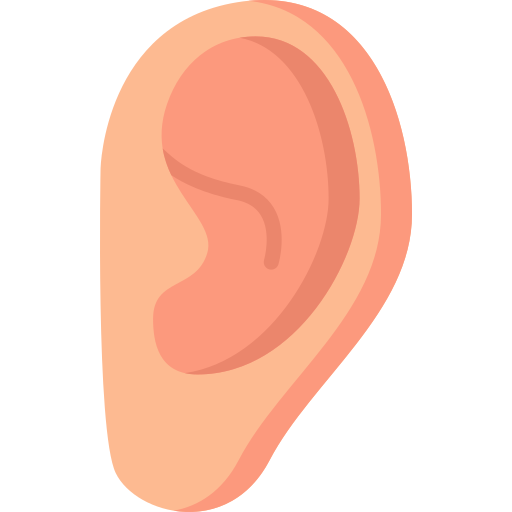
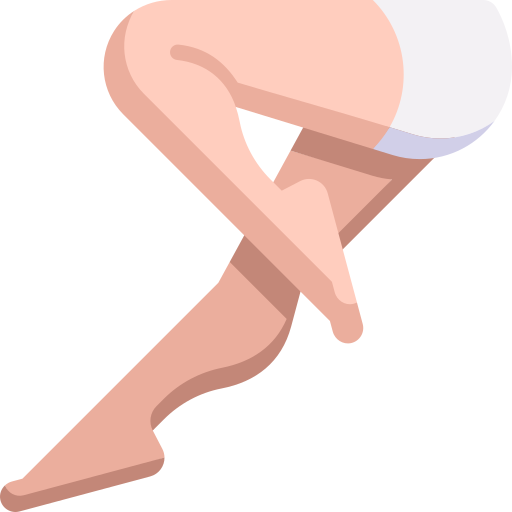
el cuerpo humano (the human body)
los órganos (the organs)
- el corazón (the heart)
- los pulmones (the lungs)
- el cerebro (the brain)
- el estómago (the stomach)






In Spanish, there are two verbs that express the idea to know. These two verbs are saber and conocer. The verb you choose depends upon the context in which it is used. These verbs are not interchangeable.
To express knowledge or ignorance of a fact or information about something, use saber.
To say that one is or is not acquainted with a person, a place, or an object, use conocer.
Pedir vs Preguntar
The same sort of situation exists with respect to the two Spanish verbs pedir and preguntar. They both mean to ask but they are not interchangeable.
We use pedir to ask for, or request an object, service or favor.
And preguntar to ask a question, or request information






Be careful at those verbs:
Estudiar - to study Estudio cada día.
Aprender - to learn Aprendes muy rápido.
Enseñar or Dar clases - to teach Enseña la literatura. or Da clases de literatura.









¿Qué haces en tu tiempo libre? (What do you do in your free time?)
If you want to express the word activities you can say las actividades.







We can divide clothing into different categories:
ropa invernal or ropa de invierno (winter clothes)
ropa de verano (summer clothes)
ropa interior (underwear)
Be careful!
el traje means suit, but can also mean a uniform (e.g. military uniform)










Learning with DuoCards
What is DuoCards?
DuoCards is a language-learning app that helps you build vocabulary with flashcards. You can save words you want to learn and practise them over time.
How do I learn with this course?
Browse the explanations and vocabulary in each section. Select Card picker and choose the words you want to learn. Then create a free account to save your words and practise them.
How do I practise my words?
You'll see a flashcard with a word and a hidden translation. Guess what it means, then tap to check your answer. DuoCards repeats the words you find difficult.
Do I need an account, and is learning free?
You can browse this page without an account. A free account lets you save words and track your progress. The free plan has limits, and Premium offers additional features.