
Intermediate Course II
Explanations and vocabulary practice

Sections: 18
- Pretérito Indefinido - verbos IRREGULARES IV.
- The household appliances - Los electrodomésticos
- Recipe
- Common Spanish phrases
- Objects in the house
- Adjectives - food
- Pretérito pluscuamperfecto
- Adjectives - animals
- Spanish expressions and typical words
- Pretérito Indefinido - verbos IRREGULARES V.
- In the forest
- The enviroment
- Character of people
- Feelings
- Latin American Spanish
- Diminutives
- Tenses of the past
- Skills and abilities
Save words from this page and practise them with flashcards in DuoCards. How does it work?
TRAER
yo traje
tú trajiste
él/ella/usted trajo
nosotros/as trajimos
vosotros/as trajisteis
ellos/ellas/ustedes trajeron
SABER
yo supe
tú supiste
él/ella/usted supo
nosotros/as supimos
vosotros/as supisteis
ellos/ellas/ustedes supieron
DORMIR (MORIR is the same)
yo dormí
tú dormiste
él/ella/usted durmió
nosotros/as dormimos
vosotros/as dormisteis
ellos/ellas/ustedes durmieron
CONDUCIR (TRADUCIR is the same)
yo conduje
tú condujiste
él/ella/usted condujo
nosotros/as condujimos
vosotros/as condujisteis
ellos/ellas/ustedes condujeron










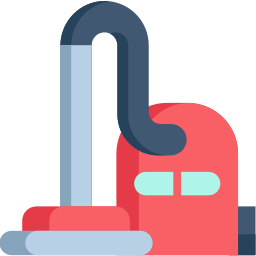
With the word la aspiradora we always use the verb pasar.
e.g.: Necesito pasar la aspiradora.
The word la cocina has different meanings.
1. La cocina mexicana (The Mexican cuisine)
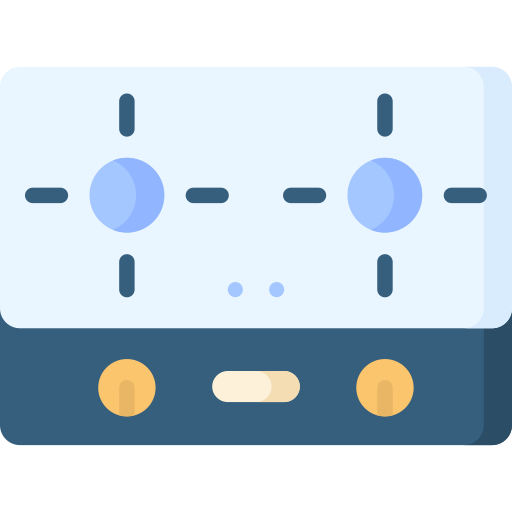
2. La cocina eléctrica/ de gas (The electric/gas cooker)
3. Nuestra cocina es verde (Our kitchen is green)
4. Receta de cocina (Cooking recipe)







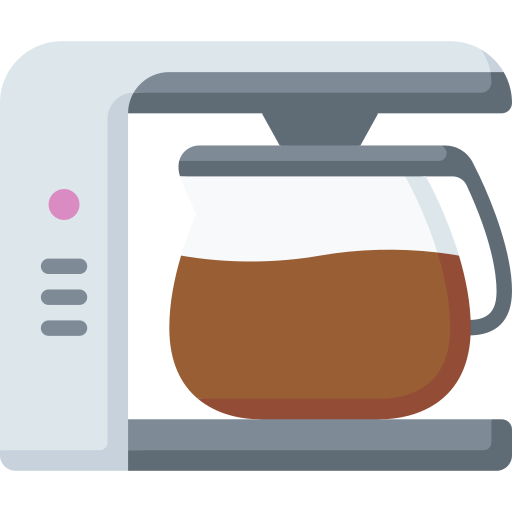
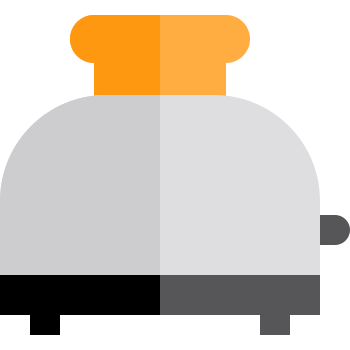
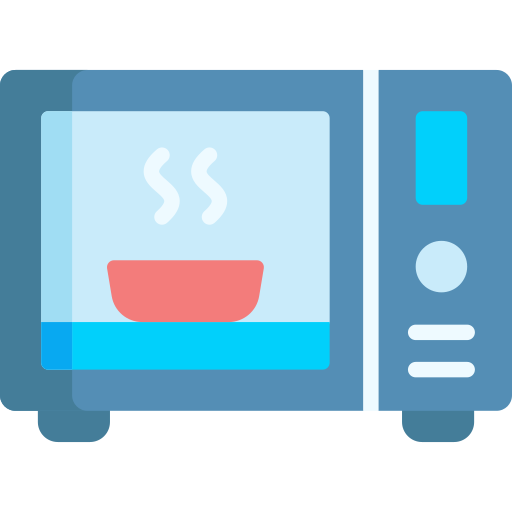
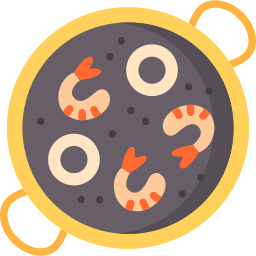
Let's learn some vocabulary to understand a simple recipe la receta of a paella.
Paella de marisco
Los ingredientes:
Arroz 400 gramos
Calamares 250 gramos
Sepia 250 gramos
Gambas 8
Dientes de ajo 2
Cucharada de tomate triturado 8
Azafrán
Caldo de pescado 1,5 litros
Cucharadas de aceite de oliva 8
Sal al gusto
El azafrán se pone en la paella para darle color amarillo pero a veces se usa el colorante amarillo porqué es más barato.
Verb - picar
This verb has different meanings, let´s take a look at some of them:
1. to sting - Nos picaron unas abejas. (Some bees stung us.)
2. to cut - Pica la fruta. (Cut the fruits.)
3. to bite - Me ha picado un bicho en el cuello. (An insect has bitten me on the neck.)
4. to nibble at - He picado algo antes de comer. (I had a little nibble before lunch.)
5. to chop - Pica la cebolla muy picadita. (Chop the onion very finely.)






There are a lot of expressions that can´t be translated.
Let´s learn some of them.
Pintar bien/mal - literally means to paint something well and bad but the true meaning is that something looks well or bad (situation).
Los expertos dicen que la situación del covid19 pinta mal para la economía.
(Experts say the Covid19 situation looks bad for the economy.)










Hay diferentes tipos de objetos en casa.
Algunos los podemos instalar solos y con algunos nos tiene que ayudar un profesional.
Do you know what doest it mean caer por la chimenea?
Yes, this could mean, that you fell down to the chimney, but in Spanish is it an expression that means that something fall into someone's lap - that means it came to them without any effort.
The word la chimenea can also be used to express the fireplace.












Take a look at these words:
Dulce is an adjective but un dulce means a candy.
Pesado usually means heavy (food or because of weight) but una persona pesada means an annoying person.






How to form:
(subject) + verb haber in imperfecto + past participle
When we use it:
1. The Spanish pretérito pluscuamperfecto (or pluperfect in English) is used to describe events or actions that have happened further back in the past than a past action we are referring to.
e.g.:
When I got home yesterday, my mom had already left for work.
Cuando llegué a casa ayer, mi madre ya se había ido a trabajar.
Two actions have usually happened. In the example, the first is that my mom had left, and the second is that I got home. My mom had left before I arrived home.
2. There is another special use for the pluscuamperfecto. If you are talking about an experience that you’ve never had before that you are experiencing this very moment, you can use the pluscuamperfecto.
e.g.:
Nunca había estado en París antes.
(I had never been to Paris before (until now).
You had never been in Paris until now is what the sentence is saying.
Be careful, this should not be confused with a sentence about an experience that you’ve never had.
Nunca hemos ido a Disneyland.
(We have never gone to Disneyland.)









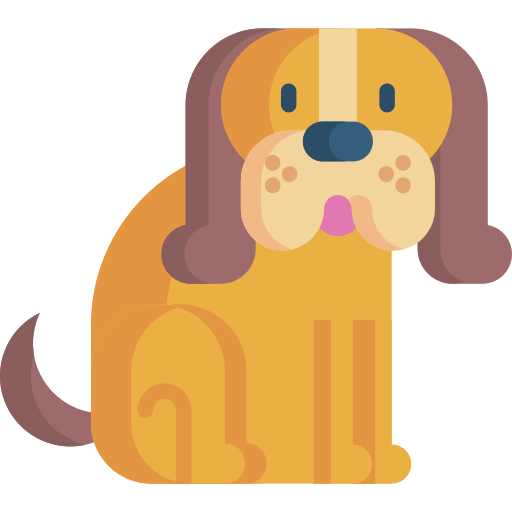
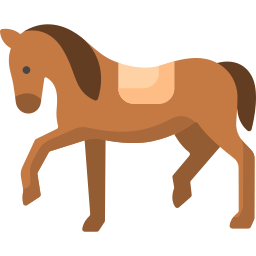
You've learned the basic animal vocabulary, let's learn the adjectives that describe the characteristics of animals.
Interesting fact for you, here are some typical phrases associated with animals:
Ser una monada. (to be beautiful) - from the word mono - monkey
Llevarse como el perro y el gato. (when two people have bad relationship)
Coger el toro por los cuernos. (to face a problem) los cuernos - the horns







The most common word used between youngs is tío/a.
Is a very informal way to refer to a person. It's the same as dude or mate in English.
e.g.:
Tío, estoy muy cansado. Creo que me iré a la cama.
(Dude, I'm so tired. I think I'll go to bed.)











ANDAR
yo anduve
tú anduviste
él/ella/usted anduvo
nosotros/as anduvimos
vosotros/as anduvisteis
ellos/ellas/ustedes anduvieron
CABER
yo cupe
tú cupiste
él/ella/usted cupo
nosotros/as cupimos
vosotros/as cupisteis
ellos/ellas/ustedes cupieron
SENTIR
yo sentí
tú sentiste
él/ella/usted sintió
nosotros/as sentimos
vosotros/as sentisteis
ellos/ellas/ustedes sintieron
PEDIR
yo pedí
tú pediste
él/ella/usted pidió
nosotros/as pedimos
vosotros/as pedisteis
ellos/ellas/ustedes pidieron






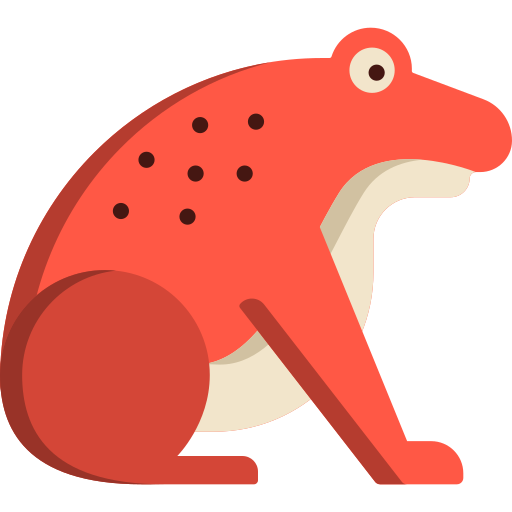
En el bosque podemos encontrar muchos tipos de animales y plantas.
(In the forest we can find many kinds of animals and plants.)
Algunas especies de animales están en peligro de extinción o son peligrosas.
(Some animal species are endangered or dangerous.)
Por el contrario, algunas plantas están estrictamente protegidas o incluso pueden ser venenosas.
(On the other hand, some plants are strictly protected or may even be poisonous.)
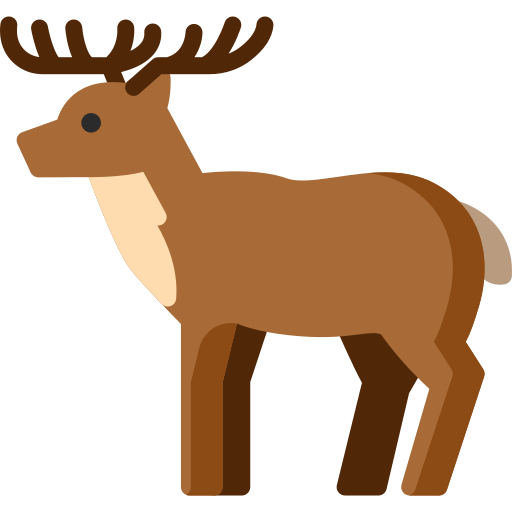

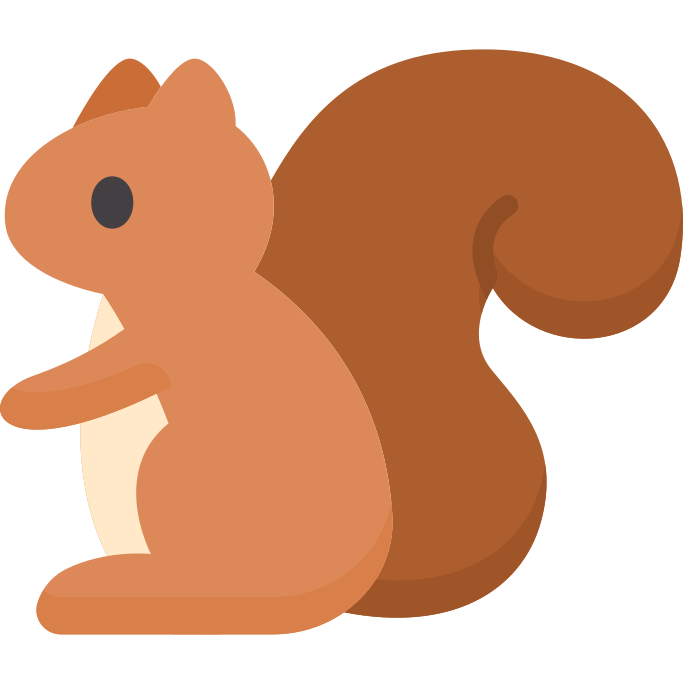


El medio ambiente puede definirse como la suma total de todos los elementos vivos y no vivos y sus efectos que influyen en la vida humana.
(Environment can be defined as a sum total of all the living and non-living elements and their effects that influence human life.)
Mientras que los elementos vivos o bióticos son (While all living or biotic elements are)
los animales, las plantas, los bosques, la pesca y las aves (animals, plants, forests, fisheries, and birds)
los elementos no vivos o abióticos son el agua, la tierra, la luz solar, las rocas y el aire.
(non-living or abiotic elements include water, land, sunlight, rocks, and air.)








Learn to better describe the character of people (or animals) with new adjectives.
¿Qué tipo de hombre es Juan? (What kind of man is Juan?) Juan es un hombre fiel. (Juan is an loyal man.)
or ¿Qué tipo de persona es Juan? (What kind of person is Juan?) Juan es una persona fiel. (Juan is a loyal person.)









¿Cómo te sientes? (How do you feel?)
Me siento triste. (I feel sad.) / Me dan asco las personas mentirosas. (People who lie disgust me.)
Don't forget that
adorar - always use this verb with the preposition a if you want to express that you really like a person/animal.






Now, for a change, let’s learn some expressions used in Latin America. Note that some of these are specific to individual countries, not the entire region.
So how to say potatoes?
las patatas (castellano) - las papas (Latin American Spanish)









Diminutives are endings (-ito, -illo, -ico) that are added to words to refer to smaller versions of something or to express that something has less intensity. They can be used as a form of endearment or can even have a pejorative tone. Diminutives agree in gender (masculine/feminine) and number (singular/plural) with the words they refer to.








El Pretérito Imperfecto for actions in the past with no clear beginning and end.
El Pretérito Indefinido for actions in the past with a clear beginning and end.
e.g.:
Susana trabajaba muy duro.
(Susana worked very hard.) - everyday in her life
Susana trabajó muy duro.
(Susana worked very hard.) - on Saturday
Cuando era niña, iba todos los veranos a Italia.
When I was a girl, every summer I went (would go) to Italy.
(The imperfecto is used to describe a repeated action in the past, it happened every summer)
Un verano, no pudimos ir.
One summer, we couldn’t go.
(We use the pretérito indefinido because it happened just one time – one summer it did not happen)
Combining both past tenses
Mis padres se conocieron cuando estaban en la universidad.
My parents met when they were at university.
(Indefinido is used to show that they met which can only happen once. We use imperfecto to show that they were at university during a period of time that is undefined.)
Estudiaba, cuando sonó el teleféfoni.
(I studied when the phone rang.)












In the previous course we mentioned different types of professions, but let's learn specific destrezas y habilidades.
Sometimes it may not be a skill that makes a living, but it can be a hobby ( el pasatiempo/el hobby/la afición).
La afición coud mean:
1. liking
He ido desarrollando una afición por los vinos franceses.
(I've gradually developed a liking for French wines.)
2. love
Mi marido pasó todo el fin de semana frente a la TV, embebido por su afición al fútbol.
(My husband spent all weekend in front of the TV, absorbed by his love of soccer.)
2. hobby
La fotografía es mi nueva afición.
(Photography is my new hobby.)
3. fans
Es un gran futbolista y la afición lo adora.
(He is a great soccer player and the fans worship him.)








Learning with DuoCards
What is DuoCards?
DuoCards is a language-learning app that helps you build vocabulary with flashcards. You can save words you want to learn and practise them over time.
How do I learn with this course?
Browse the explanations and vocabulary in each section. Select Card picker and choose the words you want to learn. Then create a free account to save your words and practise them.
How do I practise my words?
You'll see a flashcard with a word and a hidden translation. Guess what it means, then tap to check your answer. DuoCards repeats the words you find difficult.
Do I need an account, and is learning free?
You can browse this page without an account. A free account lets you save words and track your progress. The free plan has limits, and Premium offers additional features.