duo-section-3_A1

Interactive flashcards for learning vocabulary

Germaneasyby AuntMeg
Flashcards: 5915 / 5

Save words from this page and practise them with flashcards in DuoCards. How does it work?

der Lebenslauf
the resume
das Team
the team
der Nachname
the last name
der Vorname
the first name
die Handynummer
the mobile number
die E-Mail-Adresse
the email address
der Führerschein
the driver's license
die Pause
the break
der Feierabend
the end of the workday
Wir haben bald Feierabend. (no article)
das Theater
the theater
endlich
at last, finally
motiviert
motivated
zu rauchen
to smoke
zu lassen
to let
lass uns - let's
zu abholen
to pick up, to fetch
der Glückwunsch
the congratulation
Herzlichen Glückwunsch!
der Wunsch
the wish
herzlich
cordial
was für
what kind of
Was für eine Nacht! - What a night!
zu einladen
to invite
der Marathon
the marathon
das Fahrrad
the bike
die Turnschuhe
the trainers, the gym schoes
der Mond
the moon
sportlich
athletic
nass
wet
ganz
whole
den ganzen Tag
denn
because
als
than
die U-Bahn
the subway
Stimmst du mir zu?
Do you agree with me?
Hast du einen Moment Zeit für uns?
Do you have a moment for us?
die Mitternacht
the midnight
der Mittag
the noon
der Badeanzug
the swimsuit
das Meer
the sea
In German, "das Meer" is the general word for sea or ocean, while "der Ozean" specifically means ocean.
die Sonne
the sun
dort
there
Mallorca
Mallorca
zu einpacken
to pack
zu scheinen
to shine
die Socke
the sock
die Sandale
the sandal
voll
full
zu waschen
to wash
zu vergessen
to forget
zu heiraten
to marry
Ich laufe gern abends, aber er läuft gern morgens.
I like to run in the evening, but he likes to run in the morning.
Some verbs with a or au in them, like laufen and fahren, get an umlaut when paired with du or er. The umlaut goes over the a.
die Biogurke
the organic cucumber
die Gurke
the cucumber
die Karotte
the carrot
die Blume
the flower
der Blumenladen
the flower shop
der Bioladen
the health food store
der Apfelsaft
the apple juice
der Saft
the juice
das Stück
the piece
die Konditorei
the pastry shop
die Metzgerei
the butcher's shop
der Weißwein
the white wine
die Hilfe
the help
die Packung
the pack
der Kassenzettel
the receipt
der Cent
the cent
braun
brown
gleich
shortly (soon)
Einen schönen Tag noch!
Have a nice day!
Ich habe keine sechzig Cent.
I don't have sixty cent.
der Luftballon
the balloon
die Luft
the air
der Ballon
the balloon
generic
das Pferd
the horse
die Geburtstagskarte
the birthday card
das Date
the date
both a person & a meeting
die Bitte
the request
wen
whom (dir.)
the direct object (accusative case)
ganz bestimmt
most certainly
very certain
salzig
salty
zu planen
to plan
zu mitbringen
to bring along
somebody or something
zu hoffen
to hope
Ich hoffe, jeden Tag zu schwimmen.
gefährlich
dangerous
wenn
if
hoch
high
höchste - highest
zu kaputtgehen
to break down
Was, wenn etwas kaputtgeht?
zu spinnen
to be crazy
Du spinnst!
Rom
Rome
zu glauben
to believe
Kannst du Oma und Opa abholen?
Can you pick up grandma and grandpa?
If you and the listener both know which Oma or Opa is being discussed, the article might be optional.
die Miete
the rent
payment; for a home or an item
der Club
the club
der Campus
the campus
das Lebensmittel
the groceries
das Mal
the time
how many times; pl. Male
der Monat
the month
das Telefon
the telephone
am Telefon
das Käsebrot
the cheese sandwich
faul
lazy
unhöflich
impolite
Trink! Trinke!
Drink!
Imperative singular: du-form minus -st. Sometimes -e is added.
Mach dein Bett.
Make your bed.
Was zahlst du diesen Monat?
What are you paying for this month?
wem
whom (ind.)
the indirect object (dative case)
die Hausarbeit
the housework
der Mut
the courage
die Sache
the thing
Sache refers to a non-material thing, such as a topic, matter, or issue, while the plural Sachen can mean belongings or "stuff"
hilfreich
helpful
ordentlich
neat
hübsch
pretty
die
those / which
которые
zu zeichnen
to draw
zu zeigen
to show
Sei bitte so nett und ...
Please be so kind and ...
(do something)
die Ferien
the holidays
(pl., no sing. form) Ich habe Ferien. Die Ferien sind zu kurz.
das Gepäck
the luggage
(sing. collective, no pl.)
das Ausland
the foreign country; abroad
das Semesterende
the end of the semester
das Semester
the semester
der Schwarzwald
the Black Forest
Marseille
Marseille
zu fischen
to fish
zu fliegen
to fly
geflogen
zu ausschlafen
to sleep in
die Zeitung
the newspaper
das Kinderbuch
the children's book
die Komödie
the comedy
das Popcorn
the popcorn
die Nichte
the niece
lieb
dear
sei lieb und ...
der Abflug
the departure
jemand
someone
zu wiederkommen
to come back
der Kunstunterricht
the art lesson
der Unterricht
the lesson
zu denken
to think
der Gast
the guest
(used for m. & f.)
die Grillparty
the barbecue
der See
the lake
Der See (masculine) refers to a lake, while die See (feminine) refers to the sea. "Die See" is often used in nautical contexts, poetry, and specific phrases, but the more common and everyday word for the sea is "das Meer".
der Platz
the place, the space
der Ehemann
the husband
die Ehefrau
the wife
der Teller
the plate
gebrochen
broken
zu bekanntgeben
to announce
zu anrufen
to phone
takes accusative in standard German; in Swiss German can be dative
zu vorhaben
to plan, to indend
zu einkaufen
to shop
das Mehl
the flour
der Teig
the dough
der Beste
the best
glücklich
happy
fantastisch
fantastic
great; fantasy
das Stadtviertel
the district, neighbourhood
in dem Stadtviertel
die Bank
the Bank
das Gebäude
the building
die Post
the post office
der Baum
the tree
die S-Bahn
the light rail
Stadtschnellbahn (urban rapid railway)
jeder
everyone
dieser
this
unten
below
verheiratet
married
zu sitzen
to sit
zu benutzen
to use
in dem
in the
When to use "in dem" (instead of "im"): - Emphasis - to stress the article "dem". Example: "Es gibt acht Restaurants in dem Stadtviertel" - Specific contexts: in some phrases where "dem" acts as a demonstrative rather than a definite article.
die Prüfung
the exam
wichtig
important
Es ist so ein wichtiges Fußballspiel!
damit
so that, with that
zu ausziehen
to undress
to take off
zu einschlafen
to fall asleep
zu bestehen
to pass
die Oper
the opera
das Stadion
the stadium
der Handball
the handball
der Anzug
the suit
die Reise
the trip
der Neffe
the nephew
ausverkauft
sold out
gerade
right now
von
of
zu mitkommen
to come along
zu anfangen
to begin
zu aufhören
to stop (an activity or somebody acting)
Die Party hört nie auf! Spielen die Kinder noch? Nein, sie hören auf.
Wann müssen wir uns treffen?
When should we meet?
das Frühstückmachen
breakfast making
die Uhr
the clock, the watch
die Enkelin
the granddaughter
der Jahrestag
the anniversary
die Überraschung
the surprise
die Steckdose
the socket
die Decke
the blanket
die Kette
the necklace
der Ohrring
the earring
die Torte
the layer cake
die Kaffeemaschine
the coffee machine
das Lied
the song
der Sekt
the champagne
per
by, via
per Post ( by mail)
online
online
zu schicken
to send
Schickst du die Einladung per Post oder per E-Mail?
zu schreiben
to write
zu sagen
to say
zu geben
to give
gut gemacht
well done
streng
strict
Ich möchte dir nicht weh tun.
I don't want to hurt you.
das Papier
the paper
die Fernsehserie
the television series
(sing., pl. -n)
der Dokufilm
the documentary film
(Doku-Film, Dokumentarfilm)
Karten (zu spielen)
cards
Mein Sohn spielt nach der Schule gerne Karten. (words order!)
Comics
comics
die Türkei
Turkey
die Schweiz
Switzerland
die App
the app
die Route
the route
der Fahrer
the driver
ein paar
a couple, a few
(besser) als
than
sofort
right away, immediately
zu spazieren (gehen)
to walk
zu stoppen
to stop
Was machst du gern bei schönem Wetter?
What do you like to do when the weather is nice?
Ich sehe immer nach der Arbeit Filme.
I always watch films after work.
das Konto
the account
der Bankkaufmann
the banker
der Kaufmann
the businessman
die Botschaft
the embassy
das Passfoto
the passport photo
der Geburtsort
the birthplace
das Wort
the word
nachher
later, afterwards
zu eröffnen
to open (eg. new)
(physical or a concept - eg debates) ("öffnen" just means "to open" in general. "Eröffnen" could be translated as "to open for the first time", to "open up")
zu verlängern
to extend
zu beantworten
to answer
zu bedeuten
to mean
Was bedeutet das?
zu verstehen
to understand
Ich habe viel zu tun.
I have a lot to do.
Gebe ich dem Mann meine Formulare?
Do I give the man my forms?
(no preposition)
Ich danke der Frau.
I thank the lady.
(Some verbs require the receiver of the action to be in dative, not in accusative)
Meinem Kind ist schlecht.
My child is feeling sick.
(The verbs gehen and sein also sometimes make things dative when you talk about how people are feeling)
Den Kindern geht es gut.
The children are doing well.
(The verbs gehen and sein also sometimes make things dative when you talk about how people are feeling)
die EC-Karte
the EC card
Eurocheque card (old name)
der Parkplatz
the car park
der Fahrradhelm
the bicycle helmet
der Helm
the helmet
die Straßenbahn
the tramway
meistens
mostly
(about time/frequency)
zu überweisen
to transfer
Ich nehme mir die Zeit.
I'll take the time.
(dedicating time to something or someone)
meisten
most
(about a number)
der Bademeister
the lifeguard
die Badehose
the swimming trunks
(fem. sing.)
der Notfall
the emergency
Ich helfe bei Notfällen!
das Handtuch
the towel
Ich würde gern
I would like to
die Ananas
the pineapple
(pl. die Ananas or die Ananasse)
das Gummibärchen
the gummy bear
(sing., pl.)
die Aktivität
the activity
(pl. -en) Aktivitäten machen
das Lesen
the reading
All gerund nouns are neuter (das Essen, das Schwimmen)
zu zustimmen
to agree
Ich muss dem Arzt zustimmen, Zucker ist schlecht.
beide
both
Wir haben beide Recht.
We are both right.
(Recht - correct, recht - common/colloquial)
viel größer (als meins)
much larger (than mine)
Dein Haus ist netter als meins.
Your house is nicer than mine.
(="mein Haus", can omit the second noun in comparison)
der Liebesbrief
the love letter
der Brief
the letter
die Klasse
the class
wahrscheinlich
probably
die Ausrede
the excuse
Hast du wieder eine Ausrede? Das ist nur eine Ausrede!
die Erkältung
the common cold
die Stimmung
the mood, atmosphere, vibe
gestern
yesterday
spitze
super, excellent
Wo warst du?
Where were you?
war/warst/war // waren/wart/waren
Hattest du Spaß?
Did you have fun?
hatte/hattest/hatte // hatten/hattet/hatten
der Bescheid
the notice
Sag Bescheid
das Treffen
the meeting
das Glück
the happiness; the luck
Ich hatte Glück
das Plastik
the plastic
aus Plastik
letzte
latest, last
letzte Woche
herrlich
lovely, glorious
vorbei
over
Es ist vorbei.
mehr
more
hoffentlich
hopefully
trotzdem
nevertheless, despite it
(trotz, trotz alledem)
zu gießen
to water
gegossen
ich konnte nicht
I could not
ich konnte, du konntest, er/sie/es konnte, wir konnten, ihr konntet, sie/Sie konnten
Hast du jedes Wochenende viel Besuch?
Do you have lots of visitors every weekend?
Was hast du gemacht?!
What have you done?!
der Arm
the arm
der Rücken
the back
der Umzug
the move (home)
die Hand
the hand
die Kinokarte
the cinema ticket
der Gutschein
the voucher
hinter
behind
zwischen
between
anstrengend
exhausting
froh
glad
zu umziehen
to move (home)
zu ausgehen
to go out (socially)
zu schenken
to give (a gift)
zu folgen
to follow
(Special verbs like danken, folgen, gehören, or helfen use the dative.)
zu gehören
to belong
(ownership or membership)
Mir tut der Rücken seit Dienstag weh.
My back has been hurting since Tuesday.
Wie ist Ihre Handynummer?
What is your mobile phone number?
ziemlich
quite, rather
ziemlich klein
der Koch
the chef
(die Köchin - f.)
die Traube
the grape
(sing. grape or a bunch; die Trauben - mutliple grapes)
der Kunde
the customer
der Spargel
the asparagus
die Backware
the baked goods
(a bakery product)
wessen
whose
zu probieren
to try out
Wir haben wenig Zeit.
We have little time.
Wessen Kekse sind am süßesten?
Whose biscuits are the sweetest?
(Superlative adjectives: add ‑ste to the adjective (or ‑este if the letter before it is a vowel).)
Das sind die neuesten Daten.
This is the latest data.
(Superlative adjectives: add ‑ste to the adjective (or ‑este if the letter before it is a vowel).)
die Beförderung
the promotion
der Witz
the joke
furchtbar
awful
zu befördern
to promote
das Personal
the staff, personnel
(sometimes der)
das Weihnachten
the Christmas
(plural in greetings)
Silvester
New Year's Eve
(das or der, Bavarian/Frankonian prefer der; often without article)
der Stollen
the fruitbread
Weihnachtsstollen
der Glühwein
the mulled wine
vorher
beforehand, in advance
sogar
even
sogar die Schnecke
die Gans
the goose
der Metzger
the butcher
Ich muss zum Metzger gehen und eine Gans kaufen.
der Friseur
the hairdresser
das Spielzeug
the toy
die Handschuhe
the gloves, mittens
das Einkaufszentrum
the shopping center
ich gehe ins Einkaufszentrum
Wir fahren zu meiner Tante.
We are driving to my Aunt's.
(not to my Aunt)
die Exfreundin
the ex-girlfriend
der Optiker
the optician
ungefähr
approximately
sicher
sure, certain
zu winken
to wave
zu aufstehen
to get up
Ich musste jeden Tag um drei Uhr aufstehen.
der Spiegel
the mirror
der Keller
the cellar
die Kommode
the dresser
das Möbelhaus
the furniture store
die Haltestelle
the stop (eg a bus )
Wir können mit der S-Bahn zwei Haltestellen fahren.
der Drogeriemarkt
the drugstore
(general health items etc, but cannot sell prescription meds)
die Ecke
the corner
um die Ecke (around the corner; nearby)
die Seife
the soap
gemütlich
cozy
andere
other
zu gefallen
to please
Das Bild gefällt mir. (pleases me)
zu stellen
to place
zu legen
to lay
Sie legt das Buch auf den Tisch. (wohin? - movement - "active accusative")
zu liegen
to lie
Das Buch liegt auf dem Tisch. (wo? - stationary - "dormant dative")
zu bringen
to bring
der Bleistift
the pencil
der Boden
the floor
die Zeitschrift
the magazine
die Melodie
the melody
zu fehlen
to be absent
(to be lacking, absent; to miss somebody)
Wir haben bei unserem ersten Treffen zu diesem Lied getanzt.
We danced to this song at our first meeting.
der Trainer
the trainer
Ich gehe nach Berlin.
I am going to Berlin.
Using gehen with a distant city often implies moving there permanently or a long-term intention to relocate, rather than a temporary visit. Otherwise use fahren/reisen.
das Bein
the leg
body or furniture
die Wiese
the meadow
der Sportverein
the sports club
der Verein
the association, the club
an association, club, society, or union
das Hockey
the hockey
"das Hockey" (typically referring to field hockey) and "das Eishockey" (ice hockey)
der Pilz
the mushroom
die Zwiebel
the onion
(the vegetable or a bulb)
der Burger
the burger
(pl. die Burger)
der Grill
the grill
die Rollschuhe
the roller skates
der Mantel
the coat
der Bierkrug
the beer mug
der Krug
the mug, the jug
Warum tun dir die Beine weh?
Why do your legs hurt?
(word order)
War es voll auf dem Flohmarkt?
Was it crowded at the flea market?
auf dem Fest, auf der Party, auf dem Flohmarkt (to be at)
Meine Schwester ist schon ein paar Mal dorthin gereist.
My sister has already traveled there a few times.
(Because reisen (to travel) is a verb of motion describing a change of place from point A to B, it takes the auxiliary verb sein in the perfect tense (Perfekt).)
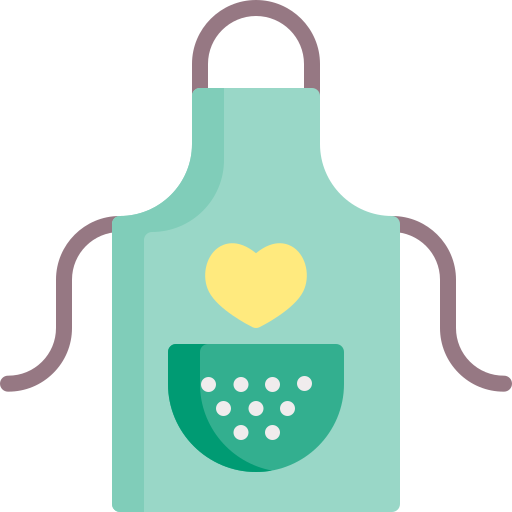
die Schürze
the apron
der Schuldirektor
the headmaster
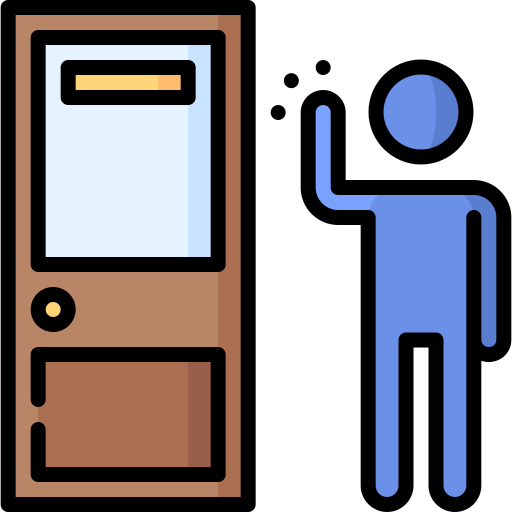
zu klopfen
to knock
Sie klopft an die Tür.
zu dürfen
to be allowed
Das darf ich nicht vergessen. (Darf nicht = Must not / Forbidden; Muss nicht = Don't have to / Not necessary)
dass
that (sub.)
(subordinating conjunction) Ich weiß, dass du Deutsch lernst.
zu reden
to talk
(more casual, conversational, or social interaction compared to the more formal sprechen.)
Hat Moritz unserer Schwester einen Obstsalat gemacht?
Did Moritz make a fruit salad for our sister?
wem (dat) vs für wen (acc) Both are correct in German, but "make someone something" (using dative) is generally more idiomatic, faster to say, and more common in daily spoken German. Use für + Acc. when emphasizing the recipeint ("Das ist für dich")
Ich bin Vegetarierin.
I am a vegetarian.
without an article (ein/eine) because the noun "Vegetarierin" functions as an adjective or a description of profession/status, rather than a specific individual count noun.
- Ich weiß. - Woher?
- I know. - How do you know?
Denkst du, Fußballspielen ist gefährlich?
Do you think playing soccer is dangerous?
(more compact and flows more smoothly; nominalisation is more natural) or: ... dass ... ist? not: Denkst du, es ist gefährlich, Fußball zu spielen? (grammatically correct, but sounds more cumbersome, more like a translation)
der Sonntagabend
the Sunday evening
Wir ziehen nächstes Jahr nach Deutschland.
We are moving to Germany next year.
umziehen - local; ziehen - when changing country or town
Das Kaufhaus ist zu.
The department store is closed.
die Hochzeit
the wedding
zur Hochzeit gehen; Welches Kleid trägst du auf der Hochzeit? (to vs where)
zu anprobieren
to try on
die Umkleidekabine
the lockerroom
Umkleidekabine - in gyms, pools etc Ankleidekabine/Anprobekabine (die Anprobe) - in shops
die Kabine
the cabin
zu umkleiden
to change clothes
Willst du den Anzug zuerst anprobieren?
Do you want to try on the suit first?
- time adjective goes before the main verb. - emphasis on object vs time - in a standard question, the object often precedes the time adverb when that adverb is modifying the action rather than setting the scene for the whole sentence
Welcher Anzug ist am teuersten?
Which suit is the most expensive?
am ... -sten (the "am-superlative") when the superlative adjective is used predicatively (after a verb like sein or werden) or adverbially (describing how an action is done), rather than directly before a noun. "Am" = an + dem (at the [most...])
im fünften Stock
on the fifth floor
Passen dir die Schuhe?
Do the shoes fit you?
Welche Hose ist billiger?
Which trousers are cheaper?
(sing. - one pair - one object)
wunderschön
lovely
eng
tight
(size)
hellgrün
light green
egal
no matter
blond
blond
ihre Haare sind blond (pl.)
der Kofferraum
the car trunk
der Raum
the space
room, space, area
zu mieten
to rent
der Wagen
the car, carriage, cart
(more general than Auto; in compound words usually Wagen; - can say mit dem Wagen or Auto, but not in compound words)
der Motor
the motor, engine
der Motor läuft
das Elektroauto
the electric car
das Benzin
the petrol
ohne Benzin
zu füllen
to fill
gefüllt
man
one, you
Wo findet man hier die Toiletten?
die Alpen
the Alps
großartig
superb
der Fuß
the foot
Ein Meter ist circa drei Fuß lang.
der Fuji
Mount Fuji
Mt. Fuji
der Berg
the mountain
das Boot
the boat
Genf
Geneva
der Genfer See
Lake Geneva
Willst du nächsten Sommer zum Genfer See fahren?
der Grad
the degree
Celsius
Celsius
die Temperatur
the temperature
Wie hoch waren die Temperaturen in Genf?
der Mietwagen
the rental car
​der Himmel​
the sky
der Stern
the star
die Natur
the nature
das Feuer
the fire
Wohin bist du in den Ferien gefahren?
Where did you go for the holidays?
(past tense form with sind - go from A to B)
Es war so heiß, wir sind jeden Tag im See geschwommen.
It was so hot, we swam in the lake every day.
(Even though you are swimming in one spot for fun, the act of entering the water and moving within it implies a displacement that triggers sein.)
der Angelausflug
the fishing trip
zu angeln
to fish
(catching fish using a rod; fischen is a broader term)
ander
other, another
worüber
about what
bevor
before
(sub. conjunction) Ich putze meine Zähne, bevor ich ins Bett gehe.
zu kommen
to come
kam
Wusstest du
Did you know
(zu wissen)
der Opernsänger
the opera singer
sich zu unterhalten
to talk with
Ich unterhalte mich mit ihr. Wir haben uns gut unterhalten.
Japan
Japan
der Everest
Mount Everest
Wir konnten mit den Kindern keinen Urlaub machen.
We couldn't go on vacation with the children.
(keinen, not "nicht")
Wir sind vor einer Woche nach Hause geflogen.
We flew home a week ago.
When used to mean "ago" or "before" (vor dem Essen) in a temporal sense, the German preposition vor always takes the dative case. (The past tense here still would be sind + verb: change of location.)
im Urlaub
on holiday
im Urlaub (in dem) is used for a state of being (dative, static), meaning "on vacation" or "during holiday," while in Urlaub (or often in den Urlaub) is used for movement (accusative, directional), meaning "going on/into holiday".
Bist du am Wochenende in die Schweiz gefahren?
Did you go to Switzerland on the weekend?
die Schweiz - with an article, therefore in, not nach
das Land
the country
Most country names are neutral (das), used without an article (e.g., Deutschland). In Frankreich "-reich" is more like "land" or "realm ("land of the Franks"), not a specific noun like "empire". Only fem., masc. or pl. countries require an article.
Sie fährt Motorrad.
She rides a motorcycle.
No article because Motorrad fahren functions as a compound verb phrase (or a set phrase) in German, similar to "to play soccer" or "to go fishing" in English. The focus is on the activity of "motorcycling" rather than a particular motorcycle.
der Wecker
the alarm clock
alarm, alarm clock
lange zu schlafen
to sleep in
"sleep late"
zu duschen
to shower
Nachrichten
news
(news broadcasts or multiple items) (in English - always singular - The news is great; for pl. use "pieces/items of news"; a broadcast usually is "the news") (in German - Nachrichten - a broadcast in general, die Nachrichten - a specific program)
die Nachricht
the message
message/news item
die Marmelade
the jam
die Firma
the company
die Kantine
the canteen
(usually at work/school)
der Bauernhof
the farm
zu baden
to bathe
er, ihr badet
zu ausmachen
to turn off
gegen neun Uhr
around nine o'clock
(approximately, plus-minus)
Ich stehe um sechs Uhr morgens auf.
I get up at six o'clock in the morning.
(morgens - a.m.)
Ich muss montags und mittwochs um sechs Uhr aufstehen.
I have to get up at six o'clock on Mondays and Wednesdays.
(days first - standard; time first - for emphasis)
Ich habe nachmittags immer zwei Treffen.
I always have two meetings in the afternoon.
In German, when using multiple time phrases (or time adverbs), the general rule is to order them from general to specific. nachmittags (Time) + immer (Frequency) heute Nachmittag um zwei
Sie hat ihn verlassen.
She left him.
du verlässt (used to be verläßt)
Ich putze mir die Zähne.
I brush my teeth.
vs. Ich putze meine Zähne (Both are fine, former is more common; the latter might mean the teeth have fallen out)
Fährst du immer mit dem Bus zur Arbeit?
Do you always go to work by bus?
(with both articles in German, no articles in English)
um sieben Uhr abends
at seven o'clock in the evening
(in English at seven in the evenings - without o'clock, sufficient when abends or p.m. is understood)
die Bestattung
the burial
zu weinen
to cry
tot
dead
die Meerbestattung
the sea burial
zu erzählen
to tell
echt
real, genuine
zu werfen
to throw
plötzlich
suddenly
die Flosse
the fin, flipper
Der lebt noch.
He's still alive.
Mach das Bett, du verlässt das Haus später als ich.
Make the bed, you're leaving the house later than I am.
(When using "als ich" (than me), the temporal adverb später typically precedes the comparison to make the sentence clearer.)
täglich
daily
(pronounced with -k-)
der Tierarzt
the vet
die Giraffe
the giraffe
der Löwe
the lion
(den Löwen)
zu üben
to practise
die Sauna
the sauna
zu lachen
to laugh
über
about
über + topic in accusative case
die Butter
the butter
das Sandwich
the sandwich
(pl. -es/-s/-e)
die Salami
the salami
normal
normal
die Süßigkeit
the sweet
(pl. -en)
der Ski
the ski
("schi") (pl. Ski/Skier) (borrowed from Norwegian. Sometimes, German writes the word as "Schi" to reflect this "sh" sound, though "Ski" remains common. In some regions, you might hear a "shkee" pronunciation.)
zu fotografieren
to photograph
das Golf
the golf
das Zelt
the tent
die Eile
the hurry
Ich bin in Eile, ich rufe dich später an.
das Wartezimmer
the waiting room
die Sekretärin
the Secretary
Ich habe über den Witz von dem Löwen gelacht.
I laughed at the joke by the lion.
Fährt das Kaninchen im Winter immer Ski?
Does the rabbit always ski in winter?
(word order)
In einem Büro stehen frische Pizzas.
There are fresh pizzas in an office.
(stehen meaning es gibt) (pl. die Pizzen - preferred, more common; die Pizzas also correct)
Ich muss wieder an die Arbeit.
I have to go back to work.
zu nerven
to annoy
(pronounced -fn)
das Neues
the new
Was gibt's Neues? (nominalised nouns are treated as neuter nouns; das Neu-es)
der Schluss
the end
das Surfbrett
the surfboard
eineinhalb
one and a half
das Studium
the studies
(pl. die Studien) (uni-level)
schwierig
difficult
sauer
angry
Du bist nicht zur Arbeit gekommen und der Chef ist sauer. (comma optional)
zu schnarchen
to snore
Sie hat mit ihm Schluss gemacht, er hat immer geschnarcht.
Island
Iceland
der Rentner
the retiree
Schluss zu machen mit
to break up with
Und tschüss!
And bye!
(While generally a friendly "and bye," it can occasionally carry a harsher tone equivalent to "good riddance" (e.g., when throwing something away).)
zu abstürzen
to crash
(fall, crash - incl. software)
zu sterben
to die
der Geist
the ghost
(m. only; pl. Geister)
der Absturz
the crash
Der Mann stirbt bei dem Absturz.
zu erfinden
to invent
(to invent, to fabricate, to make up (a story), to discover)
Oh Mann, heute war ein langer Tag!
Oh man, today was a long day!
Ich konnte nicht früher kommen, ich hatte drei Termine.
I couldn't come earlier, I had three appointments.
(Nicht negates here the time - "früher kommen"; more standard way. "nicht kommen" is also correct, but it emphasizes "früher" (I couldn't come earlier, but maybe I could come later).)
zu verlieren
to lose
(du verlierst; verloren) Du verlierst immer alles!
zu aufgeben
to give up
oben
above
(adverb; eg upstairs) Du brauchst keinen neuen Pass, lass uns oben suchen.
die Schublade
the drawer
die Panik
the panic
Komm schon, keine Panik!
zuletzt
lastly
(adverb)
unter
under
(preposition)
die Vereinigten Staaten
the United States
das Nickerchen
the nap
ein Nickerchen zu machen
Großbritannien
Great Britain
zu ankommen
to arrive
der Kopfhörer
the headphones
(sing. or pl. for one set; headphones and earbuds)
der Geldbeutel
the purse, wallet
der Stress
the stress
Ich weiß, du hattest viel Stress. (I know you were really stressed.)
unglücklich
unhappy
Komm, sei nicht gemein!
Come on, don't be mean!
Wann sind Sie geboren?
When were you born?
Entschuldigen Sie bitte
Please excuse me
Mein Abflug ist in neun Tagen.
My flight departs in nine days.
Das geht nicht, ich brauche den Pass schneller.
That won't work, I need the passport sooner.
am zwanzigsten Februar
on the twentieth of February
der Teenager
the teenager
sich zu setzen
to sit down
Freiburg
Freiburg
Pittsburgh
Pittsburgh
Ich studiere an der Universität Pittsburgh. (the U. of P.)
die Ausbildung
training
Ich studiere nicht, ich mache eine Ausbildung als Bäcker.
das Hauptfach
the study major
das Nebenfach
the study minor
die Informatik
Computer Science
die Vollzeit
the full time
Ich arbeite Vollzeit und studiere online.
kostenlos
free (no price)
der Austauschstudent
the exchange student
bekannt
known
die Linguistik
the Linguistics
(sing. only)
die Medizin
the medicine
klar
clear
War meine Frage nicht klar genug?
zu antworten
to answer
fair
fair
die Vorlesung
the lecture
die Badewanne
the bathtub
das Studentenwohnheim
the dormitory
die Note
the school mark/grade; musical note
ein Kurs zu belegen
to enrol, take a course
zu erlauben
to permit
am Nachmittag
in the afternoon
die Harvard Universität
Harvard University
(no article in Engl.)
Du bist in einem Semester fertig.
You will finish in one semester.
das Recycling
the recycling
das Kunstprojekt
the art project
das Projekt
the project
zu retten
to save
die Erde
the earth
Da kann ich helfen!
I can help with that!
zu helfen bei ...
to help with
assistance with a specific Task/Activity, in Dative (helfen mit - colloquial or a tool/joint action)
mit dem Riesenrad
by the Ferris wheel
uses mit (meaning "with" or "by") because it indicates the method of transportation or the attraction being used for an activity. The phrase "fahren" (to drive/ride) takes the dative case. (Similar to "mit dem Bus".)
Dein Baby spielt da drüben mit einem Spielzeug.
Your baby is playing with a toy over there.
(emphasis on the location; prepositional phrase often is placed later than location) (Rearranging is ok - for a different emphasis.)
Alles OK?
Everything OK?
ich mochte
I liked
(past tense)
der Typ
the guy
das Attest
the sick note
zu lügen
to lie
Hast du ihr zugehört, wenn sie dir etwas erzählt hat?
Did you listen to her when she told you something?
Das ist mir egal.
I don't care.
im neuen Büro
in the new office
When the phrase "in unserem neuen Büro" (in our new office) is shortened - often for repetition or to make the sentence more conversational - it frequently becomes "im neuen Büro".
zu verboten
to forbidden

Learning with DuoCards

What is DuoCards?

DuoCards is a language-learning app that helps you build vocabulary with flashcards. You can save words you want to learn and practise them over time.

How do I learn with this set?

Browse the flashcards to see the words and their translations. Select Card picker and choose the words you want to learn. Then create a free account to save your words and practise them.

How do I practise my words?

You'll see a flashcard with a word and a hidden translation. Guess what it means, then tap to check your answer. DuoCards repeats the words you find difficult.

Do I need an account, and is learning free?

You can browse this page without an account. A free account lets you save words and track your progress. The free plan has limits, and Premium offers additional features.