
Basic Arabic Language CourseArabic words
by Mikajela
*Welcome to Arabic Course II!*
In this course, we will cover useful topics that will help you improve your everyday Arabic, such as *plural verbs, the simple past tense, time phrases, and common daily expressions.* We'll also reuse words and forms you may already know to help you build confidence and understanding.
*A little reminder:* Many present-tense sentences in Arabic are nominal (they do not use the verb 'to be'). Let's take a look on how that works!

مُرَاجَعَة
review
مُرَاجَعَةُ الْكَلِمَاتِ مُهِمَّةٌ.

دَرْس
a lesson
هَذَا دَرْسٌ جَدِيدٌ.

كَلِمَات
words
كَلِمَاتٌ عَرَبِيَّةٌ.

جُمْلَة
a sentence
جُمْلَةٌ بَسِيطَةٌ.

أَمْثِلَة
examples
هَذِهِ أَمْثِلَةٌ جَيِّدَةٌ.

مُمارَسَة
practice
مُمارسةُ اللُّغَةِ مُهِمَّةٌ.

أَنَا أَتَعَلَّمُ الْعَرَبِيَّةَ.
I am learning Arabic.

هَلْ تَتَذَكَّرُ الدَّرْسَ؟
Do you remember the lesson?

دَرْسُنَا الْمَاضِي كَانَ مُمتِعًا.
Our last lesson was enjoyable.

هَيَّا نَبْدَأْ الدَّرْسَ!
Let’s start the lesson!
*How Nouns and Adjectives Match*
In the previous course, we learned that adjectives *come after* nouns and *match* them in gender (m/f) and definiteness ("ال" or not). In this course, we'll build on that by looking at *number agreement*. Adjectives also *match nouns in number* (sg/pl).
Examples:
"بَيْتٌ كَبِيرٌ" = a big house (indef., masc., sg).
"السَّيَّارَةُ الصَّغِيرَةُ" = the small car (def., fem., sg).
"مُهَنْدِسُونَ مَاهِرُونَ" = skilled engineers (indef., masc., pl).
Remember: adjectives match nouns in *gender*, *definiteness,* and *number*.

طَوِيل
tall/long
بُرْجٌ طَوِيلٌ.

قَصِير
short
طَرِيقٌ قَصِيرٌ.

ثَقِيل
heavy
حَقِيبَةٌ ثَقِيلَةٌ.
خَفِيف
light (weight)
كِتَابٌ خَفِيفٌ.

سَرِيع
fast
سَيَّارَةٌ سَرِيعَةٌ.

بَطِيء
slow
قِطَارٌ بَطِيءٌ.

هَذِهِ سَيَّارَةٌ جَدِيدَةٌ.
This is a new car.
الْمَدِينَةُ كَبِيرَةٌ جِدًّا.
The city is very big.

هَؤُلَاءِ مُهَنْدِسُونَ مَاهِرُونَ.
These are skilled engineers.
These are skilled engineers.

هَؤُلَاءِ الْمُعَلِّمَاتُ الْمُجْتَهِدَاتُ.
These are the hardworking teachers.
*Irregular (Broken) Plurals*
In the previous course, we learned regular plurals. Now we’ll look at irregular (broken) plurals, where the form of the word changes internally. *Broken plurals do not take one regular plural ending*, so the plural form usually needs to be learned with each noun.
Examples:
– "طُلَّاب" → "طَالِب" (student → students)
–"تُجَّار" →"تَاجِر" (merchant → merchants)
When adjectives describe broken plurals, remember:
– *Human plurals* usually take *plural* adjectives: "طُلَّابٌ نَاجِحُونَ" (successful students).
– *Non-human plurals* usually take *feminine singular* adjectives: "كُتُبٌ جَدِيدَةٌ" (new books), where the feminine adjective often ends with "ـة".

طُلَّاب
students
طُلَّابٌ نَاجِحُونَ.

أَطِبَّاء
doctors
الأَطِبَّاءُ مَاهِرُونَ.

طُيُور
birds
الطُّيُورُ جَمِيلَةٌ.

أَقْلَام
pens
أَقْلَامِي جَدِيدَةٌ.

كُتُب
books
كُتُبٌ قَدِيمَةٌ.

مُدُن
cities
مُدُنٌ كَبِيرَةٌ.

الطُّلَّابُ فِي الفَصْلِ.
The students are in the classroom.

الأَطِبَّاءُ يُسَاعِدُونَ المَرْضَى.
The doctors help the patients.

الرِّجَالُ يَعْمَلُونَ فِي المَصْنَعِ.
The men work in the factory.

أَشْتَرَيْتُ أَقْلَامًا جَدِيدَةً.
I bought new pens.
*Present Tense in Plural*
So far, we've looked at singular and plural nouns. Now we'll see how present-tense verbs change with plural subjects. In Arabic, verbs wear little *prefix outfits* to show who is doing the action:
– "ن" = *we*
– "ي" = *he/she*
– "ت" = *you*
For plural *you* and *they*, the verb also takes the *group ending* "ونَ" (-ūn).
Examples:
– "نَكْتُبُ" = we write (starts with "ن" for *we*)
– "يَكْتُبُونَ" = they write ("ي" + "ونَ")
– "تَكْتُبُونَ" = you all write ("ت" + "ونَ")
Don’t worry about tricky grammar endings yet - just spot the prefix + plural ending pattern.
نَذْهَبُ
we go
نَذْهَبُ إِلَى السُّوقِ.

نَكْتُبُ
we write
نَكْتُبُ الدَّرْسَ.

يَذْهَبُونَ
they go
يَذْهَبُونَ مَعًا.

يَكْتُبُونَ
they write
يَكْتُبُونَ بِسُرْعَةٍ.
تَذْهَبُونَ
you (pl.) go
هَلْ تَذْهَبُونَ إِلَى الْمَدْرَسَةِ؟

تَأْكُلُونَ
you (pl.) eat
مَتَى تَأْكُلُونَ؟

نَقْرَأُ كِتَابًا جَدِيدًا.
We read a new book.

نُشَاهِدُ فِلْماً فِي المَسَاءِ.
We watch a movie in the evening.

يَعْمَلُونَ كُلَّ يَوْمٍ.
They work every day.

هَلْ تَسْمَعُونَ الْمُوسِيقَى؟
Do you (pl.) hear the music?
*Numbers 11–20*
Numbers 11–19 use special forms with "عَشَر " / "عَشْرَةَ". First, *memorize each form as a chunk*. We will postpone gender agreement rules for later. Practice with "عِنْدِي ..." (I have ...).
أَحَدَ عَشَرَ
eleven
عِنْدِي أَحَدَ عَشَرَ كِتَابًا.

اثْنَا عَشَرَ
twelve
اِثْنَا عَشَرَ طَالِبًا.
ثَلَاثَةَ عَشَرَ
thirteen
ثَلَاثَةَ عَشَرَ قَلَمًا.
أَرْبَعَةَ عَشَرَ
fourteen
أَرْبَعَةَ عَشَرَ كُرْسِيًّا.

خَمْسَةَ عَشَرَ
fifteen
خَمْسَةَ عَشَرَ يَوْمًا.
سِتَّةَ عَشَرَ
sixteen
سِتَّةَ عَشَرَ دَرْسًا.
سَبْعَةَ عَشَرَ
seventeen
سَبْعَةَ عَشَرَ سُؤَالًا.
ثَمَانِيَةَ عَشَرَ
eighteen
ثَمَانِيَةَ عَشَرَ صَفْحَةً.
تِسْعَةَ عَشَرَ
nineteen
تِسْعَةَ عَشَرَ مُدَرِّسًا.

عِشْرُونَ
twenty
عِنْدِي عِشْرُونَ دِرْهَمًا.

عِنْدِي سِتَّةَ عَشَرَ كِتَابًا.
I have sixteen books.

فِي الْفَصْلِ تِسْعَةَ عَشَرَ طَالِبًا.
There are nineteen students in the class.
*Telling the Time*
Want to ask the time in Arabic? Just say: "كَمِ السَّاعَةُ؟" = *What time is it?*
To answer, start with "السَّاعَةُ" (the hour) + the number:
"إِنَّهَا السَّاعَةُ الثَّالِثَةُ" = It’s three o'clock (literally *It's the third hour*).
To add minutes, Arabic uses *and*:
"وَالرُّبْعُ" = and a quarter (15 minutes)
"وَالنِّصْفُ"= and a half (30 minutes)
Examples:
– السَّاعَةُ الثَّالِثَةُ وَالرُّبْعُ" =3:15"
– السَّاعَةُ الثَّالِثَةُ وَالنِّصْفُ" = 3:30"

كَمِ السَّاعَةُ؟
What time is it?
كَمِ السَّاعَةُ الآنَ؟

السَّاعَةُ الْوَاحِدَةُ
one o’clock
الِاجْتِمَاعُ السَّاعَةَ الْوَاحِدَةَ.

السَّاعَةُ الثَّانِيَةُ
two o’clock
نَخْرُجُ السَّاعَةَ الثَّانِيَةَ.

السَّاعَةُ الثَّالِثَةُ
three o’clock
نَصِلُ السَّاعَةَ الثَّالِثَةَ.

وَالرُّبْعُ
and a quarter
السَّاعَةُ الثَّالِثَةُ وَالرُّبْعُ.

وَالنِّصْفُ
and a half
السَّاعَةُ الثَّالِثَةُ وَالنِّصْفُ.

الْقِطَارُ السَّاعَةَ السَّابِعَةَ.
The train is at seven o’clock.

نَتَقَابَلُ السَّاعَةَ الْعَاشِرَةَ.
We meet at ten o’clock.
الدَّرْسُ السَّاعَةَ التَّاسِعَةَ وَالنِّصْفِ.
The lesson is at nine-thirty.

كَمِ السَّاعَةُ لَوْ سَمَحْتَ؟
What time is it, please?
*There is/are & How to Express Possession*
In Arabic, we use two simple patterns:
1) To say *there is/are*:
– Use "يُوجَدُ" for masculine nouns or "تُوجَدُ" for feminine nouns.
– Example: "تُوجَدُ مَكْتَبَةٌ قَرِيبَةٌ" = There is a library nearby.
2) To say *I have / you have*:
– Use "عِنْدَ" + pronoun (literally *at me/you*):
– "عِنْدِي" = I have, "عِنْدَكَ/عِنْدَكِ"= you have (m/f), "عِنْدَهُ/عِنْدَهَا" = he/she has.
– Example: "عِنْدِي وَقْتٌ" = *I have time.*
This feels different from English at first, but it’s very common and easy once you see the pattern.

يُوجَدُ
there is (masc.)
يُوجَدُ كِتَابٌ عَلَى الطَّاوِلَةِ.

تُوجَدُ
there is (fem.)
تُوجَدُ مَكْتَبَةٌ قَرِيبَةٌ.

عِنْدِي
I have
عِنْدِي وَقْتٌ قَلِيلٌ.

عِنْدَكَ
you (m.) have
هَلْ عِنْدَكَ قَلَمٌ؟
عِنْدَكِ
you (f.) have
هَلْ عِنْدَكِ دَفْتَرٌ؟

عِنْدَهُ
he has
عِنْدَهُ هَاتِفٌ جَدِيدٌ.

عِنْدَهَا
she has
عِنْدَهَا سَيَّارَةٌ صَغِيرَةٌ.

لَيْسَ عِنْدِي
I don’t have
آسِفٌ، لَيْسَ عِنْدِي نَقْدٌ.
يُوجَدُ مَطْعَمٌ قَرِيبٌ.
There is a nearby restaurant.

لَا يُوجَدُ خُبْزٌ الْيَوْمَ.
There is no bread today.

عِنْدَنَا دَرْسٌ غَدًا.
We have a lesson tomorrow.

هَلْ عِنْدَكُمْ أَسْئِلَةٌ؟
Do you (pl.) have questions?
*Adverbs of Place*
How to say where something is:
"خَلْفَ" = behind
"أَمَامَ" = in front of
"بَيْنَ" = between
"فَوْقَ" = over/above
"تَحْتَ" = under
Use them before the noun: "الْكِتَابُ تَحْتَ الطَّاوِلَةِ" = *The book is under the table.*
After these adverbs, the noun changes slightly in form (called the genitive case in grammar), but you don’t need to worry about the details now - we will come back to it later!

خَلْفَ
behind
السَّيَّارَةُ خَلْفَ الْبَيْتِ.
أَمَامَ
in front of
الْمَطْعَمُ أَمَامَ الْمَسْرَحِ.
بَيْنَ
between
الْمَقْهَى بَيْنَ الْمَطْعَمِ وَالْمَكْتَبَةِ.

فَوْقَ
over/above
الْمِصْبَاحُ فَوْقَ الطَّاوِلَةِ.

تَحْتَ
under
الْحَقِيبَةُ تَحْتَ الْكُرْسِيِّ.

سَيَّارَتِي خَلْفَ الْبَيْتِ.
My car is behind the house.

الْحَدِيقَةُ أَمَامَ الْمَدْرَسَةِ.
The park is in front of the school.

الْمُتْحَفُ بَيْنَ الْفُنْدُقِ وَالْمَكْتَبَةِ.
The museum is between the hotel and the library.

الْقِطُّ تَحْتَ السَّرِيرِ.
The cat is under the bed.
*Polite Requests (Can/Could)*
In Arabic, it’s easy to sound polite when asking for something:
1) Use common request patterns:
"هَلْ يُمْكِنُ...؟" – Could...? (formal and polite)
"مُمْكِن…؟" – Can...? (common in everyday spoken Arabic)
2) Add polite words for extra kindness:
"مِنْ فَضْلِكَ" / "مِنْ فَضْلِكِ" – please (to a man / to a woman)
"لَوْ سَمَحْتَ"/ "لَوْ سَمَحْتِ" – excuse me / please (to a man / to a woman)
Using both a request and a polite word makes you sound natural and very polite in Arabic conversations.

مِنْ فَضْلِكَ
please (m)
قَائِمَةُ الطَّعَامِ، مِن فَضْلِكَ؟
مِنْ فَضْلِكِ
please (f)
الْماءُ، مِن فَضْلِكِ.

لَوْ سَمَحْتَ
excuse me/please (m)
لَوْ سَمَحْتَ، أَيْنَ الْمَكْتَبَةُ؟
لَوْ سَمَحْتِ
excuse me/please (f)
لَوْ سَمَحْتِ، أَيْنَ الْمَحَطَّةُ؟

هَلْ يُمْكِنُ ...؟
could ...?
هَلْ يُمْكِنُ أَنْ تُسَاعِدَنِي؟

الْحِسَابُ، مِنْ فَضْلِكَ.
The bill, please.

مُمْكِنْ مَاءٌ بَارِدٌ؟
Can I have cold water?

هل يمكنك التحدث ببطء؟
Can you speak slowly?
هَلْ يُمْكِنُ أَنْ تَفْتَحَ البَابَ، مِنْ فَضْلِكَ؟
Could you please open the door?
*Weather Basics*
To talk about the weather in Arabic, you often use a nominal sentence (a sentence without *is* in the present tense).
– ""الطَّقْسُ جَمِيلٌ"" = The weather is nice.
You can also combine these with seasons or times of day:
– ""الصَّيْفُ حَارٌّ"" = Summer is hot.
– ""الصَّبَاحُ بَارِدٌ"" = The morning is cold.
Let's learn some key adjectives related to weather.

الطَّقْس
weather
الطَّقْسُ جَمِيلٌ الْيَوْمَ.
حَارّ
hot
الْجَوُّ حَارٌّ.
بَارِد
cold
الْجَوُّ بَارِدٌ صَبَاحًا.

مُشْمِس
sunny
الْيَوْمَ مُشْمِسٌ.

غَائِم
cloudy
السَّمَاءُ غَائِمَةٌ.

مُمْطِر
rainy
الْيَوْمَ مُمْطِرٌ.

هَلِ الطَّقْسُ حَارٌّ عِنْدَكُمْ؟
Is the weather hot where you are?

الصَّيْفُ حَارٌّ جِدًّا.
Summer is very hot.
الشِّتَاءُ بَارِدٌ.
Winter is cold.

السَّمَاءُ غَائِمَةٌ.
The sky is cloudy.
*Hobbies & Likes*
You can express likes with "أُحِبُّ". It means *I like / I love.*
You can use it in two easy ways:
1) *With a noun:*
– "أُحِبُّ الْقِرَاءَةَ"= I like reading.
– "أُحِبُّ كُرَةَ الْقَدَمِ" = I like football.
2) *With a verb:*
Add "أَنْ" before the verb. The verb stays in the present tense.
– "أُحِبُّ أَنْ أَقْرَأَ" = I like to read.
– "أُحِبُّ أَنْ أَرْسُمَ" = I like to draw.
– "أُحِبُّ أَنْ أَلْعَبَ كُرَةَ الْقَدَمِ" = I like to play football.
Think of "أُحِبُّ" as a key that opens two doors: one for nouns, one for verbs.

هِوَايَات
hobbies
لَدَيَّ هِوَايَاتٌ كَثِيرَةٌ.

أُحِبُّ
I like/love
أُحِبُّ الْقِرَاءَةَ.

قِرَاءَة
reading
أُحِبُّ قِرَاءَةَ الْكُتُبِ.

كِتَابَة
writing
أُحِبُّ كِتَابَةَ الْمَقَالَاتِ.

رَسْم
drawing
هِيَ تُحِبُّ الرَّسْمَ.

رِيَاضَة
sport
نُحِبُّ الرِّيَاضَةَ.

كُرَةُ الْقَدَمِ
football / soccer
أُحِبُّ أَنْ أَلْعَبَ كُرَةَ الْقَدَمِ.

الْمُوسِيقَى
music
أُحِبُّ الْمُوسِيقَى.

أُحِبُّ أَنْ أَسْمَعَ الْمُوسِيقَى.
I like to listen to music.

نُحِبُّ أَنْ نَرْكُضَ فِي الصَّبَاحِ.
We like to run in the morning.

هُوَ يُحِبُّ أَنْ يَلْعَبَ كُرَةَ الْقَدَمِ.
He likes to play football.

هِيَ تُحِبُّ السِّبَاحَةَ.
She likes swimming.
*Shopping - Asking Prices*
When shopping, two phrases are very useful:
"بِكَمْ هَذَا؟" = How much is this? (literally: For how much is this?)
"""كَمِ السِّعْرُ؟"" = What’s the price?
To sound polite, add:
مِنْ فَضْلِكَ / مِنْ فَضْلِكِ = please (to a man / woman)"

مَتْجَر
shop/store
هَذَا مَتْجَرٌ كَبِيرٌ.

سِعْر
price
كَمِ السِّعْرُ؟

ثَمَن
cost
مَا الثَّمَنُ؟

رَخِيص
cheap/inexpensive
هَذَا رَخِيصٌ.

غَالِ
expensive
هَذَا غَالٍ جِدًّا.

مَقَاس
size
مَا مَقَاسُكَ؟

بِكَمْ هَذَا الْكِتَابُ؟
How much is this book?

بِكَمْ هَذَا الْكِتَابُ، مِنْ فَضْلِكَ؟
How much is this book, please?

هَلْ هُنَاكَ خَصْمٌ؟
Is there a discount?

أُرِيدُ إِيصَالًا، مِنْ فَضْلِكَ.
I want a receipt, please.
*Talking about Basic Past*
In Arabic, "كَانَ" works like the past tense of *to be.*
Main forms you need now:
– "كُنْتُ" = I was
– "كُنَّا" = we were
– "كُنْتَ" = you (masc., sg)
– "كُنْتِ" = you (fem., sg)
– "كُنْتُمْ" = you (pl)
– "كَانَ" = he was
– "كَانَتْ" = she was
– "كَانُوا" = they
*And how to use it?*
Put the appropriate form of "كَانَ" before your description.
– "كُنْتُ تَعْبَانًا" = I was tired.
*Note*: When "كَانَ" is used with a noun, its form changes according to the noun's gender:
"كَانَ" is used with masculine nouns, while "كَانَتْ" is used with feminine nouns.
– "كَانَ الْجَوُّ جَمِيلً" = The weather was nice.
– "كَانَتِ السَّاعَةُ الثَّانِيَةَ" = It was two o’clock.
With these forms, you can already talk about yesterday and describe past situations.

كُنْتُ
I was
كُنْتُ مَشْغُولًا.

كُنَّا
we were
كُنَّا فِي السُّوقِ.

كُنْتَ
you were (m)
كُنْتَ تَعْبَانًا.

كُنْتِ
you were (f)
كُنْتِ سَعِيدَةً.

كُنْتُمْ
you were (pl)
كُنْتُمْ فِي الْمَدْرَسَةِ.
كَانَ
he was
كَانَ تَعْبَانًا.

كَانَتْ
she was
كَانَتْ سَعِيدَةً.

كَانُوا
they were
كَانُوا مَشْغُولِينَ.

كُنْتُ سَعِيدًا.
I was happy.

كُنَّا سَعِيدِينَ.
We were happy.

كَانُوا مَشْغُولِينَ.
They were busy.

كَانَ الْيَوْمُ طَوِيلًا.
The day was long.

كَانَتِ السَّاعَةُ الثَّانِيَةَ.
It was two o’clock.
"Talking about Basic Past in Negative*
To say *was not* or *were not*, use "لَمْ" with the appropriate present-tense form of "يَكُونُ". Notice that some forms change slightly after "لَمْ", so for now, just learn the forms as they appear below.
– "لَمْ أَكُنْ" = I was not
– "لَمْ نَكُنْ" = we were not
– "لَمْ تَكُنْ" = you (masc., sg.) were not
– "لَمْ تَكُونِي" = you (fem., sg.) were not
– "لَمْ تَكُونُوا" = you (pl) were not
– "لَمْ يَكُنْ" = he was not
– "لَمْ تَكُنْ" = she was not
– "لَمْ يَكُونُوا" = they were not
*Note*: For now, we’ll focus on the masculine plural forms of *you* and *they*, which are also used for groups of both men and women in Modern Standard Arabic. You’ll learn the feminine plural and dual forms in later courses.
You may also see "مَا" used to make a past-tense verb negative:
– "مَا كَانَ تَعْبَانًا" = He was not tired.

لَمْ أَكُنْ مَشْغُولًا.
I was not busy.

لَمْ نَكُنْ فِي الْبَيْتِ.
We were not at home.

لَمْ تَكُنْ تَعْبَانًا.
You were not tired.

لَمْ تَكُونِي مَرِيضَةً.
You were not sick.

لَمْ تَكُونُوا فِي الْمَدْرَسَةِ.
You were not at school.

لَمْ يَكُنْ تَعْبَانًا.
He was not tired.
لَمْ تَكُنْ سَعِيدَةً.
She was not happy.

لَمْ يَكُونُوا طُلَّابًا.
They were not students.
*Travel & Transport Words*
When traveling, short questions are very useful. For example:
– "أَيْنَ الْمِحَطَّةُ؟" = Where is the station?
– "كَيْفَ أَذْهَبُ إِلَى الْمَطَارِ؟"= How do I go to the airport?
Notice how you use "إِلَى" (to) when saying where you want to go, and "مِنْ" (from) when saying where you came from.
– "جِئْتُ مِنَ الْمَدِينَةِ." = I came from the city.
–"أُرِيدُ تَذْكِرَةً إِلَى الْقَاهِرَةِ." = I want a ticket to Cairo.
مَحَطَّة
a station
أَيْنَ الْمَحَطَّةُ؟

قِطَار
a train
الْقِطَارُ سَرِيعٌ.

حَافِلَة
a bus
هَذِهِ حَافِلَةٌ جَدِيدَةٌ.

مَطَار
an airport
الْمَطَارُ بَعِيدٌ.
تَذْكِرَة
a ticket
عِنْدِي تَذْكِرَةٌ.

جَوَازُ سَفَر
a passport
هَذَا جَوَازُ سَفَرِي.

أُرِيدُ تَذْكِرَةً إِلَى الْمَدِينَةِ.
I want a ticket to the city.

مَتَى تُقْلِعُ الطَّائِرَةُ؟
When does the plane take off?

أَيْنَ مَخْرَجُ الطَّوَارِئِ؟
Where is the emergency exit?

هَلْ هُنَاكَ حَافِلَةٌ قَرِيبَةٌ؟
Is there a bus nearby?
*Let’s talk about daily routines*
To express things you do every day and describe your routine in Arabic, ust use *Subject + Verb + Object* structure sentences.
These verbs help you build a simple timeline of your day:
– ""أَسْتَيْقِظُ مُبَكِّرًا"" = I wake up early.
– ""أَذْهَبُ إِلَى الْمَدْرَسَةِ""= I go to school.
– ""أَعُودُ إِلَى الْبَيْتِ"" = I return home.
– ""أَطْبُخُ الْعَشَاءَ""= I cook dinner."

أَسْتَيْقِظُ
I wake up
أَسْتَيْقِظُ مُبَكِّرًا.

أَعُودُ
I return
أَعُودُ إِلَى الْبَيْتِ مَسَاءً.

أَطْبُخُ
I cook
أَطْبُخُ الْعَشَاءَ.

أُنَظِّفُ
I clean
أُنَظِّفُ الْغُرْفَةَ.

أُرَتِّبُ
I tidy up/arrange
أُرَتِّبُ الْمَكْتَبَ.
أَسْتَرِيحُ
I rest
أَسْتَرِيحُ قَلِيلًا.

أَتَصَلُ بِصَدِيقِي كُلَّ يَوْمٍ.
I call my friend every day.

أَقْرَأُ قَبْلَ النَّوْمِ.
I read before sleeping.

أَذْهَبُ إِلَى الْعَمَلِ بِالسَّيَّارَةِ.
I go to work by car.

نَتَعَشَّى مَعًا.
We have dinner together.
*Object Pronouns*
In Arabic,*object pronouns attach directly to verbs.* Instead of saying *I see you* with three words, you attach a short ending to the verb itself.
-"نِي" = me → "يَرَانِي" = he sees me
- "ـنَا" = us → "تُعَلِّمُنَا" = she teaches us
- "كِ" / "-كَ-" = you (m./f.) → "أَرَاكَ" = I see you (m.), "أَرَاكِ" = I see you (f.)
- "ـكُم" = you (pl.) → "نَرَاكُمْ" = we see you (pl.)
- "ـهُ" = him → "أُحِبُّهُ" = I love him
- "ـهَا" = her → "يُحِبُّهَا" = he loves her
- "هُمْ" = them → "أُحِبُّهُمْ" = I love them
*Note*:
1) "ـهُ" and "ـهَا" can also refer to things:
– "أُحِبُّهُ" = I like it (m.)
– "أُحِبُّهَا" = I like it (f.)
2) The Arabic verb "أُحِبُّ" can mean *love* or *like*, depending on the context. It usually means *love* when talking about people and *like* when talking about things:
– "أُحِبُّ أَخِي" = I love my brother.
– "أُحِبُّ الْكِتَابَ" = I like the book.

يُسَاعِدُنِي
he helps me
هُوَ يُسَاعِدُنِي كَثِيرًا.
تُعَلِّمُنَا
she teaches us
هِيَ تُعَلِّمُنَا النَّحْوَ.

أَرَاكَ
I see you (m.)
أَرَاكَ غَدًا.

أَرَاكِ
I see you (f.)
أَرَاكِ فِي الْمَدْرَسَةِ.
أَسْمَعُكُمْ
I hear you (pl.)
أَسْمَعُكُمْ جَيِّدًا.

أُحِبُّهُ
I love him
أُحِبُّهُ كَثِيرًا.

أُحِبُّهَا
I love her
أُحِبُّهَا جِدًّا.

أَزُورُهُمْ
I visit them
أَزُورُهُمْ فِي الْعُطْلَةِ.

هَلْ تَسْمَعُنِي؟
Do you hear me?
هُوَ يَدْعُونَا إِلَى الْعَشَاءِ.
He invites us to dinner.

نَرَاكُمْ فِي الْمَطْعَمِ.
We see you (pl.) at the restaurant.

أَنَا أَفْهَمُهَا الآنَ.
I understand her now.

أُسَاعِدُهُمْ فِي الْعَمَلِ.
I help them at work.
*Ask and give directions*
Use landmarks to make the instruction clearer:
"قُرْبَ الْمَسْجِدِ" = near the mosque
"خَلْفَ الْمَكْتَبَةِ"= behind the library
مِنْ فَضْلِكَ، أَيْنَ الْمِحَطَّةُ؟
Excuse me, where is the station?

اذْهَبْ مُسْتَقِيمًا ثُمَّ انْعَطِفْ يَمِينًا.
Go straight, then turn right.

الْمَكْتَبَةُ قُرْبَ الْمِسْجِدِ.
The library is near the mosque.
أَمْشِ خَمْسَ دَقَائِقَ ثُمَّ انْعَطِفْ يَسَارًا.
Walk five minutes, then turn left.

الْمُسْتَشْفَى أَمَامَكَ مُبَاشَرَةً.
The hospital is straight ahead of you.

مُسْتَقِيم
straight
امْشِ مُسْتَقِيمًا.

يَمِين
right
انْعَطِفْ يَمِينًا.

يَسَار
left
انْعَطِفْ يَسَارًا.

زَاوِيَة
corner
الْمَحَلُّ عِنْدَ الزَّاوِيَةِ.
مَعْلَم
landmark
الْمِسْجِدُ مَعْلَمٌ كَبِيرٌ.

هَلْ هَذَا الطَّرِيقُ الصَّحِيحُ؟
Is this the right way?

نَعَمْ، اسْتَمِرَّ مُسْتَقِيمًا.
Yes, continue straight.

الْمَطْعَمُ بِجَانِبِ الْفُنْدُقِ.
The restaurant is next to the hotel.

الْمَحَطَّةُ بَعِيدَةٌ قَلِيلًا مِنْ هُنَا.
The station is a bit far from here.
*At Home*
In this section, we’ll explore furniture and common items around the house. Let’s learn the words you’ll need to talk about your home in Arabic!

بَيْت
a house
هَذَا بَيْتِي.

شِقَّة
an apartment
نَسْكُنُ فِي شِقَّةٍ صَغِيرَةٍ.

غُرْفَة
a room
غُرْفَتِي نَظِيفَةٌ.
مَطْبَخ
a kitchen
الْمَطْبَخُ كَبِيرٌ.
حَمَّام
a bathroom
أَيْنَ الْحَمَّامُ؟
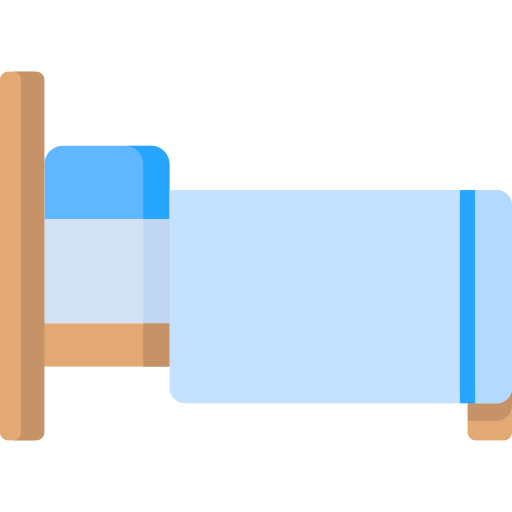
سَرِير
a bed
السَّرِيرُ مُرِيحٌ.
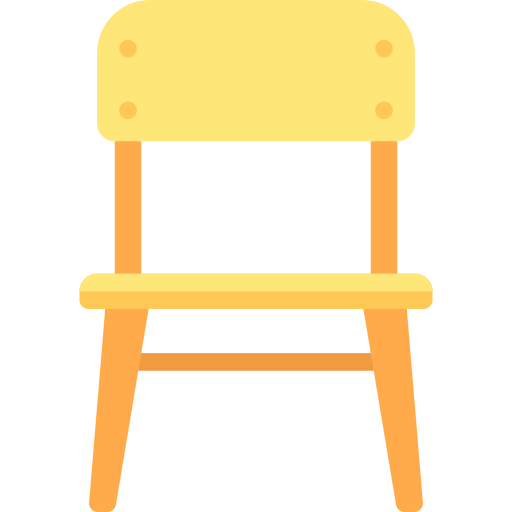
كُرْسِيّ
a chair
كُرْسِيٌّ خَشَبِيٌّ.

طَاوِلَة
a table
الطَّاوِلَةُ فِي الْغُرْفَةِ.
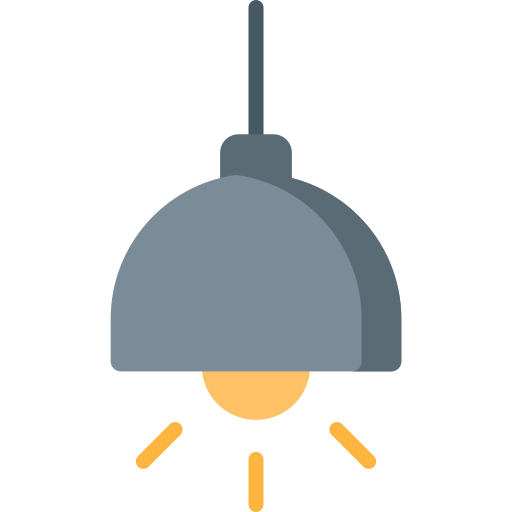
مِصْبَاح
a lamp
الْمِصْبَاحُ فَوْقَ الطَّاوِلَةِ.

خِزَانَة
a closet/cabinet
خِزَانَةٌ جَدِيدَةٌ.

الْكُرْسِيُّ بِجَانِبِ الطَّاوِلَةِ.
The chair is next to the table.
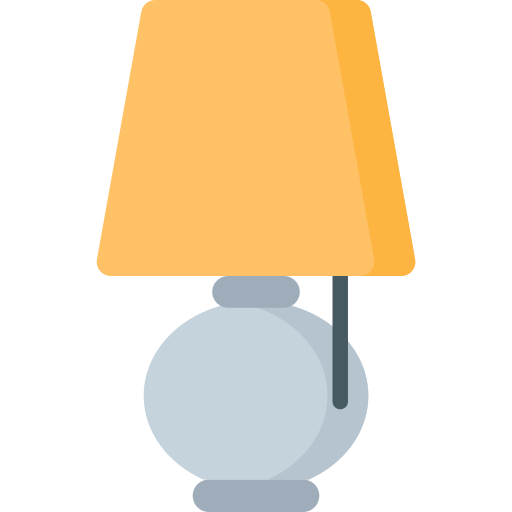
الْمِصْبَاحُ فِي الْغُرْفَةِ.
The lamp is in the room.

الْحَمَّامُ بِجَانِبِ غُرْفَةِ النَّوْمِ.
The bathroom is next to the bedroom.

بَيْتُنَا صَغِيرٌ وَلَكِنْ مُرِيحٌ.
Our house is small but comfortable.
*It's time to practice in sentences!*
In this section, we will combine *everything you've learned so far* into short, natural phrases that may be useful for you. We will review politeness, questions, time, and movement.

مَرْحَبًا، كَيْفَ يُمْكِنُنِي الْمُسَاعَدَةُ؟
Hello, how can I help?

مُمْكِنْ قَائِمَةُ الطَّعَامِ، مِنْ فَضْلِكَ؟
May I have the menu, please?

نَذْهَبُ إِلَى الْمَحَطَّةِ الآنَ.
We are going to the station now.

الطَّقْسُ مُشْمِسٌ الْيَوْمَ.
The weather is sunny today.

هَلْ يُمْكِنُ أَنْ نَلْتَقِي السَّاعَةَ الرَّابِعَةَ؟
Can we meet at four o’clock?

آسِف، كُنْتُ مَشْغُولًا أَمْسِ.
Sorry, I was busy yesterday.

لَا مُشْكِلَةَ، نَتَحَدَّثُ غَدًا.
No problem, we will talk tomorrow.

أَرَاكُمْ فِي الْمَطْعَمِ.
See you (pl.) at the restaurant.
شُكْرًا جَزِيلًا، إِلَى اللِّقَاءِ!
Thank you very much, see you!