
Intermediate Japanese
Explanations and vocabulary practice

Sections: 15
- Welcome to the Intermediate Japanese Course!
- Section 2
- I haven't done my homework yet
- Comparisons
- Making plans
- Indicating changes
- Have you ever been to Japan?
- It's rather hot today, isn't it?
- Expressing desires
- Listing multiple actions
- Verb practise time!
- I study too much
- Giving advice
- Being sick
- I have to study Japanese
Save words from this page and practise them with flashcards in DuoCards. How does it work?
Japanese is the kind of language where each new grammar point lets you express yourself more freely. Let’s build on what you know and have some fun along the way!
In this course, you will learn how to:
- Describe people and things in more detail
- Compare ideas
- Talk about experiences
- Express plans and intentions
- Combine multiple actions
- Express possibilities and changes
- Give advice, say what you have to do or when you just had too much
Before we dive into grammar, let’s warm up with some travel and everyday vocabulary!












In Japanese, verbs and adjectives can directly modify nouns, but they must be in the short form!
Can you describe a friend using verbs and adjectives? Try writing 2-3 sentences!








To say something hasn’t happened yet, we use まだ + verb in て-form + いません
まだ食べていません。 – I haven’t eaten yet.
まだ行っていません。 – I haven’t gone yet.
まだ読んでいません。 – I haven’t read it yet.








Basic structure:
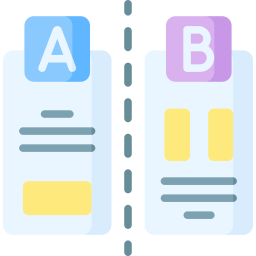
AはBより + adjective – A is more … than B
AとBどっちの方が + adjective – Which is more …, A or B?
( )の中でAがいちばん + adjective – A is the most … among (all)
AとBは同じくらい + adjective – A and B are about the same in …
Examples:
彼は私より背が高いです。 – He is taller than me.
夏は冬より暑いです。 – Summer is hotter than winter.
クラスの中で彼がいちばん頭がいいです。 – He is the smartest in the class.
彼女の英語は私の英語と同じぐらい上手です。 – Her English is about as good as mine.










There are two ways:
つもりです – expresses your intention (flexible)
verb (short, present) + つもりです
明日、友達に会うつもりです。 I’m going to meet a friend tomorrow.
予定です expresses a fixed plan
verb (short, present) + 予定です
来週、家族と旅行する予定です。 I plan to go on a trip with my family next week.











Do you want to say It got colder or He made it better?
なる = become (adj/noun) + なる
寒くなる – It gets colder
する = make/do (adj/noun) + する
楽しくする – Make it enjoyable
There is a difference between い and な-adjectives.
Below is an easy rule to remember how the structures are formed:
い-adjectives: 暖かい = 暖かく + なる/する = 暖かくなる Become warmer
な-adjectives: 元気な = 元気 + になる/する = 元気になる Get better
Nouns: noun+ になる = 学生になる/する Become a student
How would you say, My Japanese has improved? :)














To say you’ve done something before, use the pattern: verb (past, short) + ことがある
日本に行ったことがありますか? Have you ever been to Japan?
Negative answer: いいえ、行ったことがありません。
寿司を食べたことがあります。 I have eaten sushi before.









Talking about the weather 天気 is one of the most common small talk topics in Japanese. Besides starting the conversation with phrases like 久しぶりですね (Long time no see.) or お元気ですか (How are you?) you can naturally start with commenting on the weather:
今日は暑いですね。 It’s hot today, isn't it.
明日は雨です。 It will rain tomorrow.
At the end there are some casual fun phrases for you to take a rest from the grammar for a bit!















In Japanese, there are three main forms:
1. 〜たい - I want to do (connected to verb stem)
ピアノを弾きたいです。 – I want to play the piano.
Note: the particle を can be replaced with が.
2. が欲しい - I want (noun)
新しい靴が欲しいです。 - I want new shoes.
3. て欲しい – I want someone else to do (verb in て-form)
日本語を教えて欲しいです。 - I want you to explain Japanese to me.









Surely you have been asked what you like doing in your free time. How to answer when you want to give some examples but do not want to mention everything? Look no more!
Use 〜たり〜たりする to list activities without specifying order:
本を読んだり、音楽を聞いたりします。 I do things like reading books and listening to music.
Note: Verb (in simple past form) + り is used to list actions, followed by たりする to conclude the list
Tip: Unlike the て-form, order doesn’t matter here.






Try to make your own sentences with the grammar you learned :)








Do you want to learn how to express something is too much? Let's dig in!
Verbs: (verb stem) + すぎる = too much/to excess
勉強しすぎます I study too much.
飲みすぎてはいけません You must not drink too much.
Adjectives: drop the い/ な at the end of the adjectives and add すぎる
この山は高すぎます This mountain is too high.
先生の子供は可愛すぎます Teacher's child is too cute.








Do you also love when someone tells you: I told you!? Learn giving advice yourself! :)
Affirmative: Verb (past, short form) + ほうがいいです It is better to do
もっと運動したほうがいいです。 You should exercise more.
Negative: Verb (present, short form) + ほうがいいです It's better not to do
仕事を休まないほうがいいです。 It is better not to skip work.
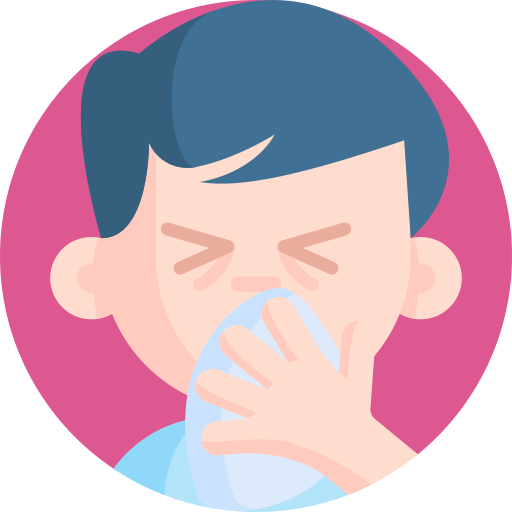
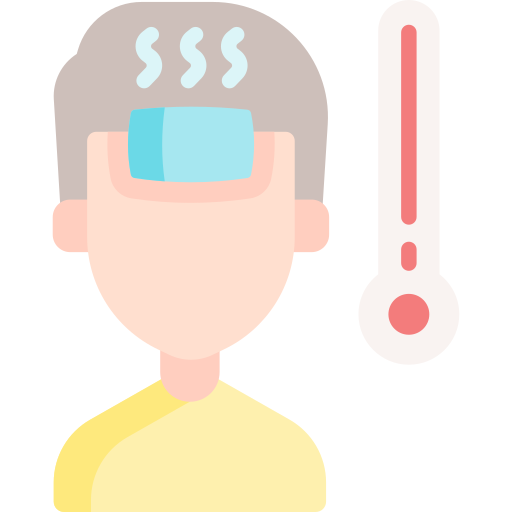


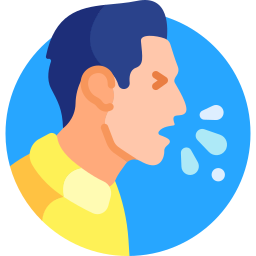



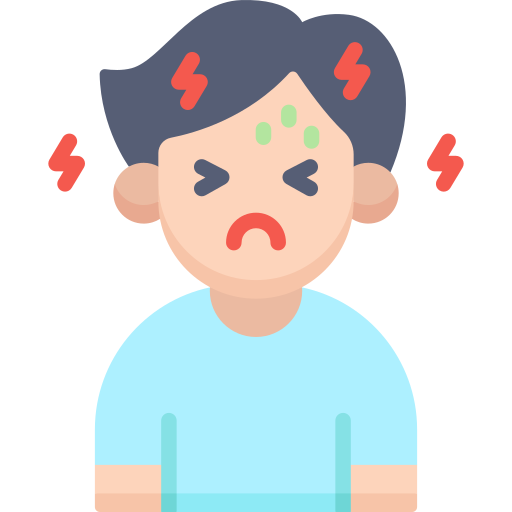
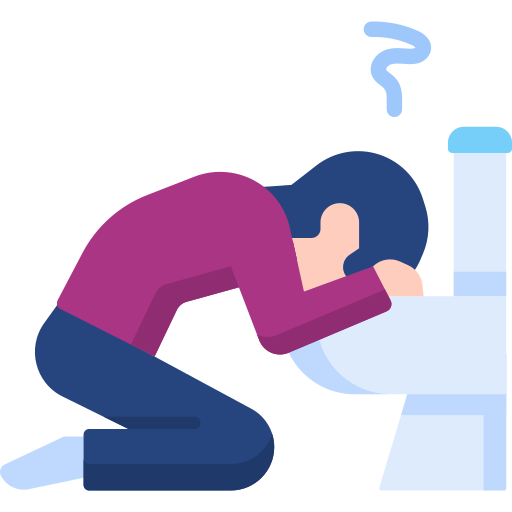
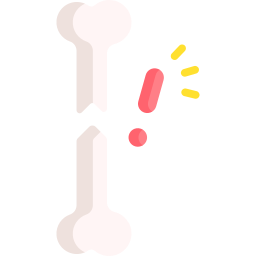
Let’s learn some useful vocabulary for visiting a doctor!
Pay attention to which verbs or expressions go with です ある 出る or する, as each one is used differently depending on the symptom or situation.







Do you also know the feeling of having to do something? Let's learn how to express it!
Verb (negative, short form) + なくてはいけません Have to
食べる -> 食べない -> 食べなくてはいけません I have to eat
買う -> 買わない-> 買わなくてはいけません I have to buy
する -> しない -> しなくてはいけません I have to do
くる -> こない -> こなくてはいけません I have to come
Past tense: なくてはいけませんでした Had to
宿題をしなくてはいけませんでした。 I had to do my homework
Now, let's see what we have to do and see you in the next course!









Learning with DuoCards
What is DuoCards?
DuoCards is a language-learning app that helps you build vocabulary with flashcards. You can save words you want to learn and practise them over time.
How do I learn with this course?
Browse the explanations and vocabulary in each section. Select Card picker and choose the words you want to learn. Then create a free account to save your words and practise them.
How do I practise my words?
You'll see a flashcard with a word and a hidden translation. Guess what it means, then tap to check your answer. DuoCards repeats the words you find difficult.
Do I need an account, and is learning free?
You can browse this page without an account. A free account lets you save words and track your progress. The free plan has limits, and Premium offers additional features.