Intermediate JapaneseJapanese words
*Welcome to the Intermediate Japanese Course!*
Japanese is the kind of language where each new grammar point lets you express yourself more freely. Let’s build on what you know and have some fun along the way!
In this course, you will learn how to:
- *Describe people and things in more detail*
- *Compare ideas*
- *Talk about experiences*
- *Express plans and intentions*
- *Combine multiple actions*
- *Express possibilities and changes*
- *Give advice, say what you have to do or when you just had too much*
Before we dive into grammar, let’s warm up with some travel and everyday vocabulary!

きょうみ
interests
日本の文化にきょうみがあります。
ピアノ
a piano
ピアノを弾きます。

えいがかん
a movie theatre
今晩、映画館に行きます。

コンサート
a concert
このコンサートはとても楽しかったです。

えいがかんでピアノのコンサートを見ました。
I watched a piano concert at the movie theater.
じんじゃ
a shinto shrine
このじんじゃはとても有名です。

おみやげ
a souvenir
友達におみやげを渡しました。

しゃしん
a photo
しゃしんを見せてください。

じんじゃでおみやげを買って、しゃしんを取りました。
I bought souvenirs at the shrine and took pictures.
さんぽ
a walk
毎朝、犬とさんぽします。

りょこう
a travel
夏休みに家族とりょこうに行きます。

しんかんせん
a shinkansen
次のしんかんせんは何時ですか?

かぞく
a family
私のかぞくは四人です。
かぞくとりょこうに行きました。
I went on a trip with my family.

けいけん
an experience
日本で働く経験があります。
ちょうせん
a challenge
新しい挑戦が好きです。
じゅんび
a preparation
旅行の準備をします。

あたらしいちょうせんをじゅんびします。
I am preparing for a new challenge.
In Japanese, verbs and adjectives can directly modify nouns, but they must be in the short form!
Can you describe a friend using verbs and adjectives? Try writing 2-3 sentences!

きのう見た映画
movie that I saw yesterday

大変なうんどう
a hard physical exercise

そつぎょうしたクラスメート。
classmate who graduated

働いている妹
sister who is working
田舎に住んでいるおばあちゃん。
grandma who lives in the countryside

妹の好きな本。
my sister's favourite book
運動してないどうりょう。
coworkers who don't exercise

いつも笑っている彼女。
girlfriend who is always smiling
あまり楽しくない話。
not a very pleasant story
去年行ったところ。
place we went last year
東京に住んでいる友達。
friend who lives in Tokyo

あそこで本を読んでいる人は誰ですか?
Who is the person reading the book there?

毎日日本語をべんきょうしている人は上手です。
People who study Japanese every day are good at it.
旅行行かなかった同僚です。
This is a colleague who did not go on the trip.

去年卒業したクラスメートからメッセージが来ました。
I received a message from a classmate who graduated last year.
*I haven't done my homework yet*
To say something hasn’t happened yet, we use "まだ" + verb in "て"-form + "いません"
"まだ食べていません。" – I haven’t eaten yet.
"まだ行っていません。" – I haven’t gone yet.
"まだ読んでいません。" – I haven’t read it yet.
まだ食べていません。
(I) have not eaten yet.

まだ
no yet

しゅくだい
a homework

れんらく
a contact

見つける
to find
おすすめする
to recommend

まだ行っていません。
(I) haven't gone yet.

まだ買っていません。
I haven't bought it yet.

まだ始まっていません。
It has not yet started.
今週の宿題を終えていません。
I have not yet finished this week's homework.

まだ新しい仕事を見つけていません。
I haven't found a new job yet.
まだ友達に連絡していません。
I have not yet contacted my friends.

ウェイターにまだお金を払っていません。
I have not yet paid the waiter.

まだ彼氏におすすめした映画を見ていません。
I have not yet seen the film I recommended to my boyfriend.
*Comparisons*
*Basic structure:*
AはBより + adjective – *A is more … than B*
AとBどっちの方が + adjective – *Which is more …, A or B?*
( )の中でAがいちばん + adjective – *A is the most … among (all)*
AとBは同じくらい + adjective – *A and B are about the same in …*
*Examples:*
"彼は私より背が高いです。" – He is taller than me.
"夏は冬より暑いです。" – Summer is hotter than winter.
"クラスの中で彼がいちばん頭がいいです。" – He is the smartest in the class.
"彼女の英語は私の英語と同じぐらい上手です。" – Her English is about as good as mine.
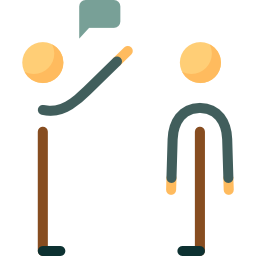
彼は私より背が高いです。
He is taller than me.

一番
the most

同じ
the same

ぐらい
about
くらべる
to compare

はやい
fast

おそい
slow
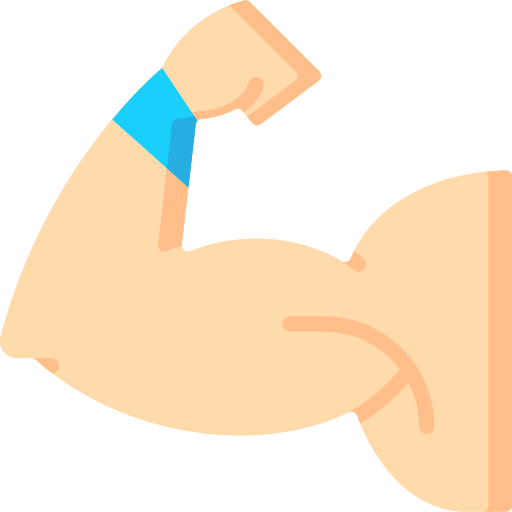
つよい
strong
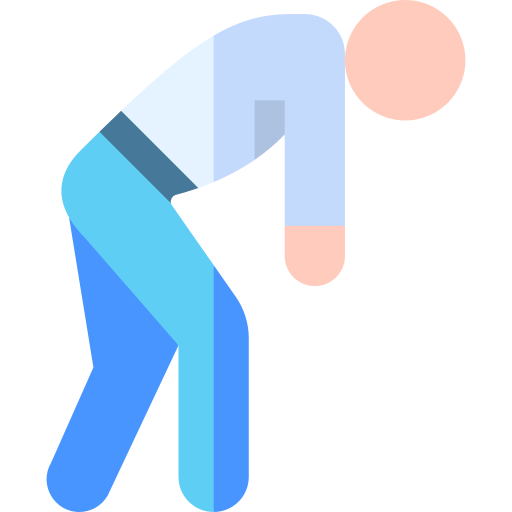
よわい
weak
夏は冬より暑いです。
Summer is hotter than winter.

猫と犬とどっちの方が好きですか?
Do you prefer cats or dogs?

クラスの中で彼がいちばん頭がいいです。
He is the smartest in the class.
彼女の英語は私の英語と同じぐらい上手だ。
Her English is about as good as mine.
日本とアメリカとどっちの方が大きいですか?
Which is bigger, Japan or the USA?

友達の中で彼女がいちばん親切だ。
Of all my friends, she is the kindest.

この映画は前の映画と同じぐらい面白い。
This film is as interesting as the previous one.
彼の車は私の車より速い。
His car is faster than mine.
この問題はあの問題より簡単だ。
This problem is easier than that one.
*Making plans*
*There are two ways:*
"つもりです" – expresses your intention (flexible)
verb (short, present) + "つもりです"
"明日、友達に会うつもりです。" I’m going to meet a friend tomorrow.
"予定です" expresses a fixed plan
verb (short, present) + "予定です"
"来週、家族と旅行する予定です。" I plan to go on a trip with my family next week.

明日、友達に会うつもりです。
I am going to meet a friend tomorrow.
つもり
an intention

よてい
a plan
らいしゅう
next week
来週の土曜日にパーティーがあります。

今日
today
今日の天気はいいです。

しゅうまつ
weekend
週末はいつも家でリラックスします。
毎月
every month
毎月、ニュースレターがとどきます。

きょねん
last year
去年、彼は新しい仕事を始めました。

昨日
yesterday
昨日はとても暑かったです。

先月
last month
先月のテストは難しかったです。
あさって
the day after tomorrow
明後日、友達と映画を見に行きます。

来週、家族と旅行する予定です。
I plan to go on a trip with my family next week.

今日は早く寝るつもりです。
I plan to go to bed early today.

明日、仕事を休む予定です。
I will be off work tomorrow.

週末に映画を見ないつもりです。
I do not intend to see a film at the weekend.
週末には家にいるつもりではありません。
I do not intend to stay at home at weekends.

明日の会議には出席しない予定です。
I will not be attending tomorrow's meeting.
このプロジェクトには参加しない予定です。
I will not be participating in this project.
*Indicating changes*
Do you want to say *It got colder* or *He made it better*?
"なる" = become (adj/noun) + なる
"寒くなる" – It gets colder
"する" = make/do (adj/noun) + する
"楽しくする" – Make it enjoyable
There is a difference between い and な-adjectives.
Below is an easy rule to remember how the structures are formed:
*い-adjectives:* "暖かい" = "暖かく + なる/する" = "暖かくなる" Become warmer
*な-adjectives:* "元気な" = "元気 + になる/する" = "元気になる" Get better
*Nouns:* noun+"になる" = "学生になる/する" Become a student
How would you say, *My Japanese has improved*? :)

寒くなる
to get colder
びょうき
a sickness
びょうきになった。

くすり
a medicine
くすりを飲みます。

しろい
white
景色は白くなった。

くろい
black
くろい車が好きです。

ふるい
old
ふるい家に住んでいます。

わかい
young
若くなりましたね。

あかい
red
赤くなりました。

好きになる
to come to like
最近、猫が好きになった。

きれいになる
to become more beautiful

楽しくする
to make something enjoyable

大切にする
to value something
家族を大切にすることが大事です。
日本語が上手になりましたね。
Your Japanese has improved, right?

友達は先生になりました。
My friend became a teacher.

静かにしてください。
Please keep quiet.
*Have you ever been to Japan?*
To say you’ve done something before, use the pattern: *verb (past, short)* + "ことがある"
"日本に行ったことがありますか?" Have you ever been to Japan?
Negative answer: "いいえ、行ったことがありません。"
"寿司を食べたことがあります"。 I have eaten sushi before.
寿司を食べたことがあります。
I have eaten sushi (before).
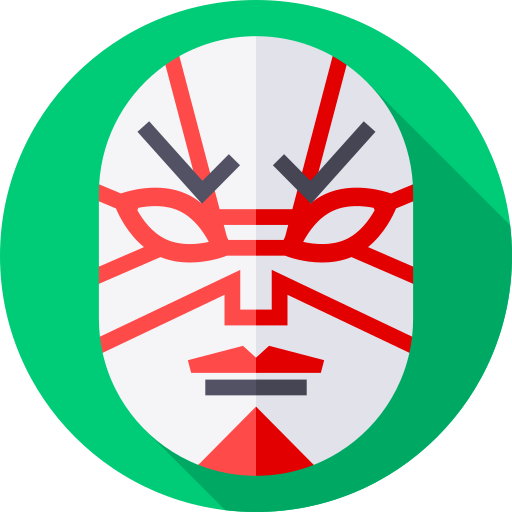
かぶき
kabuki (traditional theatre)

友達と旅行したことがある。
I have traveled with friends.

まつり
a festival

ぶんか
a culture

日本の伝統的な祭りを見たことがある。
I have seen traditional Japanese festival.

でんとうてきな
traditional

外国に住んだことがありません。
I have never lived in a foreign country.
かいがい
overseas

この本を読んだことがあります。
I have read this book.
彼女の歌を聞いたことがありません。
I have never heard her song.

ハイキングに行ったことがありますか?
Have you ever been hiking?
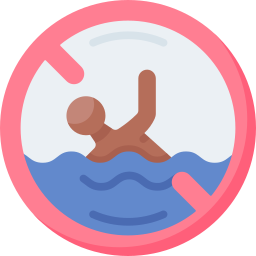
海で泳いだことがない。
I have never swam in the sea.
*It's rather hot today, isn't it?*
Talking about the weather "天気" is one of the most common small talk topics in Japanese. Besides starting the conversation with phrases like "久しぶりですね" (Long time no see.) or "お元気ですか" (How are you?) you can naturally start with commenting on the weather:
"今日は暑いですね。" It’s hot today, isn't it.
"明日は雨です。" It will rain tomorrow.
At the end there are some casual fun phrases for you to take a rest from the grammar for a bit!

今日は暑いですね。
It's rather hot today, isn't it?

てんき
a weather

今日はいいてんきですね。
It is nice weather today, isn't it.
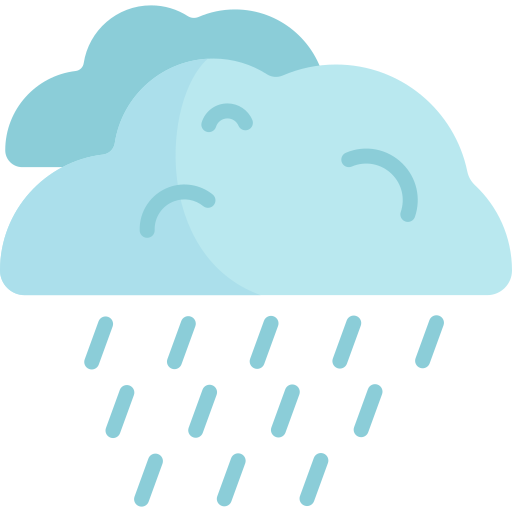
あめ
a rain
雨です。

明日は雨です。
It will rain tomorrow.

ゆき
a snow
雪がふっています。
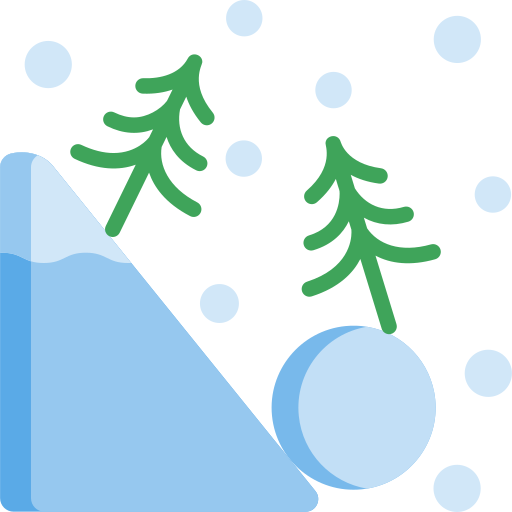
山で雪がふっています。
It is snowing in the mountains.

かぜ
a wind
風がつよいです。

かぜが強いです。
The wind is strong.

はれ
sunny
昨日晴れでした。

今週晴れています。
It is sunny this week.

めっちゃ
very much (casual)

あたたかい
warm
先週暖かかったです。

すずしい
cool
夜は涼しいです。
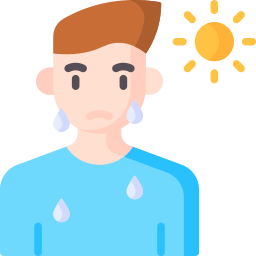
やばい、暑すぎ!
Oh man, it's way too hot!
めっちゃ寒いんだけど!
It’s insanely cold!
雨とか最悪…
Rain is the worst...

いい天気じゃん!
It's nice weather, hey!
*Expressing desires*
In Japanese, there are three main forms:
1. "〜たい" - I want to do (connected to verb stem)
"ピアノを弾きたいです。" – I want to play the piano.
*Note:* the particle "を" can be replaced with "が".
2. "が欲しい" - I want (noun)
"新しい靴が欲しいです。" - I want new shoes.
3. "て欲しい" – I want someone else to do (verb in て-form)
"日本語を教えて欲しいです。" - I want you to explain Japanese to me.

旅行に行きたいです。
I want to travel.
旅行に行きたいが、時間がない。
ピアノをひく
to play the piano
たりる
to be enough
ピアノを弾きたいです。
I want to play the piano.
ピアノを弾きたいですが、練習が足りません。

お金が欲しいです。
I want money.

おどる
to dance
まつりで踊りたいです。
I want to dance on the festival.
まつりで踊りたいから、練習します。

宿題を見て欲しいです。
I would like you to look at my homework.
もう少し静かにして欲しい。
I would like you to be a bit quieter.

りょうり
a dish

おいしい料理が食べたいから、レストランに行きたい。
I want to go to a restaurant because I want to eat good food.

がんばる
to do your best

私のために頑張って欲しいです。
I want you to work hard for me.
*Listing multiple actions*
Surely you have been asked what you like doing in your free time. How to answer when you want to give some examples but do not want to mention everything? Look no more!
Use "〜たり〜たりする" to list activities without specifying order:
"本を読んだり、音楽を聞いたりします。" I do things like reading books and listening to music.
*Note:* Verb (in simple past form) + "り" is used to list actions, followed by "たりする" to conclude the list
*Tip:* Unlike the て-form, order doesn’t matter here.
公園で遊んだり、散歩したりします。
I do things like playing in the park and taking walks.
あそぶ
to play
こうえん
a park

ゲーム
a game

ゲームをしたり、勉強したりします。
I do things like playing games and studying.
ジム
a gym

仕事の後は、ジムで運動したり、友達と飲みに行ったりします。
After work, I f.e. exercise at the gym or go out for a drink with friends.

週末は映画を見たり、本を読んだりしません。
On weekends, I don't watch movies or read books.

ドライブ
a drive
のぼる
going up/to climb

ひまな時ドライブに行ったり、山に登ったりします。
When I have free time, I go for drives or climb mountains.
*Verb practise time!*
Try to make your own sentences with the grammar you learned :)

サボる
to slack off
今日は学校をサボった。

ならう
to learn
えいごをならっています。

うそをつく
to tell a lie
彼はいつも嘘をつく。

けんかする
to quarrel
ルームメートとけんかした。
ちこくする
to come late
会議にちこくした。

しょうかいする
to introduce
新しいプロジェクトをしょうかいします。

のどがかわく
to become thirsty
水をください。のどがかわきました。

おなかがすく
to get hungry/be hungry
おなかがすいたので、何か食べましょう。
ダイエットする
to go on a diet
ダイエットするのは簡単ではありません。

やめる
to stop
タバコをやめる。
つかれる
to get tired
仕事が多くて、すごくつかれた。
*I study too much*
Do you want to learn how to express something is *too much*? Let's dig in!
*Verbs:* (verb stem) + "すぎる" = too much/to excess
"勉強しすぎます" I study too much.
"飲みすぎてはいけません" You must not drink too much.
*Adjectives:* drop the "い"/"な" at the end of the adjectives and add "すぎる"
"この山は高すぎます" This mountain is too high.
"先生の子供は可愛すぎます" Teacher's child is too cute.

あまい
sweet

にがい
bitter
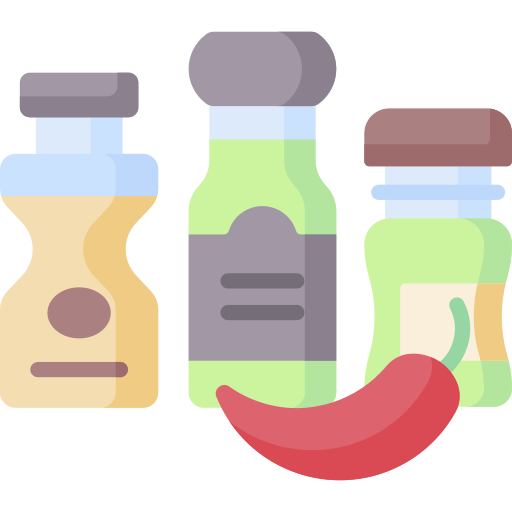
からい
spicy
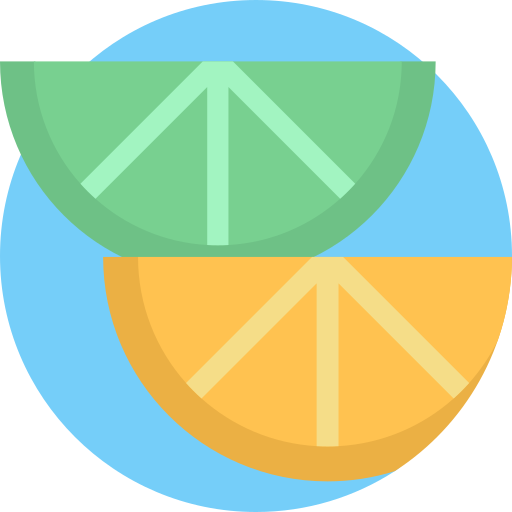
すっぱい
sour
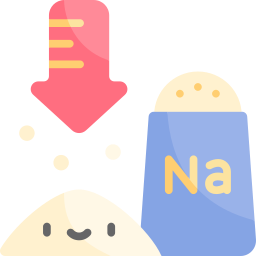
しょっぱい
salty
すてきな
lovely

きんちょうする。
I'm nervous.
きんちょうしすぎます。
I'm too nervous.

昨日買ったおかしは甘すぎます。
The sweets I bought yesterday are too sweet.
カレーは辛すぎます。
The curry is too spicy.

彼の彼女はすてきすぎます。
His girlfriend is too wonderful.
今日食べたごはんはしょっぱすぎました。
The meal I ate today was too salty.

今晩食べすぎました。
I ate too much tonight.
*Giving advice*
Do you also love when someone tells you: I told you!? Learn giving advice yourself! :)
*Affirmative:* Verb (past, short form) + "ほうがいいです" It is better to do
"もっと運動したほうがいいです。" You should exercise more.
*Negative:* Verb (present, short form) + "ほうがいいです" It's better not to do
"仕事を休まないほうがいいです。" It is better not to skip work.
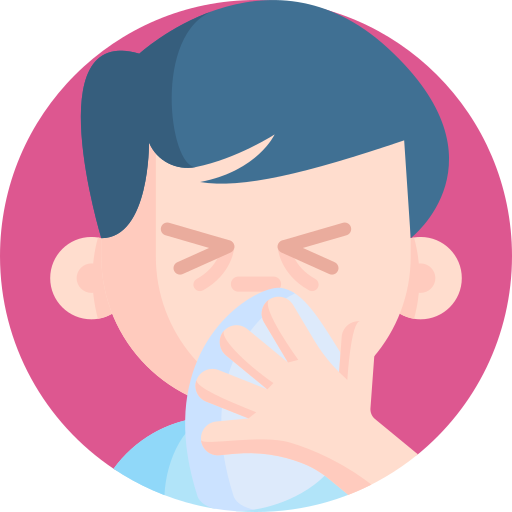
かぜをひく
to catch a cold

しんぱいする
to worry
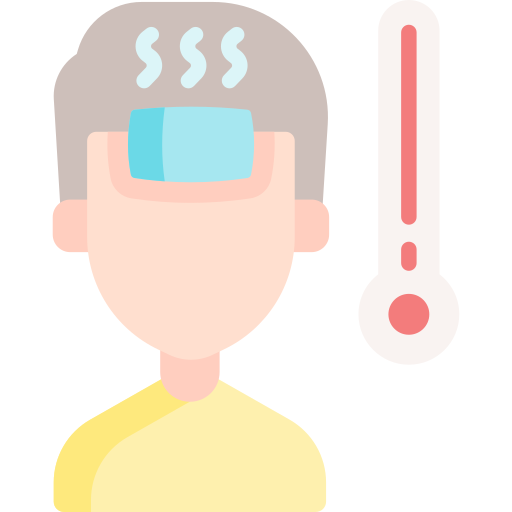
ねつが出る
to have a fever

おだいじに(してください)
(please) take care

くもり
cloudy
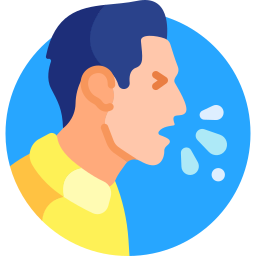
せきが出る
to cough
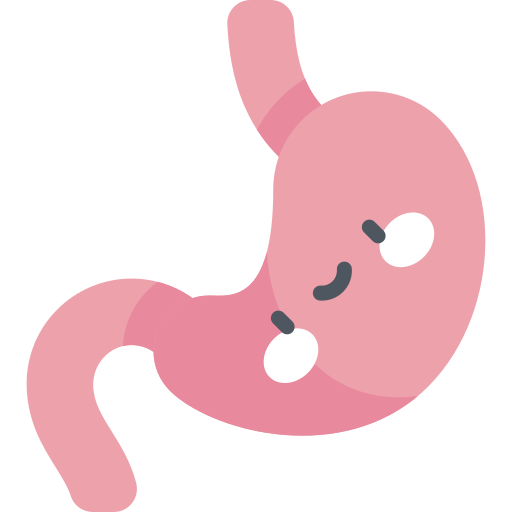
おなかがいたい。
My stomach hurts.

プレゼント
a present

しんぱいしないほうがいいです。
You shouldn't worry.
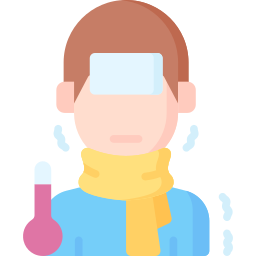
ねつが出た。医者に行ったほうがいいです。
You have a fever. You should go to the doctor.
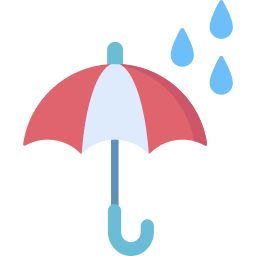
くもりです。かさをとったほうがいいです。
It's cloudy. You should take an umbrella.

プレゼントを買ったほうがいいですよ!
You should buy a present!
*Being sick*
Let’s learn some useful vocabulary for visiting a doctor!
Pay attention to which verbs or expressions go with "です" "ある" "出る" or "する", as each one is used differently depending on the symptom or situation.
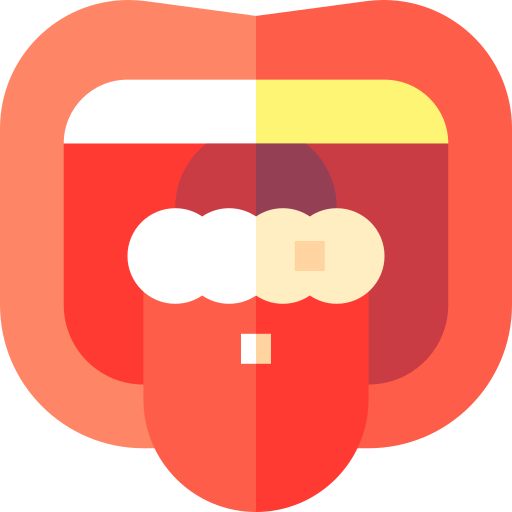
むしば
a bad tooth
むしばがある。
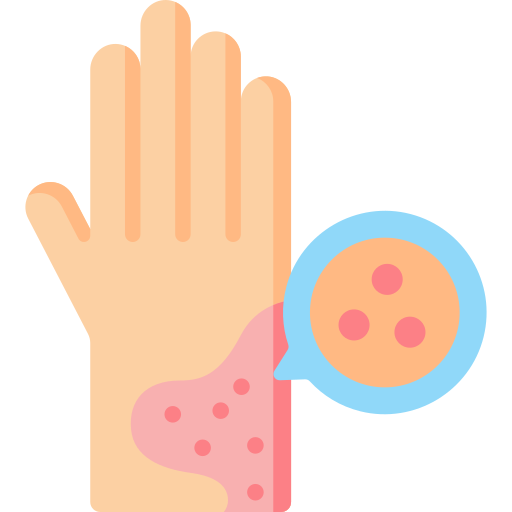
アレルギー
an allergy
ナッツにアレルギーがあります。

はっしん
a rush
はっしんがある。
ねつ
a fever
ねつがある。

げり
a diarrhea
げりです。
せいり
a menstruation
せいりです。

たいおんけい
a thermometer
くしゃみ
a sneeze
くしゃみが出る。
はなみず
a runny nose
はなみずが出る。
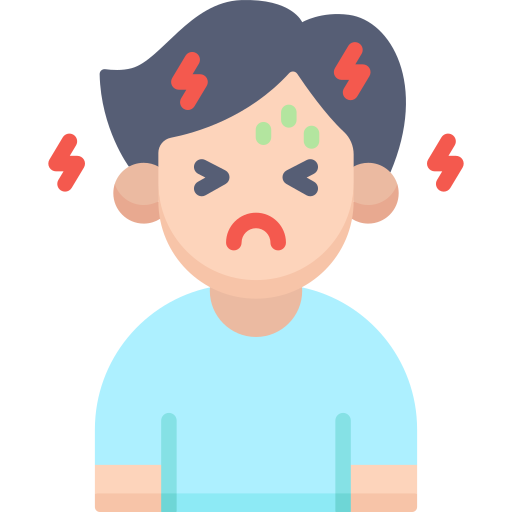
あたまが痛い。
My head hurts.

調子がわるい。
I'm not feeling well.
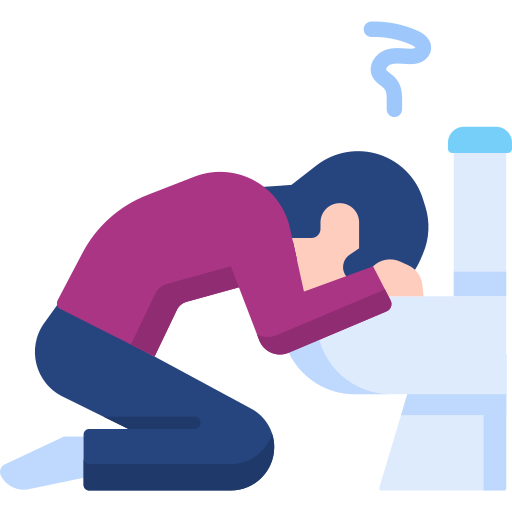
はく
to vomit

けが
an injury
けがをする。
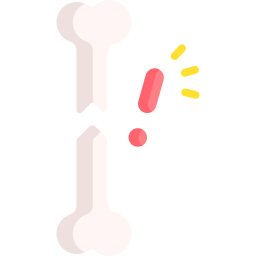
こっせつ
a fracture
こっせつをする。
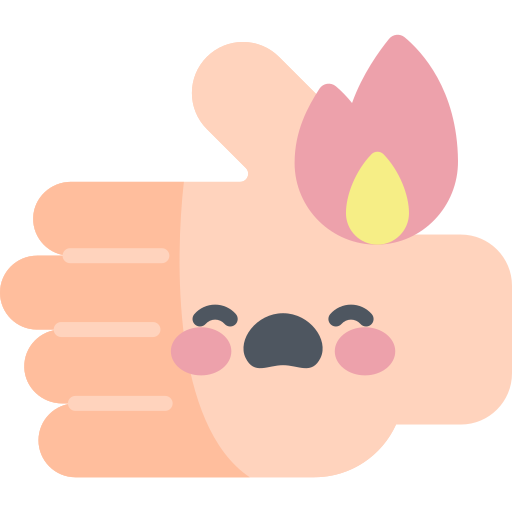
やけど
burns
やけどをする。

ひやけ
a tan/burn
ひやけをする。
しゅじゅつ
a surgery
しゅじゅつをする。
*I have to study Japanese*
Do you also know the feeling of having to do something? Let's learn how to express it!
Verb (negative, short form) + "なくてはいけません" Have to
"食べる" -> "食べない" -> "食べなくてはいけません" I have to eat
"買う" -> "買わない"-> "買わなくてはいけません" I have to buy
"する" -> "しない" ->" しなくてはいけません" I have to do
"くる" -> "こない" -> "こなくてはいけません" I have to come
*Past tense:* "なくてはいけませんでした" Had to
"宿題をしなくてはいけませんでした。" I had to do my homework
Now, let's see what we have to do and see you in the next course!

勉強しなくてはいけません。
I have to study.

くすりを飲まなくてはいけません。
I have to take my medicine.
すしを食べなくてはいけません。
I must eat sushi.

おふろに入らなくてはいけません。
You have to take a bath.

しゅくだいをしなくてはいけませんでした。
I had to do my homework.

ふく
clothes
ふくを洗わなくてはいけません。
おふろ
a bath

はな
a flower
花を買わなくてはいけません。

はをみがく
to brush one's teeth
ふつかよい
a hangover

できるだけ
as much as possible
できるだけれんしゅうしなくてはいけません。

もうすぐ
soon