Maraba da zuwa Tsarin Tsaka-tsaki!

Wannan tsarin zai kai ka mataki daya kusa da jin daɗi a Turanci! Za mu koyi yadda ake kwatanta siffofi, magana game da baya, bincika fi'ilan haɗe-haɗe da ƙari mai yawa.

Amma kafin mu fara, bari mu yi ɗan dumama tare da wasu kalmomi da jimloli masu amfani.

fluency
kwarewa
Improving your fluency takes practice.
rewarding
mai gamsarwa
Volunteering at the animal shelter is a rewarding experience.
achievement
nasara
He felt proud of his achievement when he finished the marathon.
English fluency is a great achievement.
Gwanancewa a harshen Turanci babban nasara ne.
skills
kwarewa
Learning new skills can be fun and rewarding.
She hopes to acquire new skills.
Tana fatan samun sabbin fasahohi.
confident
mai kwarin gwiwa
Being confident can help you succeed.
challenging
mai wahala
Learning a new language can be challenging, but it is very rewarding.
knowledge
sani
She has a lot of knowledge about animals and their habitats.
I get along with my coworkers.
Ina jituwa da abokan aikina.
She's slightly late.
Ta dan makara kadan.
He is working hard to get a raise.
Yana matuƙar ƙoƙari don a ƙara masa albashi.
overwhelming
mai matukar girgiza
The amount of homework was overwhelming for the students.
The workload became overwhelming.
Ayyukan sun wuce hankali.
I felt overwhelmed after the meeting.
Na ji jikina ya yi nauyi bayan taron.

Shin kun ci karo da kalmomin jumla ? Bari mu dube su tare! Fi’ili na phrasal jumla ce da ke da ma’ana ta musamman. Fi'ili na jumla suna da babban fi'ili da wata kalma wacce galibi ko dai takalmi ne ko ma'ana. Misali: "to put on"yana nufin yin ado "to work out"yana nufin motsa jiki
to chill out
hutawa
I'm just chilling out in front of the TV.
to figure out
gane wa
Can you help me figure out this math problem?
I need to figure out how to fix my bike.
Ina bukatar gano yadda zan gyara kekena.
to put on
saka
He put on his shoes quickly.
I put on my shoes before I go outside.
Ina saka takalma na kafin in fita waje.
to turn on
kunna
I will turn on the TV to watch my favorite show.
to turn on a TV
kunna talabijin
After dinner, we usually turn on the TV to relax.
to turn off
kashe
I always turn off my computer before going to bed.
to turn off the lights
kashe fitilu
Before you leave the room, please turn off the lights.
to sit down
zama
Please sit down.
honestly
gaskiyar magana
I honestly didn’t expect that to happen.
to come up with
a kulla
I need to come up with a good idea for my project.
She came up with a solution.
Ta samo mafita ga matsalar.
Take it easy.
Ka kwantar da hankalinka.
Don't worry about the exam, just take it easy.
to cheer up
a faranta rai
She knows how to cheer up the saddest person in the world.
Good music cheers me up.
Kyakkyawan kida yana faranta mini rai.
Go ahead!
Ci gaba!
Can we start eating, mom? - Sure, go ahead.
After work, I like to chill out and listen to music.
Bayan na gama aiki, ina jin daɗin hutawa ina sauraron waƙa.
Keep it up!
Ci gaba da haka!
Keep up the good work.

Maganganu su ne sifofi da ke gyara fi’ili, dalla-dalla, jimloli, da sauran maganganu. Bari mu bincika wasu fitattun maganganu da fa'ida a ƙasa!

right now
yanzu-yanzun nan
I have to make a call right now!
perhaps
wataƙila
Perhaps we could invite Davide and her friends to the party.
remarkably
abin mamaki
The athlete performed remarkably well in the competition.
bashfully
cikin jin kunya
He was smiling bashfully. He bashfully looked away when she smiled at him.
to smile bashfully
yin murmushi cikin kunya
He is smiling bashfully.
carefully
a hankali
They carefully examined the painting to see if it was an original.
Follow the instructions carefully.
Bi umarnin a hankali.
It is not difficult to make, providing you follow the instructions carefully.
Drive carefully!
Ka tuka a hankali!
to be in love
yin soyayya
We had fun and we were in love.
hopelessly in love
cikin tsananin soyayya
She's hopelessly in love with him.
unusually
ba kamar yadda aka saba ba
It's unusually cold outside.
rarely
da wuya
I rarely eat dessert after dinner.
completely
gaba daya
She was completely surprised by the party.
I completely forgot about the meeting today.
Na manta da ganawar da za mu yi a yau kwata-kwata.

Haɗin kalmomi kalmomi ne waɗanda ba sa nuna wani aiki amma a kwatanta batun. Yayin da kalmomi ke son "walk"ko "jump"wakiltar wani aiki, haɗa kalmomi kamar "be"ko "seem"ƙara ƙarin cikakkun bayanai ga batun, kamar "he seems nice"ko "she is an architect."
obvious
a bayyane
The answer to the question was obvious.
to appear
bayyana
Smoke appeared on the horizon.
fur
gashi
The cat’s fur was silky.
You seem nice.
Kana da kirki.
I just met you, but you seem nice.
This place looks like a mess!
Wannan wajen ya yi datti warwas!
I can't believe how messy your room is! This place looks like a mess!
to look great
yin kyau kwarai
Liz looks great today.
Keep calm and carry on.
Ka kwantar da hankalinka ka ci gaba.
I know you're nervous about the presentation, but just keep calm and carry on.
to remain
zama
The old building remains standing despite the earthquake.
It remains the same.
Yana nan yadda yake.
Despite the challenges, our determination to succeed remains the same.
to be awake
a kasance a farke
I was awake but still sleepy when the sun came up.
Are you awake?
Kana farke?

Kuna iya amfani da maganganu irin su "slightly", "much", "a lot"kafin sifa mai kwatanta. Wannan yana nufin za ku iya zama da hankali a cikin kwatancen da zaku iya yi. "The prices are slightly higher than they were last year." "Those who start early will have a much better chance of meeting their goals." "The task is a lot easier than it sounds." Ka lura cewa "much better"suna biye da suna , duk da haka, yana iya tsayawa da kansa.
far more
fiye da haka
Love is far more important than money.
not quite
ba dai-dai ba
Yet, it is not quite finished. I'm sorry, but I don't quite understand what you mean by 'cultural diversity'.
I don't quite understand.
Ban gane sosai ba.
I'm sorry, but I don't quite understand what you mean by 'cultural diversity'.
slightly
kadannan
The prices are slightly higher than they were last year.
slightly different interpretation
fassarar da ta ɗan sha bamban
That is a slightly different interpretation.
Could you speak more slowly?
Ko za ka iya yin magana a hankali?
much more
fiye da haka
People eat much more food than they should.
the least pleasant
wanda ya fi rashin daɗi
He found the least pleasant part of the job to be the long hours.
much better chance
damar da tafi kyau sosai
They have a much better chance of winning.
the best ever
mafi kyau a tarihin kowa
Yesterday I had the best pizza I've ever eaten!

Kamar yadda ka riga ka sani, tare da yawancin fi'ili, ana samar da lokacin da ya wuce ta hanyar ƙara –ed: Duk da haka, akwai da yawa irregular past tense forms a cikin Turanci. Kana buƙatar tuna waɗannan.
I got a gift.
Na sami kyauta.
I got a gift from my best friend.
He got the message.
Ya karɓi saƙon.
He got the message from you.
I was awake.
Ina a farke.
I was awake the whole night.
I brought you a gift.
Na kawo maka kyauta.
I brought you a gift for your birthday.
He drove me to work.
Ya kai ni wurin aiki.
We ate too much.
Mun ci abinci da yawa.
I forgot to reply to her email.
Na manta ban amsa imel dinta ba.
She drove through the storm without stopping.
Ta wuce cikin hadari ba tare da ta tsaya ba.
I knew it!
Na sani!
I knew it! The restaurant is closed on Sundays.
The school forbade students to use their phones.
Makarantar ta hana dalibai amfani da wayoyinsu.
She spoke to him by phone.
Ta yi magana da shi ta waya.
I thought about it.
Na yi tunani a kai.
He caught me looking at his screen.
Ya kama ni ina kallon allonsa.
I understood.
Na gane.
She explained the concept to me, and I understood.

Kalmar fi'ili "get"na iya zama kamar daurewa ga yawancin ɗaliban Ingilishi. Kuna iya jin masu magana da harshen suna amfani da shi a kusan kowace zance. Mafi yawan ma'anar wannan fi'ili sune kamar haka: 1. Samu/saya "I need to get some files from the archives." "We must get some milk. There isn’t any left." 2. Take "She gets the train to work every day." "We can get a cab back to the hotel." 3. Karba "Did you get my email yesterday?" "She got a beautiful necklace for her birthday." 4. Zama "It’s getting colder. Put on your jacket." "You can get better at English by practicing." 5. Zuwa "They left at 4:30 and got home at 5:30." "When do you think you’ll get here?" 6. Fahimta "I didn’t get what he said. Did you?" "He got the joke but I didn’t." 7. Yi wani abu ya faru "You should get your hair cut. It’s really long." "We’re getting the car checked before our holiday."
Did you get it?
Shin ka gane?
I didn't get the joke.
Ban gane barkwancin ba.
I didn't get the joke. Can you explain it to me?
to acquire
samu
I need to acquire more information before making a decision.
Get it done.
Ka sa an yi shi.
Just get it done, please.
I got home at midnight.
Na dawo gida tsakiyar dare.
I got home at midnight.
to get a cab
shiga taksi
We can get a cab back to the hotel.
get better
inganta
You can get better at English by practicing.
It's getting cold.
Sanyi ya fara shigowa.
It's getting cold outside.
Did you get my message?
Shin ka karbi sakona?
Got it!
Na gane!
You can get better at English with DuoCards.
Za ka iya kyautata Ingilishi naka tare da DuoCards.

Akwai ƴan kalmomin kalmomin jumla "get"waɗanda ka riga ka sani kuma ka yi amfani da su ba tare da yin tunani akai ba. Misali: "What time do you get up?" "Get up"yana nufin barin gadon ka da safe. Bari mu kalli wasu mahimman kalmomin kalmomin jumla tare da samun .
get on
hau
Here’s the bus. Let’s get on.
Get on the train!
Shiga jirgin kasa!
I always get nervous when I have to get on a crowded train.
to get off
sauka
We got off the plane and went to passport control.
to get in
shiga
He got in the car and put on his seatbelt.
to get out
Fita
Get out of my room!
to get back
dawo
We should get back by 7:30. Can you wait for us?
Get back immediately.
Ka dawo nan take.
He told me to get back immediately after I finished my work.
to get over
shawo kan
I had flu last week but I’ve got over it now.
It took her months to get over the disappointment.
Ta dauki watanni kafin ta warke daga bakin cikin da hakan ya janyo mata.
to get on / along with somebody
a zauna lafiya da wani
Do you get on with your colleagues?
Despite their differences, they got along well.
Duk da bambance-bambancen da ke tsakaninsu, sun shiga juna sosai.
to get across
a fahimtar da
I tried to get my point across to the teacher, but she didn't seem to understand.
He struggled to get his point across.
Ya sha wuya wajen bayyana abin da yake nufi.
to get away with (something)
tserewa daga aikata wani abu ba tare da an hukunta ka ba
He stole some money from the firm but no one found out so he got away with it.
You can't get away with it!
Ba za ka tsira da wannan ba!
You can't get away with cheating on the test. The teacher will find out.

Bari mu kalli wasu kalmomi da jimlolin da ke taimaka muku haɗa ra'ayoyi biyu tare. Sau da yawa muna amfani da kalmomi irin su "because", "since", "due to", "as", "thanks to", , "therefore", "so"don magana game da dalili da sakamako. Lura, cewa akwai bambanci tsakanin "due to"da "thanks to". Godiya ga yana da ma'ana mai kyau . Saboda shine mafi tsaka tsaki - yana iya samun duka mara kyau da ma'ana mai kyau.

therefore
saboda haka
He was injured and therefore unable to play.
as a result
a sakamakon haka
He didn’t work hard. As a result, he was fired.
due to
saboda
Due to the rain, the game was cancelled.
thanks to you
godiya ga kai
Thanks to you I was able to finish the homework.
to go out
fita waje
Let's go out dancing!
I can’t go out as it’s raining.
Ba zan iya fita waje ba saboda ruwa yana sauka.
to get a raise
samun ƙarin albashi
He is working hard in order to get a raise.
Thanks to his hard work, he got a raise.
Godiya ga kwazonsa, an kara masa albashi.
since it's your birthday
tunda ranar haihuwarka ce
Since it's your birthday, you got to be invited for lunch today.
because of
saboda
We cancelled the trip because of the rain.
I did it because of you.
Na yi hakan ne saboda kai.

Akwai kalmomi da yawa a cikin Ingilishi kuma akwai alamu iri-iri na abin da ke zuwa bayan fi'ili. Wasu samfuran gama gari sune: Verb + mara iyaka tare da zuwa "I decided to take the car to work." "He offered to cook dinner." Fi'ili + - nau'i "It took years but I've finally quit smoking." "After she finished reading the book she turned off the light and went to sleep." Verb + (wato) jumla (Zaka iya barin "that".) "I understand that you weren't happy with your pay rise." "I suggest that you try the salmon, it's delicious."
I love learning new vocabulary!
Ina son koyon sababbin kalmomi!
to quit
a daina
I'm going to quit my job and travel the world.
to suggest
bayar da shawara
I suggest that you taste the salmon, it's delicious.

I suggest that you quit smoking.
Ina ba ka shawarar ka daina shan taba.
He likes telling jokes.
Yana son ba da labarin barkwanci.
pay rise
ƙarin albashi
Sarah received a significant pay rise this year.
to assume
a zaci
She assumed that I knew the answer.
I assume you're right.
Ina tsammanin kana da gaskiya.
to decide
yanke shawara
I decided to tell her that I love her.
I decided to do it.
Na yanke shawara in yi hakan.
scattered
watsattsaye
I understand that you are a bit scattered.
to be scattered
a watse
Why are they scattered?
to take care of (something/someone)
kula da (wani abu/wani mutum)
She offered to take care of it.
Ta yi tayin cewa za ta kula da hakan.
I have a lot of work to do this weekend, but my friend offered to take care of my dog while I'm busy.
She refused to admit that she had made a mistake.
Ta ki amincewa da cewa ta yi kuskure.
to avoid
a guje wa
I try to avoid junk food to stay healthy.
He avoided answering the question.
Ya guje wa amsa tambayar.
We noticed that something was wrong.
Mun lura cewa akwai wani abu da ba daidai ba.

Wasu fi'ili suna da ma'anoni daban-daban dangane da ko ana biye da su ta hanyar -ing ko zuwa + m . Misali: "Stop"+ -ing yana nufin aikin baya faruwa kuma. "Stop"+ zuwa + rashin iyaka yana nufin cewa wani ko wani abu ya dakatar da wani aiki don su iya yin wani abu dabam. "I've stopped buying the newspaper because now I read the news online." "He stopped the video to ask the students some questions."
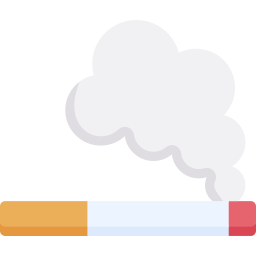
I stopped smoking.
Na daina shan taba.
I stopped to smoke.
Na tsaya domin in sha taba.
I was walking to work, but I stopped to smoke a cigarette.
to remember
tunawa
I'll always remember this holiday.
I remember seeing him before.
Na tuna na taba ganin sa a da.
I remember seeing him before, but I can't remember where.
Remember to call me.
Kada ka manta da kiran ni.
to lock
kulle
He forgot to lock the car.
He forgot to lock the door.
Ya manta ya kulle ƙofar.
He forgot to lock the door when he went out.
I remembered locking the door before leaving the house.
Na tuna cewa na kulla kofar kafin na fice daga gidan.
I remembered to lock the door before I left the house.
Na tuna na kulle kofa kafin na bar gidan.
I'll never forget meeting you for the first time.
Ba zan taba mantawa da ranar da muka fara haduwa ba.
I'll never forget meeting you for the first time. You were wearing a bright red shirt and had the biggest smile on your face.
to reckon
a yi kintata
I reckon it will take about an hour to get there.
I'm trying to
Ina ƙoƙarin
I'm trying to learn Japanese but it's very difficult.
Have you tried turning the computer off and on again?
Shin ka gwada kashe kwamfutar ka sake kunnawa?
outstanding
madalla
The view from the top of the mountain was outstanding.
What an outstanding performance!
Wannan kyakkyawan aiki ne!

Za mu iya amfani da ƙiyayya, kamar, ƙauna, da fifita tare da nau'i-nau'i ko tare da rashin iyaka. A cikin Ingilishi na Amurka, nau'ikan da ba su da iyaka sun fi kowa fiye da nau'in -ing. Akwai ɗan ƙaramin bambanci a cikin ma'ana tsakanin sifofin biyu. Siffar -ing tana jaddada aiki ko ƙwarewa. Ƙarshen ƙarshe yana ba da ƙarin girmamawa ga sakamakon aiki ko taron. Mu sau da yawa muna amfani da nau'in -ing don ba da shawarar jin daɗi (ko rashinsa), da sigar zuwa-ƙasa don bayyana halaye ko abubuwan da ake so. Siffar -ing ta fi kowa fiye da nau'i mai ƙarewa bayan ƙiyayya da ƙauna. Lokacin da muka yi amfani "would"da ƙiyayya, kamar, ƙauna, ko fifita , muna amfani da zuwa-mafi ƙarewa , ba nau'i-nau'i ba.
We would hate to see you go.
Ba ma son ganin ka na tafiya.
We really value your contributions to the team. We would hate to see you go.
I would love to be there!
Ina matukar son in kasance a can!
Are you going to the concert tonight?" "I would love to be there, but I have to work.
for too long
na tsawon lokaci
Don't let me wait for too long.
They don’t like sitting for too long.
Ba sa son zama na tsawon lokaci.
I like baking pizza.
Ina son gasa pizza.
I hate waiting.
Na tsani jira.
He would hate to wait there for more than an hour.
Ba zai so ya jira a can fiye da awa daya ba.
to interrupt
katse
She had to interrupt the meeting to answer an important phone call.
He hates being interrupted.
Ya tsani a katse shi yayin da yake magana.
I prefer to work on tasks that have clear deadlines.
Na fi son yin ayyukan da suke da takamaiman wa'adin kammalawa.
to cause a problem
haifar da matsala
They’d hate to cause a problem.
I prefer going out
Na fi son in fita waje
I prefer going out than staying at home.
a tie
kurbata
The man is wearing a tie.
he prefers not to wear a tie
ya fi son kada ya sa takunkumin wuya
He prefers not to wear a tie to work.
to join
haɗuwa
They invited us to join them at their table.
We would love to join you.
Za mu so mu kasance tare da ku.
It's a tie!
An tashi kunnen doki!
it's a tie for first place

Wasu kalmomi ko da yaushe suna buƙatar abu. Ana kiran waɗannan kalmomi masu wucewa. Wasu kalmomi ba su da wani abu. Waɗannan ana kiran su fi'ilai marasa motsi. Ana iya amfani da wasu kalmomi tare da abu (mai canzawa) ko kuma ba tare da wani abu ba (intransitively). Wani lokaci ma'anar ita ce. Misali: "Please bring coffee."- A cikin wannan jimla, fi’ili "bring"yana wucewa; abinsa kofi ne, abin da ake kawowa. "The sun is shining."- A cikin wannan jimla, fi'ili "shine"ba ya canzawa, ba ya buƙatar wani abu don jumlar ta sami ma'ana.

Did you enjoy the course?
Shin kun ji daɗin kwas ɗin?
He stopped the car at the traffic lights.
Ya tsayar da motar a wurin fitulun zirga-zirga.
(transitive)
The car stopped suddenly in the middle of the road.
Motar ta tsaya cak a tsakiyar hanya.
(intransitive)
to emphasize
a jaddada
The book emphasises the role of the arts in society.
What happened?
Me ya faru?
Rita looks upset – do you know what happened?
Do not enter.
Kada ka shiga.
to enter the room
shiga daki
She entered the room looking nervous.
She learns to drive.
Tana koyon tuƙi.
She learned to drive when she was twenty.
to drive a van
tuƙi motar kaya
He drives a van for a delivery firm.
You should leave now.
Ya kamata ka tafi yanzu.
He left me.
Ya bar ni.
He left me without saying goodbye.
to save time
don adana lokaci
Buying things on the Internet saves people a lot of time.
Did you win?
Shin ka ci?
How was the match? Did you win?
to win a competition
cin gasa
She won a competition and got a free trip to Copenhagen.
to increase
ƙarawa
They increased my salary last month.
to get a car mended
a gyara mota
i need to get my car mended
fluently
da ƙwarewa
She speaks six languages fluently.
Imagine speaking English fluently.
Ka yi tunanin kana magana da Ingilishi da kyau.

Bambanci mafi mahimmanci tsakanin "say""tell"kuma shine tare da "say", ba kwa buƙatar faɗi waɗanda aka raba ra'ayoyin ko bayanai tare da su, amma tare da "tell", kuna yi. Misali: "Amy said that she likes coffee." "Amy told me that she likes coffee."
to tell the truth
fadin gaskiya
We should always tell the truth.
to say something
faɗin wani abu
Say something finally.
to say goodbye
yin sallama
They didn't even say goodbye.
I told you.
Na gaya maka.
I told you so.
Nobody told me.
Babu wanda ya gaya mini.
Nobody told me what to do.
Don't tell anyone.
Kada ka gaya wa kowa.
Don't tell anyone your address or phone number.
She said it to me.
Ta gaya mini hakan.
They told her to wait.
Sun gaya mata ta jira.
They told her to wait till the doctor arrived.
Can you tell me?
Za ka iya gaya mini?
Can you tell me the truth?
He said he didn’t agree with the decision.
Ya ce bai yarda da shawarar ba.
He told his manager that he didn’t agree with the decision.
Ya gaya wa manajansa cewa bai yarda da wannan shawarar ba.

Siffofin da ke ƙarewa a -ed suna bayyana yadda batun ke ji. Batun da kansa yana da irin wannan jin, cewa wani abu ya shafe shi. A gefe guda kuma, kalmomin da suka ƙare a -ing sun ce batun yana haifar da jin dadi a cikin yanayi kuma wasu suna jin haka saboda shi. Ma'ana, kuna iya cewa: "The teacher is boring."kuma "We are bored because of him."
That's exciting!
Abin farin ciki ne!
This is exciting news.
They were excited.
Sun yi murna sosai.
They were excited about the trip.
shocking
abin ban tsoro
I heard the shocking news.
The news is shocking.
Labarin yana da ban tsoro.
I was shocked by the news.
Labarin ya ba ni mamaki.
They were shocked by the news of the unexpected election results.
boring
mai gajiyarwa
I've got a boring job in an office.
to get bored
gaji da zaman banza
Maria gets bored easily.
It's interesting.
Abin sha'awa ne.
It's interesting that you didn't know that.
to be interested in
nuna sha'awa
I am interested in football.
a surprising ending
kammalawa mai ban mamaki
The movie has a surprising ending.
I'm not surprised.
Wannan bai ba ni mamaki ba.
I'm not surprised by his behaviour.
The journey was exhausting.
Tafiyar ta gaji matuka.
They were exhausted after the journey.
Sun gaji ƙwarai bayan tafiyar.
worrying
abin damuwa
She has a worrying habit of not sleeping well at night.
worried
cike da damuwa
She looked worried when she heard the news.

Jumla na gabaɗaya rukuni ne na kalmomi da suka ƙunshi preposition, abinsa, da duk wasu kalmomin da ke gyara abu. Yawancin lokaci, jimlar magana tana canza kalma ko suna. Misali: "He arrived in time." "Are you going by bicycle or on foot?"
by chance
a karkace
I heard their secrets by chance.
on foot
da kafa
If you go somewhere on foot, you walk there.
by all means
a kowane hali
Can I borrow your car? - By all means!
at short notice
a lokacin ƙure
The meeting was cancelled at short notice.
at a glance
a kallo daya
I know him at a glance.
to approve of
amince da
We’re not happy but we do approve of their decision.
on a diet
a kan tsarin abinci
The patient is on a diet.
around the world
a fadin duniya
Everyone around the world likes Coke.
to look forward to
jin daɗin jiran wani abu
I am looking forward to seeing you.
Ina jikan ganinka.
in spite of
duk da haka
In spite of his fear, he decided to try skydiving.
In spite of the rain, we went hiking.
Duk da ruwan sama, mun tafi yawo a kan duwatsu.
apart from
ban da
Apart from his job, he enjoys painting in his free time.
Apart from one mistake, the work was excellent.
Ban da kuskure guda daya, aikin ya yi kyau kwarai.

"Should"Modal karin aiki ne. Muna amfani da shi musamman don: ba da shawara ko ba da shawarwari: "You should get a haircut." magana game da yuwuwar da tsammanin: "They should arrive soon." magana akan wajibci "You should be wearing your seat belt.":
You should study.
Ya kamata ka yi karatu.
You should study for the exam.
Should I come back?
Shin in dawo?
to get a haircut
yin aski
You should get a haircut.
You should be more careful.
Ya kamata ka ƙara yin hankali.
What should I wear?
Me ya kamata in saka?
the weight
nauyi
She should gain some weight.
to lose weight
rage kiba
You should try to lose weight.
to apply for a job
neman aiki
She should apply for the job.
It should be fine.
Ya kamata ya zama daidai.
Should we study?
Ya kamata mu yi karatu?
Should we study more?
Students should submit their work on time.
Ya kamata dalibai su mika aikinsu akan lokaci.
The system should update after restart.
Ya kamata tsarin ya sabunta kansa bayan an sake kunna shi.
I should be studying instead of scrolling.
Ya kamata in yi karatu maimakon duba waya.
They should have warned us about the changes.
Ya kamata su gaya mana game da canje-canjen tun da wuri.

"As"kuma "like"sau da yawa suna rikicewa tun da ana iya amfani da su duka don kwatanta. Yawancin lokaci, kamar kwatanta abubuwa biyu. "He looks like my brother." Sau da yawa, kamar yadda za a iya maye gurbinsu da "the way". "He can’t play cricket as he used to."( "He can't play cricket the way he used to.")
like me
kamar ni
You are just like me.
as much as
gwargwadon
She loves curry as much as I do.
the same as
dai-dai da
Your phone is the same as mine.
She looks like her mother.
Tana kama da mahaifiyarta.
the cotton
audugar
She doesn't wear cotton in the winter.
It feels like cotton.
Yana ji kamar auduga.
to feel like
jin sha'awar wani abu
I don't feel like it.
to work as
yi aiki a matsayin
I worked as an actor for two years.
She's like a sister to me.
Kamar yata take a wurina.
people like us
mutane irinmu
There are lots of people like us.
to expect
sa rai
As we expected, it started to rain.
as I said
kamar yadda na faɗa
As I said, I think this project will be a challenge.
The situation unfolded as we had predicted.
Lamarin ya faru kamar yadda muka yi hasashen.
to unfold
a buɗe
As the story unfolded, we learned more about the characters' secrets.
Do it as instructed, otherwise it won’t work.
Ka yi yadda aka umarce ka, in ba haka ba, ba zai yi aiki ba.
It seems like we’ve met before.
Da alama mun taba haduwa a da.
The room smells like something has been burning.
Dakin yana wari kamar wani abu yana konewa.

Za mu iya yin amfani "to wish"da magana game da wani abu da za mu so ya bambanta a yanzu ko kuma nan gaba. Muna amfani da buri + mai sauƙi : "I wish I spoke Italian." "I wish you were here." "I wish I had a big car."
to wish
fata
I wish you to quit smoking
I wish you were here.
Ina fata da kana nan.
to convince
shawo kan
I wish I convinced the judge.
bilingual
mai magana da harsuna biyu
I wish I was bilingual.
I wish it was easy.
Da ma ace abu ne mai sauƙi.
polite
da ladabi
I wish you were polite.
I wish I knew.
Da ma na sani.
to translate
fassara
I wish they translated it.
I wish it was the weekend.
Ina fata da a ce ranar hutu ce.
I wish I spoke fluently.
In da ma ina jin yaren sosai.
She wishes she had more free time.
Tana fata da ta sami ƙarin lokacin hutu.
He wishes he had grown up in a bilingual environment.
Yana fatan da ya girma a cikin yanayin da ake magana da harsuna biyu.
I wish I could become fluent.
Ina fata da zan iya yin magana sosai ba tare da tuntube ba.
effortlessly
ba tare da wahala ba
She danced effortlessly across the stage.
I wish I understood native speakers effortlessly.
In da a ce ina fahimtar masu magana da yaren asali ba tare da wahala ba.
Yaya yake aiki?

Koyo da DuoCards

Mene ne DuoCards?

DuoCards manhaja ce ta koyon harsuna da ke taimaka maka wajen ƙara ƙamus ɗinka ta hanyar amfani da kati. Kuna iya ajiye kalmomin da kuke son koya kuma ku yi ta atisayen su yadda lokaci ke tafiya.

Ta yaya zan yi amfani da wannan kwas ɗin wajen koyo?

Duba bayani da ƙamus a kowane ɓangare. Zaɓi mai ɗaukar kati (Card picker) sannan ka zaɓi kalmomin da kake son koya. Sannan ka buɗe asusu kyauta don ajiye kalmominka ka kuma duba su.

Ta yaya zan yi atisaye da kati na?

Za ka ga kati mai ɗauke da kalma da kuma fassarar da aka ɓoye. Yi ƙoƙarin hasashen ma'anarsa, sannan ka taɓa don bincika amsarka. DuoCards na maimaita kalmomin da kake ganin suna da wuyar gaske.

Shin ina buƙatar asusu, kuma karatun kyauta ne?

Kuna iya duba wannan shafin ba tare da asusu ba. Tare da asusu na kyauta, za ka iya ajiye kalmomi kuma ka bibiyi yadda kake ci gaba. Tsarin kyauta yana da iyaka, kuma tsarin Na Musamman yana ba da ƙarin abubuwa.