
Orta Seviye Kursİngilizce kelimeler
by DuoCards
Bu kurs, İngilizce konusunda kendinizi daha güvende hissetmenize bir adım daha yaklaştıracak! Sıfatları karşılaştırmayı, geçmiş hakkında konuşmayı, deyimsel fiilleri keşfetmeyi ve çok daha fazlasını öğreneceğiz.
Ancak buna başlamadan önce, birkaç faydalı kelime ve ifadeyle ısınalım.

fluency
akıcılık
Improving your fluency takes practice.

rewarding
tatmin edici
Volunteering at the animal shelter is a rewarding experience.

achievement
başarı
He felt proud of his achievement when he finished the marathon.

English fluency is a great achievement.
İngilizcede akıcılık büyük bir başarıdır.

skills
yetenekler
Learning new skills can be fun and rewarding.
She hopes to acquire new skills.
Yeni beceriler edinmeyi umuyor.

confident
kendine güvenen
Being confident can help you succeed.
challenging
zorlu
Learning a new language can be challenging, but it is very rewarding.

knowledge
bilgi
She has a lot of knowledge about animals and their habitats.

I get along with my coworkers.
İş arkadaşlarımla aram iyi.
She's slightly late.
Biraz gecikti.
He is working hard to get a raise.
Zam almak için çok çalışıyor.
overwhelming
ezici
The amount of homework was overwhelming for the students.
The workload became overwhelming.
İş yükü dayanılmaz bir hale geldi.

I felt overwhelmed after the meeting.
Toplantıdan sonra kendimi bunalmış hissettim.
*Edilgen Fiiller*
Daha önce *edilgen fiillerle* karşılaştınız mı? Haydi, onlara birlikte bir göz atalım!
Edilgen fiil, *özel bir anlamı* olan bir ifadedir. Edilgen fiillerin *ana fiili* ve genellikle bir zarf veya edat olan *başka bir kelimesi* vardır.
Örneğin:
"to put on" giyinmek anlamına gelir
"to work out" egzersiz yapmak anlamına gelir

to chill out
takılmak
I'm just chilling out in front of the TV.

to figure out
çözmek
Can you help me figure out this math problem?
I need to figure out how to fix my bike.
Bisikletimi nasıl tamir edeceğimi çözmem gerekiyor.
to put on
giymek
He put on his shoes quickly.
I put on my shoes before I go outside.
Dışarı çıkmadan önce ayakkabılarımı giyerim.
to turn on
açmak
I will turn on the TV to watch my favorite show.

to turn on a TV
televizyonu açmak
After dinner, we usually turn on the TV to relax.

to turn off
kapatmak
I always turn off my computer before going to bed.
to turn off the lights
ışıkları kapatmak
Before you leave the room, please turn off the lights.
to sit down
oturmak
Please sit down.

honestly
açıkça
I honestly didn’t expect that to happen.

to come up with
bulmak
I need to come up with a good idea for my project.

She came up with a solution.
Soruna bir çözüm buldu.
Take it easy.
Sakin ol.
Don't worry about the exam, just take it easy.

to cheer up
neşelendirmek
She knows how to cheer up the saddest person in the world.

Good music cheers me up.
İyi müzik beni neşelendirir.

Go ahead!
Devam et!
Can we start eating, mom? - Sure, go ahead.

After work, I like to chill out and listen to music.
İşten sonra dinlenmeyi ve müzik dinlemeyi severim.

Keep it up!
Aynen böyle devam!
Keep up the good work.
*Orta seviye için Zarf Türleri*
Zarflar fiilleri, sıfatları, cümleleri ve diğer zarfları değiştiren yapılardır. Aşağıda en yaygın ve kullanışlı zarflardan bazılarını inceleyelim!

right now
şu an
I have to make a call right now!

perhaps
belki
Perhaps we could invite Davide and her friends to the party.

remarkably
olağanüstü
The athlete performed remarkably well in the competition.

bashfully
utangaç bir şekilde
He was smiling bashfully.
He bashfully looked away when she smiled at him.

to smile bashfully
mahcup bir şekilde gülümsemek
He is smiling bashfully.

carefully
dikkatlice
They carefully examined the painting to see if it was an original.
Follow the instructions carefully.
Talimatları dikkatlice takip edin.
It is not difficult to make, providing you follow the instructions carefully.

Drive carefully!
Dikkatli sür!

to be in love
aşık olmak
We had fun and we were in love.

hopelessly in love
kara sevdalı
She's hopelessly in love with him.

unusually
sıra dışı bir şekilde
It's unusually cold outside.

rarely
nadiren
I rarely eat dessert after dinner.
completely
tamamen
She was completely surprised by the party.
I completely forgot about the meeting today.
Bugünkü toplantıyı tamamen unutmuşum.
ı*Bağlayıcı fiiller*
Bağlayıcı fiiller, bir eylemi göstermeyen, daha ziyade *özneyi tanımlayan fiillerdir.* "walk", "jump" gibi fiiller bir eylemi temsil ederken, "be" veya "seem" gibi bağlayıcı fiiller özneye daha fazla ayrıntı ekler, örneğin "he seems nice""she is an architect."

obvious
açık/gözle görünür
The answer to the question was obvious.

to appear
görünmek
Smoke appeared on the horizon.

fur
kürk
The cat’s fur was silky.

You seem nice.
Nazik birine benziyorsun.
I just met you, but you seem nice.
This place looks like a mess!
Bu ne dağınıklık!
I can't believe how messy your room is! This place looks like a mess!

to look great
harika görünmek
Liz looks great today.

Keep calm and carry on.
Sakin ol ve devam et.
I know you're nervous about the presentation, but just keep calm and carry on.
to remain
kalmak
The old building remains standing despite the earthquake.
It remains the same.
Aynı kalıyor.
Despite the challenges, our determination to succeed remains the same.

to be awake
uyanık olmak
I was awake but still sleepy when the sun came up.

Are you awake?
Uyanık mısın?
*Karşılaştırmalı sıfatlar ile zarflar*
Karşılaştırma sıfatından önce "slightly"
"much""a lot", gibi zarfları kullanabilirsiniz. Bu, yapabileceğiniz karşılaştırmalarda daha incelikli olabileceğiniz anlamına gelir.
"The prices are slightly higher than they were last year."
"Those who start early will have a much better chance of meeting their goals."
"The task is a lot easier than it sounds."
Dikkat edin "much better", ardından bir *isim* gelir, ancak tek başına da durabilir.

far more
çok daha fazla
Love is far more important than money.

not quite
tam olarak değil
Yet, it is not quite finished.
I'm sorry, but I don't quite understand what you mean by 'cultural diversity'.

I don't quite understand.
Pek anlamıyorum.
I'm sorry, but I don't quite understand what you mean by 'cultural diversity'.
slightly
hafifçe
The prices are slightly higher than they were last year.
slightly different interpretation
biraz farklı bir yorum
That is a slightly different interpretation.
Could you speak more slowly?
Biraz daha yavaş konuşabilir misiniz?

much more
çok daha fazla
People eat much more food than they should.

the least pleasant
en az hoş olan
He found the least pleasant part of the job to be the long hours.

much better chance
çok daha iyi şans
They have a much better chance of winning.

the best ever
gelmiş geçmiş en iyisi
Yesterday I had the best pizza I've ever eaten!
*Geçmiş zaman*
Zaten bildiğiniz gibi, çoğu fiilde geçmiş zaman *–ed* eklenerek oluşturulur:
"call" - "called"
"like" - "liked"
Ancak, İngilizcede birçok *düzensiz geçmiş zaman biçimi* vardır. Bunları hatırlamanız gerekiyor.
"to get" - "got" - "gotten"
"to break" - "broke" - "broken"
"to bring" - "brought" - "brought"
"catch" - "caught" - "caught"
"to drive" - "drove" - "driven"
"to eat" - "ate" - "eaten"
"forget" - "forgot" - "forgotten"
"to think" - "thought" - "thought"
"to know" - "knew" - "known"
"to speak" - "spoke" - "spoken"
"to understand" - "understood" - "understood"
"forbid" - "forbade" - "forbidden"

I got a gift.
Bir hediye aldım.
I got a gift from my best friend.
He got the message.
Mesajı aldı.
He got the message from you.

I was awake.
Uyanıktım.
I was awake the whole night.

I brought you a gift.
Sana bir hediye getirdim.
I brought you a gift for your birthday.
He drove me to work.
Beni işe o bıraktı.

We ate too much.
Çok fazla yedik.

I forgot to reply to her email.
E-postasına cevap vermeyi unuttum.

She drove through the storm without stopping.
Fırtınanın içinden hiç durmadan geçti.

I knew it!
Biliyordum!
I knew it! The restaurant is closed on Sundays.

The school forbade students to use their phones.
Okul, öğrencilerin telefonlarını kullanmalarını yasakladı.

She spoke to him by phone.
Onunla telefonda görüştü.

I thought about it.
Bunu düşündüm.

He caught me looking at his screen.
Ekranına baktığımı yakaladı.
I understood.
Anladım.
She explained the concept to me, and I understood.
*Get'in farklı kullanımları*
Fiil "get" çoğu İngilizce öğrencisi için oldukça kafa karıştırıcı görünebilir. Anadili İngilizce olanların hemen hemen her konuşmada bunu kullandığını duyabilirsiniz.
Bu fiilin en yaygın anlamları şunlardır:
*1. Obtain/buy*
"I need to get some files from the archives."
"We must get some milk. There isn’t any left."
*2. Take*
"She gets the train to work every day."
"We can get a cab back to the hotel."
*3. Recieve*
"Did you get my email yesterday?"
"She got a beautiful necklace for her birthday."
*4. Become*
"It’s getting colder. Put on your jacket."
"You can get better at English by practicing."
*5. Arrive*
"They left at 4:30 and got home at 5:30."
"When do you think you’ll get here?"
*6. Understand*
"I didn’t get what he said. Did you?"
"He got the joke but I didn’t."
*7. Make something happen*
"You should get your hair cut. It’s really long."
"We’re getting the car checked before our holiday."

Did you get it?
Anladın mı?

I didn't get the joke.
Şakayı anlamadım.
I didn't get the joke. Can you explain it to me?

to acquire
edinmek
I need to acquire more information before making a decision.

Get it done.
Halleşin.
Just get it done, please.
I got home at midnight.
Eve gece yarısı geldim.
I got home at midnight.
to get a cab
taksi çevirmek
We can get a cab back to the hotel.

get better
gelişmek
You can get better at English by practicing.
It's getting cold.
Hava soğumaya başladı.
It's getting cold outside.

Did you get my message?
Mesajımı aldın mı?
Got it!
Anladım!

You can get better at English with DuoCards.
DuoCards ile İngilizceni geliştirebilirsin.
*Get ile yaygın olarak kullanılan öbek fiiller*
"get" Zaten bildiğiniz ve hiç düşünmeden kullandığınız pek çok öbek fiil var.
Örneğin:
"What time do you get up?"
"Get up" sabah yatağınızdan çıkmak demektir.
*Get* ile kullanılan en önemli öbek fiillerden bazılarına bir göz atalım.

get on
binmek
Here’s the bus. Let’s get on.
Get on the train!
Trene bin!
I always get nervous when I have to get on a crowded train.

to get off
inmek
We got off the plane and went to passport control.
to get in
bir araca, bir odaya veya bir yapıya girmek
He got in the car and put on his seatbelt.
to get out
çık!
Get out of my room!

to get back
geri gelmek
We should get back by 7:30. Can you wait for us?

Get back immediately.
Hemen geri gel.
He told me to get back immediately after I finished my work.

to get over
zorluk, kayıp, hastalık veya travmayı atlatmak / bazen bir fikri, durumu veya hareketi kabul etmek veya tolere etmek
I had flu last week but I’ve got over it now.
It took her months to get over the disappointment.
O hayal kırıklığını atlatması aylarını aldı.

to get on / along with somebody
iyi anlaşmak
Do you get on with your colleagues?
Despite their differences, they got along well.
Farklılıklarına rağmen iyi anlaşıyorlardı.
to get across
açıklamak
I tried to get my point across to the teacher, but she didn't seem to understand.

He struggled to get his point across.
Meramını anlatmakta zorlandı.

to get away with (something)
yakayı ele vermemek
He stole some money from the firm but no one found out so he got away with it.
You can't get away with it!
Bu yanına kâr kalmaz!
You can't get away with cheating on the test. The teacher will find out.
*Neden ve sonuç*
İki fikri birleştirmenize yardımcı olacak bazı kelimelere ve ifadelere bakalım. "Because", "since", "due to", "as", "thanks to", "therefore", "so".
Sebep ve sonuçtan bahsetmek için genellikle bu gibi ifadeleri kullanırız.
"due to" ve "thanks to" arasında bir fark olduğunu unutmayın .
"Thanks to" olumlu bir çağrışıma sahiptir.
"Due to" ise daha nötrdür. Hem olumsuz hem de olumlu çağrışımlara sahip olabilir.

therefore
bu yüzden
He was injured and therefore unable to play.

as a result
sonuç olarak
He didn’t work hard. As a result, he was fired.

due to
nedeniyle
Due to the rain, the game was cancelled.
thanks to you
senin sayende
Thanks to you I was able to finish the homework.

to go out
dışarı çıkmak
Let's go out dancing!

I can’t go out as it’s raining.
Yağmur yağdığı için dışarı çıkamıyorum.

to get a raise
zam almak
He is working hard in order to get a raise.

Thanks to his hard work, he got a raise.
Sıkı çalışması sayesinde maaşına zam aldı.

since it's your birthday
doğum günün olduğu için
Since it's your birthday, you got to be invited for lunch today.

because of
yüzünden
We cancelled the trip because of the rain.

I did it because of you.
Senin sayende yaptım.
*Bir fiilden sonra ne gelir?*
İngilizcede pek çok fiil vardır ve bir fiilden sonra gelen pek çok farklı kalıp vardır.
Bazı yaygın kalıplar şunlardır:
*Fiil + to ile mastar*
"I decided to take the car to work."
"He offered to cook dinner."
*Fiil + -ing formu*
"It took years but I've finally quit smoking."
"After she finished reading the book she turned off the light and went to sleep."
*Fiil + (that) cümleciği*
"I understand that you weren't happy with your pay rise."
"I suggest that you try the salmon, it's delicious."
I love learning new vocabulary!
Yeni kelimeler öğrenmeyi seviyorum!
to quit
bırakmak
I'm going to quit my job and travel the world.
to suggest
önermek
I suggest that you taste the salmon, it's delicious.
I suggest that you quit smoking.
Sigarayı bırakmanı öneririm.

He likes telling jokes.
Fıkra anlatmayı sever.

pay rise
maaş zammı
Sarah received a significant pay rise this year.
to assume
varsaymak/sanmak
She assumed that I knew the answer.

I assume you're right.
Sanırım haklısın.
to decide
karar vermek
I decided to tell her that I love her.
I decided to do it.
Yapmaya karar verdim.
scattered
dağınık
I understand that you are a bit scattered.
to be scattered
dağınık olmak
Why are they scattered?

to take care of (something/someone)
(birine/bir şeye) bakmak veya ilgilenmek
She offered to take care of it.
Bununla ilgilenmeyi teklif etti.
I have a lot of work to do this weekend, but my friend offered to take care of my dog while I'm busy.
She refused to admit that she had made a mistake.
Hata yaptığını kabul etmeyi reddetti.
to avoid
kaçınmak
I try to avoid junk food to stay healthy.

He avoided answering the question.
Soruyu cevaplamaktan kaçındı.
We noticed that something was wrong.
Bir şeylerin ters gittiğini fark ettik.
*Daha fazla kural*
Bazı fiiller, sonrasında *-ing biçiminin* mi yoksa *to + mastarının mı* geldiğine bağlı olarak farklı anlamlara sahiptir.
Örneğin:
"Stop"*+ -ing,* eylemin *artık gerçekleşmediği anlamına gelir.*
"Stop"+ *to + mastar,* birisinin veya bir şeyin, *başka bir şey yapabilmek için bir aktiviteyi durdurduğu anlamına gelir.*
"I've stopped buying the newspaper because now I read the news online."
"He stopped the video to ask the students some questions."
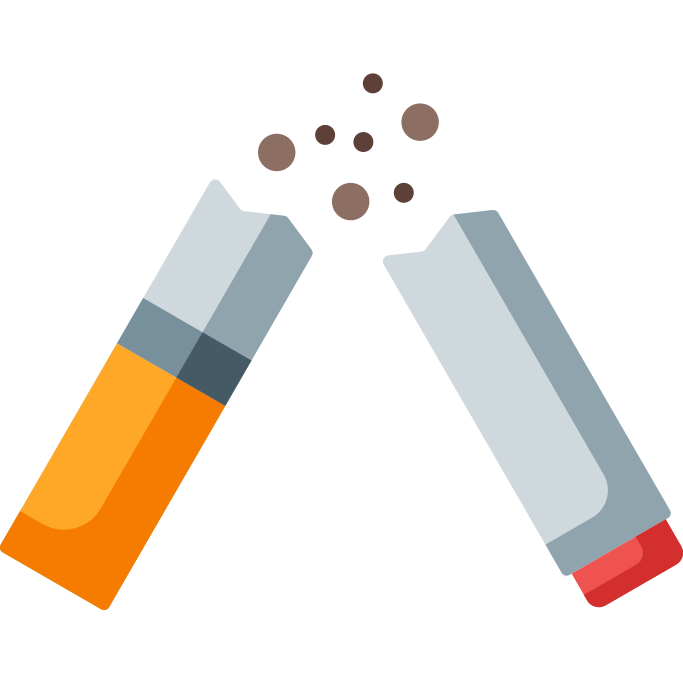
I stopped smoking.
Sigarayı bıraktım.
I stopped to smoke.
Sigara içmek için durdum.
I was walking to work, but I stopped to smoke a cigarette.

to remember
hatırlamak
I'll always remember this holiday.

I remember seeing him before.
Onu daha önce gördüğümü hatırlıyorum.
I remember seeing him before, but I can't remember where.
Remember to call me.
Beni aramayı unutma.

to lock
kilitlemek
He forgot to lock the car.
He forgot to lock the door.
Kapıyı kilitlemeyi unuttu.
He forgot to lock the door when he went out.
I remembered locking the door before leaving the house.
Evden çıkmadan önce kapıyı kilitlediğimi hatırladım.

I remembered to lock the door before I left the house.
Evden çıkmadan önce kapıyı kilitlemeyi unutmadım.

I'll never forget meeting you for the first time.
Seninle ilk karşılaşmamızı asla unutmayacağım.
I'll never forget meeting you for the first time. You were wearing a bright red shirt and had the biggest smile on your face.
to reckon
tahmin etmek
I reckon it will take about an hour to get there.

I'm trying to
çalışıyorum
I'm trying to learn Japanese but it's very difficult.

Have you tried turning the computer off and on again?
Bilgisayarı kapatıp açmayı denediniz mi?

outstanding
muhteşem
The view from the top of the mountain was outstanding.

What an outstanding performance!
Muhteşem bir performans!
*Hate, like, love ve prefer*
*Hate, like, sevgi ve prefer* -ing formuyla veya to-infinitive ile kullanabiliriz.
Amerikan İngilizcesinde, to-infinitive olan biçimler, -ing biçiminden çok daha yaygındır.
İki form arasında çok küçük bir anlam farkı vardır. *-ing formu,* *eylemi veya deneyimi vurgular.* *To-infinitive,* eylemin veya olayın *sonuçlarına* daha fazla önem verir.
Sıklıkla -ing biçimini keyfi (veya eksikliğini) önermek için ve to-infinitive biçimini alışkanlıkları veya tercihleri ifade etmek için kullanırız.
*hate ve love'dan sonra -ing formu, infimitive formdan daha yaygındır.*
*Hate, like, love ve prefer* ile "would" kullandığımızda, -ing biçimini değil, *to-infinitive* kullanırız.*
We would hate to see you go.
Gitmenizi hiç istemeyiz.
We really value your contributions to the team. We would hate to see you go.

I would love to be there!
Orada olmayı çok isterdim!
Are you going to the concert tonight?" "I would love to be there, but I have to work.

for too long
çok uzun süredir
Don't let me wait for too long.

They don’t like sitting for too long.
Çok uzun süre oturmaktan hoşlanmazlar.

I like baking pizza.
Pizza yapmayı severim.
I hate waiting.
Beklemekten nefret ederim.
He would hate to wait there for more than an hour.
Orada bir saatten fazla beklemekten nefret ederdi.
to interrupt
sözünü kesmek
She had to interrupt the meeting to answer an important phone call.
He hates being interrupted.
Sözünün kesilmesinden nefret eder.
I prefer to work on tasks that have clear deadlines.
Net bir teslim tarihi olan görevler üzerinde çalışmayı tercih ederim.
to cause a problem
sorun çıkarmak
They’d hate to cause a problem.

I prefer going out
Dışarı çıkmayı tercih ederim
I prefer going out than staying at home.

a tie
bir kravat
The man is wearing a tie.

he prefers not to wear a tie
kravat takmamayı tercih ediyor
He prefers not to wear a tie to work.

to join
katılmak
They invited us to join them at their table.

We would love to join you.
Size katılmayı çok isteriz.
It's a tie!
Berabere!
it's a tie for first place
*Geçişli veya geçişsiz*
Bazı fiiller her zaman bir nesneye ihtiyaç duyar. Bunlara geçişli fiiller denir. Bazı fiillerin hiçbir zaman nesnesi olmaz. Bunlara geçişsiz fiiller denir.
Bazı fiiller *nesneyle (geçişli)* veya *nesnesiz (geçişsiz) kullanılabilir.* Bazen anlam aynıdır.
Örneğin: "Please bring coffee." - Bu cümlede fiil "bring"geçişlidir; nesnesi kahvedir, getirilen şeydir.
"The sun is shining." - Bu cümlede fiil "shine" geçişsizdir, cümlenin anlam kazanması için bir nesneye ihtiyaç duymaz.

Did you enjoy the course?
Kurstan memnun kaldınız mı?
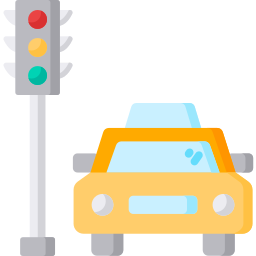
He stopped the car at the traffic lights.
Arabayı trafik ışıklarında durdurdu.
(transitive)
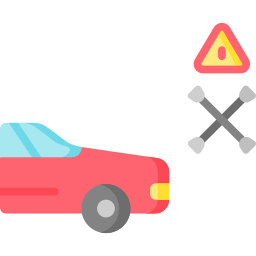
The car stopped suddenly in the middle of the road.
Araba aniden yolun ortasında durdu.
(intransitive)

to emphasize
vurgulamak
The book emphasises the role of the arts in society.

What happened?
Ne oldu?
Rita looks upset – do you know what happened?

Do not enter.
Girilmez.

to enter the room
odaya girmek
She entered the room looking nervous.

She learns to drive.
Araba sürmeyi öğreniyor.
She learned to drive when she was twenty.
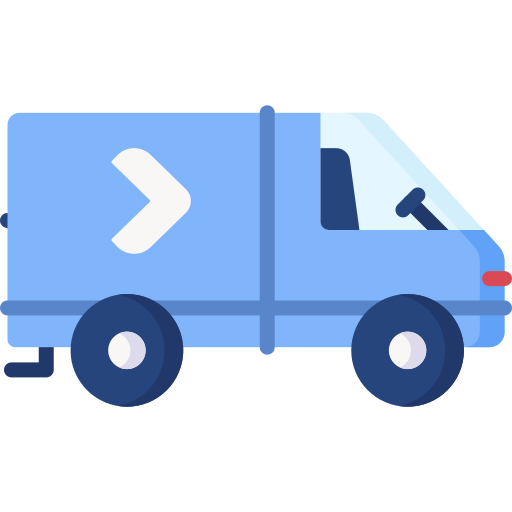
to drive a van
panelvan sürmek
He drives a van for a delivery firm.

You should leave now.
Şimdi gitmelisin.

He left me.
Beni terk etti.
He left me without saying goodbye.

to save time
zaman kazanmak
Buying things on the Internet saves people a lot of time.

Did you win?
Kazandın mı?
How was the match? Did you win?

to win a competition
yarışma kazanmak
She won a competition and got a free trip to Copenhagen.

to increase
artırmak
They increased my salary last month.
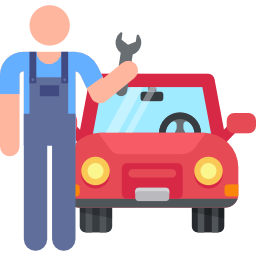
to get a car mended
arabayı tamir ettirmek
i need to get my car mended

fluently
akıcı bir şekilde
She speaks six languages fluently.
Imagine speaking English fluently.
İngilizceyi akıcı bir şekilde konuştuğunuzu hayal edin.
*Say vs tell*
"say" ve "tell" arasındaki en önemli fark, "say", fikirlerin veya bilgilerin kimlerle paylaşıldığını belirtmenize gerek olmaması, ancak "tell" ile olmasıdır. Örneğin:
"Amy said that she likes coffee."
"Amy told me that she likes coffee."

to tell the truth
doğruyu söylemek
We should always tell the truth.

to say something
bir şey söylemek
Say something finally.

to say goodbye
vedalaşmak
They didn't even say goodbye.

I told you.
Sana söylemiştim.
I told you so.

Nobody told me.
Kimse bana söylemedi.
Nobody told me what to do.

Don't tell anyone.
Kimseye söyleme.
Don't tell anyone your address or phone number.

She said it to me.
Bunu bana o söyledi.
They told her to wait.
Ona beklemesini söylediler.
They told her to wait till the doctor arrived.
Can you tell me?
Bana söyleyebilir misin?
Can you tell me the truth?
He said he didn’t agree with the decision.
Karara katılmadığını söyledi.

He told his manager that he didn’t agree with the decision.
Yöneticisine bu karara katılmadığını söyledi.
*İngilizce heyecan verici olabilir!*
*-ed* ile biten sıfatlar *öznenin nasıl hissettiğini ifade eder.* Öznenin kendisi öyle bir duyguya sahiptir ki, bir şey onu etkiler. *-ing* ile biten sıfatlar ise *öznenin çevrede belli bir duyguya neden olduğunu* ve diğerlerinin de bu duygudan dolayı böyle hissettiğini söyler.
Başka bir deyişle, şunları söyleyebilirsiniz:
"The teacher is boring."ve "We are bored because of him."

That's exciting!
Bu heyecan verici!
This is exciting news.

They were excited.
Heyecanlıydılar.
They were excited about the trip.

shocking
şok edici
I heard the shocking news.

The news is shocking.
Bu haber şok edici.

I was shocked by the news.
Bu haber beni şoke etti.
They were shocked by the news of the unexpected election results.

boring
sıkıcı
I've got a boring job in an office.

to get bored
sıkılmak
Maria gets bored easily.

It's interesting.
Bu ilginç.
It's interesting that you didn't know that.

to be interested in
ilgilenmek
I am interested in football.

a surprising ending
şaşırtıcı bir son
The movie has a surprising ending.

I'm not surprised.
Buna şaşırmadım.
I'm not surprised by his behaviour.
The journey was exhausting.
Yolculuk çok yorucuydu.
They were exhausted after the journey.
Yolculuktan sonra bitkin düşmüşlerdi.
worrying
endişe verici
She has a worrying habit of not sleeping well at night.

worried
endişeli
She looked worried when she heard the news.
*Edat öbekleri*
Bir edat öbeği, bir *edattan, nesneden ve nesneyi değiştiren herhangi bir kelimeden oluşan bir kelime grubudur.* Çoğu zaman, bir edat tamlaması *bir fiili veya bir ismi değiştirir.*
Örneğin:
"He arrived in time."
"Are you going by bicycle or on foot?"

by chance
tesadüfen
I heard their secrets by chance.

on foot
yürüyerek
If you go somewhere on foot, you walk there.

by all means
her hâlükârda
Can I borrow your car? - By all means!
at short notice
son dakikada
The meeting was cancelled at short notice.

at a glance
ilk bakışta
I know him at a glance.

to approve of
onaylamak
We’re not happy but we do approve of their decision.
on a diet
diyette
The patient is on a diet.

around the world
dünya genelinde
Everyone around the world likes Coke.

to look forward to
dört gözle beklemek
I am looking forward to seeing you.

I am looking forward to seeing you.
Seni görmek için sabırsızlanıyorum.
in spite of
rağmen
In spite of his fear, he decided to try skydiving.
In spite of the rain, we went hiking.
Yağmura rağmen yürüyüşe çıktık.

apart from
haricinde
Apart from his job, he enjoys painting in his free time.

Apart from one mistake, the work was excellent.
Bir hata dışında çalışma mükemmeldi.
*Should*
"Should" modal bir yardımcı fiildir. Bunu esas olarak şu amaçlarla kullanıyoruz:
tavsiyede bulunmak: "You should get a haircut."
olasılık ve beklenti: "They should arrive soon."
yükümlülük: "You should be wearing your seat belt."

You should study.
Öğrenmelisin./Çalışmalısın.
You should study for the exam.

Should I come back?
Geri dönmeli miyim?

to get a haircut
saç kestirmek
You should get a haircut.

You should be more careful.
Daha dikkatli olmalısın.
What should I wear?
Ne giymeliyim?
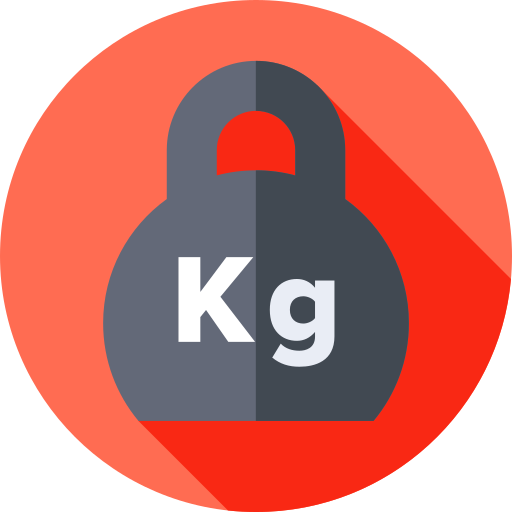
the weight
ağırlık
She should gain some weight.
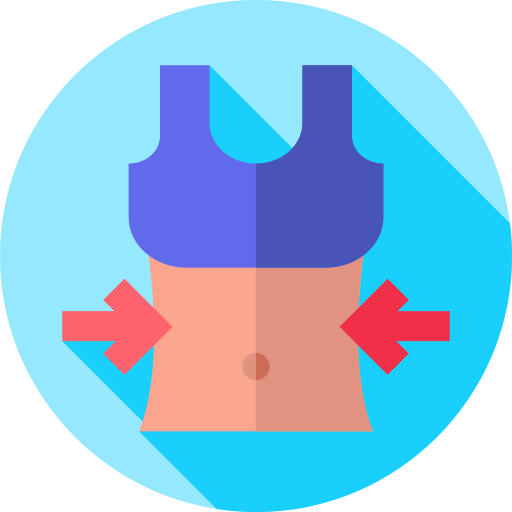
to lose weight
kilo vermek
You should try to lose weight.

to apply for a job
işe başvurmak
She should apply for the job.
It should be fine.
Sorun olmaz.

Should we study?
Ders çalışmalı mıyız?
Should we study more?

Students should submit their work on time.
Öğrenciler ödevlerini zamanında teslim etmelidir.

The system should update after restart.
Sistem yeniden başlatıldıktan sonra otomatik olarak güncellenmelidir.
I should be studying instead of scrolling.
Ekranı kaydırmak yerine ders çalışmalıydım.
They should have warned us about the changes.
Değişiklikler hakkında bizi daha önce uyarmalıydılar.
*Like veya as*
"As" ve "like" *karşılaştırma için kullanılabildiğinden genellikle kafaları karışır.*
Çoğu zaman, "like" iki şeyi karşılaştırır.
"He looks like my brother."
Sıklıkla, "as", "the way" ile değiştirilebilir.
"He can’t play cricket as he used to." ("He can't play cricket the way he used to.")

like me
benim gibi
You are just like me.

as much as
kadar
She loves curry as much as I do.
the same as
ile aynı
Your phone is the same as mine.

She looks like her mother.
Annesine benziyor.
the cotton
pamuk
She doesn't wear cotton in the winter.

It feels like cotton.
Pamuk gibi hissettiriyor.

to feel like
canı istemek
I don't feel like it.

to work as
olarak çalışmak
I worked as an actor for two years.

She's like a sister to me.
O benim için bir kız kardeş gibi.

people like us
bizim gibi insanlar
There are lots of people like us.

to expect
beklemek
As we expected, it started to rain.
as I said
dediğim gibi
As I said, I think this project will be a challenge.
The situation unfolded as we had predicted.
Durum tam tahmin ettiğimiz gibi gelişti.

to unfold
açmak
As the story unfolded, we learned more about the characters' secrets.

Do it as instructed, otherwise it won’t work.
Talimatlara uygun şekilde yapın, aksi takdirde çalışmayacaktır.
It seems like we’ve met before.
Sanki daha önce tanışmıştık.
The room smells like something has been burning.
Odada yanık gibi bir koku var.
*Şimdiki veya gelecekle ilgili dilekler*
Şu anda veya gelecekte farklı olmasını istediğimiz bir şey hakkında konuşmak için "to wish" kullanabiliriz. *Wish + past simple* kullanıyoruz:
"I wish I spoke Italian."
"I wish you were here."
"I wish I had a big car."

to wish
dilemek
I wish you to quit smoking

I wish you were here.
Keşke burada olsaydın.

to convince
ikna etmek
I wish I convinced the judge.

bilingual
iki dilli
I wish I was bilingual.

I wish it was easy.
Keşke kolay olsaydı.

polite
kibar
I wish you were polite.
I wish I knew.
Keşke bilseydim.
to translate
çevirmek
I wish they translated it.

I wish it was the weekend.
Keşke hafta sonu olsaydı.

I wish I spoke fluently.
Keşke akıcı konuşabilseydim.
She wishes she had more free time.
Keşke daha fazla boş zamanı olsaydı.

He wishes he had grown up in a bilingual environment.
Keşke iki dilli bir ortamda büyümüş olsaydı.
I wish I could become fluent.
Keşke akıcı bir şekilde konuşabilseydim.

effortlessly
zahmetsizce
She danced effortlessly across the stage.

I wish I understood native speakers effortlessly.
Keşke ana dili konuşanları hiç zorlanmadan anlayabilseydim.