Italian for beginners IItalian words
by DuoCards
*Welcome to the Italian language course!*
In this course, you’ll improve your Italian with essential grammar and useful, everyday vocabulary. Let’s start with adjectives!
Adjectives describe nouns, like "ragazzo alto" (tall boy).
*There are two key rules:*
- They usually come after the noun ("ragazzo alto", not alto ragazzo). Some exceptions exist—e.g. "bravo ragazzo" - but more on that later.
- They must agree in gender and number with the noun:
ragazzo alto, ragazza alta, ragazzi alti, ragazze alte.
- Some adjectives end in -o/-a depending on gender. Others, like "grande", end in -e and change only for singular/plural:
"grande ragazzo, grande ragazza, grandi ragazzi, grandi ragazze"
Let’s practice!
un'auto veloce
a fast car
I signori Rossi hanno una macchina veloce.

una nuova canzone
a new song
Ti piace la nuova canzone di Blanco?

Lui gioca...
He plays...
Lui gioca a calcio.

accendere
to switch on
La notizia ha acceso la mia curiosità.
lunedì
Monday
Domani è lunedì e devo andare a scuola.

uno studente intelligente
an intelligent student
Non ho mai visto uno studente così intelligente come lui.
un vestito rosso
a red dress
Era bellissima in quel vestito rosso.

i capelli biondi
blond hair
Marta ha i capelli biondi.

Noi siamo...
We are...
Noi siamo italiani.
belle ragazze
nice girls
Lucia e Maria non sono le ragazze maleducate, sono le belle ragazze.

un signore simpatico
a likeable gentleman
Mi piace il signor Rossi, è un signore simpatico.
Voi dormite.
You sleep.
Quante ore dormite ogni notte? Dormiamo 8 ore.

Lui canta e lei ascolta.
He sings and she listens.
Lui canta una canzone italiana e lei ascolta attentamente.

i palazzi moderni
modern buildings
Ci sono molti palazzi moderni nella mia città.
*Irregular verbs in the present*
As you may have already noticed, there are many irregular verbs in Italian. We have learnt the verbs to be "essere" and to have "avere" in the previous course, so it is time to learn some other important irregular verbs, conjugated in the present tense:
"Fare: faccio, fai, fa, facciamo, fate, fanno" (to do)
"Dire: dico, dici, dice, diciamo, dite, dicono" (to say)
"Andare: vado, vai, va, andiamo, andate, vanno" (to go)
"Uscire: esco, esci, esce, usciamo, uscite, escono" (to leave, to go out)
"Venire: vengo, vieni, viene, veniamo, venite, vengono" (to come)
Let's practice them!

Andiamo al teatro.
We go to the theatre.
Non possiamo uscire oggi, andiamo al teatro!

Dice che non vive a Praga.
He says he does not live in Prague.
Dice che non vive a Praga, forse vive a Brno.

stasera
tonight
Stasera andiamo al teatro.

il teatro
theater
Il teatro alla Scala a Milano è bellissimo.

Usciamo stasera?
Are we going out tonight?
Finalmente venerdì! Usciamo stasera?

Venite alla festa domani?
Are you (pl.) coming to the party tomorrow?
Domani è il mio compleanno. Venite alla festa?
una bugia
a lie
Mi sempre dici le bugie.

Non dico mai le bugie.
I never tell lies.
Puoi credermi, non dico mai le bugie.

Escono ogni venerdì.
They go out every Friday.
Non capisco come possono permettersi di uscire così spesso. Escono ogni venerdì.

Tu vedi.
You see.
Vedi l'aereo? Sì, lo vedo.

i genitori
parents
I genitori di Luca sono molto gentili.

Vengono i tuoi genitori?
Are your parents coming?
Vengono i tuoi genitori? Voglio parlare con tua madre.

l'attore
the actor
Chi è il tuo attore italiano preferito?

domani
tomorrow
Ci vediamo domani!

Signora Rossi, va già a casa?
Mrs. Rossi, are you going home already?
Signora Rossi, va già a casa? Mi dispiace vederLa uscire.

il migliore amico
the best friend
Chi è il tuo migliore amico?
*Basic numbers*
It is high time to learn the basic numbers in Italian! :)
"uno" one
Uno is the only number in Italian that changes its form. When standing in front of a noun it works the same way as the indefinite article. Eg. "un ragazzo" / "una ragazza" / "uno studente"
"due" two
"tre" three
"quattro" four
"cinque" five
"sei" six
"sette" seven
"otto" eight
"nove" nine
"dieci" ten
"undici" eleven
"dodici" twelve
"tredici" thirteen
"quattordici" fourteen
"quindici" fifteen
"sedici" sixteen
"diciassette" seventeen
"diciotto" eighteen
"diciannove" nineteen
"venti" twenty
We ask "Quanto/a/i/e... ?" (how many/how much)
"Quanti gatti hai? Ho quattro gatti." (How many cats do you have? I have four cats.)

tre cani
three dogs
Ci sono tre cani nel canile.

tanto
so much
Grazie per la cena, sei tanto gentile.

sette
seven
Il mio numero preferito è il sette.

una canzone
a song
Non mi piace Andrea Bocelli, mi piace solo una sua canzone.

un esame
an exam
Domani ho un esame di matematica.
Vado a scuola.
I go to school.
Vado a scuola a piedi, non c'è il bus.

cinque stelle
five stars
Sono stati in un albergo a cinque stelle in Egitto.

iniziare
to start
Ho deciso di iniziare una dieta.

otto anni
eight years
Avevo otto anni quando mi sono innamorato per la prima volta.
quattordici
fourteen
Parte per l'accampamento estivo per quattodici giorni.

Che lavoro fa Marco?
What does Marco do?
Che lavoro fa Marco? Marco è un medico.
dieci giocatori
ten players
Ci sono dieci giocatori nel campo di calcio.

quattro gatti
four cats
Mia nonna ha quattro gatti e un cane.

diciotto
eighteen
Domani compio diciotto anni. Farò una grande festa.

Mia nonna ha tre sorelle.
My grandmother has three sisters.
Mia nonna ha tre sorelle e vivono tutte insieme.

una rivista interessante
an interesting magazine
Hai letto Cosmopolitan? È una rivista interessante.

svegliarsi
to wake up
Tu ti svegli sempre tardi il sabato.

diciannove
nineteen
Sta festeggiando il suo compleanno, ha diciannove anni oggi.
*Adverbs*
Since you now know how adjectives work in Italian, it's about time we look at *adverbs*. Adverbs describe verbs ("guida velocemente" he drives fast) or adjectives ("molto alto" very tall) or other adverbs ("troppo velocemente" too fast). Unlike adjectives, adverbs do not change their form based on the verb/adjective/adverb they describe and therefore are much easier to use. :)
Let us look at some of *the most common Italian adverbs* describing adjectives and other adverbs:
"molto" (very) for example "Lucia è molto intelligente." (Lucia is very intelligent.)
"poco" (a little bit)
"tanto" (so much)
"troppo" (too much)
"quanto" (how much)
*!Be careful!* this group of adverbs can also serve the function of adjectives and describe nouns. In that case, we need to change the ending based on the *person and gender of the noun*.
"molto/a/i/e" (many) for example "Ci sono molte macchine" (There are many cars.)
"poco/a/i/e" (few)
"tanto/a/i/e" (so many)
"troppo/a/i/e" (too many)
"quanto/a/i/e" (how many)
Let's see them in sentences :)

bene
well
Il mio cane si comporta molto bene.

male
bad
Come stai? Molto male oggi, il mio cane è malato.

Quanto?
How much?
Quanto tempo hai oggi? Oggi ho tanto tempo libero, che cosa faremo?

martedì
Tuesday
Martedì è il mio giorno preferito della settimana.

molto
very
Alessio è molto intelligente. Studia medicina e giurisprudenza.

troppo
too much
Ho mangiato troppo. Ho mal di stomaco.

mercoledì
Wednesday
Festeggeremo qui il suo compleanno mercoledì.

poco
a little
Lei parla poco spagnolo.

Quante pizze?
How many pizzas?
Quante pizze avete mangiato?

molto lavoro
a lot of work
Oggi torno a casa tardi, ho molto lavoro nell'ufficio.
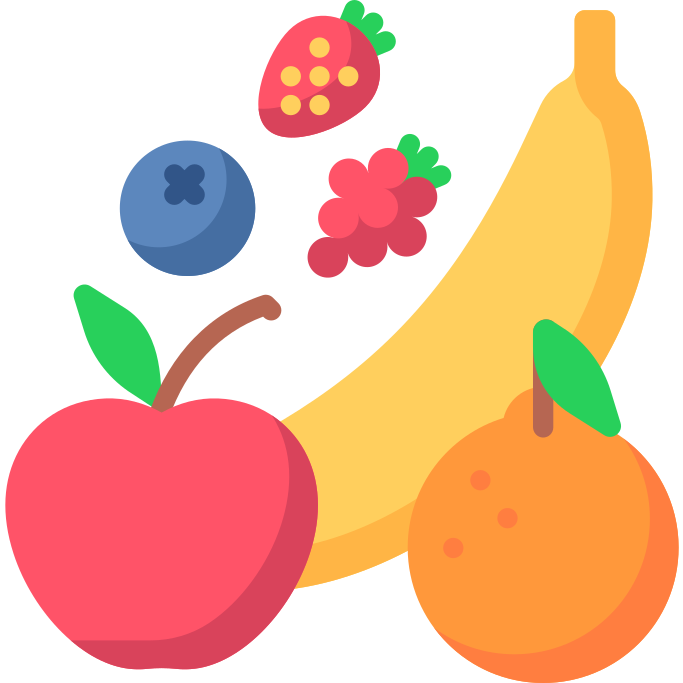
poca frutta
few fruit
Mangi poca frutta, mangia questa mella!

Hai troppo lavoro.
You have too much work.
Non ti vedo mai, hai troppo lavoro.

Quanto costa questo libro?
How much does this book cost?
Quanto costa questo libro? Costa 10 euro.

Il corso
The course
Il corso costa poco, vuoi frequentarlo?

sei fratelli
six brothers
Mio nonno ha sei fratelli e due sorelle.
*There is/there are*
Just like in English, we use the phrase *there is* and *there are* when we want to express where something/someone is placed. We can do that by saying "C'è" (there is- singular) or "Ci sono" (there are- plural)
For example:
"C'è un libro sulla tavola." (There's a book on the table.)
"Ci sono due libri sulla tavola." (There are two books on the table.)
We can also learn some *questions* which we ask to understand where someone/something is:
"Che cosa è sulla tavola?" (What is on the table?) "C'è un libro sulla tavola." (There's a book on the table.)
"Dov'è il libro?" (Where is the book?) "Il libro è sulla tavola." (The book is on the table)

C'è un uomo nel giardino.
There is a man in the garden.
Chiama la polizia! C'è un uomo sconosciuto nel giardino.

le biciclette azzurre
the light blue bicycles
Hanno comprato due biciclette azzure. Azzurre come il mare.

un giardino
a garden
Siamo nel giardino enorme.

uno straniero
a stranger, foreigner
Mi sento uno straniero nel mio paese.

Ci sono molti stranieri.
There are many foreigners.
Ci sono molti stranieri in Italia.

Ti amo tanto!
I love you so much!
Voglio sposarti, ti amo tanto!

un ospite
a guest
Stasera abbiamo ospiti.

C'è troppo zucchero.
There is too much sugar.
C'è troppo zucchero nella torta.

vostri amici
your (pl.) friends
I vostri amici sono tanto divertenti.

nessuno
nobody
Nessuno mi può giudicare.
*Piacere and preferire*
You already know how to say you like something in Italian. Now we'll look at how to say you like something more, that you prefer it.
We'll do this by looking at the difference between verbs "piacere" and "preferire".
"Piacere" is like saying something pleases you. It's often used to talk about things you like or enjoy. For example: "Mi piace il gelato alla fragola." (I like strawbery ice cream.)
On the other hand, "preferire" means to prefer. It's used when you want to express a choice between two or more things.
For example, "Preferisco il gelato al cioccolato." (I prefer chocolate ice cream.)
Or you can say: "Mi piace il gelato al cioccolato, ma preferisco il gelato alla fragola." (I like chocolate ice cream, but i prefer strawbery ice cream.)
The verb "PREFERIRE" is irregular, so let's have a look at its conjugation:
(io) "preferisco"
(tu) "preferisci"
(lei/lui) "preferisce"
(noi) "preferiamo"
(voi) "preferite"
(loro) "preferiscono"

Preferisco bere l'acqua con limone.
I prefer to drink water with lemon.
A volte mi piace San Pellegrino, ma preferisco bere l'aqua con limone.

Non c'è nessuno.
There is no one.
Ho paura, c'è buio e non c'è nessuno.

una fragola
a strawberry
Mia mamma fa la migliore torta di fragole.

una colazione
a breakfast
Preferisco una colazione dolce.

Mio fratello preferisce il calcio al basket.
My brother prefers football to basketball.
Mio fratello preferisce il calcio al basket, ma gli piacciono entrambi.

un ufficio
an office
Mio papà lavora tre giorni alla settimana in ufficio e due giorni a casa.

Ci sono sei cani e tre gatti.
There are six dogs and three cats.
Ci sono molti animali. Ci sono sei cani e tre gatti.

un parco
a park
Abbiamo un parco molto bello proprio dietro casa.

C'è Giulio?
Is Giulio here?
C'è Giulio? No, non c'è, è andato al cinema.

Non mi piace.
I don't like it.
Non mi piace andare alle feste, preferisco passare più tempo a casa.

troppe macchine
too many cars
Ci sono troppe macchine nel centro della città.

tanti libri
lots of books
Ha letto tanti libri quest'anno, forse 30.

lavare
to wash
Hai già lavato i piatti?

nove libri
nine books
Leggo nove libri ogni mese.
*Expressing possession*
In Italian, we can say that something belongs to someone in two ways:
*1) The preposition DI*
"È il libro di Marco" (Is it Marco's book)
"Sono i fiori di Giovanna." (These are Giovanna's flowers)
*2) Possessive pronouns*
My: "mio / mia / miei / mie"
Your: "tuo / tua / tuoi / tue"
Her/his: "suo / sua /suoi / sue"
Our: "nosto / nostra /nostri / nostre"
Your: "vostro / vostra / vostri / vostre"
Their: "loro"
The Italian possessive pronouns stand in front of a noun and share the *gender and number* form with the noun. "Il mio libro" (my book) / "I miei libri" (my books)
The only possessive pronoun that never changes its form is "loro". "Il loro libro" (their book) / "I loro libri" (their books)
We usually use the *definite article* in front of the possessive pronoun.
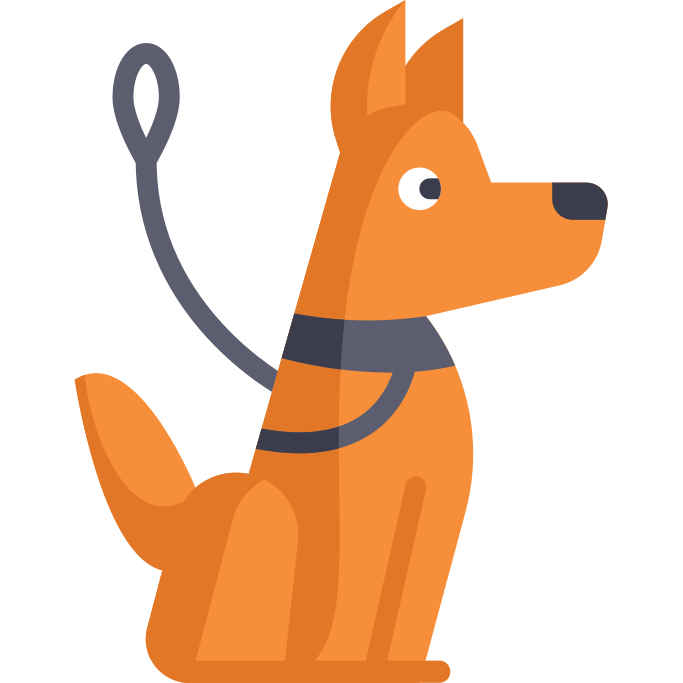
il mio cane
my dog
Il mio cane si chiama Paco.

i loro sorrisi
their smiles
Amo i miei figli. I loro sorrisi sono la cosa più bella nel mondo.

maldestro
clumsy
Giorgia è maldestra, lei non può fare la cameriera.

due torte
two cakes
Mamma ha fatto non una, ma due torte per il mio compleanno.

i suoi fiori
her flowers
Lei è fioraia. Mi piaciono molto i suoi fiori.

antipatico
unlikeable
I vostri amici sono antipatici, invece le vostre amiche sono simpatiche.
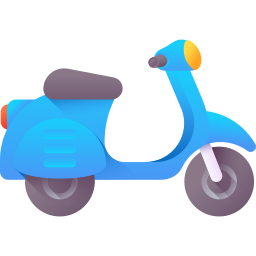
sua motocicletta
his motorbike
La sua motocicletta è blu.

la giacca di Marco
Marco's jacket
Di chi è questa giacca? È la giacca di Marco.

un compito
a task
Il professore ha assegnato molti compiti per la prossima settimana.

la tua candella
your candle
Posso prendere in prestito la tua candella per Natale?

La mia moto è molto veloce.
My motorbike is very fast.
La mia moto è molto veloce ma un po' pericolosa.

una pausa
a break
A metà mattina, faccio una pausa per bere un caffè.
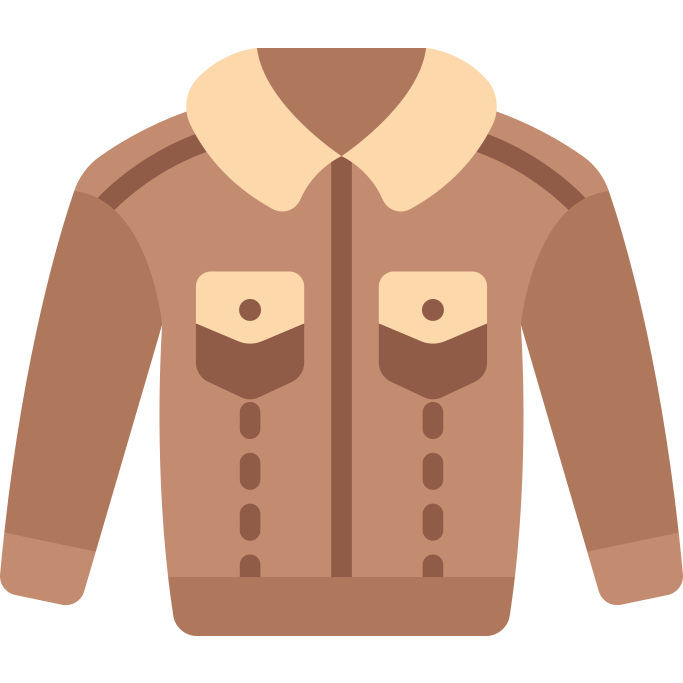
Mi piace la Sua giacca, signore.
I like your jacket, sir.
Mi piace la Sua giacca, signore. Dove l'ha comprata?
*Comparisons I - Comparative *
Let's dive into the fascinating world of Italian comparative. It's a great way to describe things and express differences.
In Italian, we use different forms of adjectives to compare things. We have the *comparative* and the *superlative* forms.
*Comparative:* We compare two things. We use "più" (more) or "meno" (less) before the adjective and a preposition "di" before the next noun we are comparing.
For example: "Il gatto è più piccolo del cane." (The cat is smaller than the dog.)
Remember to *change the ending of the adjective to match the gender and number of the noun* it's describing. For example, "piccolo" (small) becomes "piccola" for a feminine noun and "piccoli" for plural masculine nouns.

bello
beautiful
Il mio cane è più bello del tuo.

nostra casa
our home
La nostra casa è vecchia ma bellissima.

volere
to want
voglio, vuoi, vuole, vogliamo, volete, vogliono

ricco
rich
I genitori della mia migliore amica sono più ricchi dei miei.

Mio fratello è più vecchio del tuo.
My brother is older than yours.
Mio fratello è più vecchio del tuo, ha diciannove anni.

noioso
boring
Questo film non è il mio preferito, ma è meno noioso di quello di ieri.

nostre amiche
our friends (female)
Le nostre amiche sono molto simpatiche.

tuoi occhi
your eyes
I tuoi occhi sono incantevoli.

A pranzo preferisco gli spaghetti della insalata.
At lunch I prefer spaghetti over salad.
A pranzo preferisco gli spaghetti della insalata, ma a cena di solito mangio la caprese.
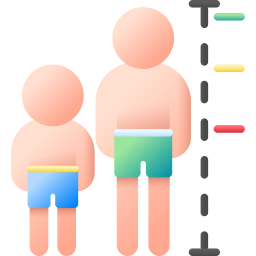
basso
short
Questo cavallo è più basso dell'altro.

rumoroso
noisy
Questo ristorante è più rumoroso del precedente, possiamo tornare indietro?

Lui è più povero ma ha un cuore d'oro.
He is poorer but has a heart of gold.
I soldi non sono tutto. Lui è più povero ma ha un cuore d'oro.
i vestiti
clothes
Ho bisogno di comprare dei vestiti nuovi.

calmo
calm
Questa musica è più calma di quella che ascolti di solito.

Tre mele sono meno di cinque.
Three apples are less than five.
Tre mele sono meno di cinque. È un calcolo facile.
*Comparisons II - Superlative*
Now that you know how to say something is better than something else, it's time to learn how to say something is the best! Or the worst. You can do this by making a *superlative* of an adjective.
*Superlative:* We want to say something is the most or the least. We use "il/la/i/le + più" (the most) or "il/la/i/le + meno" (the least) before the adjective. In many cases, you can also form a superlative.
For example: "La pizza è la più deliziosa." (Pizza is the most delicious.)
In many cases, you can also form a superlative by ending an adjective with "-issimo/a".
So, you can also say: "La pizza è deliziosissima!"
Another example: "La festa ieri sera è stata bellissima." (The party last night was the most beautiful.)
Or: "Il mio appartamento è piccolissimo, ma accogliente." (My apartment is the smallest, but cozy.)
You know what's coming next, right... It's time for a bit of practice again!

bellissimo
the most beautifull
Questo tramonto è bellissimo.

caro
expensive
Questo ristorante è carissimo, ma la cucina è eccellente.

Luca è il ragazzo simpaticissimo.
Luca is the nicest guy.
Luca è il ragazzo simpaticissimo della scuola, tutti sono amici con lui.

generoso
generous
La mia amica è la generosissima che conosco.

La torta al cioccolato è deliziosissima.
The chocolate cake is incredibly delicious.
La torta al cioccolato è deliziosissima, non riesco a smettere di mangiarla.

un edificio
a building
Qual è l'edificio più alto d'Italia?

La mia nonna è la migliore cuoca del mondo.
My grandmother is the best cook in the world.
La mia nonna è la migliore cuoca del mondo, i suoi spaghetti alla carbonara sono i più gustosi.

salato
salty
Questa zuppa è più salata di quella che hai preparato l'ultima volta.

speciale
special
Il tuo compleanno è il giorno più speciale dell'anno.

Ci sono gli ospiti?
Are there the guests?
Ci sono gli ospiti? La stanza non è ancora pronta.

Non ci sono i miei genitori.
My parents are not here.
Puoi venire a casa mia, non ci sono i miei genitori.
*Modal verbs*
Modal verbs in Italian are irregular, that is why we'll learn them separately in this section:
"Volere: voglio, vuoi, vuole, vogliamo, volete, vogliono" (to want)
"Potere: posso, puoi, può, possiamo, potete, possono" (to be able to)
"Sapere: so, sai, sa, sappiamo, sapete, sanno" (to be able to) - synonymous to "potere"
"Dovere: devo, devi, deve, dobbiamo, dovete, devono" (to must)
Time to practice!

sapere
to be able to, to know
so, sai, sa, sappiamo, sapete, sanno

dovere
to have to
devo, devi, deve, dobbiamo, dovete, devono

giovedì
Thursday
La riunione è stata fissata per giovedì prossimo.

Ha gli occhi marroni.
He has brown eyes.
Mi piace perché ha gli occhi marroni.

vestirsi
to get dressed
Mi vesto ogni mattina alle 7.

potere
to be able to, can
posso, puoi, può, possiamo, potete, possono

Devi mangiare la verdura.
You have to eat vegetables.
Per avere una dieta sana devi mangiare la verdura.

Puoi darmi una mano?
Can you give me a hand?
Questi libri sono pesanti. Puoi darmi una mano a prenderli a casa?

Voglio un caffè.
I want a coffee.
Sono stanco, voglio un caffè.

Vuoi una tazza di tè?
Do you want a cup of tea?
Vuoi una tazza di tè? No, bevo solo il caffè.

un pezzo di pizza
a piece of pizza
Mi dai un pezzo di pizza, ti prego?
Non dobbiamo mangiare troppo zucchero.
We must not eat too much sugar.
Non dobbiamo mangiare troppo zucchero. Non è sano.

Sanno i loro diritti.
They know their rights.
Sanno i loro diritti, nessuno può ingannarli.

Non posso vedere.
I cannot see.
Muoviti, non posso vedere la TV.
*Telling the time*
Let's now have a look at something easier - telling the time.
"Che ore sono? / Che ora è?" You can use both to ask someone what the time is.
The easiest is the full hours. When it's three o'clock, you simply say "Sono le tre."
"Sono le cinque." It’s 5am.
"Sono le diciotto." It's 6pm.
Yo need to use a singular verb in these three cases:
"È l’una." It’s one o’clock
"È mezzogiorno." It’s noon.
"È mezzanotte." It’s midnight.
To get more specific about the minutes you need to add the word "e" (and) followed by the number of minutes. "Sono le quattro e cinque." (It's five past four (4:05)
Another exemple: "Il treno arriva alle venti e quarantacinque."
If more than 30 minutes passed after the full hour, you use the word "meno" (minus) and the number of minutes that are needed to pass before the next full hour (just like in English).
"Sono le quattro meno cinque" It's five to four (3:55)

Che ora è?
What time is it?
Che ora è? Sono le diciotto.

di mattina
in the morning
Sono le otto e mezzo di mattina.

odiare
to hate
Odio il mio lavoro.

Mi lavo i denti due volte al giorno.
I brush my teeth twice a day.
Mi lavo i denti due volte al giorno, voglio che siano bianchi.

un mezzogiorno
a midday
Normalmente pranziamo a mezzogiorno.

un zio
an uncle
Mio zio si chiama Luca.
una doccia
a shower
Faccio la doccia ogni mattina prima di andare al lavoro.

andare a letto
to go to bed
Vado a letto alle undici e mezza e leggo un libro per mezz'ora.
decidere
to decide
Ho deciso di andare al cinema stasera.

Cosa vuoi per Natale?
What do you (Sgl.) want for Christmas?
Cosa vuoi per Natale? Niente, quest'anno non voglio nessuni regali.

nel pomeriggio
in the afternoon
Sono le quattro del pomeriggio e Sofia non è ancora tornata a casa da scuola.

Sono le tre meno dieci.
It is ten to three.
Sono le tre meno dieci, la nonna arriverà tra un attimo.

un cugino
a cousin
Ho tre cugini e quattro cugine.

di sera
in the evening
Di sera preferisco guardare un film a casa.
*Asking questions*
In Italian, forming questions is not difficult. It is often enough to add a question mark at the end of the sentence:
"Sei italiano." (You're Italian.) --> "Sei italiano?" (Are you Italian?)
However, just as in English, there are questions where we need to use *interrogative pronouns*. Let's see them individually:
"Chi" = who
"Chi è venuto alla festa?" (Who came to the party?)
"Che cosa" or "Cosa" = what
"Che cosa vuoi mangiare?" (What do you want to eat?)
"Che cosa" is more formal than "cosa"
"Qual/e" = which
"Quale" has different forms depending on the number of the noun it is replacing: "quale" (singular), "quali" (plural)
"Quale vino preferisci?" (Which wine do you prefer?)
"Quanto/a" = How much, how many
"Quanto costa?" (How much does it cost?)
"Come" = how
"Come ti piace la pizza?" (How do you like the pizza?)
"Dove" = where
"Di dove sei?" (Where are you from?)
"Perché" = why
"Perché sei così stanca?" (Why are you so tired?)

Chi è?
Who is it?
Chi è alla porta?

Cosa significa?
What does it mean?
Cosa significa questa parola?

significare
to mean
Svelare un artista al pubblico può significare distruggerlo.

Quali libri?
What books?
Quali libri hai letto di recente?

di recente / recentamente
recently
Recentamente non ho voglia di studiare.

una esperienza
an experience
Ogni giorno accumulo nuova esperienza e imparo cose nuove.

Che cosa fai?
What are you doing?
Che cosa fai nel tempo libero?

Quali sono i tuoi film preferiti?
What are your favourite films?
Quali sono i tuoi film preferiti? A me, mi piacciono le commedie romantiche.

bussare
to knock
Chi sta bussando alla porta?
Come si prepara?
How is it prepared?
Come si prepara la pasta al pesto?
*Quello e questo*
Have you ever heard about demonstrative pronouns? They point to specific objects or people. In Italian you will find "quello" and "questo".
"Quello" is used to point at something/someone at a further distance from us ("quel libro" - that book)
"Questo" is used to point at something/someone near us ("questo libro" - this book)
Both "questo" and "quello" substitute the article and both of them change their ending based on the *noun* as follows:
*Singular masculine*
"quel / questo ragazzo" (that boy / this boy)
"quello /questo studente"
"quell' /quest' ingeniere"
*Singular feminine*
"quella / questa ragazza" (that girl / this girl)
"quell' / quest' italiana"
*Plural masculine*
"quei / questi ragazzi" (those boys / these boys)
"quegli / questi studenti"
"quegli / questi ingenieri"
*Plural feminine*
"quelle/ queste ragazze" (those girls / these girls)
"quelle/ queste italiane"

quest'esercizio
this exercise
Quest'esercizio è molto facile.

guardare
to look
Mia madre guarda la TV due ore al giorno.

Chi ha vinto?
Who won?
Chi ha vinto la partita di calcio ieri sera?

venerdì
Friday
Venerdì sera andiamo al cinema.
Come si fa?
How is it done?
Non capisco come si fa.

questa gonna
this skirt
Questa gonna è troppo piccola, forse quella è più grande.

quegli italiani
those Italians
Quegli italiani sono molto simpatici, vero?

riposare
to rest
Non ho mai tempo per riposare.

Chi è quel signore?
Who is that gentleman?
Chi è quel signore? Mi piaciono i suoi occhiali.

Dove studi?
Where do you study?
Dove studi? Io studio a Roma.

Quel ragazzo ti sta guardando.
That boy is looking at you.
Quel ragazzo ti sta guardando, lo conosci?
*Prepositions*
Prepositions are small but crucial words that help us understand relationships between objects, people, and places in sentences. In Italian, prepositions are used similarly to English, but they may be combined with definite articles to create "preposizioni articolate" for more specific meanings.
Let's start with some fundamental Italian prepositions:
"In" means *in* or *at*. For example: "Le chiavi sono in casa." (The keys are in the house.)
"A" means *to* or *at*. For example: "Vado a scuola." (I go to school.)
"Con" means *with*. For example: "Mangiamo con gli amici." (We eat with friends.)
"Da" means *from* or *at someone's place*. For example:"Vengo da Roma." (I come from Rome). "Vado da Maria." (I go to Maria's place.)
"Di" also means *from* or *of*. For example: "Io sono di Roma." (I am from Rome.)
"Su" means *on* or *above*. For example: "Il libro è sul tavolo." (The book is on the table.)
"Sotto" means *under*. For example: "Il gatto è sotto il tavolo." (The cat is under the table.)
"Tra/Fra" means *between* or *among*. For example: "Tra amici." (Among the firends). "Fra le montagne." (Between the mountains.)
"Per" means *for* or *through*. For example: "È per te." (It's for you.) "Viaggio per l'Italia." (I travel through Italy.)
These are just a few basic Italian prepositions, but they are essential for constructing sentences and expressing relationships. As you learn more prepositions and their combinations with articles, your ability to communicate in Italian will expand.
So, let's practise a little!

in città
in town
Abbito in città piuttosto grande.

spegnere
to switch off
Ho appena spento la luce.

quell'albero
that tree
Quell'albero è molto alto, ma non come il nostro albero di Natale.

con te
with you
Mi piace passare del tempo con te.

un calendario
a calendar
Utilizzo solo il calendario del telefono.

queste canzoni
these songs
Queste canzoni nuove sono troppo strane, preferisco le canzoni vecchie.

sotto
under
La borsa è sotto il letto.

sul tavolo
on the table
Il libro è sul tavolo.

in ufficio
in the office
Lavoro in ufficio, sono un assistente.

per
for
Imparo l'italiano per lavoro.

dimenticare
to forget
Ho dimenticato il tuo compleanno.

una speranza
a hope
È importante avere speranza.

tra le montagne
in the mountains
Tra le montagne nel nord Italia si trova il mio paese.

una scrivania
a desk
Arrivato in ufficio, mi siedo alla mia scrivania e inizio a lavorare.

un'attività
an activity
Durante la giornata scolastica, svolgiamo diverse attività didattiche.

a casa
at home
Vado a casa di Marco.

di Firenze
from Florence
Mia nonna è originaria di Firenze, ma vive a Pisa.
*Pronunciation*
Lastly, we will learn some basic rules of pronunciation. Fortunately, the Italian language usually pronounces words just as they are written, however, we still need to keep some things in mind.
*letter C*
followed by *i* or *e* it is pronounced as *ʧ* ("ciao")
followed by other letters it is pronounced as *k* ("capire")
*letter G*
followed by *i* or *e* it is pronounced as *ʤ* ("Giorgia")
followed by other letters it is pronounced as *g* ("gola")
*letter S*
between two vowels it is pronounced as *z* ("casa")
in other cases, it is pronounced as *s* ("semplice")
*letter H*
is not pronounced ("hotel")
*letters GN*
are pronounced as in "gnocchi"
*letters SC*
followed by *i* or *e* are pronounced as *ʃ* ("scienza")
followed by other letters are pronounced as *sk* ("scappare")
Now when you practice your vocabulary, read your cards aloud!

Giorgia Meloni è famosa.
Giorgia Meloni is famous.
Giorgia Meloni è famosa perché è il primo ministro d'Italia.

l'hummus
the hummus
L'hummus è una ricetta tipica del Medio Oriente.
sabato
Saturday
C'è una festa a scuola, sabato prossimo.

il bagno
bathroom
Dov'è il bagno, per favore?

La felicità è un viaggio.
Happiness is a journey.
La felicità è un viaggio non una meta.
conoscere
to know
Conosci Marco? È il mio ragazzo.

Io ho gli sci ma tu hai le scarpe da sci.
I have the skis but you have the ski boots.
Non posso sciare. Io ho gli sci ma tu hai le scarpe da sci.

ogni giorno
every day
Ogni giorno mangio la pizza.

cambiare
to change
Cambio il mio vestito.
l'agnello
the lamb
Un agnello è un simbolo di sacrificio.

Mia nonna vive in una casa vecchia.
My grandmother lives in an old house.
Mia nonna vive in una casa vecchia, vuole comprare una casa nuova.

Che schifo!
That's disgusting!
Che schifo!

l'hobby
the hobby
L'alpinismo è il mio hobby.

Chi è Francesco?
Who is Francesco?
Chi è Francesco? Ho un pacchetto per lui.

Oggi è il primo gennaio.
Today is the first of January.
Oggi è il primo gennaio. Buon anno!

imparare
to learn
Devo imparare a cucinare.

il pesce
the fish
Maria non mangia pesce.

Prendiamo due cornetti vuoti.
We'll take two simple croissants.
Non abbiamo ancora fatto la colazione e quindi prendiamo due cornetti vuoti.

Che ne pensi della mia casa?
What do you think about my house?
Che ne pensi della mia casa? Ti piace?
*Passato Prossimo*
Passato prossimo means 'the near past' and we use it mostly to talk about *past events that happened recently*. In the spoken language, however, "passato prossimo" is used in most of the past situations.
*How to form passato prossimo with regular verbs?*
1) Auxiliary verb "avere" or "essere" conjugated in the present
"io ho, tu hai, lui ha, noi abbiamo, voi avete, loro hanno"
"io sono, tu sei, lui è, noi siamo, voi siete, loro sono"
2) Main verb's root plus the past participle:
*-ato* (first class verbs: "parlato")
*-uto* (second class verbs: "caduto")
*-ito* (third class verbs: "dormito")
Let's see an example of the verb *parlare in passato prossimo*:
"(Io) Ho parlato" (I spoke)
"(Tu) Hai parlato" (You spoke)
"(Lui/lei) Ha parlato" (He spoke)
"(Noi) Abbiamo parlato" (We spoke)
"(Voi) Avete parlato" (You spoke)
"(Loro) Hanno parlato" (They spoke)
*Negatives*: add "non" in front of the auxiliary verb ("Io non ho parlato.")
Let's practice some verbs that use the auxiliary verb *avere*.

Ho bevuto.
I drank.
Ho bevuto la cocacola.

domenica
Sunday
La domenica è il mio giorno preferito della settimana.

giocare
to play
Voglio giocare a carte ogni giorno!

Hanno giocato.
They played.
Hanno giocato a calcio tutto il pomeriggio.

cucinare
to cook
La mia nonna cucina molto bene.
Abbiamo cucinato.
We cooked.
Per la cena, abbiamo cucinato il risotto ai funghi.

Lei ha mangiato.
She ate.
Lei ha mangiato una bistecca molto grande.
Hai parlato.
You spoke.
Hai parlato con Giulia?

aiutare
to help
Posso aiutarti con i compiti?

una cena
a dinner
Di sera, torno a casa e preparo la cena per la mia famiglia.

pulire
to clean
Puoi pulire la tua camera, per favore?

Avete pulito.
You have cleaned.
Avete pulito la casa ieri? Non posso riconoscerla!

una compagnia
a company
Lavorare in questa compagnia mi ha permesso di crescere professionalmente.

Hai ballato tutta la notte.
You danced all night.
So perché sei stanco, hai ballato tutta la notte.
preocuparsi
to worry
Mi preoccupo sempre per mio figlio quando esce di casa.
Che cosa ha sentito (lui)?
What did he hear?
Che cosa ha sentito alla radio? Sembra spaventato!
Non ho studiato l'inglese.
I did not study English.
Non posso parlare con Steve, non ho studiato l'inglese a scuola.
*Past tense with auxiliary to be*
As you already know, when forming "passato prossimo", you can use the auxiliary "avere" or "essere". Most commonly, "avere" is used, so which verbs use "essere"?
1) verbs of movement towards a destination ("andare, arrivare, entrare, partire, venire"...)
2) verbs expressing a state or change of state ("essere, stare, piacere, passare, morire"...)
3) reflexive verbs ("lavarsi, sentirsi, svegliarsi"...)
When using "essere", we must pay attention to the ending of the main verb. The ending must change according to the *gender and number of* the subject:
"Io sono andato al lavoro." (A male is speaking.)
"Io sono andata al lavoro." (A female is speaking.)
Let's look at all the forms of the verb *to go* in the near past
"(Io) Sono andato/a."
"(Tu) Sei andato/a."
"(Lui/lei) È andato/a."
"(Noi) Siamo andati/e"
"(Voi) Siete andati/e."
"(Loro) Sono andati/e."

Siamo entrati.
We entered.
Siamo entrati dopo le cinque. (we = at least one male in the group)

È tornata.
She has returned.
È tornata dopo dieci giorni di vacanza.
sognare
to dream
Sogno di diventare un grande musicista.

un nonno
a grandfather
Il mio nonno si chiama Fabrizio.
un riunione
a meeting
Nel pomeriggio, partecipo a una riunione con il mio team.

È morto.
He has died.
Il mio nonno è morto ieri.

una zia
an aunt
Nostre zie si chiamano Francesca e Carla.

Sono andati.
They went.
Sono andati in discoteca ieri sera.

un progetto
a project
Questo mese, lavoriamo su un nuovo progetto molto interessante.

Mi sono lavato.
I washed myself.
Mi sono lavato stamattina.

sentirsi
to feel
Mi sento bene oggi.

Si sono sentiti male?
Did they get sick?
Si sono sentiti male dopo la cena?

Siete partiti da Roma per Londra.
You left Rome for London.
Siete partiti da Roma per Londra o per Parigi?

Siamo uscite per la festa.
We went out for the party.
Dove siete state ieri sera? Siamo uscite per la festa. (we = women)

un lavoratore
a worker
Sono un lavoratore diligente e cerco sempre di dare il massimo.

Sei arrivato in ritardo.
You were late.
Abbiamo cominciato senza di te, perché sei arrivato in ritardo.
i compagni
the colleagues/classmates
Mi piace lavorare con i miei compagni perché possiamo condividere idee e risorse.

una lezione
a lesson
Durante la lezione, prendo appunti e faccio domande al professore.

È venuta con il suo nuovo ragazzo.
She came with her new boyfriend.
È venuta con il suo nuovo ragazzo chi è tanto bello.

un risultato
a result
Alla fine della giornata valutiamo i risultati del nostro lavoro.