Käärijä - Cha Cha ChaFinnish words
by czynastka

rankka
heavy, intense
rankka sade

viikko
week

ja
and
ananasmehu, kookosmaito ja rommi
Avoid starting a sentence with "paljon". More info: https://uusikielemme.fi/finnish-grammar/syntax/constructions/paljon-monet-many-people-sentences

paljon
many, a lot
Takana on paljon pitkiä päiviä.

pitkä
long

päivä
day
Tänään on kaunis päivä.

pitkiä päiviä; (colloquial) pitkii päiviä
long days (plural partitive case, suitable after "paljon")
paljon pitkiä päiviä

takana; takan'
behind, in the back
Takana on paljon pitkiä päiviä.

mielenkiinto
interest, attention
-na/-nä (essive case) roughly means "within a state of", "having the function/occupation of". More info: https://uusikielemme.fi/finnish-grammar/finnish-cases/grammatical-cases/the-essive-case-na-essiivi

mielenkiintona
of interest
Minulla on mielenkiintona uusi kirja.

mieli
mind

piña colada
piña colada

rata
track, lane, course, trajectory; (slang) nightlife

ilta
evening

olla
to be

on
is
Käärijä on voittaja!

vielä
still, yet; again, once more

nuori
young

aika
time, the time

aikaa
time (singular partitive case, expressing "some/a certain amount of")
Tämä projekti kestää kaksi viikkoa aikaa.

kumota
to flip over, capsize; to undo, cancel, deny; to overthrow; (colloquial) to drink, to down a drink

tämä; (colloquial) tää
this

jäinen
icy
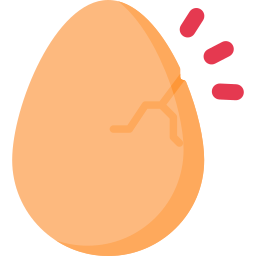
ulkokuori
outer shell

ulko
external

kuori
shell, peel, casing, (tree) bark
Some verbs require their object to be in the accusative case. In Finnish, this case can take on the endings -n (just like the genitive case), -t (like the T-plural) or no ending at all (like the nominative case). The accusative in Finnish is a subject of controversy due to having those different forms. More info: https://uusikielemme.fi/finnish-grammar/finnish-cases/grammatical-cases/the-accusative-case-akkusatiivi A scientific article on the Finnish accusative: https://www.researchgate.net/publication/274501023_The_Finnish_Accusative

tuhota
destroy

pitää
hold, keep, maintain, organise; wear; be fond of

kiinni; (colloquial) kii
closed; attached, fastened; very near; (colloquial) busy, unavailable, engaged

pitää kiinni (+ noun in elative case)
hold onto

pidän kiinni
I'm holding onto; I'll hold onto

kaksi
two

käsi
hand, arm
The instructive case is one of rarely used cases. It expresses the meaning of "by means of". More info: https://uusikielemme.fi/finnish-grammar/finnish-cases/grammatical-cases/instructive-instruktiivi-nain-sen-omin-silmin

kaksin käsin
with both hands

juoma
beverage, drink
-sta/-stä (elative case) can roughly mean "from" or "about" and is used with certain verbs. More info: https://uusikielemme.fi/finnish-grammar/syntax/rections/verb-rections-rektiot-verbit#mist%C3%A4

juomista
drinks (plural elative case, suitable after "pitää")

niin kuin; (colloquial) niinku
just like, as if

ei
no (infinitive and 3rd person singular)

en
I don't

miettiä
think over, ponder

mietin
I think over, I ponder

en mieti
I do not think about

huominen
tomorrow (noun or adjective)

huomista
tomorrow (singular partitive case)
kun; (colloquial) ku
when (in declarative sentences)

tarttua
grab, seize, catch; stick to, cling to; be contagious

tartun
I catch, I grab

tuoppi
tankard, beer mug
tuopista
tankard, beer mug (singular elative case)

haluta
want
haluan; (colloquial) haluun
I want

sekaisin
in disorder, in confusion, messy; insane

vapaa
free (unconstrained); vacant

huoli
worry, concern
huolista
worries, concerns (plural elative case)

vapaa huolista
free from worries

minä; (colloquial) mä
I

jatkaa
continue; stretch, extend; dilute
jatkan
I will continue

kunnes
until

ei enää
no more, no longer
Ei mahdu enää
en enää X (verb in present-tense minä form, without -n)
I don't X anymore

pysyä
stay
pysyn
I stay
en enää pysy
I can no longer stay

tuoli
chair
-ssa/-ssä (inessive case) means "in", "inside of", "at" or "on"

tuolissa
in the chair
muutama (+ singular nominative case)
a few

jo
already

silti
however, nevertheless

minulla on; (colloquial) mulla on; (colloquial) mul on
I have

(colloquial) naamataulu
mug, face

naama
face (noun)

taulu
picture, painting; board; dial; (colloquial) face

vakava
serious
Hän on vakava ihminen.

parketti
parquet; dancefloor

kutsua
call for, summon; invite
kutsu
invitation
Lähetin kutsut syntymäpäiväjuhliin.

minua; (colloquial) mua
me (partitive)

olen; (colloquial) oon
I am

en ole; (colloquial) en oo
I'm not

lukko
a lock
lukossa
locked (in a state of being locked)

tulla
come; become

tulo
arrival; income; input

tulossa
on one's way

Mä oon tulossa.
I'm coming.

Vou!
Woah!

nyt
now

lähteä
leave, depart

lähden
I'm leaving

tanssia
to dance
3rd infinitive is used for combining two verbs. Illative case carries the meaning of "to, into". In case of verbs, it signifies that a certain action is the goal. More info: https://uusikielemme.fi/finnish-grammar/verbs/infinitives/the-third-infinitive-kolmas-infinitiivi Illative case: https://uusikielemme.fi/finnish-grammar/finnish-cases/grammatical-cases/the-illative-case-mihin
tanssimaan
to dance (illative of the 3rd infinitive)

Nyt lähden tanssimaan!
Now I'm off to dance!

eikä
nor; and not; rather than
En halua mennä ulos eikä katsoa televisiota.
enkä
and I don't; nor do I

pelätä/en pelkää
be afraid of
Pelkään hämähäkkejä.

pelkään
I'm afraid

en pelkää
I am not afraid
-kin (mainly in positive sentences) and -kaan/kään (mainly in negative sentences) can have many different meanings depending on the context and what part of speech they modify. More info: https://uusikielemme.fi/finnish-grammar/syntax/liitepartikkelit/kin-kaan-liitepartikkeli-clitic-minakin-minakaan

-kaan/-kään (as verb suffix)
after all; even; either (as verb suffix)
Enkä pelkääkään tätä maailmaa.
En matkustakaan Italiaan, vaan menen tervehtimään vanhaa äitiäni.

tätä
this (singular partitive case)

maailma
world
maailmaa
world (singular partitive case)
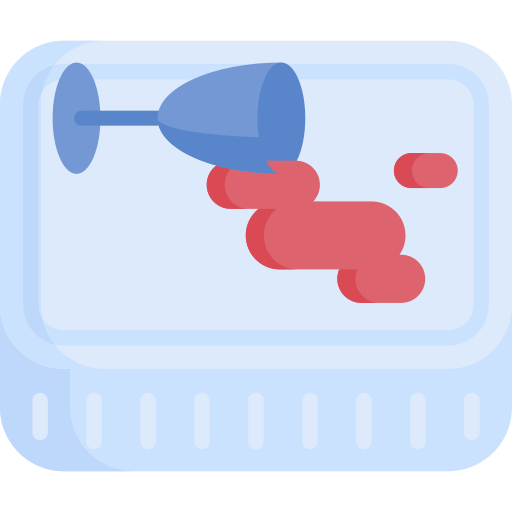
kaataa
pour, spill; knock down; overthrow

kaadan
I pour

päälle
on, onto
-ni (a possessive suffix)
my, myself, me

päälleni
onto myself

samppanja
champagne
samppanjaa
champagne (singular partitive case)

toinen
other, another

silmä
eye

karsastaa
squint (have eyes turned into different directions); he/she/it is squinting

puhe
speech

sammaltaa
slur (words); he/she/it is slurring

puoli
half
minusta; (colloquial) musta; (colloquial) must
about me; of me; in my opinion

valta
power, rule; country
vallan
power, rule; country (singular genitive case)

saada
get, receive; cause to; be allowed
Sain kirjeen postissa tänään.
saa
gets

arki
weekday; everyday life
arkena
on a weekday (singular essive case)

mies
man

laisinkaan
at all
mutta; (colloquial) mut
but

tänään
today

se
it; that; (colloquial) the