II. Intermediate courseRussian words
by DuoCards
*Welcome to intermediate Russian Course II.! *
In this course, *you will improve your grammar, speak more naturally, and learn how Russian really works* through useful vocabulary and common patterns.
But before we fully get into the course, let’s warm up with some common verbs and phrases you probably already know. If not, don’t forget to swipe them up to add them for later learning! :)

Привет
Hi (informal)
Привет, как дела?

Здравствуйте
Hello (formal)
Здравствуйте, как вы?

Я понимаю.
I understand.
Я понимаю этот вопрос.

Я не понимаю.
I do not understand.
Я не понимаю это слово.

Ты работаешь сегодня?
Do you work today?

Мы читаем вместе.
We read together.

Он любит кофе.
He loves coffee.

Где ты живёшь?
Where do you live?

Я учусь каждый день.
I study every day.

Они очень хорошо говорят по-русски.
They speak Russian very well.
*Formal and informal 'you'*
Choosing between "ты" and "вы" is important, because it shows your relationship with the person and how polite you want to be.
Use "ты" with *friends, family, children, or people you know well.* It sounds friendly, relaxed, and personal. Use "вы" with *strangers, older people, or in formal situations* (for example at work, in a shop, or when speaking to a teacher). It shows respect and distance.
The same word "вы" is used for:
- *plural* (you = more people)
- *formal singular* (you = one person, politely)
Switching from "вы" to "ты" usually happens only when people agree to be more informal. Starting with "ты" can sound rude if you don’t know the person well. When you are not sure, stick with "вы", it is always safe and polite.
ты говоришь
you speak (informal/singular)
Ты говоришь по-русски?

вы говорите
you speak (formal/plural)
Вы говорите по-русски?

сейчас
now
Я сейчас читаю книгу.

Ты сейчас дома?
Are you at home right now? (informal/singular)

Вы работаете здесь?
Do you work here? (formal/plural)

Ты понимаешь меня?
Do you understand me? (informal/singular)

Вы хотите кофе?
Do you want coffee? (formal/plural)

Ты идёшь домой?
Are you going home? (informal/singular)

Вы живёте в Москве?
Do you live in Moscow? (formal/plural)

Ты любишь музыку?
Do you like music? (informal/singular)

Вы знаете это?
Do you know this? (formal/plural)
*Why Russians skip pronouns*
In Russian, verbs change their endings depending on *who is doing the action.* Because of this, the verb itself already shows the subject. That is why you will often hear Russians *not say* "я", "ты", or "мы". For example, "Работаю" already means *'I work.'*
If it feels more comfortable, you can still use pronouns like "я" or "ты", it's completely correct. You might notice that it can sometimes become more difficult in the third person (he/she/it), because the verb form does not show gender clearly. In these cases, *Russians rely on context* to understand who is being talked about."

Работаю.
I work.
Работаю сегодня дома.

Читаешь?
Are you reading?

говорим
we speak
Говорим по-русски.

идёт
he/she goes
Он идёт домой.

Понимаете?
Do you understand?

люблю
I love
Люблю кофе.

живём
we live
Живём в городе.

хочу
I want
Хочу чай.
слушают
they listen
Слушают музыку.

Знаешь?
Do you know? (singular)
Знаешь, где находится библиотека?
*Common Russian adjectives*
Let’s learn some common Russian adjectives to expand your vocabulary.
Remember: Russian adjectives change *depending on the gender* and *number* of the noun they describe. To make adjectives plural, you usually remove the singular ending (like "-ый, -ой, -ий") and replace it with "-ые" or "-ие".

новый
new
новые книги

новая
new
новая книга
новые
new (plural)
У меня новые книги.

У неё новая работа.
She has a new job.

красивый
beautiful
красивые дома

красивая
beautiful
красивая девушка

красивые
beautiful (plural)
Это красивые города.

большой
big
большой дом

большая
big
большая машина

большие
big (plural)
Большие дома здесь.

маленький
small
маленькие дети
маленькая
small
маленькая девочка

маленькие
small (plural)
Маленькие дети играют.

Это маленький город.
This is a small city.

У меня маленькая комната.
I have a small room.

интересный
interesting
интересные фильмы

интересная
interesting
интересная книга

интересные
interesting (plural)
Это интересные фильмы.

хороший
good
хороший день
хорошая
good
хорошая погода
хорошие
good (plural)
хорошие люди

Это хороший день.
This is a good day.

плохой
bad
плохой фильм

плохая
bad
плохая идея

плохие
bad (plural)
плохие новости
*Seasons and related vocabulary*
Let’s explore the seasons and practical vocabulary connected to them. In Russian, when people talk about weather, they don’t say a direct word for *outside*. Instead, they use the expression "на улице", which literally means *on the street*.

зима
winter
Зимой холодно.

весна
spring
Весной тепло.

лето
summer
Летом жарко.

осень
autumn
Осенью идёт дождь.

снег
snow
Идёт снег.

дождь
rain
Идёт дождь.

жарко
hot
Сегодня жарко.

холодно
cold
Сегодня на улице холодно.

тепло
warm
Я люблю теплую погоду.

На улице тепло.
It's warm outside.

Летом я отдыхаю.
I relax in summer.

Зимой я читаю дома.
In winter I read at home.

Сегодня красивая погода.
weather is beautiful today.

Я люблю, когда идёт снег.
I love when it snows.

На улице холодно.
It is cold outside.
Когда на улице холодно, мы остаемся дома.
*Russian culture words*
In Russian, some everyday words are closely connected to *culture and lifestyle.* Learning them helps you understand how people live and spend time together.
A "самовар" is a *traditional container used to boil water for tea*, often placed on the table during gatherings. Tea is very important in Russian culture. You can find those even in trains in Russia, free to use.
A "дача" is a *small country house* where people go to relax, especially in summer.
A "баня" is a *traditional sauna*, used not only for washing, but also for relaxing and socializing.
Food is also important: "борщ" is a famous beet soup, and "пельмени" are dumplings usually filled with meat.

самовар
samovar
Самовар на столе.

дача
country house
Мы едем на дачу.

борщ
borsch
Я люблю борщ.

пельмени
dumplings
Мы едим пельмени.

чай
tea
Русские любят чай.

Пельмени - моё любимое блюдо.
Dumplings are my favourite food.

Мы пьём чай из самовара.
We drink tea from a samovar.

Мы едем на дачу летом.
We go to the dacha in summer.
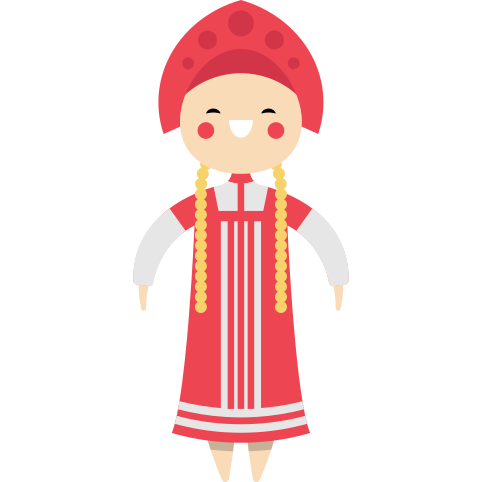
русская культура
Russian culture
*Using 'нет' - saying 'no' and 'there is no'*
"нет" is used to say *no*, but also *there is no* or *I don’t have*.
For example:
"Нет." → No.
"У меня нет машины." → I don’t have a car. Literally, it could be translated as *I have no car.*
Notice that after "нет", the noun often changes its form. This is because a different case is used (genitive in this case).
For now, you don’t need to learn all the rules, just try to remember common phrases:
"нет времени" → no time
"нет денег" → no money

У меня нет машины.
I don't have a car.

У него нет денег.
He doesn't have money.

У неё нет сестры.
She doesn't have a sister.

У меня нет времени.
I don't have time.
Извини, но у меня нет времени сейчас.

У меня нет кофе.
I don't have coffee.

здесь
here
Книга здесь, на столе.

там
there
Книга там на столе.

Там никого нет.
There is no one over there.

Здесь нет магазина.
There is no shop here.

У них нет дома.
They don't have a house.

У меня нет друга.
I don't have a friend.

У них нет сына.
They don't have a son.

У меня нет дочери.
I don't have a daughter.
*Nationalities in Russian*
In Russian, nationalities change *depending on gender and number*, just like adjectives. For example, the word "русский" (Russian) changes like this:
"русский" → masculine (a Russian man) - "Он русский." (He is Russian.)
"русская" → feminine (a Russian woman) - "Она русская." (She is Russian.)
"русские" → plural (Russians) - "Они русские." (They are Russian.)
Let's go through some common nationalities.

русский
Russian
Он русский и живёт в Москве.

русская
Russian
Она русская, но работает в Европе.

русские
Russians
Они русские и говорят по-русски.

американец
American
Он американец и работает в офисе.

американка
American
Она американка и учит русский язык.

американцы
Americans
Они американцы, но живут в России.

немец
German
Он немец и часто путешествует.

немка
German
Она немка и любит читать книги.

немцы
Germans
Они немцы и живут в большом городе.

украинец
Ukrainian
Он украинец и говорит на двух языках.

украинка
Ukrainian
Она украинка и учится в университете.

украинцы
Ukrainians
Они украинцы и работают вместе.

француз
French
Он француз и любит хорошую еду.

француженка
French (w)
Она француженка и говорит по-английски.
французы
French people
Они французы и работают в ресторане.

испанец
Spanish
Он испанец и живёт в Мадриде.

испанка
Spanish
Она испанка и говорит по-английски.

испанцы
Spanish people
Они испанцы и работают в ресторане.

У меня есть американские друзья.
We have American friends.

Мой учитель - испанец.
My teacher is Spanish.

Моя коллега - француженка.
My colleague is French.

У нас есть украинские коллеги.
We have Ukrainian colleagues.
*Friendship*
Let's talk about friendship "дружба" and related vocabulary!

друг
friend
Мой друг здесь.

подруга
friend
Моя подруга дома.

дружба
friendship
Наша дружба крепкая.

вместе
together
Мы вместе учимся.

помогать
help
Я помогаю другу.

доверять
trust
Я доверяю тебе.

Я доверяю своему другу.
I trust my friend.

встречаться
meet
Мы встречаемся часто.

Ты мой друг.
You are my friend.

Мы хорошие друзья.
We are good friends.

Я доверяю тебе.
I trust you.

обожать
adore
Я обожаю шоколад.

Я обожаю свою подругу.
I adore my friend.
*Talking about jobs*
In Russian, when you ask about someone’s job, you say "Кем ты работаешь?", which literally means *As what do you work?* To answer this question, Russian uses the instrumental case. This means that *the profession changes its ending.*
For example:
"Я работаю врачом." → I work as a doctor.
"Она работает учителем." → She works as a teacher.
Notice the endings:
"врач → врачом"
"учитель → учителем"
These endings ("-ом" / "-ем") are very common *in the instrumental case.*
You can also ask more formally:
"Кем вы работаете?" → What do you do?
In modern Russian, the language is starting to distinguish more between male and female forms of some professions. For example, alongside "программист", you may also hear "программистка" for a woman."

Кем ты работаешь?
What do you do for a living?
Я работаю врачом. А кем ты работаешь?

Кем вы работаете?
What do you do for a living? (plural/formal)
Я не знаю, кем вы работаете.

Я работаю врачом.
I work as a doctor.

врач
doctor
Он врач.

учитель
teacher
Он учитель.

инженер
engineer
Он инженер.

студент
student
Я студент.

студентка
student
Она студентка.

Я работаю учителем.
I work as a teacher.

Она работает врачом.
She works as a doctor.

Он работает инженером.
He works as an engineer.

менеджер
manager
Она менеджер.

официант
waiter
Где наш официант?

официантка
waitress
Официантка принесла меню.

Он работает официантом.
He works as a waiter.

программист
programmer

Моя мама - программист.
My mom is a programmer.
*What’s up with that dash (—) in Russian sentences?*
You will often see *a dash (—)* in Russian, called "тире", where English would normally use the verb *to be (is/are).* The reason is simple: in the present tense, Russian usually does not use the verb *to be*. Instead, it is just understood.
For example:
"Он врач."→ He is a doctor.
"Москва - столица России."→ Moscow is the capital of Russia.

Мой брат - студент.
My brother is a student.

Борщ — русский суп.
Borsch is a Russian soup.

Самовар — символ русского чаепития.
samovar is a symbol of Russian tea drinking.
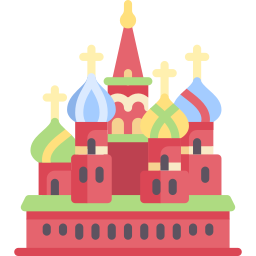
Москва — столица России.
Moscow is the capital of Russia.

Мои друзья — студенты.
My friends are students.

Париж — красивый город.
Paris is a beautiful city.

Мой отец — водитель.
My father is a driver.
*Prepositions*
Russian prepositions do not always match English directly, so it’s best to learn them in common phrases. We will start with "в", "на", and "с".
"в" → in
Used for cities, buildings, and enclosed spaces. In many cases, it works like English *in*:
"Я в городе." → I am in the city.
"Мы в доме." → We are in the house.
"на" → on / at
Used for surfaces, but also for many places where English uses *at*:
"Книга на столе." → The book is on the table.
"Я на работе."→ I am at work.
"с" → with
Used to show that you are together with someone, just like in English.
"Я с другом." → I am with a friend.
"Мы с друзьями." → We are with friends.

Книга на столе.
book is on the table.

на работе
at work
Я сейчас на работе.

в школе
at school

в магазине
in the shop
В магазине много людей сегодня.

в гостиной
in the living room

Я на работе.
I am at work.
Сегодня я на работе.

Я в городе.
I am in the city.
Ты где? Я в городе, жду тебя.
Она в школе.
She is at school.
Она в школе, а её брат дома.

Я дома с сестрой.
I am at home with my sister.
Я дома с сестрой и смотрим фильм.

Я в школе с друзьями.
I am at school with friends.

Мы в магазине.
We are in the shop.

Папа в гостиной.
Dad is in the living room.

Мама на улице.
Mum is outside.

Хочешь пойти со мной?
Do you want to come with me?
*Journey Around the World*
Good news: *all continents are feminine nouns*, so you don’t need to worry about learning the gender of each one. As you now know, this is important because in Russian, the gender of a noun affects the form of verbs and adjectives used with it. When we talk about continents, we use the prepositions "в" (in).
"Я живу в Европе." (I live in Europe.)
"Ты хочешь поехать в Африку?" (Do you want to go to Africa?)
"Он мечтает об Австралии." (He dreams about Australia.)

Европа
Europe
Я живу в Европе.

Я живу в Европе.
I live in Europe.

Азия
Asia
Азия большая.

Азия — это очень большой континент.
Asia is a very large continent.

Африка
Africa
Африка жаркая.

Ты хочешь поехать в Африку?
Do you want to go to Africa?

Америка
America
Я мечтаю поехать в Америку.

Я хочу в Америку.
I want to go to America.

Северная Америка
North America

Южная Америка
South America
Я мечтаю поехать в Южную Америку.

Австралия
Australia
Австралия далеко.

Он мечтает об Австралии.
He dreams about Australia.

мечтать
dream

Антарктида
Antarctica

Антарктида — мой любимый континент.
Antarctica is my favourite continent.

страна (f)
country
Это большая страна.

город (m)
city
Это красивый город.

мир (m)
world
Мир большой.
Мы путешествуем по миру.
We travel the world.
*Travel vocabulary*
Now let’s learn some useful words and phrases for real-life travel situations. Imagine you’ve just arrived in a new country and need to find your way around - in Russian.

паспорт (m)
passport
Где мой паспорт?

Где мой паспорт?
Where is my passport?

билет (m)
ticket
Я покупаю билет.

Один билет, пожалуйста.
One ticket, please.

вокзал (m)
station
Мы на вокзале.

отель (m)
hotel
Отель большой.

карта (f)
map
У меня есть карта.

Где вокзал?
Where is the station?

Я ищу отель.
I'm looking for a hotel.

Можно карту?
Can I have a map?

Я потерялся.
I am lost.

Я потерялась.
I am lost.

потеряться
get lost
Я потерялся в лесу.

Помогите, пожалуйста!
Help me, please! (formal)

Можете, пожалуйста, говорить медленнее?
Can you please speak more slowly? (formal)

аэропорт (m)
airport

авиабилет (m)
flight ticket
*Body parts*
Let’s learn some common body parts. These words are useful when describing people or talking about health. In Russian, the structure "У меня болит..." (I have pain in... / …hurts), is used instead of saying *my … hurts* directly.
For plural, we use "болят" : "глаза, уши". "У меня болят уши."

голова (f)
head
У меня болит голова.

рука (f)
hand
Подними руку.

нога (f)
leg
У меня болит нога.

глаза
eyes
У него синие глаза.

уши
ears
У неё большие уши.

нос (m)
nose
У него длинный нос.

рот (m)
mouth
Открой рот.

спина (f)
back
У меня болит спина.

живот (m)
belly

У него синие глаза.
He has blue eyes.
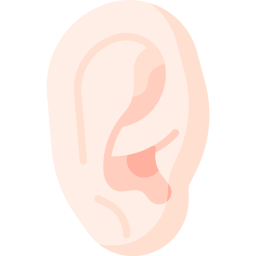
У неё большие уши.
She has big ears.

У меня болит голова.
My head hurts.
У меня болит голова, и я не могу учиться.
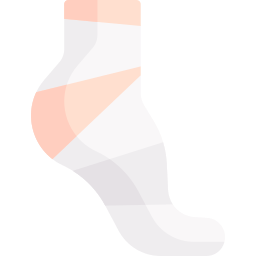
У меня болят ноги.
My legs hurt.
*Numbers 20-100*
Numbers from 20 to 100 follow a simple pattern. First, you say *the tens, and then you add the smaller number* (just like in English).
"десят" comes from an old word meaning *ten*. So "пятьдесят" literally means *five tens* (50).
Number 40 breaks the pattern and is simply called “сорок.”

двадцать
twenty
Мне двадцать лет.

тридцать
thirty
Ему тридцать лет.

сорок
forty
Сорок человек.

пятьдесят
fifty
Пятьдесят рублей.

шестьдесят
sixty
Шестьдесят минут.
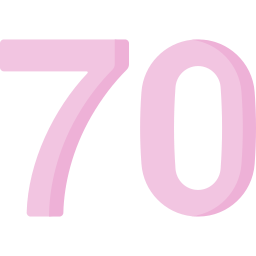
семьдесят
seventy
Семьдесят студентов.

восемьдесят
eighty
Восемьдесят книг.

девяносто
ninety
Девяносто дней.

сто
hundred
Сто рублей.

Мне сорок лет.
I am forty years old.

Билет стоит шестьдесят рублей.
ticket costs 60 rubles.

В группе семьдесят три человека.
There are 73 people in the group.

У нас сорок четыре студента.
We have 44 students.
*Verbs ending in "-ить"*
You already know how to conjugate verbs ending in "-ать", like "работать". Now we will learn verbs from another important group - verbs ending in "-ить". These verbs follow a different conjugation pattern, so the endings are not the same as with "-ать" verbs.
You already know the verb "любить", now we will learn to conjugate "говорить" - to speak.
To conjugate a verb like "говорить" (to speak), remove "-ить" to get the stem: "говор-". Then add the new endings depending on the subject.
- "я" → "-ю" → "говорю" (I speak)
- "ты" → "-ишь" → "говоришь" (you speak, informal)
- "он/она" → "-ит" → "говорит" (he/she speaks)
- "мы" → "-им" → "говорим" (we speak)
- "вы" → "-ите" → "говорите" (you speak, formal/plural)
- "они" → "-ят" → "говорят" (they speak)

Я говорю
I speak
Я говорю по-английски.

говоришь
you speak (informal)
Ты говоришь быстро.
говорит
he/she speaks
Она говорит по-русски.

говорите
you speak (formal/plural)
Вы говорите ясно.

говорят
they speak
Они говорят тихо.

Ты говоришь по-русски?
Do you speak Russian?

Мы говорим каждый день.
We speak every day.

Он говорит по телефону.
He speaks on the phone.

Я хорошо говорю по-испански.
I speak Spanish well.
*Great job!*
You’ve made it to the final section of the Second Intermediate Russian Course!
“Ты молодец!” is a super common phrase in Russian. It’s a warm, informal way to say *well done,* *good job,* or even *good boy/girl* or *smart cookie.* There’s no perfect literal translation, but it’s all about praising someone’s effort, behavior, or smarts. You’ll hear it all the time in everyday Russian.
Just a few more flashcards to review-and you’re done. "Молодец!"

Молодец!
Good job!

Здравствуйте, как вы?
Hello, how are you? (formal)

Я понимаю этот вопрос.
I understand this question.

Я не понимаю это слово.
I don't understand this word.

Работаю сегодня дома.
I work at home today.

Это большой город.
This is a big city.

Сегодня на улице холодно.
It's cold outside today.

Он немец и живёт в Берлине.
He is German and lives in Berlin.

Отличная работа!
Great job!