
Geçmiş Hakkında Konuşmakİngilizce kelimeler
by DuoCards
*Geçmiş Zaman*
*Geçmiş zaman kipi* ile başlayalım. *Şu andan önceki bir zaman diliminde gerçekleşen tamamlanmış eylemler*hakkında konuşmak için kullanırız.
Düzenli ve düzensiz fiiller arasında ayrım yapıyoruz, bunlara daha sonra bakacağız.
*Geçmiş zamanda düzenli fiiller: çoğu fiile "-ed" ekleyin:*
"to talk" - "talked"
"to finish" - "finished"
"to listen" - "listened"
"to relax" - "relaxed"
"to knock" - "knocked"
"to walk" - "walked"
I finished the school project.
Okul projesini bitirdim.

to listen
dinlemek
We listened to some music.
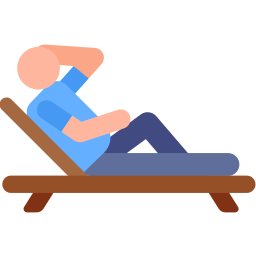
he relaxed
rahatladı, dinlendi
He relaxed during his vacation.

He listened to my advice and relaxed.
Tavsiyemi dinledi ve dinlendi.

We talked about our favorite movies.
En sevdiğimiz filmler hakkında konuştuk.
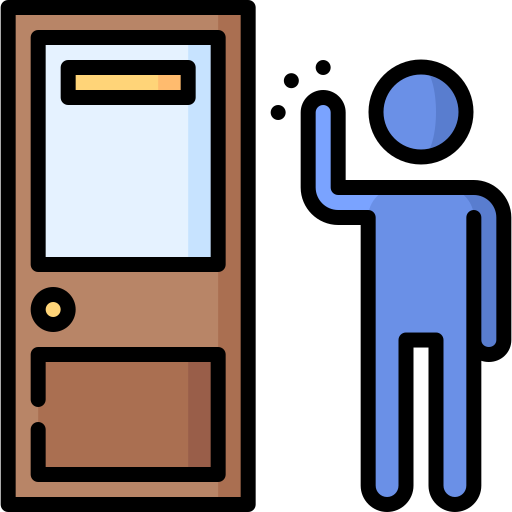
to knock
kapıyı çalmak
Who knocked at the door?

he knocked
kapıyı çaldı
He knocked at the door.

to walk in
içeri girmek
She walked in.

He walked in.
İçeri girdi.
He knocked on the door and walked in.
Kapıyı çaldı ve içeri girdi.
*Son harfi iki katına çıkarın*
*Kısa bir fiil* *ünsüz-ünlü-ünsüz* ile bitiyorsa, son harfi iki katına çıkarın ve ardından -ed ekleyin.
"to stop" - "stopped"
"to shop" - "shopped"
Ancak, fiil *w, x* veya *y ile* bitiyorsa son harfi iki katına çıkarmayın.
"to play" - "played"
"to show" - "showed"

to stop
durmak
The bus driver stopped suddenly.
we stopped
durduk
We stopped playing soccer when it started to rain.

in the middle
ortasında
She placed the vase in the middle of the table.

the desert
çöl
The desert is very dry and salty.

We stopped in the middle of the desert.
Çölün ortasında durduk.
to play
oynamak, çalmak
The violinist played beautifully.

She played guitar.
Gitar çaldı.
She played guitar at the concert.

to shop
alışveriş yapmak
They shopped a lot.

to show
göstermek
He showed me the way.
*Daha uzun kelimeler*
Daha uzun sözcüklerde, fiilin son hecesi ünsüz-sesli-ünsüz ile bitiyorsa ve bu hece vurguluysa, son ünsüzü ikiye katlayın ve ardından ed ekleyin.
"to prefer" - "preferred"
"to travel" - "traveled" (Amerikan İngilizcesi) veya "travelled" (İngiliz İngilizcesi)
Ancak, *ilk hece vurgulu* ise son harfi iki katına çıkarmayın.
"to enter" - "entered"
They entered.
İçeri girdiler.
They entered the house.
to prefer
tercih etmek
I prefer alternative medicine.

to travel
seyahat etmek
We traveled a lot as children.
alone
tek başına, yalnız
He was alone that evening.

I traveled alone.
Yalnız seyahat ettim.
I traveled to the USA alone.

preferred option
tercih edilen seçenek
Travelling by train would always be my preferred option.

last summer
geçen yaz
We met last summer.

He traveled by boat last summer.
Geçen yaz tekneyle seyahat etti.
*Sonlar değişir*
Eğer fiil e ile bitiyorsa, sadece *-d* ekleyin.
"to create" - "created"
"to live" - "lived"
Fiil bir ünsüz + y ile bitiyorsa, *y'yi i olarak değiştirin ve -ed ekleyin.*
"to try" - "tried"
"to worry" - "worried"
"to carry" - "carried"

to create
oluşturmak
He created an environment in which students can learn.

he created
o oluşturdu
He created his own website.
The company created a new app for learning languages.
Şirket, dil öğrenimi için yeni bir uygulama geliştirdi.

to live
yaşamak
We lived abroad for six years.

We lived together.
Birlikte yaşadık.
We lived together for many years.

to worry
endişelenmek
She is worried about her interview, even though she did fine.
she worried
endişelendi
My mum worried about me last week because I was ill.

to carry
taşımak
Let me carry your bags for you.
I carried the bag.
Çantayı taşıdım.
*İfadeler - PAST SIMPLE*
Past simple ile ilgili bazı ifadeler vardır:
"yesterday"
"last week/month/year/..."
"ago" zamansal mesafeyi ifade eder ve daima zamansal bir belirlemenin peşindedir.
Örneğin. "one month ago" "two weeks ago" "a long time ago" "the other day"

I cooked a vegan meal last weekend.
Geçen hafta sonu vegan bir yemek pişirdim.

last weekend
geçen hafta sonu
I went hiking with my friends last weekend.

I studied a lot last night.
Dün gece çok ders çalıştım.

I played
Oynadım
l played tennis alone.
I played a difficult game yesterday.
Dün zor bir oyun oynadım.
to borrow
ödünç almak
Can I borrow your car?
two years ago
iki yıl önce
We moved in two years ago.

He borrowed money from his parents two years ago.
İki yıl önce ailesinden borç para aldı.

to try
denemek
She tried to contact her father.

to call
aramak
I called you ten times!

I tried to call him three hours ago.
Ona üç saat önce telefon etmeye çalıştım.
*-d ile biten fiiller*
Fiil -d ile bitiyorsa *-d'yi* *-t* olarak değiştirin.
"to build"- "built"
"to send"- "sent"
"to bend"- "bent"
"to spend"- "spent"
Örnek: "We built this house a long time ago."

to build
inşa etmek
Who built this house?
We built a house.
Bir ev inşa ettik.

to send
göndermek
I sent an email.

I sent you a message.
Sana bir mesaj gönderdim.

to bend
bükmek
The tree branches bend in the wind.
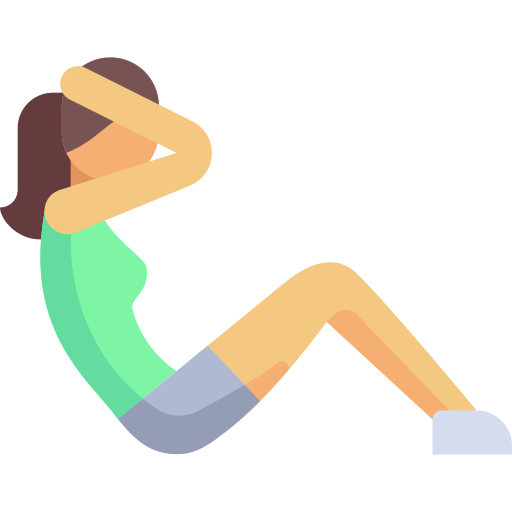
to bend over
eğilmek
I bent over and picked up the coin.
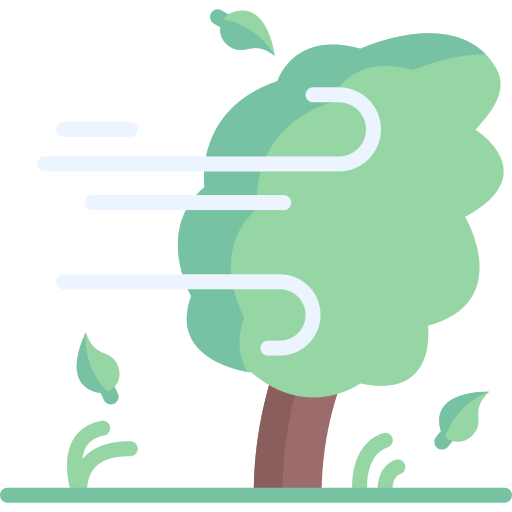
The tree bent in the strong wind.
Ağaç şiddetli rüzgarda eğildi.

to spend
harcamak
She spent a lot of money.

I spent all night studying.
Bütün geceyi ders çalışarak geçirdim.

We spent a lot of money.
Çok para harcadık.
We spent a lot of money on the holidays.
*Geçmiş Zaman - olmak veya gitmek*
Düzensiz fiillerin ezberlemeniz gereken *üç özel biçimi* vardır. Çoğu İngilizce düzenli fiil geçmiş zaman ve ortaç formları için *-ed* sonunu kullanırken, düzensiz fiillerin *her birinin kendine özgü zaman formları ve geçmiş ortaçları vardır.*
Bu üç form şunlardır:
1. *Temel form* (sözlükte bulduğunuz fiil)
2. *Geçmiş zaman formu* (bu kursta öğrendiğiniz)
3. *Geçmiş zaman ortacı* (bunu nasıl kullanacağımızı daha sonra öğreneceğiz)
Her üç formu da aynı anda öğrenmek önemlidir ve çok daha kolaydır. En önemlileri ile başlayalım:
"to be" - "was/were" - "been"
"to go" - "went" - "gone"

to be
olmak
He was sad yesterday.
We were happy yesterday.
I was there.
Oradaydım.
I was at the party yesterday.
scared
korkmuş
She was scared to walk alone in the dark.

He was scared.
Korkmuştu.
He was scared when he heard the loud noise.

a feeling
bir his
I have a feeling that today will be a great day.

He was scared of his feelings.
Duygularından korkuyordu.

to go
gitmek
We went to the cinema last night.
he went
gitti
He went for a walk.
last Monday
geçen Pazartesi
Last Monday we had an exam.

He went to Prague last Monday.
Geçen pazartesi Prag'a gitti.
*Daha fazla düzensiz fiil*
Şimdi diğer bazı düzensiz fiillere ve onların geçmiş hallerine bir göz atalım.
"to have"- "had"- "had"
"to eat"- "ate"- "eaten"
"to come"- "came"- "come"
"to think"- "thought"- "thought"
"to give"- "gave"- "given"
"to forget"- "forgot"- "forgotten"

to have
sahip olmak
I had no idea.

we had
sahiptik
We had a great time last weekend.

We had a great time.
Harika vakit geçirdik.

to eat
yemek
I ate a while ago.

She ate an apple for breakfast.
Kahvaltıda bir elma yedi.

to come
gelmek
I came home very late last night.
to think
düşünmek
I never thought I could do it.
I thought so.
Öyle düşünmüştüm.

I thought of you today.
Bugün seni düşündüm.
I thought of you today during my lunch break and smiled.

to give
vermek
She gave him a book for his birthday.

The teacher gave us homework yesterday.
Öğretmen dün bize ödev verdi.
to forget
unutmak
She forgot about it.

I forgot my keys.
Anahtarlarımı unuttum.
to make
yapmak
I made it myself.

I made a mistake.
Bir hata yaptım.

We made it to the end!
Bitirmeyi başardık!
*Geçmiş zaman - soru*
Bir soru, cümlenin başına "did" ( "do"'un geçmiş zamanı) yardımcı fiili eklenerek geçmiş zamanda oluşturulur. Bu yardımcı fiil tüm dilbilgisi işlevlerini üstlenir, bu nedenle anlamsal fiil zaten şimdiki zamanda olacaktır.
"did" + özne + fiil ( "TO" olmadan mastar) + cümlenin geri kalanı*
"Did you like the concert?"
Şimdi biraz daha düzensiz fiillere göz atalım:
"to know" - "knew" - "known"
"to pay" - "paid" - "paid"
"to sleep" - "slept" - "slept"
"to keep" - "kept" - "kept"
"to mean" - "meant" - "meant"

Did you know that?
Bunu biliyor muydun?
Did you know that the Eiffel Tower can be 15 cm taller in the summer?

I knew it.
Biliyordum.
I knew it was true.

to pay
ödemek
Did you pay the bills last month?

He paid for me.
Benim için ödedi.
He paid for me at the restaurant.

to sleep
uyumak
Did you sleep well?
He slept for ten hours last night.
Dün gece on saat uyudu.

Did he study?
O ders çalıştı mı?
Did he study before the exam?

to keep
saklamak, muhafaza etmek
Did you keep my secret?

Did she go there?
Oraya gitti mi?

to mean
demek, ima etmek
Did they mean it?

I meant it.
Ciddiydim.
When I complimented your work, I meant it.
*Geçmiş zaman - olumsuzluk*
Geçmiş zamanda bir olumsuzluk ifade etmek istediğimizde, özneden sonra "did not" ifadesini kullanırız ve anlamsal fiil (bir eylemi veya olayı gösteren bir fiil) temel biçiminde kalır.
*özne + "did not" + fiil (mastar) + cümlenin geri kalanı*
"He did not do it."
"We did not go there."
*"didn't" ifadesinin "did not" ifadesinin kısa hali olduğunu unutmayın.*
Şimdi biraz daha düzensiz fiillere göz atalım:
"to feel" - "felt" - "felt"
"to tell" - "told" - "told"
"to wear" - "wore" - "worn"

I did not work yesterday.
Dün çalışmadım.

He didn't do it.
O yapmadı.
He didn't do his homework.

We did not go there.
Oraya gitmedik.
to feel
hissetmek
I feel tired after the long day.

I did not feel it.
Hissetmedim.
I did not feel pain.

to tell
söylemek
I told her you were coming.

She didn't tell me.
Bana söylemedi.
She didn't tell me the truth.

the truth
doğru, hakikat
You should tell the truth.

to wear
giymek
I didn't wear a school uniform.

I did not sleep well.
İyi uyuyamadım.
*Aynı form*
Bazen geçmiş zaman formu mastar formuyla aynıdır. Kafanızın karışmaması için bu fiillere bir göz atalım!
"to let" - "let" - "let"
"to set" - "set" - "set"
"to put" - "put" - "put"
"to cut" - "cut" - "cut"
"to cost" - "cost" - "cost"
Bu fiillerin nasıl kullanıldıklarına bağlı olarak farklı anlamlara gelebileceğine dikkat edin. Şimdi bunlardan bazılarını öğreneceğiz.

to let
bırakmak
She let her friend use her phone.

Let it be.
Bırak olsun. Varsın olsun.
She was upset about the argument, but I told her to let it be.

He let his dog sleep on the bed.
Köpeğinin yatakta uyumasına izin verdi.

to set
yerleştirmek
He set the ladder against the wall.
to set the table
sofrayı kurmak
Can you help me set the table for dinner?

to set an example
örnek olmak
The teacher always tries to set an example for her students.

She set the table for dinner.
Akşam yemeği için masayı kurdu.

to put
koymak
He put his arms around her and held her tight.

I put the milk back in the fridge.
Sütü buzdolabına geri koydum.

to cut
kesmek
I cut myself while shaving.

I cut my hair yesterday.
Dün saçımı kestirdim.

Cut it out!
Kes şunu!

to cost
maliyetinde olmak
This book costs ten dollars.

I bought a new phone, and it cost a lot of money.
Yeni bir telefon aldım ve çok paraya mal oldu.
*Bu dersi bitirelim!*
Bu kursu, kelime dağarcığınızı genişletmenize yardımcı olacak, daha *sık kullanılan bazı düzensiz fiillerle* tamamlayalım.
"to choose" - "chose" - "chosen"
"to write" - "wrote" - "written"
"to take" - "took" - "taken"
"to see" - "saw" - "seen"
"to buy" - "bought" - "bought"
to choose
seçmek
He chose a seat facing the door.

They chose a movie to watch together.
Birlikte izlemek için bir film seçtiler.

to write
yazmak
I wrote my name on the paper.

She wrote a letter to her friend.
Arkadaşına bir mektup yazdı.
to take
sürmek
It took us more than an hour to get there.

I took care of it.
Onu hallettim.

It took me an hour to finish my homework.
Ödevimi bitirmem bir saatimi aldı.

to take a shower
duş almak
I took a shower and went to work.

to buy
satın almak
She bought a dress for the party.

I bought a new laptop.
Yeni bir dizüstü bilgisayar aldım.

to see
görmek
Jack saw Peter last weekend.

I saw you.
Seni gördüm.
I saw you at the park yesterday.

Choose wisely.
Dikkatli seç.
Choose wisely your next course.