Polish for complete beginnersPolish words
by uppoljulia
*Cześć! Let’s start your journey with Polish language!*
This course will enable you to learn the basics of Polish – crucial words and phrases along with some easy grammar.
We will introduce also polish own letters, which will help you to pronounce in a right way.
Are you ready? Let’s start with basic greetings and some useful words.

cześć
hello
Cześć, dziewczyny!

Jestem Kasia.
I am Kasia.
Cześć, jestem Kasia.
Jak się masz?
How are you?
Jak się dzisiaj masz?

dobrze
good
Mam się dobrze, dziękuję!

A ty?
And you?
Ja czuję się dobrze, a ty?

dziękuję
thank you
Dziękuję za zaproszenie.
proszę
please / here you are!
Proszę bardzo, to dla ciebie.

przepraszam
I am sorry/excuse me
Przepraszam, czy mogę przejść?

Czy mówisz po polsku?
Do you speak Polish?
Przepraszam, czy mówisz po polsku?

tak
yes
Tak, mówię po polsku.
Yes, I speak Polish.

nie
no
Niestety, nie mówię po polsku.
Unfortunately, I do not speak Polish.

do widzenia
goodbye
Do widzenia, do zobaczenia jutro!
*Conversation for beginners: Introducing yourself*
Let's learn how to introduce ourselves and ask simple questions.

imię (n)
a name
Moje imię to Anna.

twoje imię
your name
Twoje imię jest bardzo ładne.
Jak masz na imię?
What ‘s your name?

Mam na imię...
My name is...
Mam na imię Piotr.

zapytać
to ask
Czy mogę o coś zapytać?

pytanie (n)
a question
To jest trudne pytanie.
mam
I have
Mam kota.

Mam pytanie.
I have a question.
Skąd pochodzisz?
Where are you from?
Jestem z...
I am from…
Jestem z Polski.

Miło cię poznać!
Nice to meet you!

Miłego dnia!
Have a nice day!
*Polish personal pronouns - singular*
In Polish, just like in English, we use different pronouns depending on who we’re talking about.
"ja" – I
"ty" – you
"ona" – she
"on"– he
"ono" - it

ja
I
Halo! To ja.

Hej, to ja.
Hey, it's me.
ty
you
Ty jesteś z Polski.

Czy Ty jesteś z Polski?
Are you from Poland?
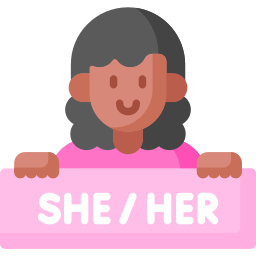
ona
she
Ona ma na imię Magda.

piękna
beautiful (f)
piękna pogoda

piękny
beautiful (m)
To jest piękny kwiat.

piękne
beautiful (n)
To jest piękne miasto.

Ona jest piękna.
She is beautiful.

miła
nice (f)

miły
nice (m)
Miło z twojej strony.

miłe
nice (n)

on
he
On ma na imię Marek.

On jest miły.
He's nice.

ono
it

To dziecko jest miłe.
This child is nice.

czerwony
red (m)
To jest czerwony samochód.

czerwona
red (f)
czerwona kartka

czerwone
red (n)
czerwone wino

jabłko (n)
apple
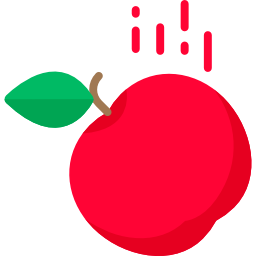
To jest jabłko. Ono jest czerwone.
This is an apple. It is red.
*Polish personal pronouns - plural*
In Polish, plural pronouns change depending on who you're talking about. Here's how they work:
"my" – we
"wy" – you (plural)
"oni" – they (a group of men or a group of men and women)
"one" – they (a group of women or a group of kids, animals or things)

my
we
My jesteśmy tutaj.

My idziemy.
We go.
My idziemy do kina.

wy
you
Wy jesteście z Niemiec.

Wy macie.
You have.
Wy macie psa.

oni
they
Oni są mili.

tutaj
here

Oni są tutaj.
They are here.

one
they (f/n)
One są miłe.
niemiły
not nice (m)
One są niemiłe.
They are not nice.
At the beginning of your adventure with the Polish language, you'll notice that it has its own letters and uses digraphs. First, let's learn the letters. We'll start with the first four:
"ą" – nasal vowel *o*, called *'a' with a tail.* Listen carefully to the example: "ząb".
"ć" - letter *c* with an accent. Example: "dziewięć", "ćwiczyć".
"ę" – this is a nasal *e*. Called *e with a tail*. Listen to the example: "pięć", "podręcznik", "męski".
"ł" - sounds similar to the letter *'w'* in English - *would*, *wound*. Example: "łatwy".
Let’s practice with a few common words!
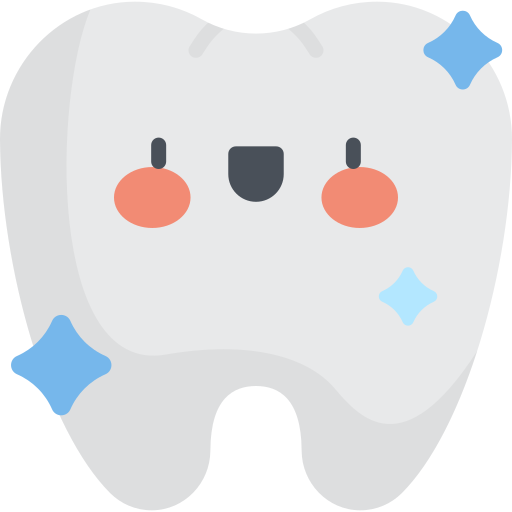
ząb (m)
tooth
Boli mnie ząb.
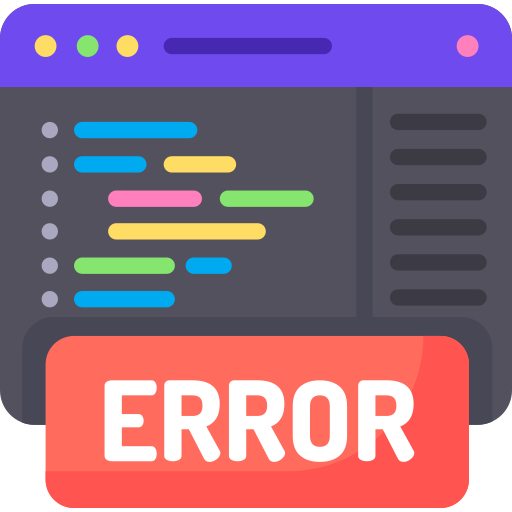
błąd (m)
error
Popełniłam błąd.
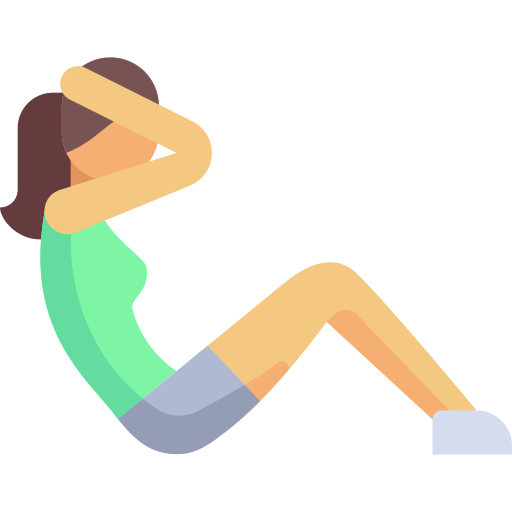
ćwiczyć
to exercise
Codziennie ćwiczę jogę.

Lubię ćwiczyć.
I like to exercise.

gość (m)
guest
Jutro mam gościa.

Mam dość!
I've had enough!
Mam już dość!
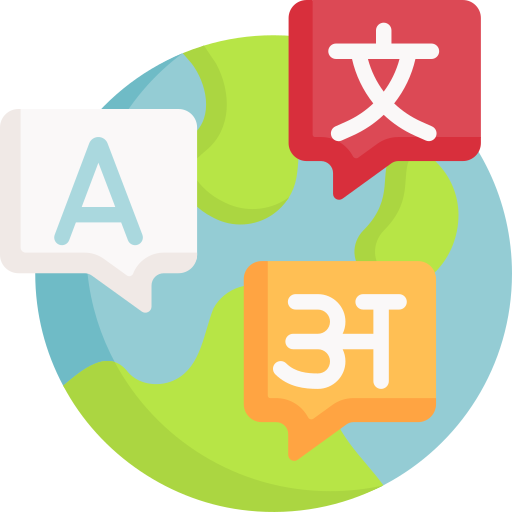
język (m)
language
łatwy
easy (m)
łatwa
easy (f)
To jest łatwa piosenka.
łatwe
easy (n)
To zadanie jest łatwe.

To jest łatwe.
This is easy.
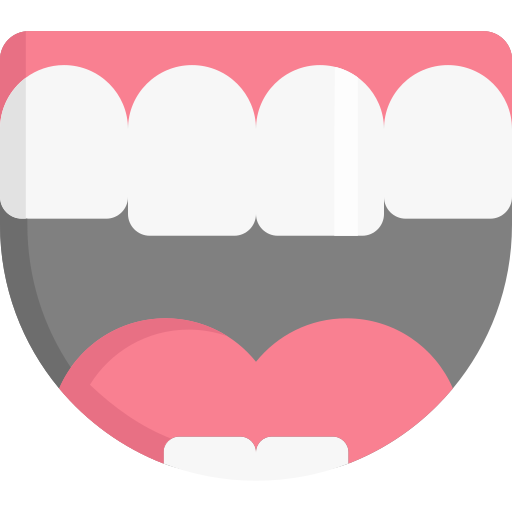
zęby
teeth
Myję zęby.
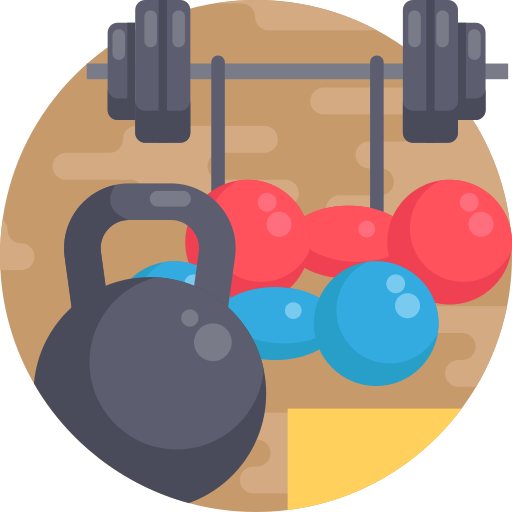
siłownia (f)
the gym
Idę na siłownię.
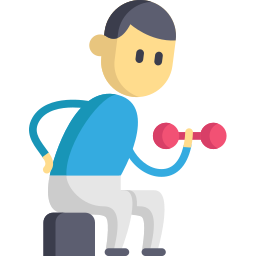
Ćwiczę na siłowni.
I exercise at the gym.

błędy
errors
Zrobiłeś dwa błędy.
You made two mistakes.
*Numbers from 0 to 5*
Let's learn numbers from 0 to 5 and see examples of the letters "ć" and "ę" and the digraphs *cz* and *rz*.
0 "zero"
1 "jeden"
2 "dwa"
3 "trzy"
4 "cztery"
5 "pięć"

zero
zero

jeden
one

dwa
two
Dwa plus dwa równa się cztery.

trzy
three
On ma trzy auta.

cztery
four
Mam cztery koty.

pięć
five

stół (m)
table
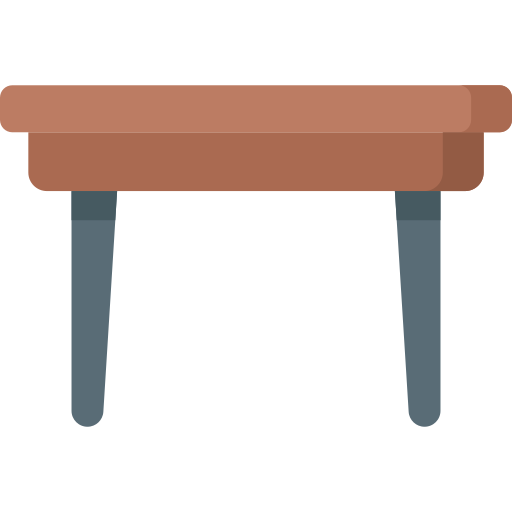
jeden stół
one table
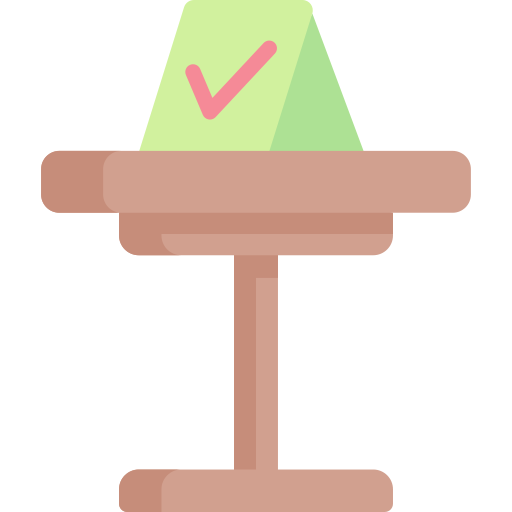
Tu jest jeden stół.
Here is one table here.
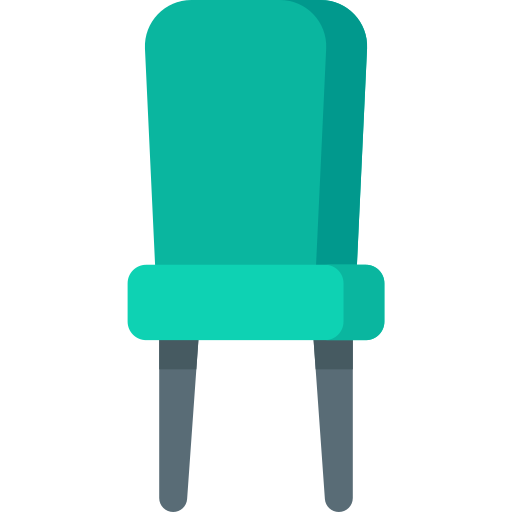
krzesło (n)
chair
On siedzi na krześle.

dwa krzesła
two chairs
Proszę przynieść dwa krzesła.
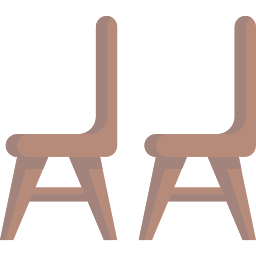
Mam tylko dwa krzesła.
I only have two chairs.

książka (f)
book
To jest moja książka.

trzy książki
three books

Ona ma trzy książki.
She has three books.
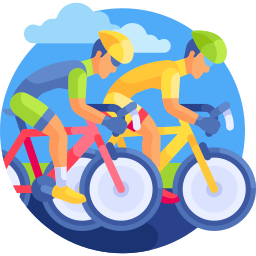
cztery rowery
four bicycles
Oni mają cztery rowery.

Wy macie cztery rowery.
You (plural) have four bikes.

pies (m)
dog
Pies się bawi.
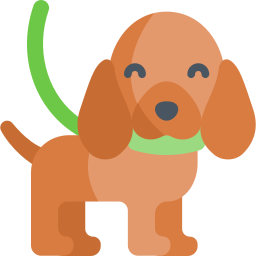
pięć psów
five dogs
My mamy pięć psów.
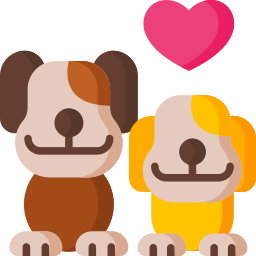
Widziałam dzisiaj pięć psów.
I saw five dogs today.
*Polish letters part II.*
Good job! Now we will continue with: *ó*, *ń*, *ś*, *ż*, *ź*
"ó" - This is not *o* but *u* with an acute accent. *Ó* and *u* sound the same in Polish. You pronounce it like 'oo' in English. Example: "łódź".
"ń" - *n* with an acute accent. It sounds like a soft 'n'. Listen closely to the example. Example: "dzień".
"ś" - *s* with an acute accent. Let´s look at the example: "sześć", "wieś".
"ż" - *z* with a dot. Example: "żart".
"ź" - *z* with an acute accent. Example: "źródło".

łódź (f)
boat
Ona kupiła łódź.

góra (f)
mountain
On jedzie na wakacje w góry.

Ta góra jest wysoka.
This mountain is high.

dzień (m)
a day

On miał ciężki dzień.
He had a tough day.
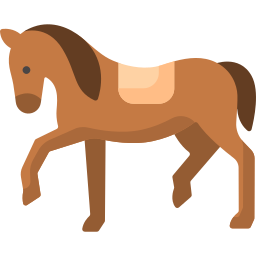
koń (m)
horse
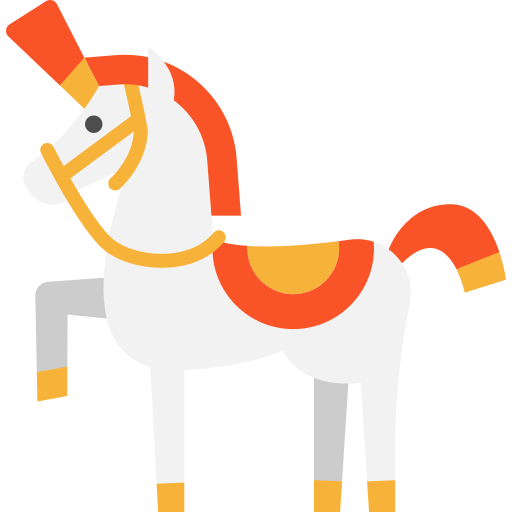
To jest piękny koń.
This is a beautiful horse.

wieś (f)
village
Oni mieszkają na wsi.
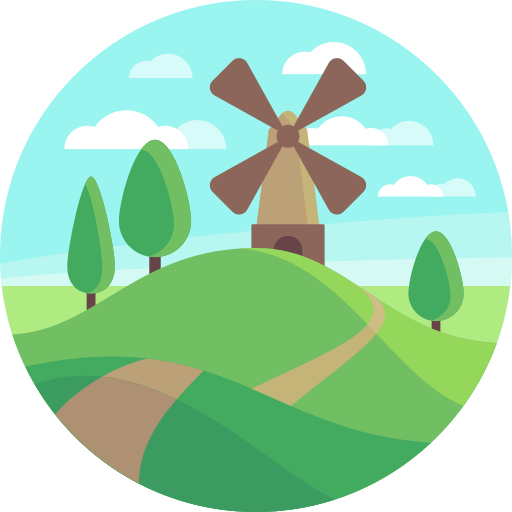
My jedziemy na wieś.
We go to the countryside.

światło (n)
light
Zgaś światło!

Proszę, zapal światło.
Please turn on the light.

źródło (n)
source
Woda wypływa ze źródła.

spóźnić się
delay
Bardzo się spóźniłam?
żart (m)
joke
Opowiem ci żart.
żartować
fun
On lubi żartować.
*Greetings in Polish*
You should greet others from the morning till the evening by saying "dzień dobry" – good day. There is no division into good morning and good afternoon.
From the evening you should day "dobry wieczór" – good evening.
"Proszę" has several uses:
-*please* -to ask someone to do something politely fe. "Proszę, przestań" - Please, stop.
-*there you are* - when handing something to other person,
-*you're welcome* - as a reply to thank you.
You should use "poproszę", which means *please*, when you are ordering something in a restaurant, café, or buying something in a shop fe. "Poproszę herbatę." - Tea, please.
dzień dobry
Good day

wieczór (m)
evening
dobry wieczór
good evening

Miłego wieczoru!
Have a nice evening!
Miłego wieczoru, do zobaczenia jutro!
dobranoc
good night
Dobranoc, kochanie. Śpij dobrze.

cześć/hej/siema
hello
Siema, co tam?

dziękuję bardzo
thank you very much

Bardzo Ci dziękuję za pomoc.
Thank you very much for your help.

dzięki
thanks
Dzięki za zaproszenie!

proszę bardzo
there you go

poproszę
please
Poproszę kawę.

Poproszę kawę i ciastko.
Coffee and cake, please.

bawić się
play
Bawimy się w chowanego.

Baw się dobrze!
Have fun!
*Polish Genders*
In the Polish language, there are three genders for nouns: feminine, masculine, and neuter.
The basic rules regarding genders in Polish are as follows:
Masculine nouns usually end in consonants - "rower" (bicycle), "chłopiec" (boy).
There are a few exceptions- some masculine nouns end in -a: "mężczyzna" (man), "kolega" (colleague/friend).
Feminine nouns usually end in -a - "kobieta" (woman), "dziewczynka" (girl). There are a few exceptions e.g., "miłość" (love).
Neuter nouns end in -o, -e, -ę, or -um "dziecko" (baby), "morze" (sea), "kocię" (kitten), "muzeum" (museum).
The form of a noun changes depending on conjugation and gender. Also, the form of adjectives, verbs, and numbers changes depending on the gender of the noun.

chłopiec (m)
boy
Ten chłopiec jest miły.

wesoły
cheerful (m)
On jest bardzo wesoły.

wesoła
cheerful (f)
Ona jest bardzo wesoła.

wesołe
cheerful (n)
Dziecko jest wesołe.

Ten chłopiec jest wesoły.
This boy is cheerful.
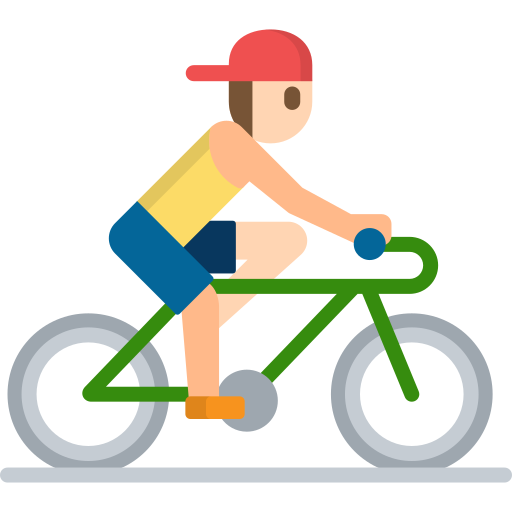
rower (m)
bike
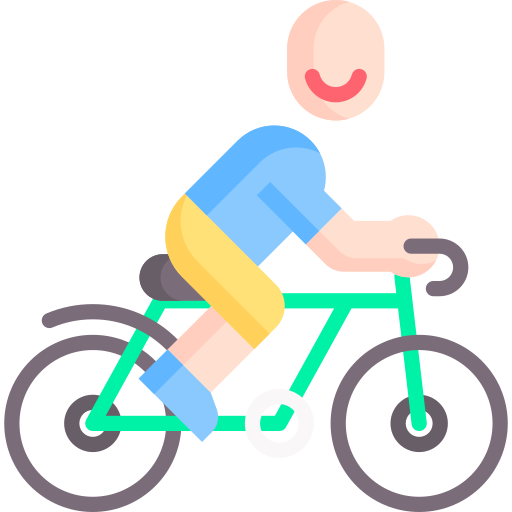
Jadę na rowerze.
I ride my bike.

kobieta (f)
woman
Ta kobieta jest piękna.

mężczyzna (m)
man
Ten mężczyzna jest miły.

Kobieta i mężczyzna idą.
A woman and a man walk.
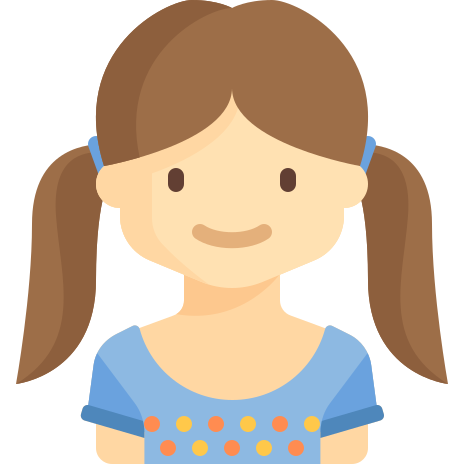
dziewczynka (f)
girl

Ta dziewczynka jest wesoła.
This girl is cheerful.

miłość (f)
love
To jest wielka miłość.

dziecko (n)
baby
To dziecko jest wesołe.
This child is cheerful.

morze (n)
sea
Morze jest niebieskie.
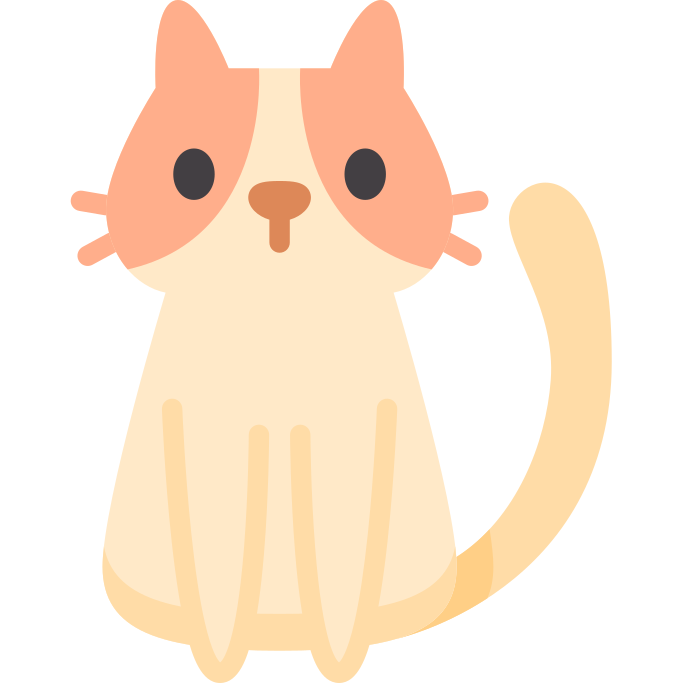
kocię (n)
kitten
To kocię jest urocze.

muzeum (n)
museum
Wy idziecie do muzeum.
You go to the museum.
*Important verb - TO BE - singular*
It is now time for the most important verb.
*To be* is one of the irregular verbs - the infinitive "być" differs from the reflexive forms.
Let's start with the singular form:
"ja jestem" - I am
"ty jesteś" - you are
"ona/on/ono jest" - he/she/it is
*I* or *you* are usually omitted from the sentence. The verb form is specific to these personal pronouns.
We write first and third person personal pronouns in lower case.
Tip! When addressing someone in an email or text message, write the second person personal pronoun with a capital letter - "Ty" (you in singular), "Wy" (you in plural). This is written to show respect or politeness. In ordinary texts or informal speech it may be written in lower case.

szczęśliwy
happy (m)
Bardzo szczęśliwy.

szczęśliwa
happy (f)
Ona jest szczęśliwa.

szczęśliwe
happy (n)
To dziecko jest szczęśliwe.

Jestem szczęśliwy.
I am happy.

Kto to jest?
Who is it?
Kto jest na tym zdjęciu?
Gdzie jesteś?
Where are you?

Jestem tutaj.
I'm here.
Jestem tutaj już długo.

szef (m)
boss
Mój szef jest miły.

To jest mój szef.
This is my boss.

żona (f)
wife
Ona jest moją żoną.

Czy ona jest twoją żoną?
Is she your wife?

cudowny
wonderful (m)
Jesteś cudowny!

cudowna
wonderful (f)
Jesteś cudowna!

cudowne
wonderful (n)
To jest cudowne.

On jest cudowny.
He is amazing.
*Important verb - TO BE - plural*
As in English, you can use *'to be'* to introduce yourself, describe your condition and formulate questions.
"my jesteśmy" - we are
"wy jesteście "- you are
"oni/one/one są" - they are
You can say *we are* and *you are* in a sentence without using a pronoun, because *the verb itself shows the person.* In Polish, pronouns are usually omitted. But in the third person, *we always use a pronoun*, since the verb form is the same.
"Jesteśmy tutaj" - We are here.
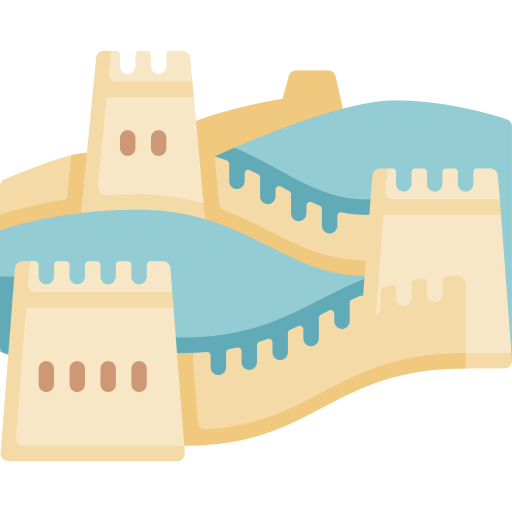
wielki
great (m)
Ten dom jest wielki.

wielka
great (f)
Dziękuję, jesteś wielka!

wielkie
great (f)
To jest wielkie drzewo.

Jesteśmy z Wielkiej Brytanii.
We are from the UK.
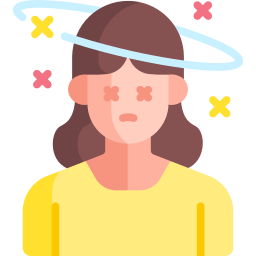
zmęczona
tired (f)
Jestem zmęczona.
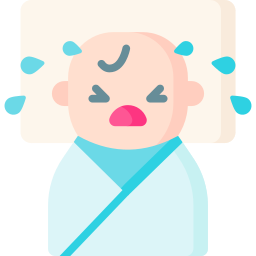
zmęczone
tired (n)
Dziecko płacze, bo jest zmęczone.
zmęczony
tired (m)
Jestem zmęczony.

trochę
little
Poproszę tylko trochę.
Jesteśmy trochę zmęczeni.
We are a bit tired.

razem
together
Płacimy razem czy osobno?

Czy jesteście razem?
Are you together?

ulubiony
favourite (m)
Jaki jest twój ulubiony film?
ulubiona
favourite (f)
Moja ulubiona książka to "Harry Potter".

ulubione
favourite (n)
Moje ulubione danie to pizza.
kwiat (m)
flower
Mój ulubione kwiaty to tulipany.
To są moje ulubione kwiaty.
These are my favourite flowers.
*What is a digraph?*
A digraph is two letters that together form a different sound. There are seven digraphs in the Polish language: *ch*, *cz*, *dz*, *dż*, *dź*, *rz*, *sz*. We will introduce the first three!
*ch* - It sounds exactly like *h*. There are two types of *h* in Polish and they sound the same. There are a few rules to learn - for example: we usually use "ch" at the end of words and before consonants. Examples: "hałas", "chyba" (exception), "chłodny".
*cz* - as in "czekolada".
*dz* - Listen carefully to the examples: "dzwonek", "jedzenie".
Let's practice!

chłodny
cool (m)
chłodny wiatr
chłodna
cool (f)
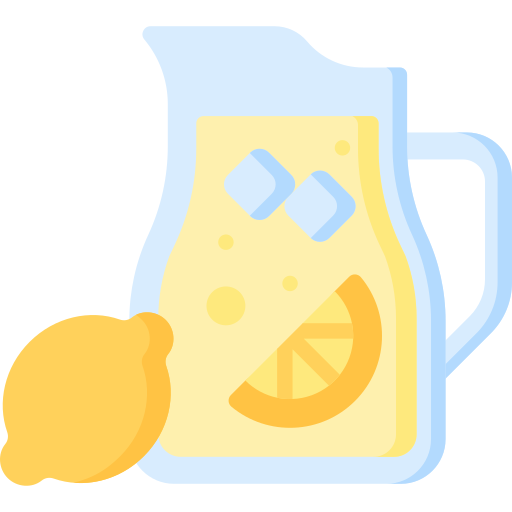
chłodna lemoniada

chłodne
cool (n)
To lato było bardzo chłodne.
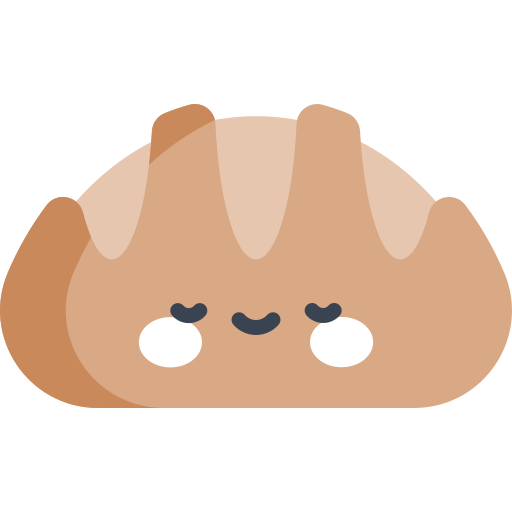
chleb (m)
bread
On kupuje chleb.
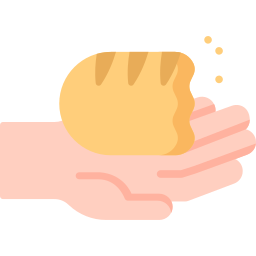
Wy jecie chleb.
You eat bread.

chyba
maybe

hałas (m)
noise
Obudził mnie hałas.

dzwonek (m)
bell

czemu
why
Czemu to zrobiłeś?
Why did you do it?

czas (m)
time

Masz trochę czasu?
Do you have some time?
czekolada (f)
chocolate
On lubi czekoladę.
He likes chocolate.

jedzenie (n)
food
Muszę kupić coś do jedzenia.

dziwny
strange (m)
To jest naprawdę dziwny pomysł.

dziwna
strange
To była dziwna sytuacja.

dziwne
strange (n)
To było dziwne doświadczenie.

To jest dziwne.
This is strange.
*Polish digraphs part II.*
Congratulations on mastering the first three Polish digraphs. Let's take a look at the other four:
*dż* - sounds like the English letter *j* in "jeans". Examples: "Dżinsy", "dżem".
*dź* - there is no similar sound to this in English, so let's listen: "wiedźmin", "dźwięk".
*rz* - Here we have a similar situation as with *ch* and *h* - we have *rz* and *ż* which sound the same. One rule is that we always use *rz* before the consonants p, b, d, t, j, w, ch, g, k for example: "drzemka". We use *ż* after the consonants l, r, ł and n -"inżynier".
There are other rules for *ch* / *h* and *rz* / *ż*, but these are more advanced. We will explain them later in upcoming courses.
*sz* - sounds like *sh* in English. Examples: "szampon", "szybko", "szef".
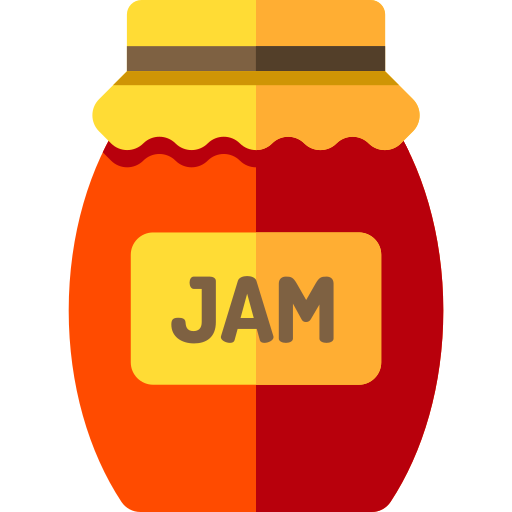
dżem (m)
jam
Mam ochotę na naleśniki z dżemem.
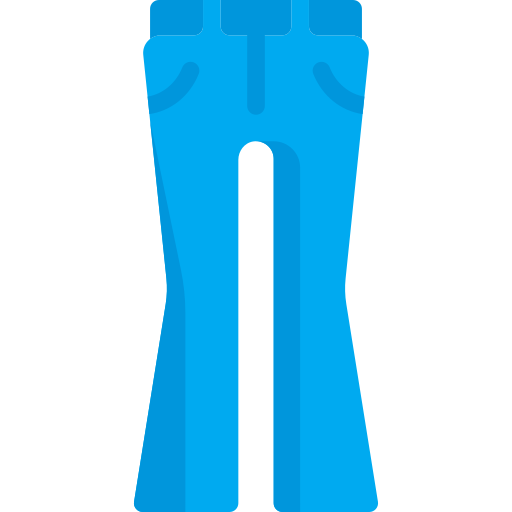
dżinsy
jeans trousers
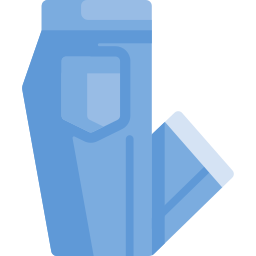
Lubię nosić dżinsy.
I like to wear jeans.

wiedźmin (m)
witcher
Wiesz kiedy wyjdzie nowy Wiedźmin?

dźwięk (m)
sound
Co to za dźwięk?

dużo
a lot
On je dużo słodyczy.

inżynier (m)
engineer
Janek jest inżynierem budowy.
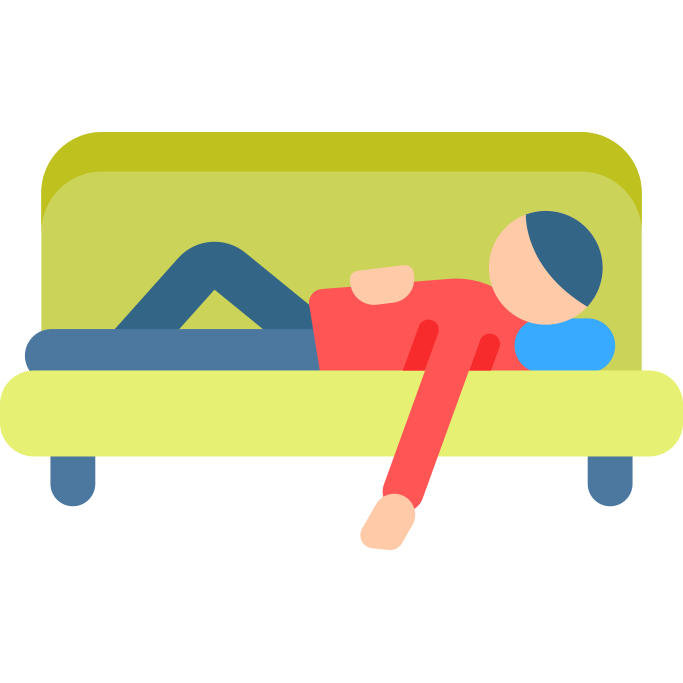
drzemka (f)
nap
Chyba zrobię sobie drzemkę.
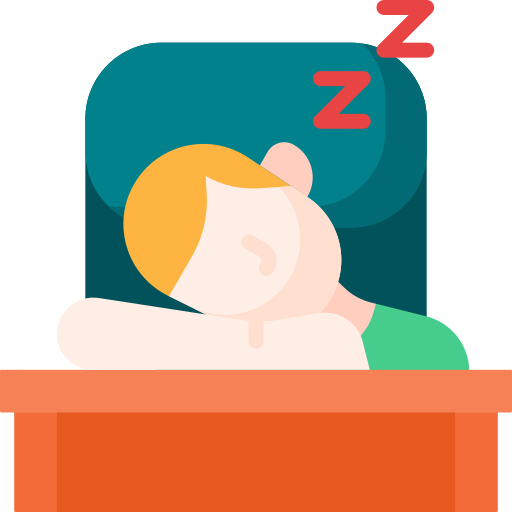
Po pracy lubię się zdrzemnąć.
After work, I like to take a nap.

rzeka (f)
river
Wisła jest rzeką.
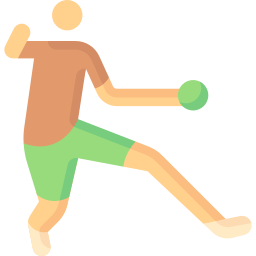
On rzuca piłkę koledze.
He throws the ball to a colleague.
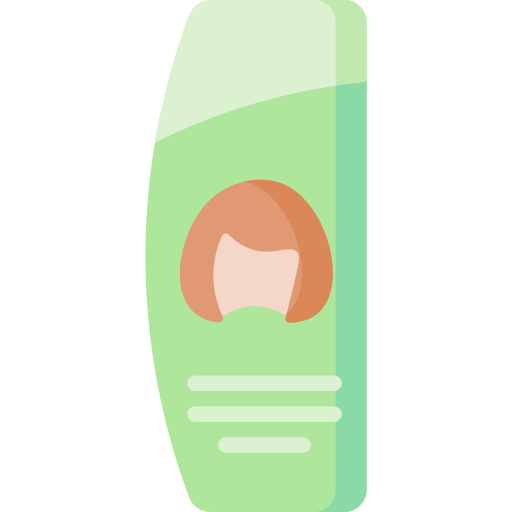
szampon (m)
shampoo
Kupiłam szampon.
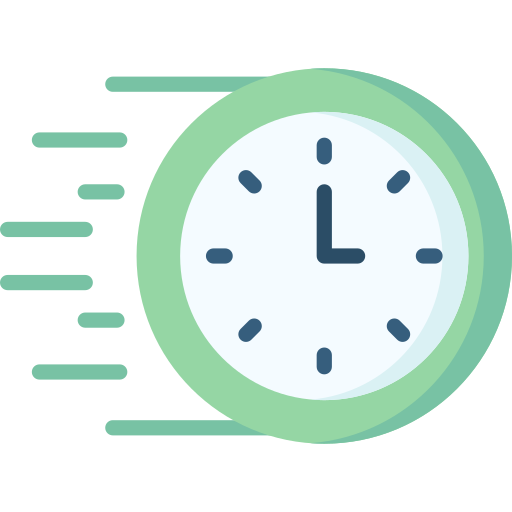
szybko
fast
Ona mówi szybko.
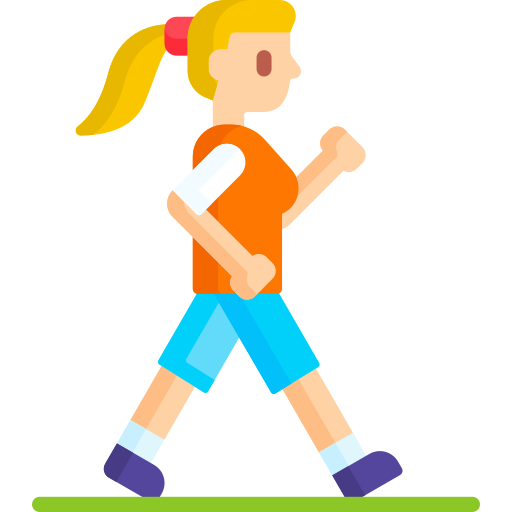
Ona już poszła do domu.
She has already gone home.
* Verb TO HAVE in singular *
To have "mieć" is another example of irregular verbs - you can certainly see the difference between the infinitive and other forms.
First the singular form:
"ja mam" - I have
"ty masz" - you have
"ona/on/ono ma" - he/she/it has

skuter (m)
a scooter
On jedzie skuterem.
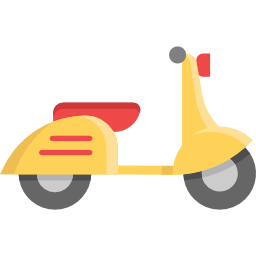
Mam skuter.
I have a scooter.
podręcznik (m)
a schoolbook

Ty masz podręcznik.
You have the schoolbook.
mała
little (f)
Ona ma małą zabawkę.
mały
little (m)
To jest mały kot.

małe
little (n)
Mam małe zwierzątko.

On ma małego psa.
He has a small dog.
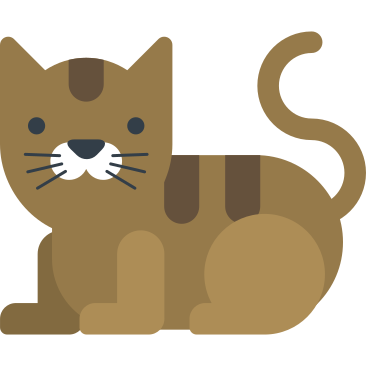
kot (m)
a cat
Ona ma kota.

Ona ma kota.
She has a cat.

zabawka (f)
a toy
Ono ma zabawkę.
It has a toy.
*Uses of the verb HAVE*
1. You use "mieć" as a verb to describe possession.
2. "Mieć" is also used to describe age. In Polish you would say that you 'have' years.
3. You will also use "mieć" to say what is your name- In Polish you will say 'Mam na imię John'.
4. You can use "mieć" to ask how someone is - "Jak się masz?"
There is also a very interesting example of using "mieć". This is not completely grammatically correct in Polish. It's the same construction as the English 'have to', but it doesn't quite make sense in Polish, however it is used in everyday language.
"Teraz nie mogę, mam ugotować obiad."
- I can't now, I have to make dinner.
"Mam to zrobić teraz?" Do I have to do it now?
This is also an example of the use of the imperative mode:
"Macie natychmiast odrobić lekcje." - Do your homework immediately!

Mam książkę.
I have a book.

Masz na imię Marek.
Your name is Marek.

On ma dziesięć lat.
He is ten years old.
Ona ma trzydzieści pięć lat.
auto (n)
car
Chcę kupić nowe auto.
Ona ma auto.
She has a car.

Oni mają do coś do zrobienia.
They have something to do.

Mam na imię Agnieszka.
My name is Agnieszka.
Ile masz lat?
How old are you?
Ile lat ma twoja siostra?

pomysł (m)
idea
Masz jakiś pomysł co z tym zrobić?
Mam pomysł!
I have an idea!
Masz natychmiast stąd wyjść!
You have to get out of here immediately!

Jak się macie?
How are you doing?
* Have - Plural verb to have *
Time for the plural form of the verb to have.
"my mamy" - we have
"wy macie" - you have (plural)
"oni/one mają" - they have (m/f)

dom
house
To jest mój dom.

duży
big (m)
duży samochód

duża
large (f)
To jest duża książka.

duże
large (n)
Słońce jest duże.

Mamy duży dom.
We have a big house.
ogród (m)
garden
Mój ogród jest nieduży.
ładny
pretty (m)
To jest ładny obraz.

ładna
pretty (f)
Ona jest bardzo ładna.

ładne
pretty (n)
To jest ładne mieszkanie.

Macie ładny ogród.
You have a nice garden.
Oni mają kota.
They have a cat.

chomik (m)
hamster
One mają chomika.
They have a hamster.
Jak one się mają?
How are they doing?
*Asking questions in Polish*
Questions are formed by adding special question words at the beginning of an affirmative sentence.
Below are the most important question words.
"Co"? - what/which?
"Gdzie"? - where?
"Kiedy"? - when?
gdzie?
where?
Gdzie idziesz?
Gdzie jest moja książka?
Where is my book?
Nie wiem, gdzie jest twoja książka.
Gdzie jesteś?
Where are you?

lubić
like
Lubię Cię.

co?
What?
Co to jest?
Co lubisz robić?
What do you like to do?

praca (f)
job
Lubię moją pracę.

Co robisz w swojej pracy?
What are you doing at your work?
przyjść
to come
Zaraz przyjdę.
kiedy?
when?
Kiedy masz urodziny?
Kiedy przyjdziesz?
When are you coming?
Kiedy to się stało?
When did this happen?
*Form of courtesy*
You should always use the form of politeness with strangers, people older than you, at work with people higher up the hierarchy. You can only use the informal form 'you' with people you know and with people you work or study with.
"Pani" - Ms. In Polish there is no distinction between Miss and Mrs - You should always use *Pani* when addressing a woman.
"Pan" - Pan
"Państwo" - *You* in a polite way.
"Państwo" also means a *country*. The names of countries are written with a capital letter. Most countries have the feminine form, a few have the plural form. There are of course some exceptions, e.g. Kazakhstan (m) etc.

pani (f)
misses
To jest Pani Kowalska.

pan (m)
mister
To jest Pan Nowak.
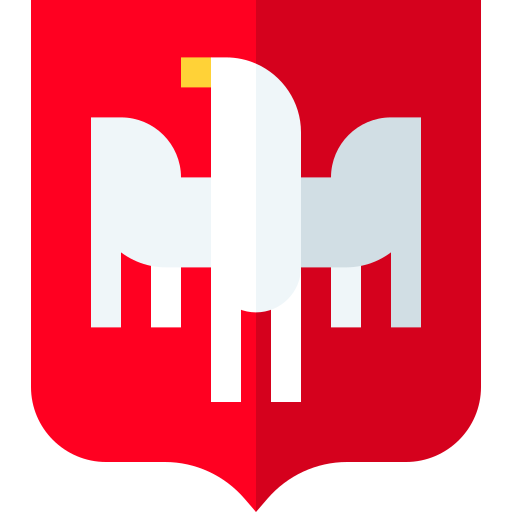
Polska (f)
Poland
Polska jest piękna.
Poland is beautiful.
Niemcy (pl.)
Germany
Niemcy graniczą z Polską.

Anglia (f)
England
Oni chcą pojechać do Anglii.
They want to go to England.

Francja (f)
France

Moja siostra mieszka we Francji.
My sister lives in France.
Hiszpania (f)
Spain

Oni są z Hiszpanii.
They are from Spain.

Ukraina (f)
Ukraine
Jestem z Ukrainy.
I am from Ukraine.
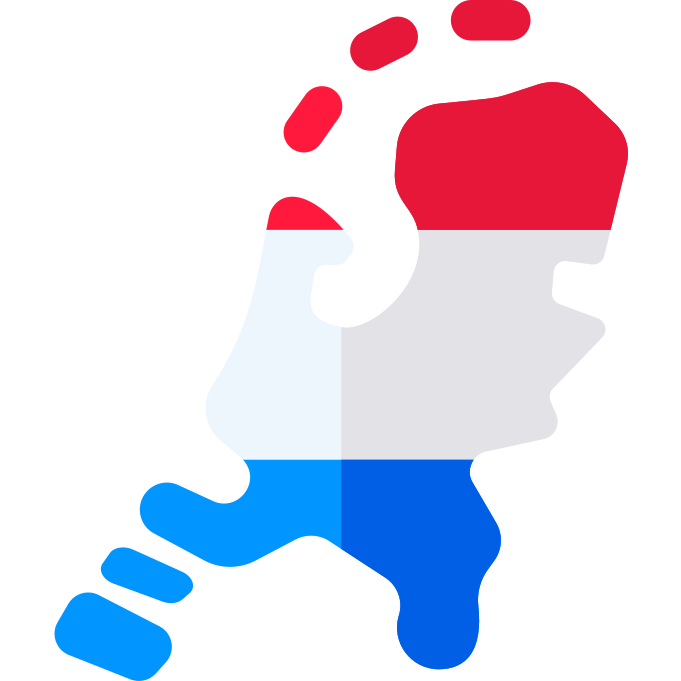
Holandia (f)
Netherlands
Moja siostra mieszka w Holandii.
*Family members*
There is also a polite way to address family members. You can say *you* to your siblings, cousins, brothers-in-law, etc. - to all family members who are your age.
If you are addressing your parents, grandparents, aunts and uncles - older generations, you also use the second person, but you should add "Mamo", "Tato", "Babciu", etc.
This works in the same way as the polite form in English - *Sir, can I ask you something* - you use the second person form, but adding the title makes it more polite.
In Poland it is very important to address elderly family members with respect.
mama (f)
mum
To jest moja mama.
Moja mama jest bardzo miła.
My mom is very nice.

tata (m)
dad
To jest twój tata.

Mój tata jest zabawny.
My dad is funny.
babcia (f)
grandma
Idę do babci na obiad.

Moja babcia ma na imię Elżbieta.
My grandmas name is Elżbieta.
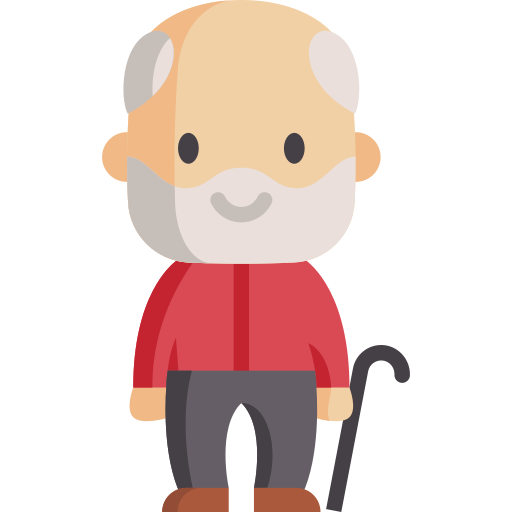
dziadek (m)
grandfather
Dzień dobry dziadku.

córka (f)
daughter
To jest jego córka.

syn (m)
son

To jest mój syn.
This is my son.
To jest mój syn Mateusz.
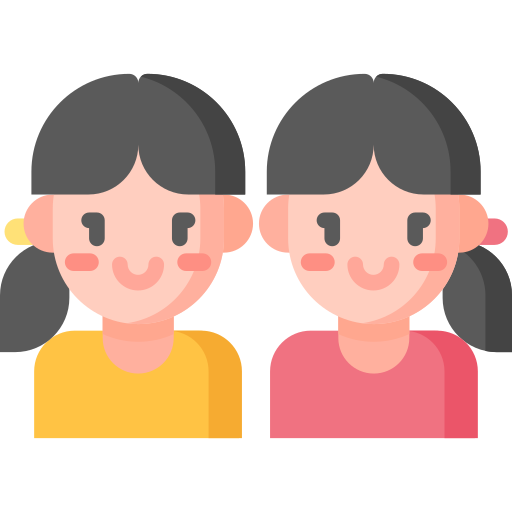
siostra (f)
sister
On ma jedną siostrę.

Moja siostra jest wesoła.
Moja siostra jest wesoła.

brat (m)
brother
Mój brat ma na imię Janek.
*Palatalization in the Polish language*
Palatalization refers to the softenings in the Polish language. You already know a few examples, like *ś*, *ć*, etc. Those letters have pairs, which sound exactly the same, and of course, there are a few rules when to use one or the other... (laughs in Polish).
Let’s see the pairs – a palatalization through the acute accent - *ć*,*ś* etc. and through *i*.
*Ć – ci Dź – dzi Ń – ni Ś – si Ź – zi*
*Rules:*
We use palatalization through the acute accent:
1- before the consonants: "ćma", "śmieć", "źródło"
2- at the end of the word: "miś", "słoń", "odpowiedź"
We use palatalization through *i*:
3- before the vowels: "cicho", "dział", "niebo", "siatkówka", "zimno"
Be proud of yourself because you are learning one of the most difficult languages in the world. DON’T GIVE UP! Polish people are eager to help with learning Polish – so don’t hesitate to ask for help ☺
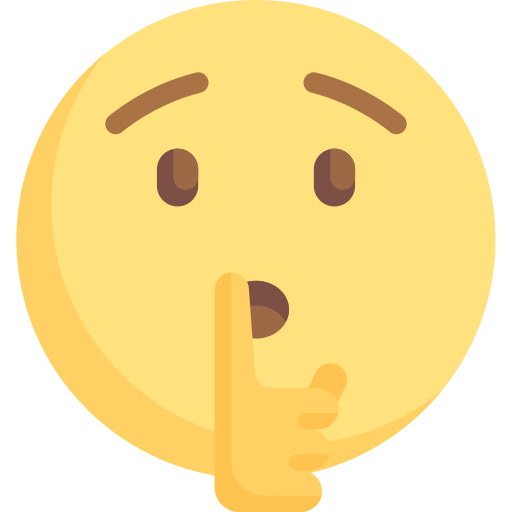
cicho
quiet
Tutaj jest cicho.

dział (m)
department
Dział marketingu.

niebo (n)
sky
Gwieździste niebo.

On niesie zakupy.
He carries shopping.

śnieg (m)
snow
Lubię śnieg.

siatkówka (f)
volleyball
mecz siatkówki
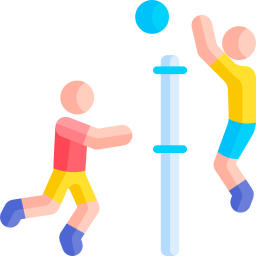
Gramy w siatkówkę.
We are playing volleyball.
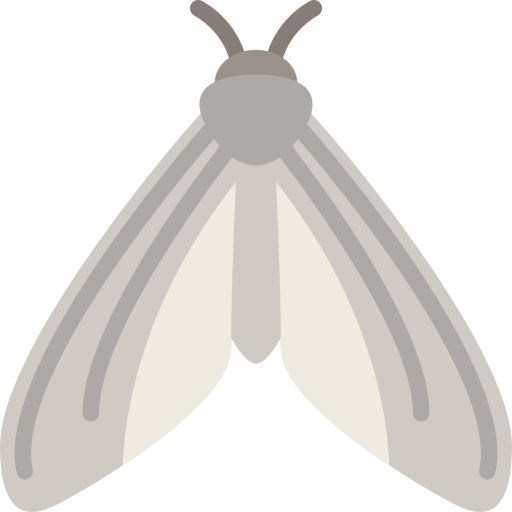
ćma (f)
moth
Ćma jest owadem.
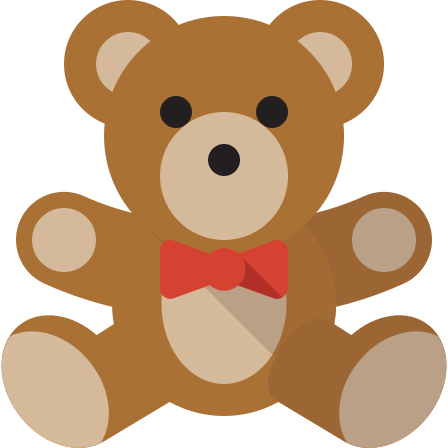
miś (m)
teddy bear
To jest mój miś.

śmieci
trash
Idę wynieść śmieci?

Proszę, wynieś śmieci.
Please take out the rubbish.

słoń (m)
elephant
Słoń jest duży.

odpowiedź (f)
reply
To jest dobra odpowiedź.

Czy mógłbyś odpowiedzieć?
Could you please respond?