
Kí ni ó bẹ̀rẹ̀ tí ó sì ń tẹ̀ síwájú lọ́wọ́lọ́wọ́?Àwọn ọ̀rọ̀ èdè Gẹ̀ẹ́sì
by DuoCards
*Àkójọpọ̀ Àtijọ́*
Ẹ kú àbọ̀ sí ẹ̀kọ́ náà níbi tí a ó ti sọ̀rọ̀ nípa àwọn nǹkan tí ó bẹ̀rẹ̀ nígbà àtijọ́ àti àwọn tí ó ń tẹ̀síwájú ní àkókò yìí! Gẹ́gẹ́ bí ìgbóná ara, a ó ṣe àgbéyẹ̀wò *àwọn ọ̀rọ̀-ìṣe aláìdọ́gba* tí o lè ti mọ̀ tẹ́lẹ̀. Wọ́n sábà máa ń hàn nínú *àkójọ àwọn ọ̀nà mẹ́ta: àìlópin, ìlọ́po méjì àti ìlọ́po méjì.*
Ẹ jẹ́ ká wo àwọn àpẹẹrẹ wọ̀nyí:
"to see""saw"-- "seen"
"to meet""met"-- "met"
"to say"- "said"- "said"

to meet
pàdé
I have met him before.

I have met...
Mo ti pàdé...
I have met this guy before.

We have met before.
A ti pade ri.
I thought I recognized you; we have met before at the conference.
before
ṣáájú
I always brush my teeth before going to bed.

They have not met before.
Wọn kò ì tíì pàdé rí.

the influence
ipa náà
Don't let him influence you!

Travel has influenced my life.
Irin-ajo ti ni ipa lori igbesi aye mi.

I have said...
Mo ti sọ...
I have said a few words.

I have said this many times before.
Mo ti sọ èyí ní ọ̀pọ̀ ìgbà ṣáájú.

I have seen
Mo ti rí
I have seen him before.

I have seen him before.
Mo ti rí i rí.

She has not seen him before.
Ko tii ri i ri.
*Ṣé o ti rí Memo lónìí?*
A ṣe àgbékalẹ̀ pípé ìsinsìnyí láti inú *àkókò ìsinsìnyí ti ọ̀rọ̀-ìṣe "HAVE"àti* ìpín-ẹ̀ka ti ọ̀rọ̀-ìṣe kan *.
* A lo pipe bayi: *
1. Fún ohun kan tí* ó bẹ̀rẹ̀ ní ìgbà àtijọ́ tí ó sì ń bá a lọ ní ìsinsìnyí *:
"She has lived in Liverpool all her life."
2. 2 nígbà tí a bá ń sọ̀rọ̀ nípa* ìrírí wa títí di òní *:
"I have seen that movie before."
3. Fún ohun kan tí* ó ṣẹlẹ̀ nígbà àtijọ́ ṣùgbọ́n tí ó ṣe pàtàkì ní àkókò yìí*:
"I can't get in the house. I have lost my keys."
Àwọn ọ̀rọ̀-ìṣe àìdọ́gba tí ìwọ yóò kọ́ ní abala yìí:
"to know""knew"-- "known"
"to lose"- "lost"- "lost"

Have you seen him?
Ṣé o ti rí i?

he has seen
ó ti rí
He has seen the movie.

He has seen many things.
Ó ti rí ọ̀pọ̀ nǹkan.

I have lived
Mo ti gbé
I have lived in Paris my whole life.

I have lived here all my life.
Ní gbogbo ayé mi ni mo ti ń gbé níbí.
to lose
pàdánù
I've lost the game.

we have lost
a ti pàdánù
We have lost the keys.

the appetite
ìfẹ́kúfẹ̀ẹ́ oúnjẹ
I have lost my appetite.
my whole life
gbogbo ìgbé ayé mi
My whole life I've been trying to deal with it.

I've known him my whole life.
Mo ti mọ ọ́n láti ìgbà tí mo ti wà láyé.
*Iṣoro pipe lọwọlọwọ fun awọn ibeere*
Nigbati o ba n beere ibeere kan ni akoko pipe ti o wa lọwọlọwọ, *ọrọ-ọrọ oluranlọwọ wa ni akọkọ* , atẹle nipasẹ koko-ọrọ, ati lẹhinna apakan ti o kọja ti ọrọ-ìse akọkọ.
"Have you eaten dinner yet?"
"Has the party started?"
O tun le ṣe awọn ibeere ṣiṣi pẹlu pipe lọwọlọwọ:
"Where have you been?"
Awọn ọrọ-ìse alaibamu ti iwọ yoo kọ ni abala yii:
"to hear""heard"-- "heard"
"to do"-- "did""done"

Has it started?
Ṣé ó ti bẹ̀rẹ̀?
Has the movie started?

Have we met?
Ṣé a ti pàdé rí?
Have we met before?

to hear
láti gbọ́
Can you hear me well?

Have you heard of it?
Ṣé ẹ ti gbọ́ nípa rẹ̀?
Have you heard of it before?
to fail a class
ìkùnà nínú ẹ̀kọ́
How many times have you failed a class?

Have you visited France?
Ṣé o ti lọ sí ilẹ̀ Faransé rí?

foreign countries
àwọn orílẹ̀-èdè òkèèrè
What foreign countries have you visited?

What have you done?
Kí lo ṣe?
What have you done to me?
*Iṣoro pipe lọwọlọwọ fun awọn odi*
Lati lo akoko pipe ti o wa lọwọlọwọ ni odi, ṣafikun ọrọ odi nirọrun (bii kii ṣe tabi rara) *lẹhin ọrọ-ọrọ iranlọwọ ṣugbọn ṣaaju apakan ti o kọja.*
"I have not slept well since exams started."
Awọn ọrọ-ìse alaibamu ti iwọ yoo kọ ni abala yii:
"to sleep""slept"-- "slept"
"to speak"-- "spoke""spoken"

to sleep well
sun dáadáa
I have not slept well since exams started.

I have not slept all night.
Mi ò sùn ní gbogbo òru.

He has never seen it.
Kò tíì rí i rí.
My friend has never seen the ocean.

I haven't seen him today.
Nko ri i loni.

to speak
láti sọ̀rọ̀
He hasn't spoken to me yet.

She has spoken to the teacher about the problem.
Ó ti bá olùkọ́ náà sọ̀rọ̀ nípa ìṣòro náà.

I have not done it.
Mi ò tíì ṣe é.
I have not done it because I was busy with other things.
to reply
dáhùn
She has not replied to my message yet.

We have never been there.
A ò tíì lọ síbẹ̀ rí.
We have never been to Australia.
to reach
dédé
The jury has not reached a verdict yet.

to receive an update
lati gba imudojuiwọn
We haven’t received any updates on our project.
*Lailai!*
Nigbagbogbo a lo adverb "ever"lati sọrọ nipa *iriri titi di isisiyi* :
"It was the worst day I have ever had."
ati pe a lo "never"fun *fọọmu odi* :
"I have never met his wife."
I have never seen you before.
Mi ò tíì rí ẹ rí tẹ́lẹ̀.
Have you ever heard of it?
Ṣé ẹ ti gbọ́ nípa rẹ̀ rí?

a song
orin kan
I love this song!

I have heard that song before.
Mo ti gbọ orin yẹn rí.

Have you been here before?
Ṣé o ti wà níhìn-ín rí?

You have never been here before.
O ò tíì wá síbí rí.

to say
láti sọ
What did he say about the party?
We have never said that.
A ò tíì sọ bẹ́ẹ̀ rí.

never ever
kò ní ṣẹlẹ̀ mọ́ láéláé
I promise to never ever do it again.
*"Have been and have gone"*
A máa ń lò ó "have/has been"tí ẹnìkan *bá ti lọ sí ibì kan tí ó sì padà* :
A: "Where have you been?"
B: "I have just been out to the supermarket."
Ṣùgbọ́n tí ẹnìkan kò bá *tí ì padà wá* , a máa ń lò ó "have/has gone":
A: "Where's Maria? I haven't seen her for weeks."
B: "She's gone to Paris for a week. She'll be back tomorrow."
*Àkíyèsí:*
"I have"= "I've"
"She has"= "she's"
Àkókò àtijọ́ àtijọ́ ti àwọn ọ̀rọ̀-ìṣe "to be"àti "to go":
"to be"- "was"/ "were"- "been"
"to go"- "went"- "gone"

Where have you been?
Nibo lo ti wa?

I've been...
Mo ti wa...
I've been to Germany before.

I've been to the grocery.
Mo ti lọ sí ilé ìtajà.
I’ve been to the grocery, and I bought some fresh fruits.

I've been here before.
Mo ti wa níbí rí.
As I entered the museum, I remembered, "I've been here before."
she has been
ó ti wà
She has been to Germany before.

Has she been to Australia before?
Ó ti lọ sí Ọsirélíà rí bí?

he has gone
ó ti lọ
He has gone to work.

He has gone to school.
Ó ti lọ sí ilé-ìwé.

They've gone too far.
Wọ́n ti ré ààlà.
*"Already"tàbí "yet"?*
"Already"a lo pẹlu *ọna* pipe ti isiyi ṣaaju bayi *. A lo o lati tẹnumọ pe* ohun kan ti ṣẹlẹ ṣaaju nkan miiran *tabi ṣaaju ju ti a reti lọ.
"The train has left already!"
"Yet"a ń lò ó pẹ̀lú ọ̀nà pípé lọ́wọ́lọ́wọ́* *ní gbogbo ìgbà títí di ìsinsìnyí* . A ń lò ó láti tẹnu mọ́ ọn pé a ń retí pé ohun kan yóò ṣẹlẹ̀ láìpẹ́. Síbẹ̀ (nínú àyíká ọ̀rọ̀ yìí) a ń lò ó fún *àwọn gbólóhùn àti ìbéèrè odi nìkan.*
"I haven't finished it yet. I'll do it after dinner."
Àwọn ọ̀rọ̀-ìṣe àìdọ́gba tí ìwọ yóò kọ́ ní abala yìí:
"to leave""left"-- "left"
"to win""won"-- "won"
"to sell"- "sold"- "sold"

He has already left.
O ti lo tele.

He hasn't left yet.
Kò tíì lọ.

to win
borí
We haven't won yet.

They have won the game today.
Wọn ti gba eré náà lónìí.

We've met already.
A ti mọ ara wa tẹ́lẹ̀.

We haven't met yet.
A ò tíì pàdé rí.

Have you met Ted?
Ṣé o ti mọ Ted rí?

to sell
ta
Have you sold your car already?

to finish
láti parí
Have you finished your homework yet?
I've already been here.
Mo ti wà níhìn-ín ṣáájú.
I’ve already been here, so I know the way to the park.

We have sold our old car.
A ti ta ọkọ ayọkẹlẹ wa ti ó ti pẹ́.
*Ọjọ́ Ìsinsìnyí Pipe Tí Ó Ń Tẹ̀síwájú*
A ṣe àgbékalẹ̀ pípé tí ó wà ní ìsinsìnyí pẹ̀lú "have/has been""-ing"ìrísí ọ̀rọ̀-ìṣe náà.
A sábà máa ń lo àkókò yìí láti tẹnu mọ́ pé *ohun kan ṣì ń tẹ̀síwájú nínú àkókò yìí* :
"It's been raining for hours."
"I've been working all day."
Àkíyèsí:
"it has"= "it's"
"I have"= "I've"

I've been studying for hours.
Mo ti n ka iwe fun opolopo wakati.
all day
ọjọ́ gbogbo
It's been raining all day.

My father has been working all day.
Baba mi ti n ṣiṣẹ jọjọ ni gbogbo ọjọ.

to talk
láti sọ̀rọ̀
Are you talking to me?

You've been talking too much.
O ti n soro ju.

lately
láìpẹ́ yìí
She hasn't been looking too well lately.

I haven't been feeling well lately.
Ara mi ò yá dáadáa láìpẹ́ yìí.

recently
láìpẹ́ yìí
She has recently started a new job.

She has been helping us recently.
Ó ti ń ràn wá lọ́wọ́ láìpẹ́ yìí.

Have you been seeing her?
Ṣé ẹ jọ ń bá ara yín sọ̀rọ̀ ni?

She has been seeing him for weeks now.
O ti n ba a pade fun awon ose bayi.
*Báwo ni a ṣe lè lo àkókò Present Perfect Continuous?*
A máa ń lo "Present Perfect Continuous tense"láti sọ̀rọ̀ nípa ìgbésẹ̀ tó bẹ̀rẹ̀ nígbà àtijọ́ tó sì dúró láìpẹ́ yìí. Àbájáde sábà máa ń wà báyìí.
"I'm tired because I've been running."
Àwọn ọ̀rọ̀-ìṣe àìdọ́gba tí ìwọ yóò kọ́ ní abala yìí:
"to understand""understood"-- "understood"
"to run""ran"-- "run"
"to think"- "thought"- "thought"

It's been raining.
Òjò ti ń rọ̀.

wet
tutu
My clothes are wet from water.

the grass
koriko
Dogs wallowed on the grass.

The grass is wet because it's been raining.
Koríko tutu nitori pé ó ti ń ròjò.
Have you been listening?
Ṣé o ti ń gbọ́?
Have you been listening to the lesson?

to understand
lati yé
You don't understand because you haven't been listening.

They have understood the rules of the game.
Wọn ti loye àwọn òfin eré náà.

a face
ojú
She has such a nice face.

to run
sáré
The dogs run across the road.

He has run three marathons in his life.
Ó ti sáré máratónì mẹ́ta nínú ayé rẹ̀.
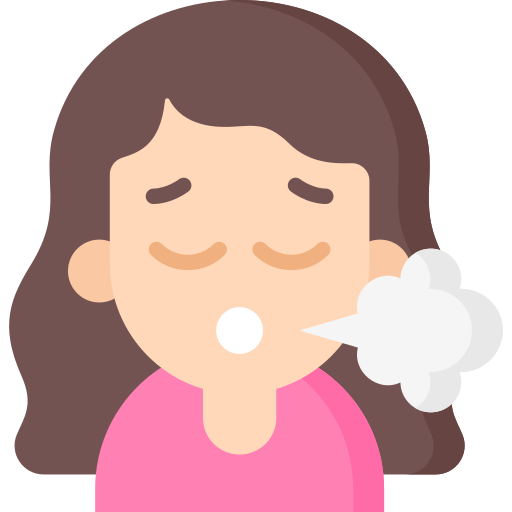
Her face is red because she's been running.
Ojú rẹ̀ pupa nítorí pé ó ti ń sáré.

to think
ronú
I have thought about this recently.

I've been thinking about you.
Mo ti n ronu nipa re.
I've been thinking about you since our last conversation.
*"For"àti"since"*
A maa n lo FOR ati SINCE pelu awon akoko pipe:
A lo lati sọrọ nipa akoko kan:
"for three hours"
"for two months"
A lo lati igba naa lati soro nipa aaye kan ni akoko ti o ti kọja:
"since yesterday"
"since 9 o'clock"
I have been studying for three hours.
Mo ti n ka iwe fun wakati meta.

since March
láti oṣù kẹta
I've been seeing him since March.

She has been visiting us since March.
Ó ti ń bẹ̀ wá wò láti oṣù Kẹta.

since then
láti ìgbà náà wá
I moved to a new city last year, and since then, I have made many new friends.

I have been watching TV since 7pm.
Mo ti n wo tẹlifisiọnu lati aago meje alẹ.

for a long time
fún àkókò pípẹ́
She's been living in New York for a long time now.

He has been playing football for a long time.
Ó ti pẹ́ tí ó ti ń bọ́ọ̀lù.

since I left school
lati igba ti mo ti fi ile-iwe sile
I have been unemployed since I left school.

I've been living in Berlin since I left school.
Mo ti n gbe ni Berlin lati igba ti mo ti pari ile-iwe.

since yesterday
láti àná
I have been tired since yesterday.

It's been raining since yesterday.
Ojo ti n ro lati ana.
*Ṣe lọwọlọwọ pipe rọrun tabi tẹsiwaju?*
A nlo mejeeji *lọwọlọwọ pipe rọrun ("have" tabi "has" + ti o ti kọja participle)* ati "lọwọlọwọ pipe tẹsiwaju" ("have" tabi "has" + "been" + "-ing" fọọmu)* lati sọrọ nipa awọn iṣe ti o ti kọja tabi awọn ipinle ti o tun wa *so mọ lọwọlọwọ.*
Lọwọlọwọ pipe rọrun maa n fojusi lori abajade ti iṣẹ naa.
"You've cleaned the bathroom! It looks lovely!"
Lọwọlọwọ pipe tẹsiwaju maa n fojusi lori iṣẹ naa funra rẹ.
"I've been gardening. It's so nice out there."
Awọn ẹṣọ alailẹgbẹ ti iwọ yoo kọ ẹkọ ni apakan yii:
"to write" - "wrote" - "written"
"to read" - "read" - "read"
"to have" - "had" - "had"
"to grow" - "grew" - "grown"

I've been writing e-mails.
Mo ti n kọ àwọn imeeli.
I've been writing emails the whole day.

to write an email
kọ imeeli
I've written you an email.

I have written my homework, so now I can play outside.
Mo ti kọ iṣẹ-amurele mi, nítorí náà mo ti lè lọ ṣeré ní òde báyìí.

Has it been raining?
Ǹjẹ́ ó ti ń rọ̀ lẹ́ẹ̀kàn bí?
The grass looks wet. Has it been raining?

to read a book
kíka ìwé
She's read ten books this summer.

lovely
dídùn
The children have cleaned the kitchen. It looks lovely!

I have had
Mo ti ní
I have had a great time at the party.

We have had this car for five years.
A ti ní ọkọ̀ yìí fún ọdún márùn-ún.
I've had three coffees already today!
Mo ti mu kọfí mẹ́ta tẹ́lẹ̀ lónìí!

to grow
dàgbà
My cousin has grown so much since I saw her two years ago.

you have grown
o ti dagba
You have grown so much since I last saw you!

You have grown so much since I last saw you!
O ti dagba pupọ láti ìgbà tí mo ti kẹ́yìn rí ọ!

I've been waiting for you.
Mo ti n duro de o.
They've been waiting for hours.
*Nígbà tí a kò gbọdọ̀ lo àkókò pípé ti ìsinsìnyí*
Má ṣe lo àkókò pípé yìí pẹ̀lú àkókò pàtó kan. Ṣùgbọ́n èyí lè dàrú, nítorí pé *o lè lo àkókò pípé yìí pẹ̀lú àkókò gígùn kan.*
Àkókò pípé ìsinsìnyí *kò tọ́ bí a bá lò ó pẹ̀lú àkókò pàtó kan.* Lílo àkókò pípé ìsinsìnyí pẹ̀lú àkókò gbogbogbò jẹ́ ohun tí a gbà ní pípé.
"I went for a walk on Tuesday."
"I have gone for a walk every Tuesday this year."

when I was a child
nígbà tí mo wà ní ọmọdé
I visited my grandparents a lot when I was a child.

one year ago
ọdun kan sẹyin
We met one year ago.

many times
ọ̀pọ̀ ìgbà
I have seen the movie many times.
for hours
fún ọ̀pọ̀ wákàtí
They've been waiting for hours.

several times
léraléra
We have been there several times.

when I lived in France
nígbà tí mo ń gbé ní ilẹ̀ Faransé
I learned French when I lived in France.

at that moment
ní àkókò yẹn
At that moment I was sure about it.