Finnish champion 1 pc.1
Interactive flashcards for learning vocabulary

Save words from this page and practise them with flashcards in DuoCards. How does it work?
Hei is an informal greeting that is used in informal situations, for example among friends or colleagues.

The word ja means and. It is used to connect two or more objects or ideas in one sentence. There is also another word to connect, sekä which also means and, also.
Both ja and sekä can be used to link two or more objects or ideas in the same sentence. However, there is a slight difference in their usage.
The word ja simply links two or more objects or ideas, indicating that they are parts of the same list. For example:
Minulla on auto ja talo. - I have a car and a house.
The word sekä, on the other hand, adds another object or idea to the first object or idea, indicating that they are both important or meaningful in a given context. For example:
Minulla on koira, kissa sekä kani. - I have a dog, a cat and a rabbit.
Note that in Finnish, when the word sekä is used, the first object or idea must agree with the following object or idea in gender, number and case.



Tässä means here in the sense of the presence or mention of something in a text or conversation. For example:
Tässä on kirja - the book I was talking about,
Tässä on minun ajokorttini - Here are my rights (here).
This word indicates an object that is near the speaker or mentioned in the text.
Tässä is used for something that is close enough for you to touch it.
Se on tässä. - It's here.
Onko tässä vessa? - Is this the toilet? (Is the toilet here?)
Istuuko tässä kukaan? - Is anyone sitting here?

Täällä means here in the sense of being in a place. For example:
Minä olen täällä - I am here
Kirja on täällä - The book is here.
This word indicates the location of something or someone.

It is an irregular verb, that is, its conjugation does not follow the standard rules, but must be memorized separately. Below are the forms of the verb olla in the various tenses:
Past tense: olin, olit, oli, olimme, olitte, olivat.
Present tense: olen, olet, on, olemme, olette, ovat.
Future tense: tulen olemaan, tulet olemaan, tulee olemaan, tulemme olemaan, tulette olemaan, tulevat olemaan.
The verb olla can be used not only to indicate existence and state, but also to form tenses and to express different shades of meaning. For example, the verb olla can be used to express the presence or absence of something, the possibility or impossibility of something, the belonging to something, etc.
Some examples of the use of the verb olla in sentences:
Minä olen suomalainen. - I am Finnish.
Talo on punainen. - The house is red.
He olivat onnellisia. - They were happy.
En ole varma. - I am not sure.
Kissa ei ole kotona. - The cat is not at home.

The word tämä can be used in the following cases:
-To point to an object that is near the speaker:
Tämä kirja on hyvä - This book is good.
-To point to an object that has just been mentioned:
Otin tämän kirjan kirjastosta - I borrowed this book from the library.
-To indicate an object that the speaker is showing or transmitting:
Katso tämä kuva - Look at this picture.
However, the word tämä cannot be used in the following cases:
-To point to an object that is far away from the speaker. In that case, you should use the word se, which means that.
For example:
Se talo on kaunis - That house is beautiful.
-To indicate abstract concepts, such as ideas, feelings or general concepts.
Thus, the word tämä can be used to refer to a specific object or item near the speaker, and only in the context of real things.

The word paikka in Finnish has several meanings, depending on the context.
Place is one of the most common translations of the word paikka. For example:
Mikä on tämän kaupungin kaunein paikka? - What is the most beautiful place in this city?
Seat - the word paikka can also mean a seat in a vehicle or in a hall. For example:
Istuimme takana viimeisellä paikalla bussissa - We sat in the back last seat on the bus.
Position - the word paikka can be used to indicate a position in certain situations. For example:
Mikä on sinun paikka tässä projektissa? - What is your position in this project?
A vacancy - the word paikka can be used to refer to a vacancy or a job. For example:
Minua kiinnostaa tämä paikka teidän yrityksessä - I am interested in this position at your company.
This word has several meanings and can be used in different contexts.
Some of the possible meanings of the word vapaa include:
-Free from obligation or employment - e.g.: Minulla on vapaa viikonloppu - I have a free weekend.
-Independent, not subordinate - e.g.: Vapaa maa - Independent country.
-Free access, no restrictions - e.g.: Vapaa pääsy tapahtumaan - Free access to an event.
-Free choice - e.g.: Vapaa tahto - Free will.
-Empty, unoccupied - e.g.: Vapaa tuoli - Free chair.
-Free of certain things - e.g.: Vapaa eläin - Wild animal world.
Thus, the word vapaa is quite polysemous and can be used in various contexts, denoting freedom, independence, availability or emptiness.

The word kiva in Finnish translates as pleasant, good, fun, cool. However, the word has a broader meaning and can be used in various contexts to describe something that is pleasant or interesting.
Se on kiva paikka means this is a good place. The word kiva in this context is used to describe a place as pleasant or interesting.
Sinulla on kiva paita means you have a cool shirt. The word kiva in this context is used to describe clothing or an object as attractive or beautiful.
Meillä oli kiva ilta yhdessä means we had a good time together. The word kiva in this context is used to describe an evening as pleasant or fun.
Hän on todella kiva henkilö - it means he/she is a very pleasant person. The word kiva in this context is used to describe a person as friendly and attractive in conversation.
Olet kiva means I like you. The word kiva in this context is used to express a positive attitude toward the person.






When it comes to question pronouns in Finnish, kuka and ketkä are the main variants used to ask who? and who (of several people)? respectively.
Kuka is used to ask questions about a specific person or person. For example:
Kuka on tuo mies? - Who is this man?.
Kuka tulee juhliin? - Who is coming to the party?
Ketkä is used to ask questions about a group of people or several people. For example:
Ketkä ovat tulossa juhliin? - Who is coming to the party?
Ketkä opiskelijoista ovat kiinnostuneita matematiikasta? - Which students are interested in mathematics?.
Both pronouns can also be used as subjects in a sentence:
Kuka tuli ovelle? - Who came to the door?
Ketkä kävivät koulussa tänäään? - Who was at school today?


Moi is an informal greeting that is used in informal situations, for example among friends or colleagues.

Terve is a more formal greeting.




Nimi means name in a broader sense, which can include not only a personal name, but also a last name, patronymic, etc. For example:
Mikä on sinun nimesi? - What is your name? or
Minun nimeni on Pekka Virtanen - My name is Pekka Virtanen.

Etunimi means name in the sense of a person's personal name, which is used to refer to him. For example:
Mikä on sinun etununimesi? - What is your name? or
Pekka on minun etunimeni - Pekka is my name..








Let's say you stepped on someone's foot, apologized, and they might say, ei se mitään.
























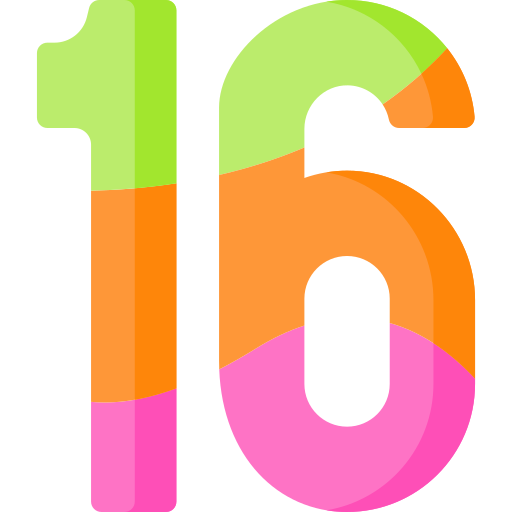
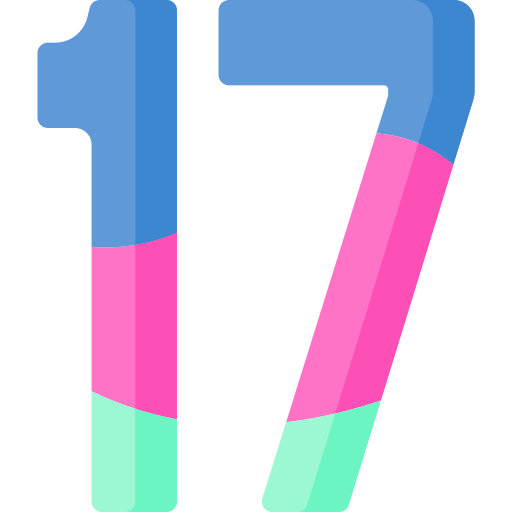
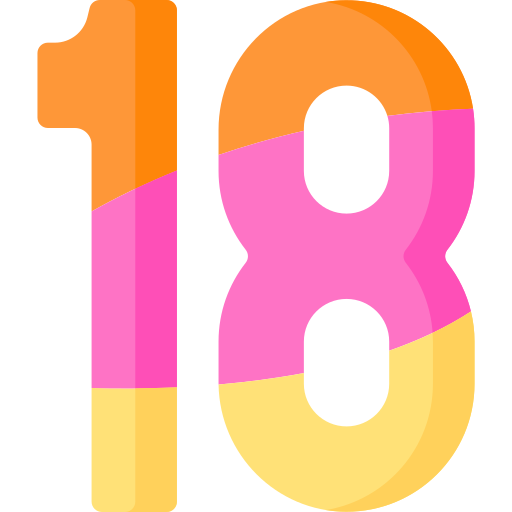



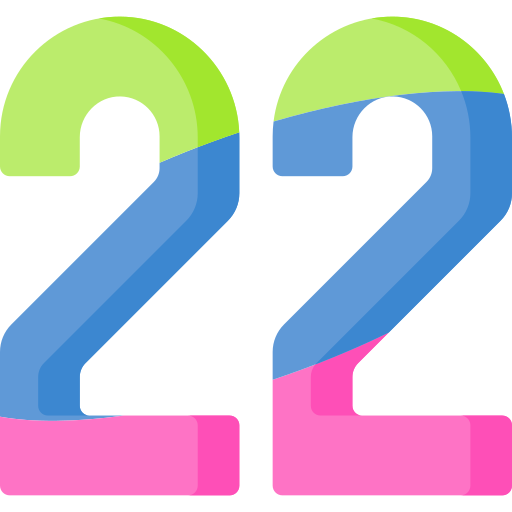





It is important to remember, if you want to say a number greater than one hundred (200,300,400...), sata you must put in partitive.
Sata -> sataa.
For example:
145 - sata neljäkymmentäviisi;
174 - sata seitsemänkymmentäneljä;
200 - kaksisataa;
234 - kaksisataakolmekymmentäneljä;
583 - viisisataakahdeksankymmentäkolme;
999 - yhdeksänsataa yhdeksänkymmentäyhdeksän;


It is important to remember, if we want to say a number greater than one thousand (2000,3000,4000...), tuhat, must be put in the partitive.
Tuhat -> Tuhatta.
For example:
1451 - tuhat neljäsataa viisikymmentäyksi;
1741 - tuhat seitsemänsataa neljäkymmentäyksi;
2000 - kaksituhatta;
2344 - kaksituhatta kolmesataa neljäkymmentäneljä;
5835 - viisituhatta kahdeksansataakolmekymmentäviisi;
9998 - yhdeksän tuhatta yhdeksänsataa yhdeksänkymmentäkahdeksan;

It is important to remember that if we want to say a number greater than a million... (2 million, 3 million, 4...), miljoona, we need to put in the partitive.
Miljoona -> Miljoonaa.
For example:
1.000.000 - miljoona;
2.000.000 - kaksi miljoonaa;
5.000.000 - viisi miljoonaa;

It is the same with a billion, trillion, quadrillion, quintillion, sextillion, semtillion, octillion, nonionion, decillion...
If the number will contain more than 1 (2,3,4,5...) then put the number in partitive.























The word tuo in Finnish can have several meanings, depending on the context in which it is used.
- One of its meanings is an index pronoun that can be translated as that. For example, the phrase tuo kirja means that book. In this case, tuo is used to indicate an object that is some distance from the speaker.
- Also, tuo can be used as an adverb, which means there, that. For example, the phrase tuo talo means that house and the phrase tuo on kaunis means that beautiful.
- Also, tuo can be used as a particle that expresses an emotional attitude toward what is being said. For example, the phrase tuo oli hauskaa! can be translated as that was fun! or how great it was!








The word tai is usually translated as or. It is used to suggest a choice between two or more options. For example:
Haluatko kahvia tai teetä? - Do you want coffee or tea?
Pitääkö minun mennä vasemmalle vai oikealle? - Should I turn left or right?
On the other hand, vai is also translated as or, but its use is more limited. It is used when it assumes that one of the options is correct and the other is incorrect. For example:
Oletko suomalainen vai ruotsalainen? - Are you Finnish or Swedish?
Tänään on tiistai, vai oliko se maanantai? - Is it Tuesday, or was it Monday?
Both tai and vai can be used in different types of sentences, and there are no strict restrictions on their use.
En ymmärrä, puhuitko sinä tai minä? - I don't understand, did you or I speak?
Etkö ole vielä lopettanut, vai oletko unohtanut? - Aren't you done yet, or have you forgotten?















Learning with DuoCards
What is DuoCards?
DuoCards is a language-learning app that helps you build vocabulary with flashcards. You can save words you want to learn and practise them over time.
How do I learn with this set?
Browse the flashcards to see the words and their translations. Select Card picker and choose the words you want to learn. Then create a free account to save your words and practise them.
How do I practise my words?
You'll see a flashcard with a word and a hidden translation. Guess what it means, then tap to check your answer. DuoCards repeats the words you find difficult.
Do I need an account, and is learning free?
You can browse this page without an account. A free account lets you save words and track your progress. The free plan has limits, and Premium offers additional features.