Finnish champion 1 piece.2
Interactive flashcards for learning vocabulary

Save words from this page and practise them with flashcards in DuoCards. How does it work?


The word muu is an adjective that can be used as a pronoun and means other, remaining or other than.
Muussa tapauksessa - in another case
muut asiat - other things
muu maailma - other world
are examples of the use of the adjective muu in Finnish.
Muuta is the genitive form of muu and can be used as a pronoun to express the need for something else or additional. For example:
Tarvitsen muuta apua - I need other help.
Also, muu can be used as a particle to express an alternative, such as:
Teemme muuta - We are doing something else
En tee muuta kuin odotan - I am doing nothing but waiting.


Koti is a word of exception.
Mihin - kotiin.
Missä - kotona.
Mistä - kotoa.









abbreviated sit.
The word sitten is a Finnish word that can be translated as then, afterwards or afterwards.
The word is often used to refer to a sequence of events or actions. For example:
Ensiksi me menemme kauppaan ja sitten kotiin. - We will go to the store first and then home.
Minä opiskelen tänään koko päivän, ja sitten menen elokuviin. - Today I will study all day, and then I will go to the movies.
Sitten can also be used to indicate a logical sequence of thoughts or arguments. In such cases, it can be translated as therefore or means.
For example:
Olin myöhässä töistä, sitten en ehtinyt junalle, and siksi myöhästyin kokouksesta. - I was late for work, then I didn't catch the train, and consequently I was late for a meeting.
Sitten can be used in conjunction with a numerical expression to indicate the past tense.
For example:
15 vuotta sitten - 15 years ago
2 päivää sitten - 2 days ago



Mistä - this word can be translated as whence or from what.
The word is often used to refer to the origin or source of something. For example:
Mistä olet kotoisin? - Where are you from?
En tiedä, mistä se johtuu. - I do not know where it comes from.
Mistä tämä on tehty? - What is it made of?
Mistä can also be used to refer to the place where something is. For example:
Missä avain on? - Se on pöydällä. Mistä pöydästä?
Where is the key? - It's on the table. Which table?
Mistä can be used with the prepositions pois (from) or lähtien (as of) to indicate a starting point or the beginning of something. For example:
Lähdemme Helsingistä ja menemme Turkuun. Mistä lähtien junat kulkevat?
We are leaving Helsinki and going to Turku. At what point do the trains start?
Vie tämä kirja pois pöydältä. Mistä pöydästä?
Take this book off the table. What table?
Used in conjunction with the verb olla, plus place from where the person is - to be elevated to the case Elatiivi (ending -sta/stä).
For example:
Minä olen kotoisin Ruotsista.
Minä olen kotoisin Saksasta.

This expression can be used in various situations when a person is surprised or unexpectedly learns something new. For example:
Kuulin juuri, että Johanna on raskaana. - Ai jaa! Sitä en tiennytkään.
- I just heard that Johanna is pregnant. - Wow! I didn't know that.
Tämä tietokone on tosi nopea. - Ai jaa, täytyy ehkä harkita sellaisen ostamista.
- This computer is very fast. - Well, maybe I'll consider buying one.



When the word vähän is used, the word that follows it must always (unless it is a verb, of course) be in the partitive. For example:
Puhun vähän espainjaa.
Minulla on vähän maitoa.

A common expression that can be translated as Ah yes!, By the way!, Oh, right! or Oh, right!.
This expression is used to remind the person you are talking to about something they may have forgotten, or to add more information to the conversation. For example:
Muistitko lähettää sen sähköpostin? - Ai niin, täytyy laittaa se heti!
- Did you send that e-mail? - By the way, I have to do it right now!
Menemme tänään ulos syömään. - Ai niin, minun täytyy soittaa ja varata pöytä!
- We're going out to dinner tonight. - Oh yes, I have to call and make a reservation!

Ajaa is a verb that can be translated as
to drive (cars, buses, etc.);
to chase or to ride (on a car, bicycle, etc.); to cut (hair)
to shave (beard).
This verb is very common in Finnish and is used in various contexts. For example:
Minä ajan autoa. - I drive a car.
Hän ajaa bussia. - He drives a bus.
Ajetaan sinne yhdessä! - Let's go there together!
Parturi ajoi hiukseni lyhyeksi. - The barber cut my hair short.
Mieheni ajaa partansa joka aamu. - My husband shaves his beard every morning.
Also, ajaa can be used in expressions in Finnish such as
ajaa asiaansa (protect your interests), ajaa itsensä uuvuksiin (exhaust yourself), ajaa takaa (pursue).

The word missä is a Finnish adverb that means where. It is used in various contexts to indicate the location of something or someone. For example:
missä olet? - where are you?
missä on koulu? - where is school?
Missä can be used as a standalone word or in combination with other words, such as missä tahansa - wherever.

ei...vaan is a Finnish expression that is used to express the opposite. It is translated as not...but.
For example:
En ole väsynyt, vaan nälkäinen - I am not tired, but hungry. In this example, the word vaan shows the contrast between the two states, namely that one is not tired but hungry.
The expression ei...vaan can also be used to negate assumptions. For example:
En ole opiskelija, vaan opettaja - I am not a student, but a teacher. In this case the word vaan is used to negate the assumption that a person is a student.



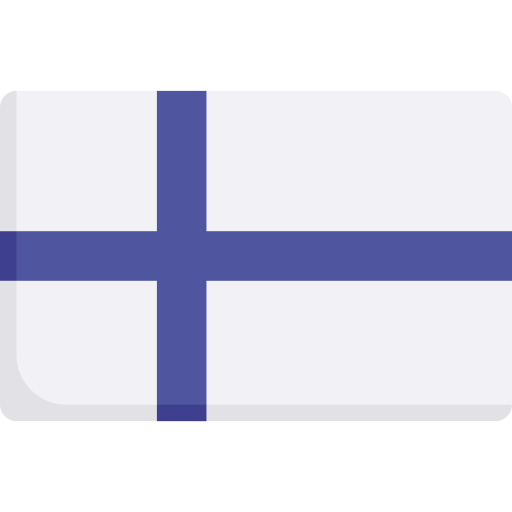
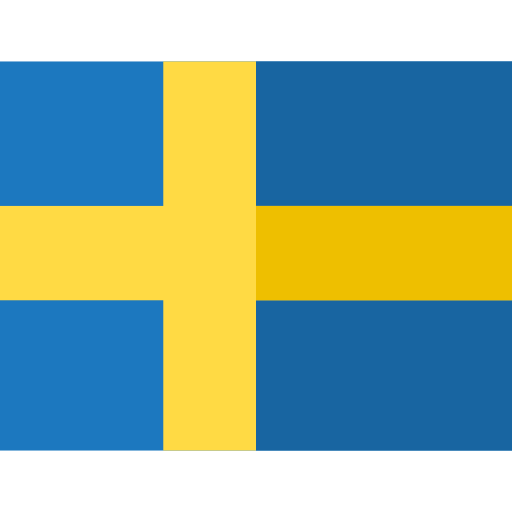


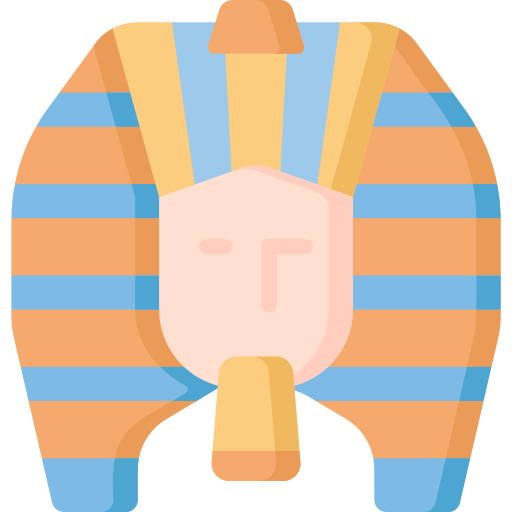
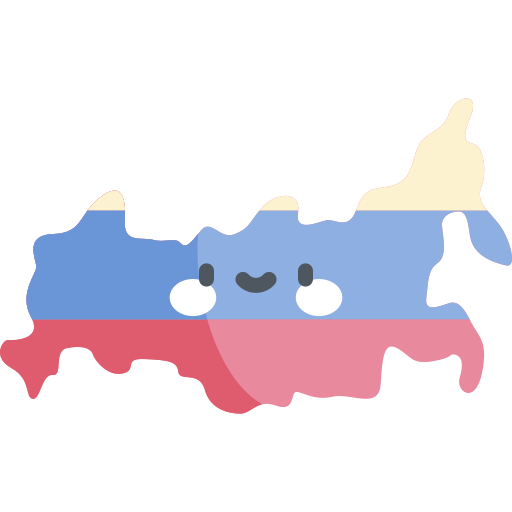

The nationality name is formed by combining the words country + the ending lainen/läinen.
For example:
Ranska + lainen = ranskalainen.
Kreikka + lainen = kreikkalainen.
Egypti + läinen = egyptiläinen.
Suomi is an exception. The letter i -> a.
Suomi + lainen = suomalainen.
Venäjä is also an exception.
Venäjä + läinen = Venäläinen.






The correct way to answer this question is this form:
olla kotoisin + sta/stä. e.g.:
Olen kotoisin Suomesta - I am from Finland.
Olen kotoisin Ranskasta - I am from France.
Olen kotoisin Egyptistä - I am from Egypt.




-kin (and, also): is an intensifying particle that is automatically attached to both nouns and verbs.
Minäkin olen täällä. - And I am here.
Kalle tanssiikin hyvin. - Kalle dances well too.
-kaan/kään: It usually appears in negative sentences as a particle that corresponds to -kin.
Minäkään en ole kotona. - And I am not at home.





The rules of usage are the same as with tämä. Nämä is plural, tämä is singular.











Mikä is used with the verb olla and mitä with all others:
Mikä päivä tänää on? - What day is it today?
Mikä kurssi tämä on? - What course is it?
Mitä te etsitte? - What are you looking for?
Mitä sinä opiskelet? - What are you studying?
- A question with mikä implies that in the answer we will get something that can be counted (numerable), such as spoons, rugs, children, etc.
Mikä tämä on? Lautanen. - What is it? A plate.
Mikä sun puhelinnumero on? - What is your telephone number?
Mikä sun kysymys oli? - What was your question?
- We put Mitä in the question when we ask for something that cannot be counted directly (soup, water, snow, jam, chocolate...)
Mitä tämä on? - Mehua. - What is it? Juice?
And remember the difference:
Mitä sinulla on? - What do you have?
Mikä sinulla on? - What is wrong with you?

The word milloin is a Finnish adverb that means when. It is used to ask questions about time or to indicate a certain point in time in the past or future.
For example:
Milloin sinä tulet? - When will you come? Milloin tapasimme ensimmäisen kerran? - When did we meet for the first time?
Milloin can also be used to ask questions related to a period of time, such as
Milloin on paras aika matkustaa? - When is the best time to travel?
Also, milloin can be used in combination with other words such as
milloin tahansa - at any time;
milloin ikinä - at any time, whenever.
The word mihin is a Finnish adverb that means where. It is used to ask questions about a place or direction.
For example:
Mihin sinä menet?- Where are you going?;
Mihin laitat kirjan? - Where will you put the book?
mihin can also be used to indicate a specific place or direction, such as
Laita astiat mihin tahansa - Put the dishes anywhere
Mihin suuntaan olemme menossa? - Which direction are we going?
Also, mihin can be used in combination with other words, such as
mihin tahansa - wherever;
mihin ikinä - wherever.
The word miksi is a Finnish adverb that means why. It is used to ask questions about the reasons or motives for an action or event.
For example:
Miksi sinä myöhästyt? - Why are you late?; Miksi hän ei tullut? - Why didn't he come?
miksi can also be used to clarify a situation, for example:
Miksi sinä itkit eilen? - Why did you cry yesterday?

The word kuinka has several meanings. It can mean how, how much.
When kuinka is used in the sense of how, it asks about the way an action is performed. For example:
Kuinka tehdä tämä tehtävä? - How to accomplish this task?
Kuinka päästä museoon? - How do you get to the museum?
When kuinka is used to mean how much, it asks about quantity or degree. For example:
Kuinka monta ihmistä tulee juhliin? - How many people are coming to the party?
Kuinka kauan kestää matka Helsinkiin? - How long will it take to go to Helsinki?
When kuinka is used to mean how much, it asks a question about the degree, for example:
Kuinka hyvä on tämä ravintola? - How good is this restaurant?
Kuinka tärkeä tämä asia on sinulle? - How important is this thing to you?
Also, kuinka can be used in combination with other words such as:
kuinka kauan - how long;
kuinka usein - how often.



The word tietää is a verb that means to know. It is used to express knowledge about something or when you are sure that some information is correct.
- With the verb tietää you can express knowledge of facts, details, information or skills. For example:
Minä tiedän, että Suomi sijaitsee pohjoisessa - I know that Finland is located in the north.
Minä tiedän soittaa pianoa - I can play the piano.
- The verb tietää can be used with various prepositions that change the meaning of the verb. For example: when the preposition tietää jotakin is used, it means to know about something.
When the preposition tietää mitä is used, it means to know something specific.
Also, the verb tietää can be used in combination with other verbs such as:
tietää ajatella - to know what to think;
tietää tehdä - to know what to do.

Tykätä - to love, to like. A verb of strong control, requiring an elatiive (-sta/-stä) after itself. Borrowed from Swedish, it is therefore considered an inferior verb. Some Finns do not like this verb for its nationality.
Miehet tykkäävät naisista. - Men like women.
Naiset tykkäävät lapsista. - Women love children.
Lapset tykkäävät jäätelöstä. - Children like ice cream.
After the verb tykätä, another verb in the form of a dictionary infinitive is also possible (which is not possible after the verb pitää).
Tykkään käydä elokuvissa. - I like going to the movies.

Pitää is a verb of strong control. It has several meanings. Let's start with the main one:
- To love, to like. In this sense it is completely synonymous with the verb tykätä, it governs the elative.
Minä pidän lukemisesta - I like to read.
And its other meanings:
- To hold on to something/someone. Ruled by the elative again, you can add - kiinni (colloquially - kii).
Pidän sinusta kiinni - I hold on to you.
- Consider, believe something/someone to be something/someone. What or who will be in the partitive, whom in the essive.
Pidän suomea helppona. - I think Finnish is easy.










Kaappi - a piece of furniture designed for storing things.
It is also possible to use this word as a suffix, to define a more precise purpose, for example:
astiakaappi - a cupboard for utensils;
kirjakaappi - bookcase;
keittiökaappi - kitchen cabinet;
lääkekaappi - medicine cabinet;
vaatekaappi - closet;
kassakaappi - safe;
happikaappi - oxygen chamber;
höyrykaappi - steam chamber;
kuivauskaappi - drying cabinet;
jääkaappi - refrigerator;
suihkukaappi - shower cabin;
And so on...
And also Kaappi as a slang expression can mean a large, massive man.









The word kulta in Finnish has several meanings, depending on the context. The main meaning of the word kulta is gold, as in precious metal. Below I will give some examples of the use of the word kulta:
Minulla on kultainen sormus. - I have a gold ring.
Hän osti kultaketjun. - He bought a gold chain.
Kullan hinta on noussut viime aikoina. - The price of gold has risen lately.
In addition, kulta can be used as a word of endearment.
For example:
Kiitos, kulta! - Thank you, sweetheart!
Mitä kuuluu, kulta? - How are you, my golden one?
Virta is a Finnish word that can have several meanings depending on the context. It can mean current, flow, electric current or data flow in a computer network.
For example:
Joki virtaa nopeasti - The river flows fast.
Virta katkesi myrskyn aikana - The electricity is gone during a storm.
Tietoliikente virta kasvaa jatkuvasti - The flow of data on the network is constantly increasing.









The verb rakastaa - to love, is always partitive, that is, it requires a partitive complement.
Rakastan sinua. - Я люблю тебя.










Learning with DuoCards
What is DuoCards?
DuoCards is a language-learning app that helps you build vocabulary with flashcards. You can save words you want to learn and practise them over time.
How do I learn with this set?
Browse the flashcards to see the words and their translations. Select Card picker and choose the words you want to learn. Then create a free account to save your words and practise them.
How do I practise my words?
You'll see a flashcard with a word and a hidden translation. Guess what it means, then tap to check your answer. DuoCards repeats the words you find difficult.
Do I need an account, and is learning free?
You can browse this page without an account. A free account lets you save words and track your progress. The free plan has limits, and Premium offers additional features.