Finnish champion 1 piece.8
Interactive flashcards for learning vocabulary

Save words from this page and practise them with flashcards in DuoCards. How does it work?


The term pastasalaatti is usually used to describe a salad in which the main ingredient is pasta, with various vegetables, sauces, and other ingredients added.

It is an adjective used to describe something or someone that evokes positive and pleasant emotions.




The words avara and tilava in Finnish have similar meanings related to spaciousness and space.
The word avara means spacious or spacious. It is usually used to describe rooms, places, or environments that have lots of space, air, and freedom. Examples:
Tämä huone on todella avara. - This room is really spacious.
Nautin avarasta näköalasta merelle. - I enjoy the spacious view of the sea.
The word tilava also means spacious or spacious. It is most often used to describe specific objects, such as rooms, cars, closets, etc., that have enough space or volume to accommodate and store. Examples:
Tämä huone on erittäin tilava. - This room is very spacious.
Autossamme on tilava tavaratila. - Our car has a spacious trunk.
Thus, both words describe spaciousness and space, but avara can be used to describe a general impression of space, while tilava is most often used for specific objects or items that have enough space to use or store.






The word juuri in Finnish has several meanings and can be used in different contexts.
Indefinitely or exactly:
Juuri näin! - Exactly!
Hän juuri lähti. - He just left.
Root or basis:
Puu on juurineen maassa. - A tree with roots in the ground.
Tämä on ongelman juuri. - Therein lies the root of the problem.
Nearly or nearly:
Hän asuu juuri täällä. - He doesn't live far from here.
Tapasin hänet juuri ennen lähtöäni. - I met him recently before I left.
Simply or just now:
Juuri kun olin lähdössä, puhelin soi. - Just now, as I was about to leave, the phone rang.
The context determines the exact meaning of the word juuri in the sentence. It can indicate precision, the root of something, recent tense, or simply mean somewhat or just now.

The word sopiva may be used to describe appropriate conditions, time, size, style, or any other characteristics that meet requirements or preferences.

This phrase is used to invite or urge someone to come and take something, such as an item or offer. In context, it can be used, for example, in a store when an employee invites a customer to take a desired item, or in a home when the host invites guests to take something from available items.


The word luomu is used to refer to products that are produced or grown according to the principles of organic farming. They usually do not contain synthetic chemicals, GMOs or artificial additives.
The word juhla indicates a special event or celebration, which is often accompanied by celebration, joy and special activities. It could be a birthday, a wedding, a New Year's Eve celebration, or any other significant event.



The word nimipäivä is used to refer to a day that is associated with a person's name. It is a day when a person celebrates a holiday that corresponds to his or her name. In Finland, name day is an important traditional occasion, and many people congratulate their friends and relatives on this day.

The word ristiäiset refers to a religious baptism held in a church for newborn children. It is a special event for the family, where the child is given a name and a baptismal ceremony is held in the presence of relatives and friends.

The word häät refers to a special event associated with marriage and the celebration of a wedding. It is the day when a couple exchanges vows and officially announces their marriage in front of relatives and friends. A wedding may include a ceremony in a church, a marriage registration and a celebration with a reception, dancing and traditional ceremonies.




The phrase paljon onnea! expresses sincere congratulations and wishes for someone on a special day or event. It is a common phrase used to express joy and to wish happiness and success.


The phrase onnea uuteen kotiin! expresses wishes for happiness, comfort and coziness in the new home. It is used to express joy and congratulate someone on moving or starting a new chapter in their life connected with their new home.




The word salaatti can refer to salads consisting only of vegetables and greens as well as to salads that use other ingredients such as fruit, seafood, or meat. And also as a vegetable - salad.














Lingonberries are a popular berry in Finnish cuisine. It is used to make various dishes such as jams, juices, pies and sauces. Lingonberries have a refreshing taste and sour-sweet flavor. They are rich in vitamins C and E, antioxidants and other nutrients. Lingonberries are also often used in traditional Finnish dishes such as puolukkapiirakka (lingonberry pie) and puolukkahillo (lingonberry jam).


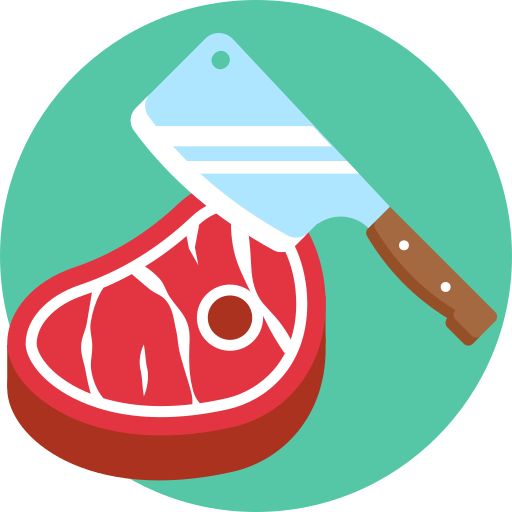

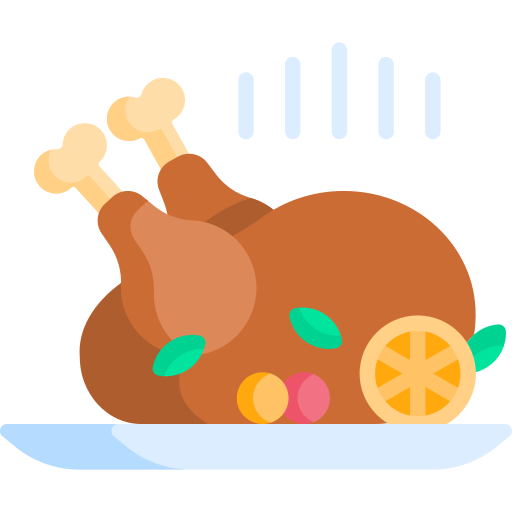



The word portsaanliha in Finnish means pork and the word sianliha also translates as pork. They both refer to the meat of a pig. The difference between these words lies in regional or dialectal usage. Portsaanliha is the more common term in some regions of Finland, while sianliha is the more common and widely accepted term throughout the country.
In general, both words mean pork and can be used in different contexts, including cooking, restaurant menus or buying meat.





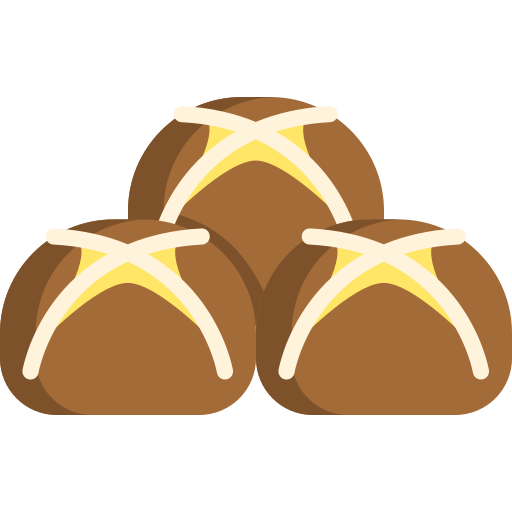
Cinnamon bun with a pinch of cardamom.

Pies in Finnish cuisine have a variety of fillings and shapes. Sweet pies can be with berries, fruit, cottage cheese or condensed milk. Salty pies may contain meat, fish, vegetables, or cheese. Pies are often served as a dessert or as an appetizer, and they are a popular dish at various holidays and celebrations.






















The word limu translates from Finnish as carbonated or lemonade. The word is usually used for non-alcoholic carbonated drinks, which have a refreshing taste and contain carbon dioxide bubbles.















The word mieto refers to foods or beverages that have a low degree of spice, spiciness, or flavor. It can be used to describe dishes, sauces, drinks, or condiments that have a delicate and mild flavor or aroma.



You can use the word millaista to ask questions about the characteristics or type of something to find out the preferences, interests, or descriptions of a person or object.























































The word jossain is used to refer to an undefined place or space when the exact location is unknown or unspecified. It is often used in conjunction with verbs of motion or questions related to location or direction.






Learning with DuoCards
What is DuoCards?
DuoCards is a language-learning app that helps you build vocabulary with flashcards. You can save words you want to learn and practise them over time.
How do I learn with this set?
Browse the flashcards to see the words and their translations. Select Card picker and choose the words you want to learn. Then create a free account to save your words and practise them.
How do I practise my words?
You'll see a flashcard with a word and a hidden translation. Guess what it means, then tap to check your answer. DuoCards repeats the words you find difficult.
Do I need an account, and is learning free?
You can browse this page without an account. A free account lets you save words and track your progress. The free plan has limits, and Premium offers additional features.