Katakana from the beginningJapanese words
by DuoCards
*Let's learn KATAKANA!*
Katakana is one of the *three Japanese character sets*. Like hiragana, it was formed during the 9th century by *simplifying* particular *Kanji parts*.
Katakana is used for the transcription of *loan words* from foreign languages or to *emphasize* certain words.
First, we introduce the *basic 5 vowels*:
"ア" *a*
"イ" *i*
"ウ" *u*
"エ" *e*
"オ" *o*

ア
A
アカウント
イ
I
ワイン

ウ
U
ウイルス

エ
E
エネルギー
オ
O
オレンジ

アイス
Ice
エア
Air
エアロビクス
アウト
Out
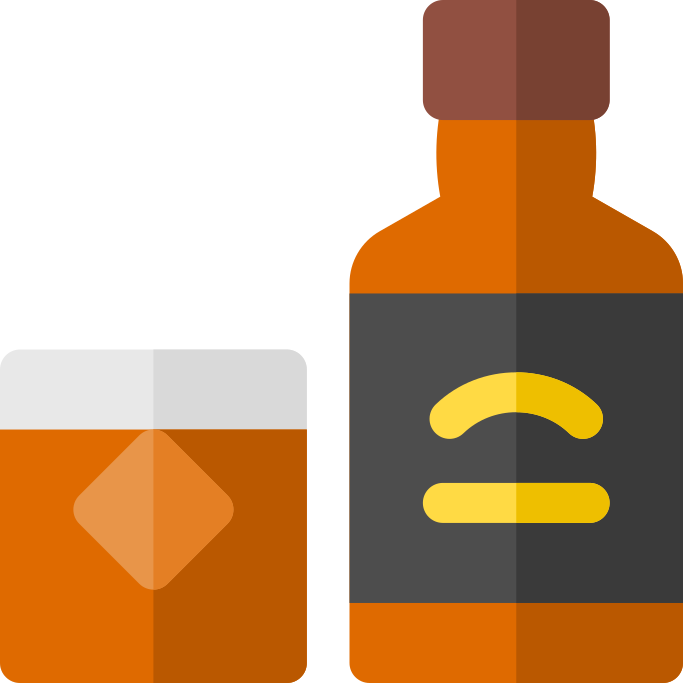
ウイスキー
Whisky
*Syllable alphabet*
Like hiragana, *katakana* vowels can be combined with 7 consonants - *k, s, t, n, h, m, r, y, or w* - which together make *46 basic katakana* letters.
There are four exceptions that we must *keep in mind*:
1. Consonant *s* followed by "イ" gives us "シ" pronounced as *shi*.
2. Consonant *t* followed by "イ" gives us "チ" pronounced as *chi*.
3. Consonant *t* followed by "ウ", gives us "ツ" pronounced *tsu*.
4. Consonant *h* followed by "ウ", gives us "フ" pronounced as *fu*.
Column *y* can be combined only with vowels "ア" "ウ" and "オ":
"ヤ" *ya*
"ユ" *yu*
"ヨ" *yo*
Row *w* is combined only with the vowel "ア":
"ワ" *wa* Try not to confuse it with "ウ" or "フ" :)
The last of the basic 46 Hiragana letters is the consonant "ン" pronounced as *n*. Do not mix it with "ソ".
Katakana might be a little bit harder than hiragana but we are sure you will ace it!

カ
Ka
カー

キ
Ki
ケーキ

ク
Ku
クラス

ケ
Ke
ケア
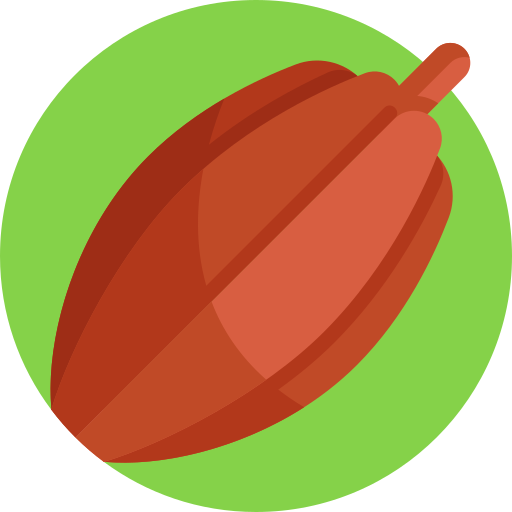
コ
Ko
ココア

サ
Sa
サイド

シ
Shi
シドニー
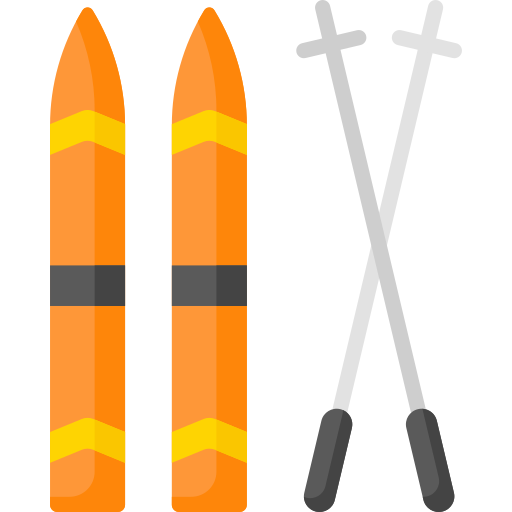
ス
Su
スキー

セ
Se
センター

ソ
So
ソフト

タ
Ta
タクシー

チ
Chi
チーム
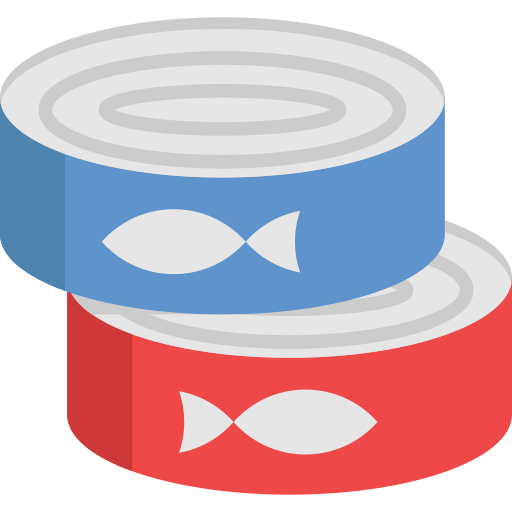
ツ
Tsu
ツナ
テ
Te
テーブル
ト
To
トマト
ナ
Na
ナイフ

ニ
Ni
ニュース

ヌ
Nu
ヌード

ネ
Ne
ネット

ノ
No
ノート
ハ
Ha
ハンドル

ヒ
Hi
ヒント
フ
Fu
フライパン

ヘ
He
ヘルメット

ホ
Ho
ホール

マ
Ma
マフラー

ミ
Mi
ミルク
ム
Mu
ムース
メ
Me
メロン
モ
Mo
メモ

ラ
Ra
ライト

リ
Ri
リラクス

ル
Ru
ルーム

レ
Re
レストラン

ロ
Ro
ロック

ヤ
Ya
ヤンキー

ユ
Yu
ユニーク
ヨ
Yo
ヨーグルト

ワ
Wa
ワーク
ン
N
パン
*Let's practice words with these vowels!*

ユニーフォーム
Uniform

サイト
Site

カウンター
Counter

コーヒー
Coffee
ルート
Route
キウィ
Kiwi
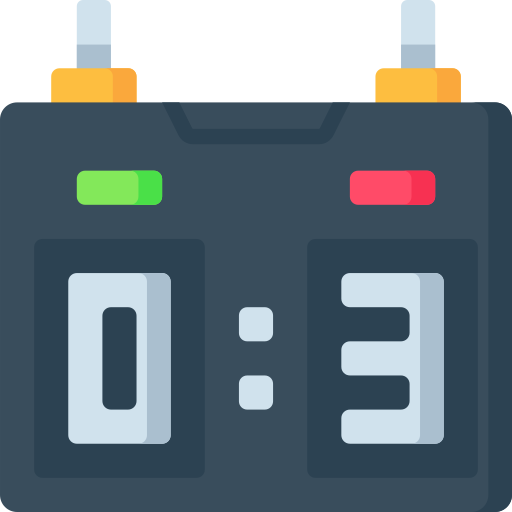
スコア
Score

センス
Sense

サンド
Sand

テレビ
TV

クリーム
Cream

ヘルシー
Healthy

レコード
Records
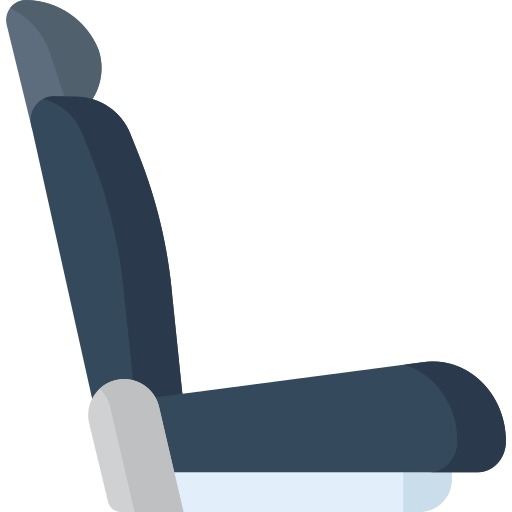
シート
Seats
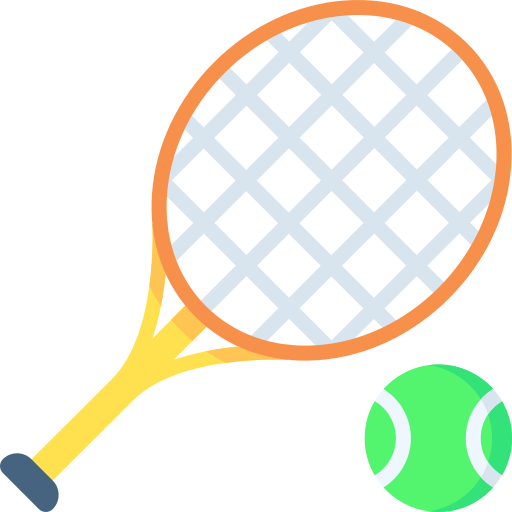
テニス
Tennis
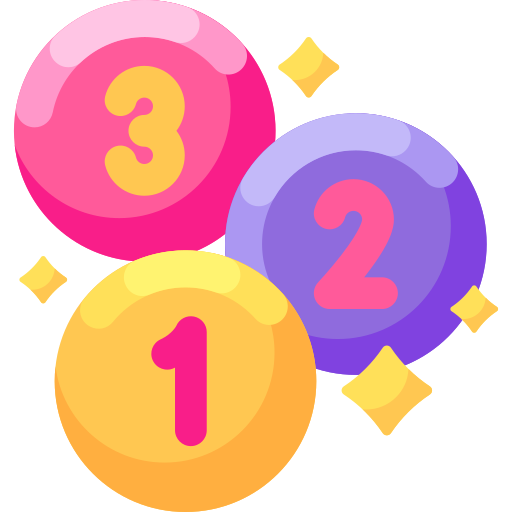
ナンバー
Number

ミクス
Mix
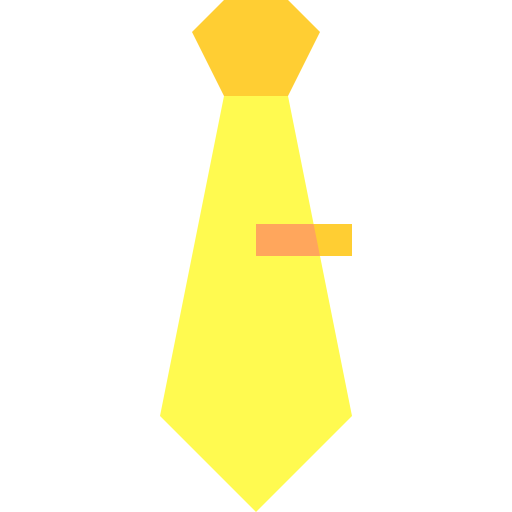
ネクタイ
Tie
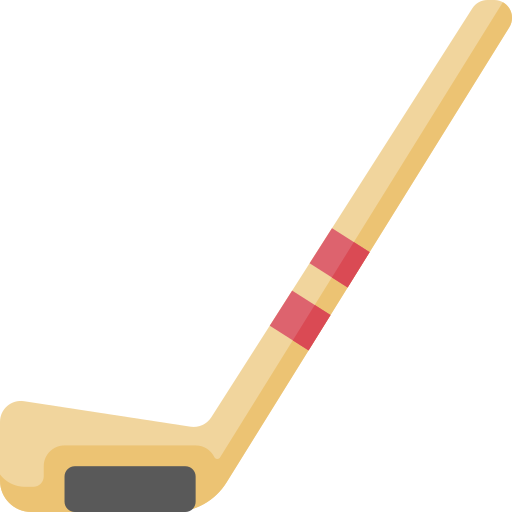
ホッケー
Hockey
エラー
Error

ツアー
Tour
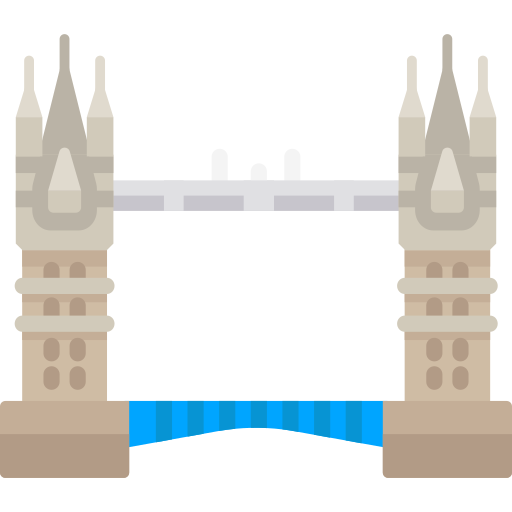
ロンドン
London

メニュー
Menu

ニューヨーク
New York
フランス
France

ハンカチ
Handkerchief
タイア
Tyre

マナー
Manners
*Modified forms*
In this set of cards, we are introducing *modified forms* of the 46 basic Katakana letters, which, like in Hiragana help us to describe more sounds.
The first modifier is called *dakuten* which is indicated with *two small commas*.
It represents the voiced sound of "カ", "サ", "タ" and "ハ" row syllables.
Japanese does not use modified "ヂ" and "ヅ" very often, so we omitted them.
*Dakuten* turns an unvoiced consonant into a voiced consonant:
*k* becomes *g*
*s* becomes *z*
*t* becomes *d*
*h* becomes *b*
ガ
Ga
ガソリン
ギ
Gi
ギター

グ
Gu
グラフ

ゲ
Ge
ゲーム
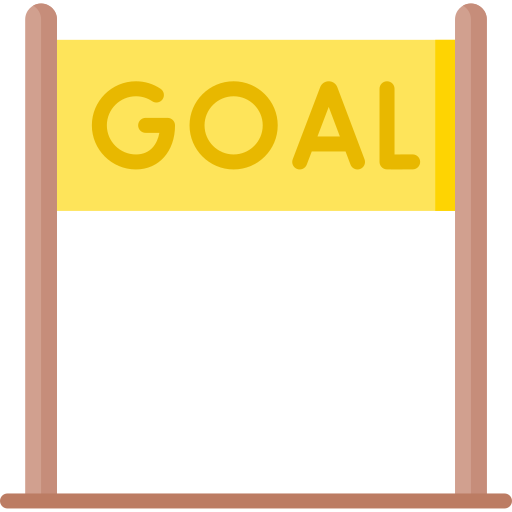
ゴ
Go
ゴール

ザ
Za
ザンビア
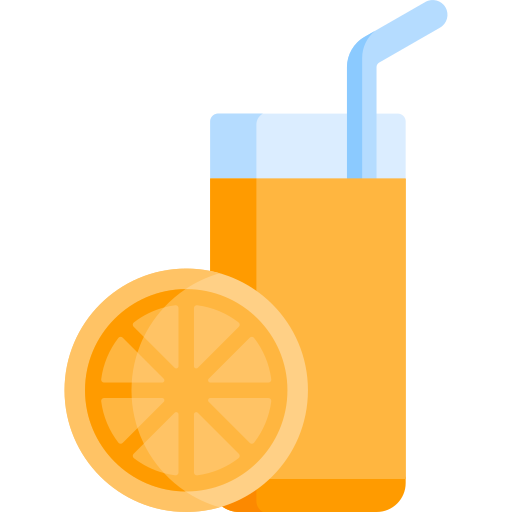
ジ
Ji
ジュース
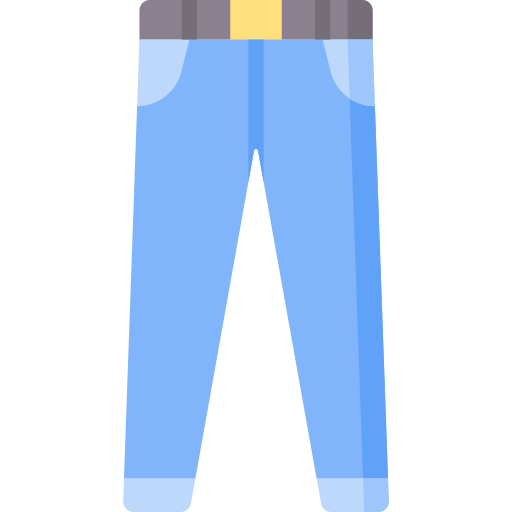
ズ
Zu
ズボン
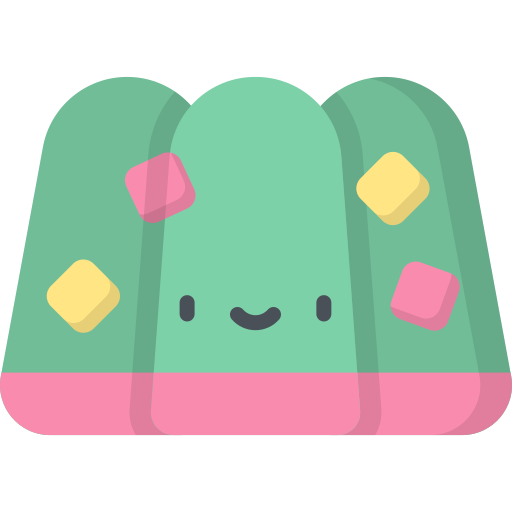
ゼ
Ze
ゼリー

ゾ
Zo
ゾンビ

ダ
Da
ダンス

デ
De
デート

ド
Do
ドア
バ
Ba
バナナ

ビ
Bi
ビデオ

ブ
Bu
ブラシ
ベ
Be
ベッド

ボ
Bo
ボール
*Handakuten*
The second modified form is called *handakuten* which is indicated with a *small circle*.
It represents the voiced sound of "ハ" row syllables.
Consonant *h* becomes consonant *p*.
パ
Pa
パン

ピ
Pi
ピン

プ
Pu
プール

ペ
Pe
ペン

ポ
Po
ポスト
*Yōon*
The third modified form is called *yōon*. It is a combination of the consonant of *i* column syllables and small "ャ" "ュ" "ョ".
The first example is consonant *k* + "ャ" = "キャ".
*Yōon* is described by *i* column letter plus small "ャ".
"キ" + "ャ" = "キャ"

キャ
Kya
キャンプ

キュ
Kyu
キュート
キョ
Kyo
キョロキョロ

シャ
Sha
シャワー

シュ
Shu
シューズ

ショ
Show
ショップ

チャ
Cha
チャンス

チュ
Chu
チュリップ
チョ
Cho
チョコ

ニャ
Nya
ニャニャ

ニュ
Nyu
ニュース
ニョ
Nyo
ニョッキ

ミャ
Mya
ミャンマー

ミュ
Myu
ミュージック
リュ
Ryu
リュックサック

ギャ
Gya
ギャラリー
ジャ
Ja
ジンジャー
ジュ
Ju
ジュース

ジョ
Jo
ジョーク
ビュ
Byu
ビュフェ

ピュ
Pyu
ピューマ
*Sokuon*
Next, we are introducing *sokuon* which represents a *pause between two syllables* and *doubles the following consonant*.
It is described by a small "ッ".
Below we give a few examples to see how it works.
サッカー
Football

ジェット
Jet

ゲット
Get

ロッカー
Locker
ラケット
Racket

パケット
Packet
ホット
Hot
*Prolonging*
You probably have already noticed that "ー" makes the word *sound longer*.
Below we again give a few examples.

ノート
Notebook

コート
Coat
ヨーグルト
Yogurt

フルーツ
Fruit

ベギナー
Beginner
*Let's practice words with the modified forms!*
ゼブラ
Zebra
ジャム
Jam

ゴマ
Sesame

ギフト
Gift

パンダ
Panda
ベル
Bell
ボタン
Button

アイデア
Idea

ビザ
Visa

ポイント
Point

プラス
Plus

ピザ
Pizza

ページ
Page
キャッチ
Catch

ショック
Shock
ギャンブル
Gambling

ジョギング
Jogging

ピュア
Pure