Hiragana from the beginningJapanese words
by DuoCards
*Let's learn HIRAGANA!*
Hiragana is one of the *three Japanese character sets*. It was formed by *simplifying* particular *Kanji symbols* during the 9th century. In the beginning, hiragana was used mainly by women because they could not study the Kanji characters, as they were considered to be rather difficult.
We use hiragana for *native Japanese words*, *suffixes*, or *grammatical and functional words*.
Let's have a look at the *first 5 vowels*:
"あ" *a*
"い" *i*
"う" *u*
"え" *e*
"お" *o*
あ
Ah
あい
い
I
いす
う
U
うま

え
E
え
お
O
おとな

いえ
House

青
Blue
あお

あい
Love
愛してる (aishiteru)

うえ(上)
above
*syllable alphabet*
Together with the seven consonants *k, s, t, n, h, m, r, y and w*, the *48* basic hiragana and *hiragana syllable* letters are formed.
However, there are a few exceptions that must be *noted*.
1.1. when the consonant *s* is followed by "い", it is pronounced "し" *shi*
2.2. when the consonant *t* is followed by "い", it is "ち" and pronounced *chi*
3. consonant *t* followed by "う", pronounced "つ" *tsu*
4.4. consonant *h* followed by "う", is "ふ" and pronounced *fu*.
The *y* sequence can only be combined with the vowels "あ" "う" and "お".
"や" *ya*
"ゆ" *yu*
"よ" *yo*
The *w* column can be combined with the vowels "あ" and "お".
"わ" *wa* Not to be confused with "ね":)
"お" When combined with "を" it becomes and is pronounced like *wo*. It is used as a *particle* and is not used in the word.
The last of the 46 basic Hiragana letters is a consonant. "ん" It is pronounced as *n*.
At first glance, this may seem like a lot, but there is no need to worry. Hiragana has only 48 characters (.
か
ka
か
き
Ki
き

く
Ku
くま

け
Ke
け

こ
Ko
こども
さ
Sa
さくら

し
Shi
しま
す
Su
す
せ
Se
せ

そ
So
そら

た
Ta
たこ

ち
Chi
ちから
つ
Tsu
つき

て
Te
て

と
To
とら
な
Na
なか
に
Ni
にく
ぬ
Nu
いぬ

ね
Ne
あね

の
No
のう

は
Ha
私は先生です。

ひ
Hi
ひ

ふ
Fu
ふろ
へ
He
へた
ほ
Ho
ほし
ま
Ma
ま
み
Mi
みみ
む
Mu
むし

め
Me
め
も
Mo
もも
ら
Ra
そら

り
Ri
もり

る
Ru
はる
れ
Re
れい

ろ
Ro
いろ

山 (やま)
mountain
やま

ゆうがた
evening
ゆうがたに友達と会います。

によると
according to
この調査によると、若者の間でスマートフォンの利用が増えている。

わ
Wa
わたしはにほんごがすこしわかります。
を
Wo
りんごを食べる
ほん
Really
ほん、行くの?
*Let's practice some words with these vowels!*
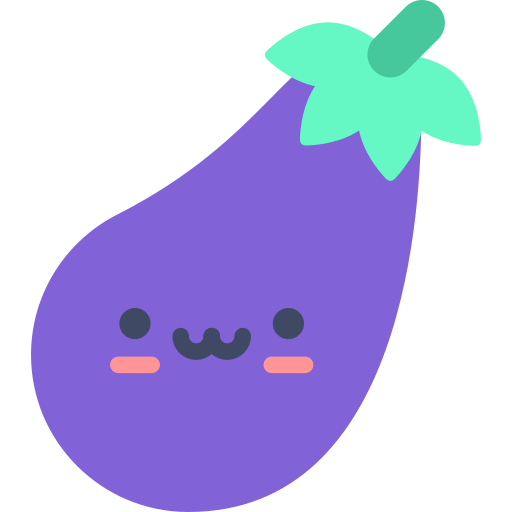
なす
Eggplant
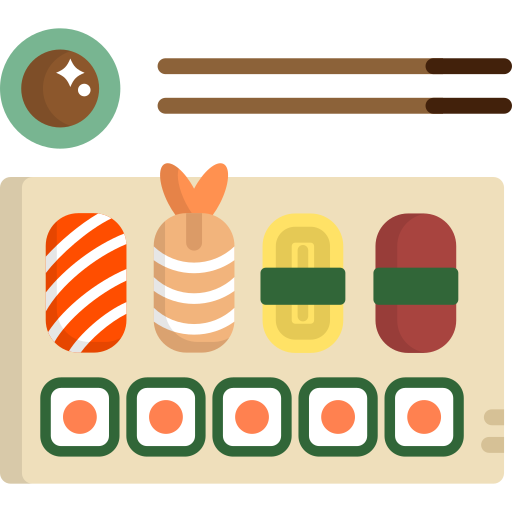
寿司
Sushi

ふゆ
Winter
せき
Seat

つくえ
Desk

むね
Breast

にち
Day / Sun
はし
Chopsticks

きもの
Kimono
なし
Pear
かたち
Shape

よわい
Weak

かさ
Umbrella

しか
Deer
ねつ
Fever / Heat

ひと
Person
とき
Time

ぬく
Pull out
ほそい
Thin

ふね
Boat

はれ
Sunny
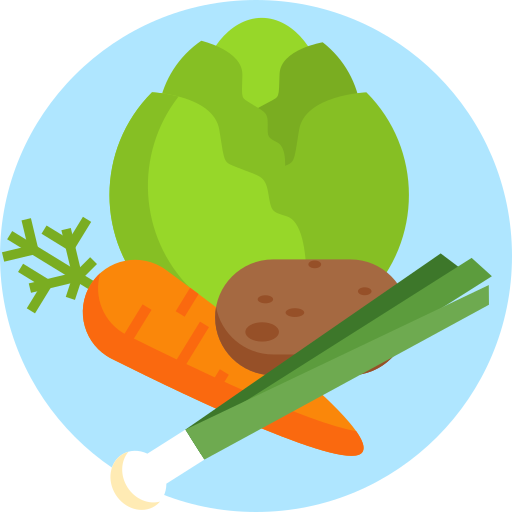
やさい
Vegetable

わるい
Bad
こえ
Voice
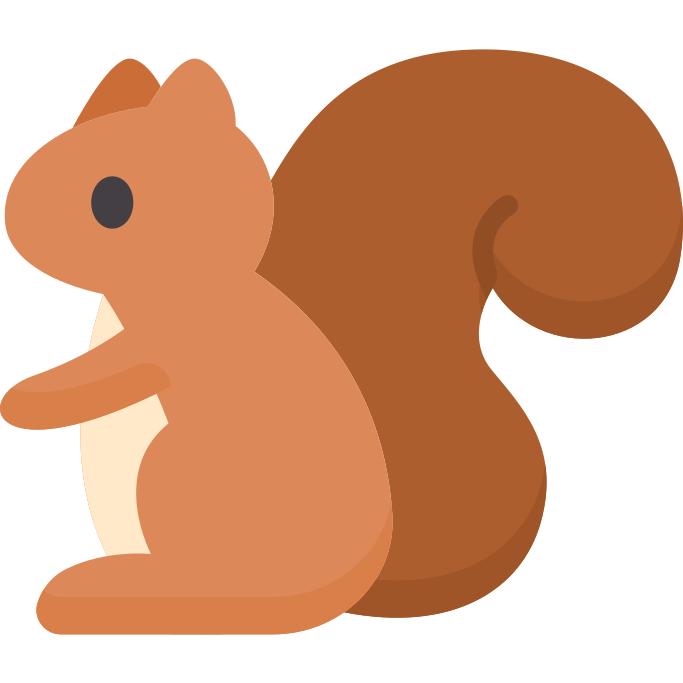
りす
Squirrel
公園でりすを見た。
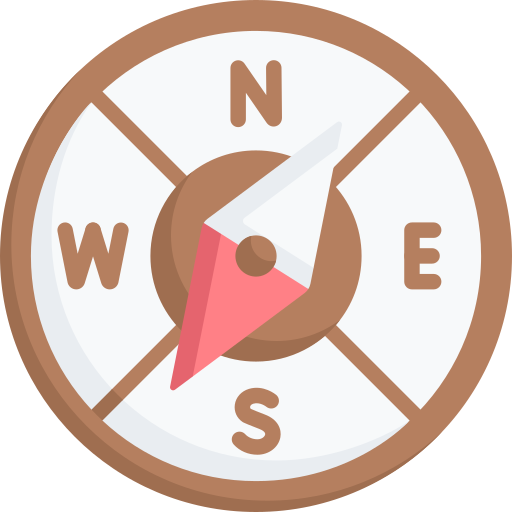
みなみ
South

ゆき
Snow

ろく
Six

まよう
To get lost
まいにち
Everyday

くうきをよむ
Read between the lines.

わかる
Understand
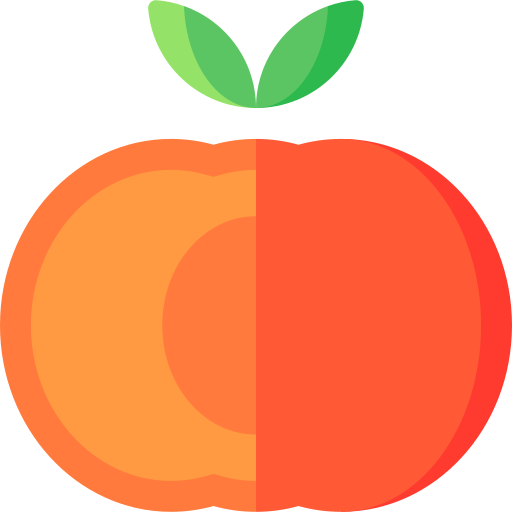
かき
Persimmon
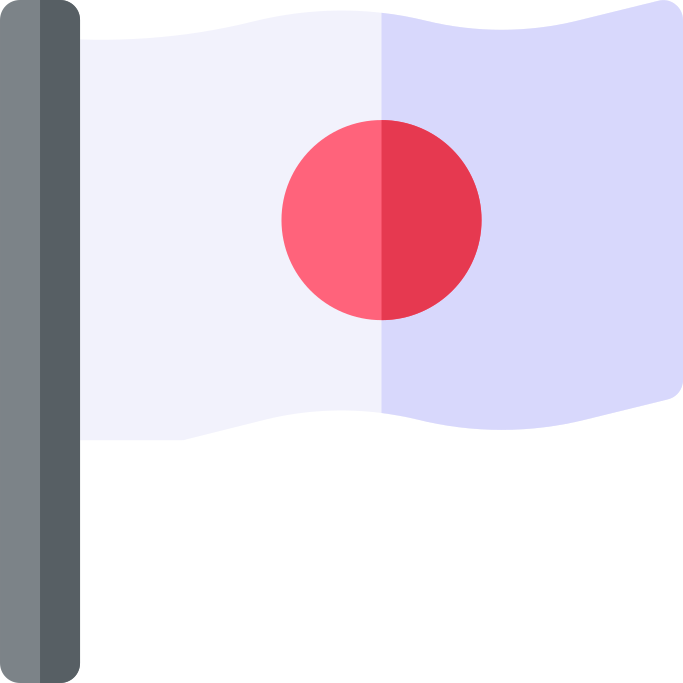
にほん
Japan

かく
Write
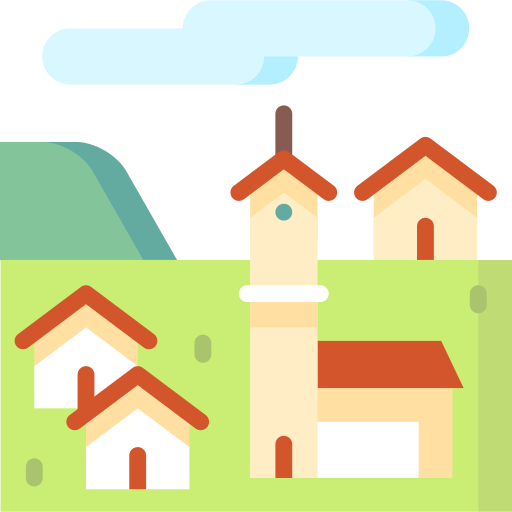
むら
Village

くうき
Air
くうきをよむ
*Modified forms*
In addition to these 46 basic Hiragana letters called *gojūon*, there are modified forms that help us describe more sounds - *dakuon*, *handakuon*, *yōon* and *sokuon*.
The first modifier is called *dakuten* which is indicated with *two small commas*.
It represents the voiced sound of "か", "さ", "た" and "は" row syllables.
*Dakuten* turns an unvoiced consonant into a voiced consonant:
*k* becomes *g*
*s* becomes *z*
*t* becomes *d*
*h* becomes *b*

が
Ga
おんがく

ぎ
Gi
ぎむ

ぐ
Gu
ふぐ

げ
Ge
ひげ
ご
Go
ごご

ざ
Za
ざし
じ
Ji
にんじん

ず
Zu
まずい

ぜ
Ze
ぜんぜん

ぞ
Zo
ぞう
だ
Da
だいこん
ぢ
Ji
ぢりぢり

づ
Tzu
づけづけ

で
De
であい
ど
Do
ど
ば
Ba
ばん

び
Bi
おび

ぶ
Bu
ぶん

べ
Be
べんとう
ぼ
Bo
おぼん
*Handakuten*
The second modifier is called *handakuten* which is indicated with a *small circle*.
It represents the voiced sound of "は" row syllables.
Here the consonant *h* becomes consonant *p*.
ぱ
Pa
ぱちんこ

ぴ
Pi
えんぴつ

ぷ
Pu
ぷくぷく

ぺ
Pe
ぺらぺら

ぽ
Po
ぽんず
*Yōon*
The third modified form is called *yōon*. It is a combination of the consonant of *i* column syllables and small "ゃ" "ゅ" "ょ"
The first example is the consonant *k* + "ゃ" = "きゃ"
*Yōon* is described by *i* column letter plus small "ゃ" "き" + "ゃ" = "きゃ"

きゃ
Kya
きゃく
きゅ
Kyu
きゅうり

きょ
Kyo
きょく

しゃ
Shah
しゃしん

しゅ
Shu
しゅくだい

しょ
Sho
じむしょ

ちゃ
Cha
おちゃ

ちゅ
Chu
ちゅうい

ちょ
Cho
ちょう

にゃ
Nya
にゃにゃ

にゅ
Nyu
にゅういん

にょ
Nyo
にょう

ひゃ
Hyah
ひゃく

ひゅ
Hyu
ひゅうひゅう

ひょ
Hyo
ひょう

みゃ
Mya
みゃく

みゅ
Myu

みょ
Myo
みょうじ

りゃ
Rya
りゃくご
りゅ
Ryu
りゅう

りょ
Ryo
りょかん
ぎゃ
Gya
ぎゃく
ぎゅ
Gyu
ぎゅうにゅう

ぎょ
Gyo
ぎょうかい
じゃ
Ja
じゃがいも

じゅ
Ju
じゅぎょう

じょ
Jo
じょうだん

びゃ
Bya
さんびゃく
びゅ
Byu
びゅんびゅん

びょ
Byo
びょうき
ぴゃ
Pya
はっぴゃく

ぴゅ
Pyu
ぴゅうぴゅう

ぴょ
Pyo
はっぴょう
*Let's practice some words with the modified forms!*

にんじゃ
Ninja

しゅみ
Hobby
いっぱい
A lot
ぴかぴか
Sparkly

ぐうぜん
By coincidence

にゅうがく
Enrollment

どうぞ
Here you go

おばあさん
Grandmother

りょうり
Dish

じょうず
Skilled
ちゃわん
Tea cup

たび
Journey
ごぜん
morning
ちゅうしゃ
Parking (e.g. car)

どうぐ
Tool

いしゃ
Doctor

しゅうきょう
Religion
ぎゅうにく
Beef

きょか
Permission

おじぎ
bowing

りゅうがく
Study Abroad

ざぜん
seated Zen meditation

ざんぎょう
Overtime
*Sokuon*
Here we are introducing *sokuon* which *represents a pause* between two syllables and doubles the following consonant.
It is described by a small "っ".
Below we give a few examples to see how it works.

ざっし
Magazine

きっぷ
Ticket

けっこん
Marriage

ちょっと
A little

はっぴょう
Presentation
*Prolonging*
You probably have already noticed that *vowels* can make the previous syllable *longer*.
Below we again give a few examples.

がっこう
School

りょこう
Travel

こうこう
High school
おかあさん
Mom

おおきい
Big